

How to Grow Fresh Turmeric in Pots: A Complete Guide to Endless Homegrown Supply
Intro for Growing Turmeric in Pots
Turmeric (Curcuma longa) is a vibrant golden rhizome prized for its distinctive flavor and powerful anti-inflammatory properties. Growing your own turmeric in containers offers a sustainable way to enjoy this superfood year-round, even in temperate climates where ground cultivation might be challenging. This tropical perennial thrives in warm, humid conditions but can be successfully grown in pots that can be moved indoors during colder months. With minimal space requirements and relatively simple care needs, container-grown turmeric allows gardeners in various climate zones to produce their own fresh rhizomes, saving money while ensuring access to the purest, most potent form of this culinary and medicinal treasure.
When to plant Turmeric in Pots
Turmeric requires a long growing season of 8-10 months to produce mature rhizomes. In temperate regions, the ideal planting time is late winter to early spring when all danger of frost has passed. Soil temperatures should consistently remain above 18°C (65°F) for successful sprouting. In cooler climates (US Zones 7 and below), start turmeric indoors 2-3 months before your last frost date to give it a head start. For tropical and subtropical regions (Zones 9-11), planting can occur almost year-round, though early spring remains optimal to maximize the growing season.
Best time to plant Turmeric in Pots
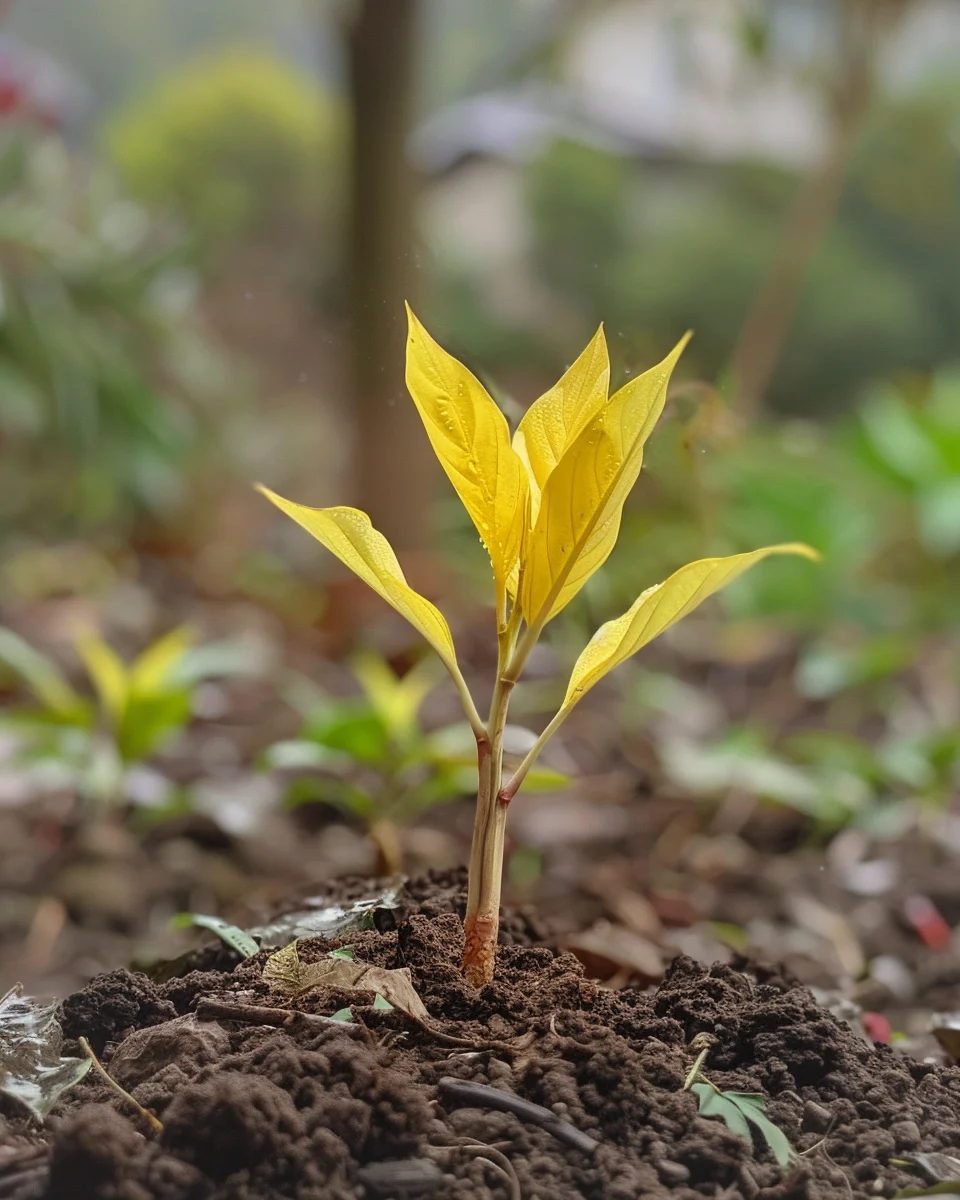
For warm climate regions (Zones 9-11), plant turmeric rhizomes directly in containers from February to April. In moderate temperate regions (Zones 7-8), start rhizomes indoors in pots during February-March and move containers outdoors after the last frost, typically April-May. For cooler regions (Zones 3-6), begin indoors in January-February under grow lights, then transition containers outdoors in late May to early June when nighttime temperatures consistently stay above 13°C (55°F). This schedule ensures your turmeric has sufficient time to develop before cooler fall temperatures arrive.
Best Turmeric varieties to grow in Pots
• Alleppey – Highly prized for its deep orange-yellow color and exceptional curcumin content, making it ideal for medicinal uses.
• Madras – Features bright yellow flesh with a balanced flavor profile, perfect for culinary applications.
• Hawaiian Red – Distinguished by its reddish-pink skin and vibrant yellow interior, offering a unique visual appeal and milder flavor.
• Lakadong – Known for containing the highest curcumin percentage (7-9%), making it the gold standard for health benefits.
• Black Turmeric (Curcuma caesia) – A rare variety with bluish-black rhizomes and distinctive camphor aroma, valued for specialized medicinal applications.
• White Mango – Features a lighter color and subtle mango-like aroma, excellent for container growing due to its compact growth habit.
How to plant Turmeric in Pots
Materials needed:
• Fresh turmeric rhizomes with visible growth buds
• Container (minimum 12 inches/30 cm deep and wide)
• High-quality potting mix
• Organic compost
• Perlite or coconut coir for drainage
• Watering can
• Liquid seaweed fertilizer (optional)
Step-by-step planting:
1. Select healthy rhizomes with 2-3 growth buds or “fingers” per piece.
2. Pre-sprout rhizomes by placing them in a shallow tray with damp paper towels for 1-2 weeks until buds begin to swell.
3. Prepare your container with drainage holes at the bottom and fill with a mixture of 60% potting soil, 30% compost, and 10% perlite or coconut coir.
4. Plant rhizomes horizontally 2 inches (5 cm) deep with buds facing upward.
5. Space multiple rhizomes 6-8 inches (15-20 cm) apart in larger containers.
6. Water thoroughly until moisture drains from the bottom of the pot.
7. Place the container in a warm location (21-27°C/70-80°F) with indirect light until sprouts emerge.
8. Apply a layer of mulch to retain moisture and suppress weeds.
How to grow Turmeric in Pots
Turmeric thrives in bright, indirect sunlight with 4-6 hours of filtered morning sun being ideal. Direct afternoon sun can scorch the leaves, especially in hot climates. Water consistently to maintain even soil moisture—never soggy but never completely dry. A good rule is to water when the top inch (2.5 cm) of soil feels dry. Feed monthly with a balanced organic liquid fertilizer (NPK 5-5-5) or compost tea during the growing season. Mulch with coconut coir or straw to retain moisture and regulate soil temperature. Container-grown turmeric benefits from higher humidity, so mist leaves regularly or place pots on humidity trays in dry climates. For optimal growth in containers, use pots at least 12-14 inches (30-35 cm) deep with good drainage, as rhizomes develop downward and outward. During hot summer periods, move containers to partially shaded locations to prevent heat stress.
Caring for Turmeric in Pots
Monitor soil moisture diligently, especially during summer months when containers can dry out quickly. Yellowing leaves often indicate overwatering, while curling leaves suggest underwatering. The main pests affecting potted turmeric include spider mites and aphids, which can be controlled with neem oil spray applied weekly until resolved. Rhizome rot is the primary disease concern, typically caused by overwatering—if detected, reduce watering immediately and ensure proper drainage. Harvest turmeric 8-10 months after planting when the leaves and stems begin to dry and turn yellow. To harvest, gently tip the container and remove the entire root system, selecting the largest rhizomes and replanting smaller pieces for continued growth. Store unwashed rhizomes in a cool, dry place for up to two weeks, or clean, dry, and freeze them for longer preservation.
Understanding bolting in Turmeric
Unlike many garden vegetables, turmeric doesn’t technically “bolt” in the traditional sense of premature flowering and seed production. However, turmeric does produce flowers, typically appearing 4-5 months after planting in ideal conditions. These flowers emerge from the center of the leaf cluster and don’t negatively impact rhizome development. Flowering is actually a sign of healthy growth rather than stress. If growing primarily for rhizome production, you can remove flower stalks to redirect energy to the underground portions, though this isn’t strictly necessary. Environmental stressors like extreme temperature fluctuations, drought, or nutrient deficiencies can reduce rhizome development, so maintain consistent growing conditions throughout the season for optimal yields.
Why does Turmeric turn bitter?
• Age of rhizomes – Older harvested rhizomes develop stronger, sometimes bitter compounds; harvest when plants begin yellowing but before complete die-back.
• Improper storage – Exposure to light and warm temperatures accelerates chemical changes that create bitter flavors; store in cool, dark conditions.
• Nutrient imbalance – Excessive nitrogen fertilization can cause bitterness; use balanced fertilizers and avoid over-feeding.
• Variety differences – Some turmeric varieties naturally contain higher levels of bitter compounds; Madras and Hawaiian varieties tend to be milder.
• Processing method – Boiling fresh turmeric before use can reduce bitterness by removing some of the more astringent compounds.
Companion planting for Turmeric in Pots
Turmeric grows harmoniously with ginger, as both plants share similar growing requirements and don’t compete aggressively for nutrients. Lemongrass makes an excellent companion, creating beneficial microclimates and potentially deterring some pests with its aromatic oils. Sweet potatoes can be grown in the same container, with their vines providing ground cover that helps retain soil moisture for turmeric. Marigolds repel nematodes that might otherwise damage turmeric rhizomes while adding visual appeal to container arrangements. Avoid planting turmeric with root vegetables like carrots or beets that compete directly for underground growing space. Also keep turmeric separate from plants in the nightshade family (tomatoes, peppers), as these can attract pests that may spread to your turmeric.
Seasonal calendar
• January-February: Purchase or prepare rhizomes for pre-sprouting in warm climates; start indoor containers in cold regions.
• March-April: Plant pre-sprouted rhizomes in containers; move indoor-started containers to protected outdoor locations in warm regions.
• May: Transition all containers outdoors in temperate regions; apply first fertilization.
• June-August: Regular watering and monthly feeding; provide afternoon shade in hot regions.
• September: Reduce fertilization; prepare to bring containers indoors in cold regions before first frost.
• October-November: Begin harvesting in warm regions as foliage yellows; continue growing indoors in cold regions.
• December: Complete harvest in most regions; store rhizomes or maintain some plants indoors for continued growth.
Problems & solutions
| Problem | Quick Fix |
|---|---|
| Yellowing leaves | Reduce watering frequency; check for proper drainage; move to more indirect light. |
| Slow growth/no sprouting | Increase ambient temperature to 21-27°C (70-80°F); check rhizome quality; ensure adequate humidity. |
| Leaf spots/brown edges | Improve air circulation; avoid overhead watering; apply neem oil for fungal issues. |
| Soft, mushy rhizomes | Immediately reduce watering; repot in fresh, well-draining medium; remove affected portions. |
| Spider mites (tiny webs) | Increase humidity; spray leaves with water; apply insecticidal soap weekly for three weeks. |
| Stunted growth | Apply balanced organic fertilizer; ensure pot is large enough; check for root binding. |
Common questions about growing Turmeric in Pots
How often should I water my potted turmeric?
Water when the top inch (2.5 cm) of soil feels dry, typically every 2-3 days in summer and once weekly in winter, adjusting for your climate and container size.
What size container is best for growing turmeric?
Use containers at least 12 inches (30 cm) deep and wide, with a minimum capacity of 5 gallons (19 liters) to accommodate rhizome spread and provide adequate root space.
Can I grow turmeric indoors year-round?
Yes, turmeric can thrive indoors with 6-8 hours of bright, indirect light or under grow lights, consistent temperatures of 20-30°C (68-86°F), and humidity levels above 50%.
How many turmeric plants can I grow in one container?
For a 12-inch (30 cm) container, plant 1-2 rhizomes; for larger 18-24 inch (45-60 cm) containers, you can space 3-5 rhizomes about 6-8 inches (15-20 cm) apart.
When is the best time to harvest container-grown turmeric?
Harvest 8-10 months after planting when the leaves and stems begin to yellow and dry, typically after flowering has finished and before complete die-back.
Can I harvest turmeric without killing the plant?
Yes, you can practice partial harvesting by carefully digging around the edges of the container to remove mature outer rhizomes while leaving the central growth intact for continued production.
How do I prepare harvested turmeric for use?
Clean harvested rhizomes gently under running water, use fresh immediately, or boil for 45 minutes, dry thoroughly, and grind into powder for longer storage.