

How to Grow Zucchini in a Pot and Harvest in Just 30 Days: Complete Guide for Quick Yields
Intro for Growing Zucchini in a Pot and Harvest in Just 30 Days
Growing zucchini in containers is a game-changer for gardeners with limited space. These prolific summer squash plants can thrive in pots and produce impressive harvests in as little as 30 days with the right varieties and growing conditions. Container-grown zucchini offers several advantages: easier pest management, controlled soil conditions, and the ability to position plants for optimal sunlight. Whether you have a small balcony, patio, or simply want to keep your garden organized, pot-grown zucchini delivers fresh, nutritious vegetables throughout the growing season. With proper care, a single zucchini plant in a container can yield dozens of squash, making it one of the most rewarding vegetables for space-conscious gardeners.
When to plant Zucchini in a Pot
Zucchini is a warm-season crop that requires soil temperatures of at least 15-18°C (60-65°F) to germinate properly. In most temperate regions, zucchini should be planted after all danger of frost has passed. The plants are extremely frost-sensitive and cold soil will significantly delay germination and growth. For accelerated 30-day harvests, it’s essential to wait until soil temperatures are consistently warm, typically 2-3 weeks after the last spring frost date. In Mediterranean or subtropical climates, you can plant earlier, sometimes as soon as late winter, while northern gardeners should wait until late spring when nighttime temperatures remain above 10°C (50°F).
Best time to plant Zucchini in a Pot
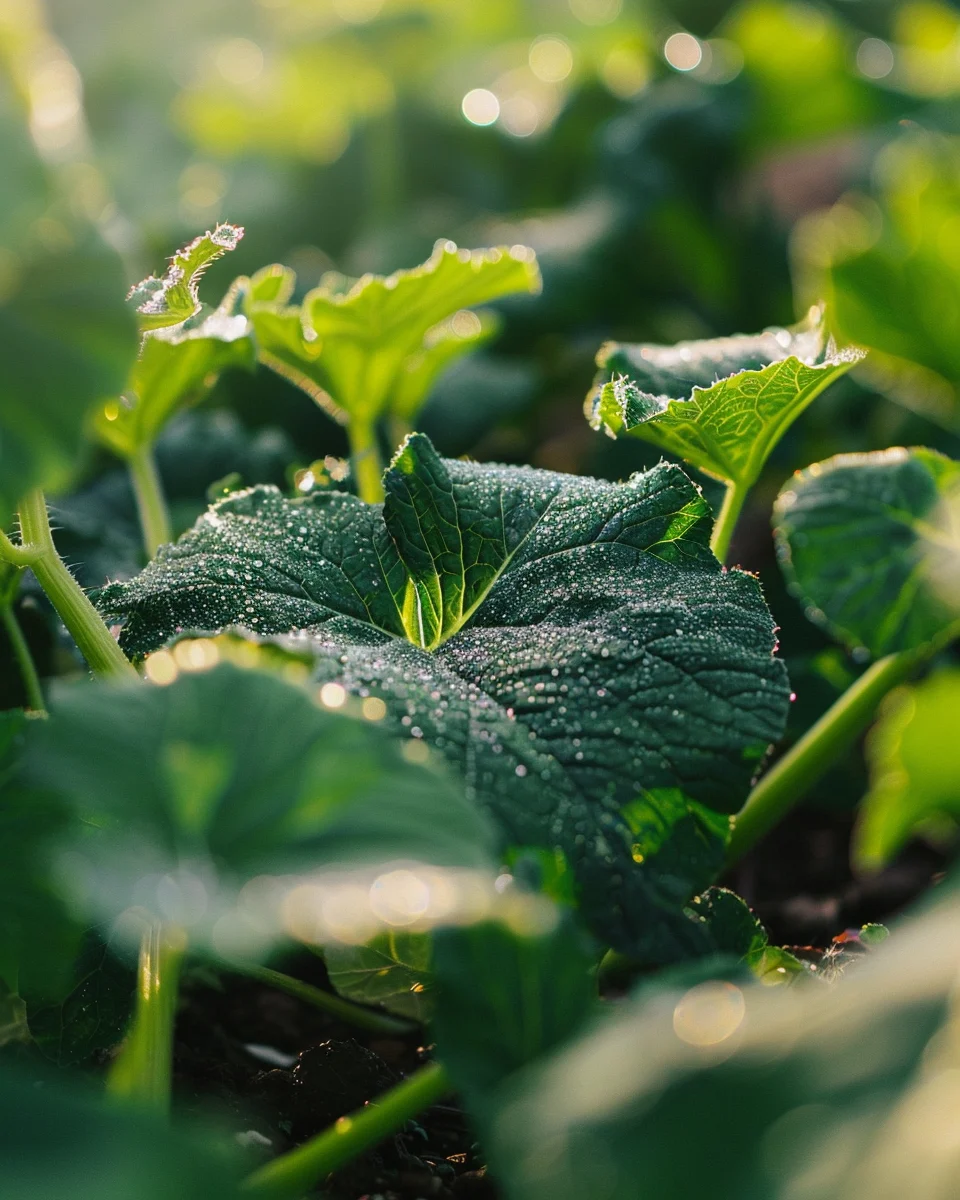
For most temperate regions, the optimal planting window for container zucchini is mid-to-late spring (May to early June). In warmer zones (USDA 8-10 or UK mild temperate), you can start as early as April. For cooler regions (USDA 3-6), wait until late May or early June. To achieve the 30-day harvest timeline, start seeds indoors 2-3 weeks before your outdoor planting date, maintaining temperatures of 21-24°C (70-75°F) for germination. Transplant seedlings when they have 2-3 true leaves. For a continuous harvest, stagger plantings every 2-3 weeks until mid-summer. Fall crops can be started 8-10 weeks before the first expected frost in warmer regions.
Best Zucchini varieties to grow in containers
- Astia – Specifically bred for container growing with compact, bushy habit and early yields in just 30-35 days.
- Patio Star – Ultra-compact variety (45cm/18in spread) perfect for small pots with high productivity and resistance to powdery mildew.
- Eight Ball – Produces round zucchini on space-saving plants, ready to harvest in as little as 35 days.
- Buckingham – Yellow zucchini variety with compact growth habit and excellent disease resistance.
- Bush Baby – Mini zucchini variety producing 10cm (4in) fruits on compact plants, ideal for small containers.
- Midnight – Dark-skinned variety with exceptional flavor and compact growth, producing harvestable fruits in 30-40 days.
- Gold Rush – Bright yellow fruits on semi-compact plants, offering visual contrast and ready in about 35 days.
How to plant Zucchini in a Pot
Materials needed:
- Container (minimum 40-50cm/16-20in diameter, 30cm/12in deep)
- High-quality potting mix with compost
- Zucchini seeds or seedlings
- Slow-release organic fertilizer
- Watering can or hose with gentle spray
- Trellis or support (for vining varieties)
Step-by-step planting:
- Select a container with adequate drainage holes; add a layer of gravel at the bottom if drainage is a concern.
- Fill the container with high-quality potting mix enriched with 25% compost, leaving 5cm (2in) of space at the top.
- Mix in 2-3 tablespoons of slow-release organic fertilizer to the top 15cm (6in) of soil.
- For direct seeding, plant 2-3 seeds in the center of the pot, 2.5cm (1in) deep.
- For transplants, dig a hole slightly larger than the root ball and plant at the same depth as the original container.
- Water thoroughly until moisture comes out of the drainage holes.
- If direct seeding, thin to the strongest seedling when plants reach 10cm (4in) tall.
- Place the container in a location that receives at least 6-8 hours of direct sunlight daily.
- Install any supports or trellises at planting time to avoid root damage later.
How to grow Zucchini in a Pot
Container-grown zucchini requires full sun exposure—at least 6-8 hours daily for the 30-day harvest timeline. Position pots where they receive morning sun and some afternoon shade in very hot climates. Water consistently to maintain even soil moisture, typically every 1-2 days during hot weather, ensuring the top inch of soil never completely dries out. Apply a balanced liquid fertilizer (such as 5-5-5) every two weeks, or use a slow-release fertilizer monthly. Mulch the soil surface with a thin layer of compost to retain moisture and suppress weeds. For bush varieties, no pruning is typically needed, but remove any yellowing lower leaves. For semi-vining types, provide a small trellis or cage for support. Container-specific considerations include using lighter-colored pots to prevent root overheating and elevating containers slightly to ensure proper drainage.
Caring for Zucchini in a Pot
Monitor container zucchini daily during hot weather, as pots can dry out quickly. Hand-pollinate flowers by transferring pollen from male flowers (thin stems) to female flowers (with tiny fruits behind them) using a small brush during early morning hours to maximize fruit set. Watch for powdery mildew, which appears as white powder on leaves; prevent by avoiding overhead watering and treat with a baking soda spray (1 tablespoon in 1 gallon of water with a few drops of dish soap). Squash vine borers can be deterred by wrapping the main stem with aluminum foil at soil level. Aphids can be controlled with insecticidal soap or a strong water spray. Harvest zucchini when they reach 15-20cm (6-8in) long for standard varieties or 10cm (4in) for baby varieties—typically 4-7 days after flowering. Regular harvesting encourages continued production. Fresh zucchini stores best in the refrigerator crisper drawer for up to one week.
Understanding bolting in Zucchini
Unlike leafy greens, zucchini doesn’t technically bolt in the traditional sense of prematurely producing flowers and seeds. However, zucchini plants can experience accelerated flowering without fruit set under stress conditions. This stress response is typically triggered by extreme temperature fluctuations, drought, or nutrient deficiencies. When temperatures exceed 35°C (95°F) for extended periods, pollen can become sterile, resulting in flowers that drop without producing fruit. To prevent this issue, maintain consistent watering, provide afternoon shade during heatwaves, and ensure adequate nutrition. If your plant is flowering but not setting fruit, try hand-pollinating in the early morning when temperatures are cooler and pollen is most viable. Adding a balanced fertilizer slightly higher in phosphorus can also help improve fruit set during stress periods.
Why does Zucchini turn bitter?
- Cucurbitacins buildup – Natural compounds that increase with plant stress; maintain consistent watering and optimal growing conditions.
- Heat stress – Extended periods above 32°C (90°F) can cause bitterness; provide afternoon shade and increase watering frequency.
- Irregular watering – Drought followed by overwatering triggers bitter compound production; maintain even soil moisture.
- Overmature fruits – Zucchini left too long on the plant develop more bitter compounds; harvest when young (15-20cm/6-8in).
- Cross-pollination with wild gourds – Rare in container gardens but possible in open settings; isolate from ornamental or wild cucurbits.
Companion planting for Zucchini in Pots
When growing zucchini in containers, you can maximize space and improve plant health by adding compatible companion plants. Nasturtiums attract pollinators and deter aphids and squash bugs when planted around the container’s edge. Marigolds repel nematodes and other soil pests while adding color. Herbs like dill and mint attract beneficial predatory insects that control common zucchini pests. Radishes can be planted in the same container early in the season and harvested before zucchini needs the space. Avoid planting zucchini containers near potato pots, as they compete for nutrients and can increase disease susceptibility. Similarly, keep zucchini separate from cucumber containers to prevent cross-pest issues and competition for pollinators.
Seasonal calendar
- February-March: Start seeds indoors in warm regions; prepare containers and soil mix.
- April: Start seeds indoors in cooler regions; transplant early seedlings in warm regions.
- May: Direct sow or transplant seedlings in most temperate regions when soil warms.
- June: Continue succession planting; apply first fertilizer treatment; begin harvesting early varieties.
- July-August: Peak harvest season; monitor for pests and diseases; provide extra water during heat waves.
- September: Final succession planting in warm regions; continue harvesting; begin preparing for season end in northern areas.
- October: Harvest final fruits; clean up plants in cooler regions; start fall crops in warm zones.
- November-January: Garden planning and seed ordering for next season.
Problems & solutions
| Problem | Quick Fix |
|---|---|
| Flowers dropping without forming fruit | Hand-pollinate in early morning; ensure temperatures aren’t exceeding 35°C (95°F). |
| Yellowing leaves | Check for overwatering; ensure container has proper drainage; apply balanced fertilizer. |
| Powdery white spots on leaves | Spray with 1:9 milk-to-water solution or neem oil; improve air circulation; avoid wetting leaves. |
| Stunted growth | Verify container size is adequate (minimum 40cm/16in); check for root binding; fertilize with balanced nutrient solution. |
| Fruits rotting at blossom end | Maintain consistent watering; add calcium supplement (crushed eggshells or calcium spray). |
| Curling or distorted leaves | Check undersides for aphids; spray with insecticidal soap; introduce ladybugs as natural predators. |
| Small, underdeveloped fruits | Ensure adequate pollination; thin to fewer fruits per plant; increase phosphorus in fertilizer regimen. |
Common questions about growing Zucchini in a Pot
Q: How large should my container be for growing zucchini?
A: Use a container at least 40-50cm (16-20in) in diameter and 30cm (12in) deep with good drainage. Each zucchini plant needs approximately 20-25 liters (5-7 gallons) of soil volume.
Q: How often should I water container zucchini?
A: Check moisture daily, especially during hot weather. Generally, container zucchini needs watering every 1-2 days when the top 2.5cm (1in) of soil feels dry. Water deeply until it flows from drainage holes.
Q: Can I grow multiple zucchini plants in one container?
A: For the 30-day harvest timeline, stick to one plant per container. Multiple plants compete for nutrients and can reduce yields and increase disease risk. If using a very large container (60cm/24in+), you might grow two plants.
Q: How do I know when to harvest my container-grown zucchini?
A: Harvest standard varieties when fruits reach 15-20cm (6-8in) long and still have glossy skin. Baby varieties should be harvested at 10cm (4in). For the sweetest flavor, harvest in the morning and pick regularly to encourage more production.
Q: Why are my zucchini plants flowering but not producing fruit?
A: This is typically a pollination issue. Container plants may have fewer visiting pollinators. Hand-pollinate by transferring pollen from male flowers (thin stems) to female flowers (with tiny fruit behind them) using a small brush or cotton swab in the early morning.
Q: Can I grow zucchini in partial shade?
A: While zucchini prefers full sun (6-8 hours daily), it can tolerate partial shade with 4-6 hours of direct sunlight. However, for the accelerated 30-day harvest timeline, full sun is essential. In very hot climates, afternoon shade can actually be beneficial.
Q: How can I maximize yields from my container zucchini?
A: Choose bush varieties bred for containers, ensure consistent watering and feeding, hand-pollinate flowers, harvest regularly (every 1-2 days), provide at least 6 hours of direct sunlight, and maintain temperatures between 21-29°C (70-85°F) for optimal growth and fruit development.