

How to Grow Pounds of Potatoes in a Single Pot: When to Plant, Best Varieties & Care Guide
Intro for Growing Potatoes in a Single Pot
Potatoes are one of the most versatile and rewarding vegetables to grow at home, and contrary to popular belief, you don’t need a large garden to harvest an impressive yield. With just one pot and minimal space, you can grow several pounds of delicious, homegrown potatoes. This space-saving method is perfect for urban gardeners, balcony growers, or anyone with limited garden space. Container-grown potatoes are also less susceptible to soil-borne diseases and pests, making them easier to manage than in-ground plantings. The technique involves layering soil as the plants grow, encouraging multiple layers of tubers to form and maximizing your harvest from a single container.
When to plant Potatoes in Containers
Potatoes are cool-season crops that grow best when soil temperatures reach 7-13°C (45-55°F). In most temperate regions, this means planting in early to mid-spring, about 2-3 weeks before your last expected frost date. The soil in containers warms faster than garden soil, giving container-grown potatoes a slight head start. However, be prepared to protect your potato pot if late frosts threaten, as emerging foliage is susceptible to frost damage. In warmer regions (US Zones 8-10), you can also plant a fall crop in late summer for a winter harvest, as containers provide better temperature control than garden beds.
Best time to plant Potatoes in Containers
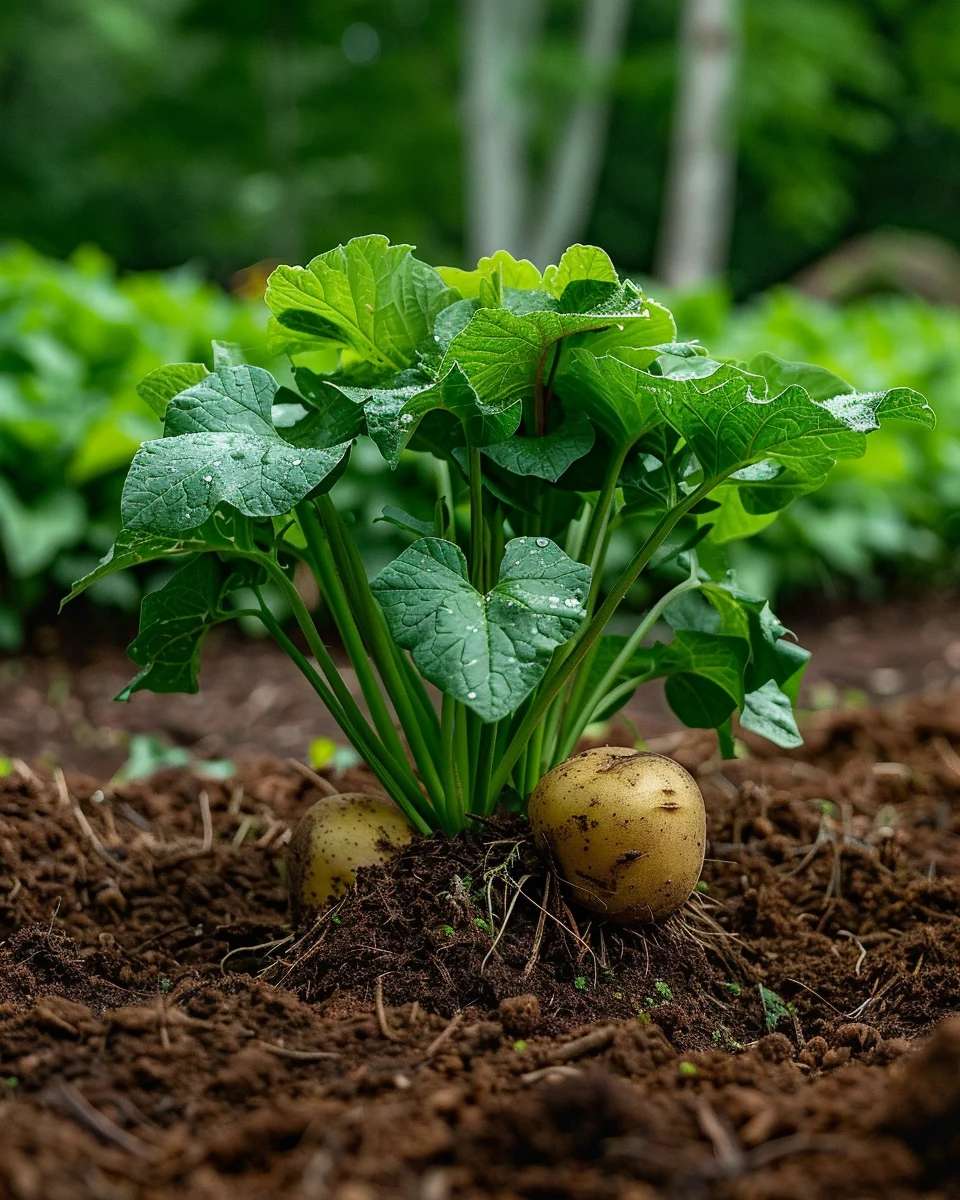
For cool temperate regions (UK, Northern US, Canada), plant seed potatoes in containers from mid-March to early May. In warmer climates (US Zones 7-9), February to April is ideal for spring planting, with a second opportunity in August to September for a fall crop. Mediterranean climates can plant as early as January or February. Unlike garden-grown potatoes, container potatoes are always direct-planted using seed potatoes or potato pieces with eyes—never from transplants. The beauty of container growing is the flexibility to start slightly earlier than in-ground planting, as you can move pots to protected areas during cold snaps.
Best Potato varieties to grow in Containers
• ‘Charlotte’ – A popular salad potato with excellent flavor that matures quickly and produces well in containers.
• ‘Red Duke of York’ – An early variety with red skin and yellow flesh that’s perfect for container growing with high yields.
• ‘Yukon Gold’ – Medium-sized, versatile potatoes with buttery yellow flesh that perform exceptionally well in deep containers.
• ‘Maris Peer’ – A second early variety that’s compact and produces numerous small to medium tubers, ideal for maximizing container space.
• ‘Swift’ – Ultra-early maturing variety ready in just 8-10 weeks, perfect for impatient gardeners.
• ‘Jazzy’ – A newer variety bred specifically for container growing, producing up to 20 small potatoes per seed potato.
• ‘Blue Annelise’ – Stunning purple-blue potatoes that add visual interest and contain beneficial antioxidants.
How to plant Potatoes in a Container
Materials list:
– One large container (minimum 40-50 cm/16-20 inches deep and wide)
– Seed potatoes (about 3-5 for a standard pot)
– High-quality potting mix (not garden soil)
– Compost or well-rotted manure
– Slow-release organic fertilizer
– Drainage material (broken pottery, gravel)
Step-by-step:
1. Prepare your seed potatoes by allowing them to sprout (chit) in a cool, light place for 1-2 weeks until sprouts are 1-2 cm (0.5-1 inch) long.
2. If using larger seed potatoes, cut them into pieces with at least 2-3 “eyes” (sprouts) per piece and allow cut surfaces to dry for 24 hours.
3. Ensure your container has adequate drainage holes in the bottom.
4. Add a 5 cm (2 inch) layer of drainage material to the bottom of your container.
5. Fill the container about one-third full with a mixture of potting soil and compost, enriched with a handful of organic fertilizer.
6. Place seed potatoes on the soil surface, sprouts facing upward, spacing them evenly about 15 cm (6 inches) apart and 10 cm (4 inches) from the container edge.
7. Cover with another 10-15 cm (4-6 inches) of your soil mixture.
8. Water thoroughly until moisture drains from the bottom holes.
9. Place the container in a sunny location that receives at least 6 hours of direct sunlight daily.
How to grow Potatoes in a Single Pot
Potatoes in containers require full sun—at least 6-8 hours of direct sunlight daily for optimal growth. Water consistently to maintain even moisture, typically every 2-3 days during warm weather, ensuring the soil never completely dries out but isn’t waterlogged. The key to success with container potatoes is the “hilling” process: when plants reach about 15 cm (6 inches) tall, add more soil mixture around the stems, leaving the top few leaves exposed. Continue this process every few weeks as plants grow, eventually filling your container to about 5 cm (2 inches) from the top. This encourages potatoes to form at multiple levels. Feed with a balanced liquid fertilizer every 2-3 weeks after plants are established, switching to a lower-nitrogen, higher-potassium formula once flowering begins. For container growing, no thinning is needed, but you may need to support taller plants with stakes if they become top-heavy.
Caring for Potatoes in Containers
Monitor soil moisture carefully—container potatoes need more frequent watering than garden-grown ones, especially during hot weather. Common pests include aphids and Colorado potato beetles; inspect regularly and remove by hand or spray with insecticidal soap. Watch for signs of blight (dark spots on leaves that spread quickly), and remove affected foliage immediately. For organic control of fungal issues, spray with a copper-based fungicide at the first sign of disease. Harvest time depends on the variety: early potatoes are ready about 10-12 weeks after planting when plants flower; for main crop varieties, wait until foliage yellows and dies back naturally. To harvest from a container, simply tip it over onto a tarp and collect your potatoes. Store unwashed potatoes in a cool, dark place with good ventilation, and use any damaged tubers promptly as they won’t store well.
Understanding bolting in Potatoes
Unlike leafy greens, potatoes don’t technically “bolt” in the traditional sense of premature flowering and seed production. However, they do flower as part of their natural growth cycle, which is not detrimental to tuber production. The equivalent concern with potatoes is premature tuber formation, which can happen when plants experience stress from inconsistent watering or extreme temperature fluctuations. To prevent stress-related issues, maintain even soil moisture and protect containers from extreme heat by placing them in partial shade during the hottest part of the day in summer. If your potato plants flower early, don’t worry—this is normal and doesn’t negatively impact your harvest. In fact, flowering often indicates that tubers are beginning to form below ground.
Why does Potato growth stall in containers?
• Insufficient container depth: Potatoes need at least 40 cm (16 inches) of soil depth to form multiple layers of tubers.
• Inadequate nutrition: Container-grown potatoes deplete nutrients quickly; feed regularly with potato-specific fertilizer.
• Improper watering: Both underwatering and overwatering stress plants and limit tuber development.
• Temperature extremes: Containers can overheat in summer sun, cooking roots and reducing yields; move to partial shade during heat waves.
• Overcrowding: Too many seed potatoes in one container compete for resources and reduce individual yields.
Companion planting for Container Potatoes
Good companions for potatoes in nearby containers include herbs like basil and marigolds, which repel potato beetles with their strong scent. Nasturtiums attract aphids away from your potato plants while adding edible flowers to your garden. Herbs like thyme and sage can be planted around the edges of potato containers to maximize space and deter pests. Avoid planting tomatoes, peppers, or eggplants near your potato containers, as these related nightshade family members can transmit diseases between them. Also keep fennel away, as it inhibits growth of many vegetables including potatoes.
Seasonal calendar
• January-February: Purchase and begin chitting seed potatoes indoors (earlier in warmer regions).
• March-April: Plant chitted potatoes in containers in most temperate regions.
• April-June: Continue adding soil as plants grow; water and fertilize regularly.
• May-July: Monitor for pests and diseases; early varieties may be ready for harvest.
• July-September: Harvest early and mid-season varieties when foliage begins to yellow.
• August-October: Harvest main crop varieties after foliage dies back completely.
• September-October: In warm regions, plant fall crop for winter harvest.
• November-December: Clean containers and prepare for next season; store harvested potatoes.
Problems & solutions
Problem | Quick Fix
— | —
Yellowing lower leaves | Normal as plant matures; remove if unsightly
Leggy, stretched growth | Insufficient light; move to sunnier location
Small harvest | Add more soil layers during growth; use deeper container next time
Green potatoes | Insufficient soil coverage; add more soil and keep tubers buried
Soft, rotting tubers | Overwatering; improve drainage and reduce watering frequency
Scabby potato skin | Too dry during tuber formation; maintain consistent moisture
Curling leaves with black spots | Blight; remove affected foliage immediately and spray with copper fungicide
Common questions about growing Potatoes in Containers
Q: How often should I water my container potatoes?
A: Check soil moisture every 1-2 days, watering when the top inch feels dry. Containers typically need watering 2-3 times weekly during warm weather, possibly daily during hot spells.
Q: Can I reuse the soil from my potato container next year?
A: It’s best to use fresh soil each year to prevent disease buildup, but you can compost the old soil or use it in ornamental gardens where you won’t grow potatoes or related plants for several years.
Q: How many potatoes can I expect from one container?
A: A properly managed 40-50 cm (16-20 inch) container can yield 2-5 kg (4-10 pounds) of potatoes, depending on variety and growing conditions.
Q: When exactly should I harvest my container potatoes?
A: Early varieties can be harvested when plants flower (about 10 weeks after planting) for small “new” potatoes, or wait until foliage yellows for mature tubers. Main crop varieties should be harvested 2-3 weeks after foliage dies back completely.
Q: Can I grow potatoes in fabric grow bags instead of rigid containers?
A: Yes, fabric grow bags work excellently for potatoes, often providing better aeration and preventing overwatering, though they may require more frequent watering in hot weather.
Q: Do container-grown potatoes need different care than garden-grown ones?
A: Container potatoes need more frequent watering, regular feeding, and careful temperature management, but are less susceptible to soil-borne diseases and easier to harvest.
Q: Can I grow potatoes in a container indoors or on a partially shaded balcony?
A: Potatoes need at least 6 hours of direct sunlight daily to produce well. They can grow with slightly less light, but yields will be significantly reduced; artificial grow lights can supplement natural light if necessary.