

How to Grow Tons of Strawberries in Plastic Grow Bags: Space-Saving Method for Abundant Harvests
Intro for How to Grow Tons of Strawberries in Plastic Grow Bags
Growing strawberries in plastic grow bags is a game-changer for gardeners with limited space. This innovative method allows you to produce abundant harvests of sweet, juicy berries without requiring a traditional garden bed. Plastic grow bags offer excellent drainage, prevent soil-borne diseases, and can be positioned anywhere that receives adequate sunlight. They’re perfect for patios, balconies, and small yards, making fresh strawberries accessible to almost anyone. The vertical growing technique maximizes your growing area while keeping fruits elevated away from soil, reducing rot and pest issues. With proper care, a single grow bag system can yield pounds of delicious strawberries throughout the growing season.
When to plant How to Grow Tons of Strawberries in Plastic Grow Bags
Strawberries in grow bags can be planted whenever the danger of hard frost has passed in your region. In most temperate climates, this means early spring when soil temperatures reach at least 10°C (50°F). For warmer regions (Zones 8-10), fall planting is also possible, allowing plants to establish before the following spring’s fruiting season. If you’re using dormant bare-root plants, they’re best planted in early spring as soon as the soil can be worked. Potted strawberry plants can be transferred to grow bags throughout the growing season, though avoiding the hottest summer months is advisable to reduce transplant shock.
Best time to plant How to Grow Tons of Strawberries in Plastic Grow Bags
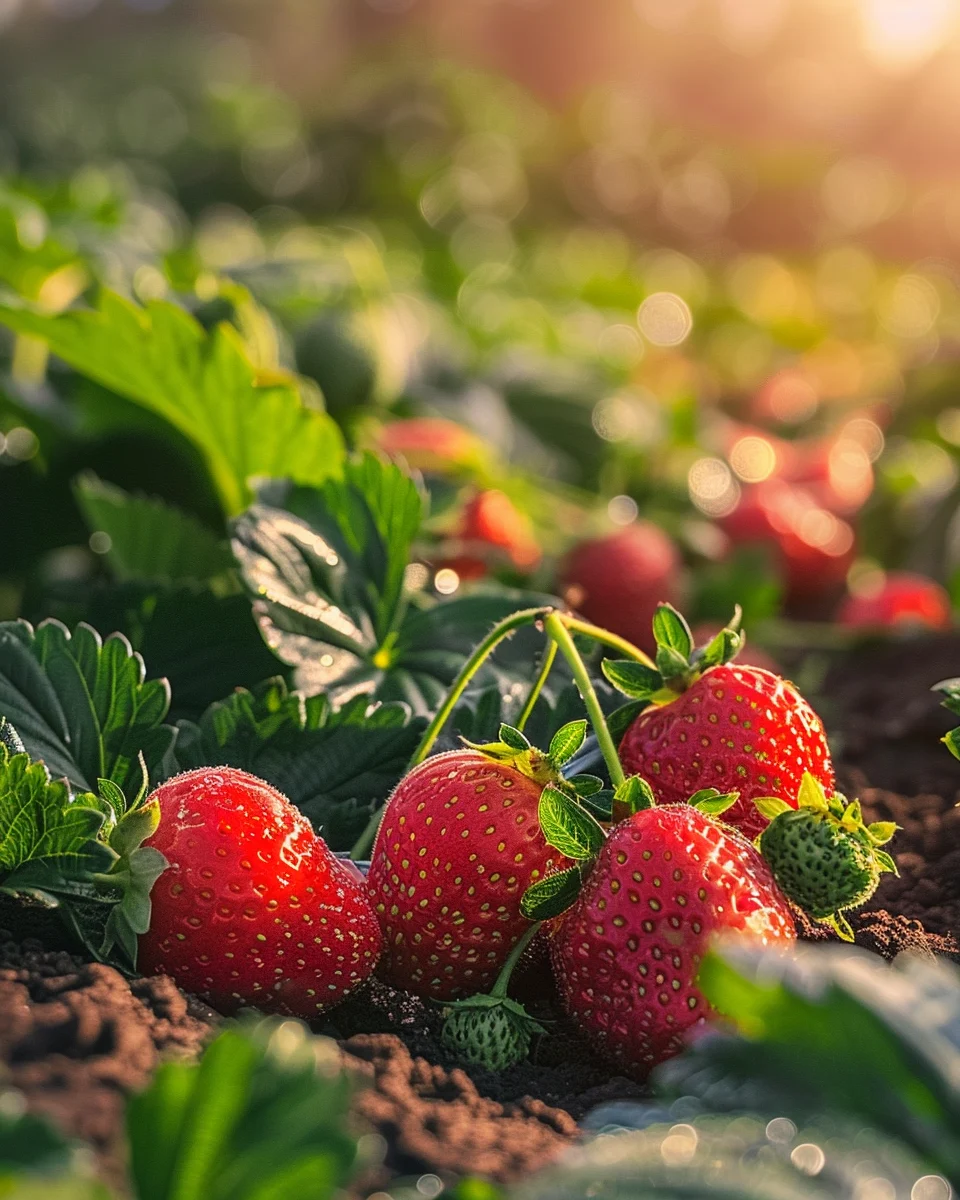
For cool-temperate regions (Zones 3-6), plant strawberries in grow bags from mid-April to early May after the last frost date. In moderate climates (Zones 7-8), mid-March to April is ideal. Warm-climate gardeners (Zones 9-10) can plant in September through November for spring harvests. If using transplants rather than bare-root plants, you can extend these windows by 2-3 weeks. Morning planting is preferable in all regions, giving plants time to settle before exposure to afternoon heat. For indoor starts destined for outdoor grow bags, begin seeds 6-8 weeks before your intended transplant date.
Best How to Grow Tons of Strawberries in Plastic Grow Bags varieties to grow
- Albion – Day-neutral variety that produces consistently throughout the season, perfect for extended harvests from grow bags.
- Seascape – Excellent disease resistance and high yields, adapts well to container growing with sweet, large berries.
- Ozark Beauty – Everbearing variety that produces two main crops and is known for exceptional flavor in limited spaces.
- Tristar – Compact day-neutral plant ideal for grow bags with excellent disease resistance and steady production.
- Mara des Bois – Gourmet French variety with intense wild strawberry flavor that performs exceptionally well in containers.
- Quinault – Self-pollinating everbearing variety that produces large, sweet berries and adapts well to grow bag cultivation.
- Alpine Yellow Wonder – Compact plants producing small, aromatic yellow fruits that won’t stain and are less attractive to birds.
How to plant How to Grow Tons of Strawberries in Plastic Grow Bags
Materials needed:
- Plastic grow bags (20-40 liter capacity with drainage holes)
- High-quality potting mix with added compost
- Slow-release fertilizer (balanced NPK)
- Strawberry plants or runners
- Garden scissors or knife
- Watering can with gentle spray
- Support structure (optional for vertical systems)
Step-by-step planting:
- Prepare your grow bags by ensuring they have adequate drainage holes (add more if needed, 4-6 holes per bag).
- Fill bags with potting mix to about 2 inches (5 cm) below the rim, incorporating slow-release fertilizer according to package instructions.
- For horizontal bags, cut 3-4 inch (7-10 cm) X-shaped slits in the sides, spaced 8 inches (20 cm) apart in a staggered pattern.
- For vertical hanging bags, cut similar slits around the circumference, working from bottom to top with 8-inch spacing.
- Gently remove strawberry plants from their containers, keeping root balls intact.
- For side plantings, carefully push roots through the X-cuts, ensuring the crown sits at the opening.
- Plant additional strawberries in the top of the bag, spacing them 8-10 inches (20-25 cm) apart with crowns at soil level.
- Water thoroughly until moisture drains from the bottom holes.
- Position bags in their final location, ensuring they receive at least 6 hours of sunlight daily.
- For vertical systems, secure to support structures to prevent tipping as plants grow and fruit.
How to grow How to Grow Tons of Strawberries in Plastic Grow Bags
Strawberries in grow bags require full sun, ideally 6-8 hours daily. Position bags where they receive morning sun with some afternoon shade in hotter regions. Water consistently to keep the soil moist but not soggy, typically every 1-2 days during growing season, and daily during hot weather or fruiting periods. Because grow bags dry out faster than ground soil, check moisture levels by inserting your finger 1 inch into the soil – if it feels dry, water thoroughly.
Feed plants with liquid fertilizer diluted to half-strength every 2-3 weeks during the growing season, switching to a higher potassium formula when flowering begins. Mulch the top surface with straw to retain moisture and keep fruits clean. Remove runners during the first year to focus energy on fruit production rather than plant expansion. In vertical systems, periodically rotate bags to ensure even sun exposure for all plants. For winter protection in colder regions, move bags to a sheltered location or wrap with burlap while maintaining drainage.
Caring for How to Grow Tons of Strawberries in Plastic Grow Bags
Regular maintenance includes removing yellowing leaves, spent flowers, and damaged fruits. Check plants weekly for signs of pests like aphids or spider mites, which can be controlled with insecticidal soap sprays. Watch for gray mold (Botrytis), which appears as fuzzy gray growth on fruits during humid conditions – improve air circulation and avoid overhead watering to prevent this. Strawberry root weevils may attack plants; apply beneficial nematodes to the soil as an organic control.
Harvest berries when they’re fully colored and slightly soft to touch, typically 30 days after flowering. Pick in the morning when flavors are most concentrated, and harvest every 2-3 days during peak season. Gently pull fruits with a small portion of stem attached to extend shelf life. Fresh strawberries store best in the refrigerator, unwashed, in a single layer on paper towels for up to 5 days. Replace the growing medium in bags every two years to maintain fertility and prevent disease buildup.
Understanding bolting in How to Grow Tons of Strawberries in Plastic Grow Bags
Unlike leafy vegetables, strawberries don’t technically bolt, but they do undergo seasonal growth changes that affect fruit production. Strawberries naturally produce runners (stolons) when days lengthen and temperatures rise, which can divert energy from fruit production. This runner production is often confused with bolting. The triggers include long daylight hours, temperatures consistently above 26°C (80°F), and plant stress from irregular watering or poor nutrition.
To prevent excessive runner production, maintain consistent moisture in grow bags, provide afternoon shade during heat waves, and remove runners promptly unless you’re propagating new plants. If your strawberry plants are producing many runners but few fruits, pinch off the runners, ensure adequate potassium in your fertilizing regimen, and consider switching to day-neutral varieties that are less sensitive to daylight length for continuous fruiting.
Why does How to Grow Tons of Strawberries in Plastic Grow Bags turn bitter?
- Insufficient pollination – Ensure grow bags are accessible to pollinators or hand-pollinate flowers with a small brush in enclosed spaces.
- Inconsistent watering – Maintain even soil moisture; drought stress followed by heavy watering can cause bitterness and split fruits.
- Nutrient imbalance – Excessive nitrogen produces lush foliage but bitter fruits; switch to a bloom-booster fertilizer higher in potassium during fruiting.
- Harvesting too early – Allow berries to fully ripen on the plant; underripe strawberries contain more acids and less sugar.
- Heat stress – Extreme temperatures can affect flavor development; provide afternoon shade when temperatures exceed 30°C (86°F).
Companion planting for How to Grow Tons of Strawberries in Plastic Grow Bags
While grow bags create somewhat isolated growing environments, companion planting can still be beneficial when multiple plants share a bag or when bags are grouped together:
- Borage – Attracts pollinators and is said to improve strawberry flavor when planted nearby.
- Thyme – Repels worms and beetles that might damage strawberry plants while taking minimal space in the grow bag.
- Chives – Deters aphids and improves flavor; can be planted around the edges of strawberry bags.
- Spinach – Makes good use of space in early spring before strawberry plants expand fully.
- French Marigolds – Planted in separate containers near strawberry bags, they repel nematodes and other soil pests.
Avoid placing strawberry grow bags near:
- Brassicas (cabbage, broccoli) – Compete for nutrients and can inhibit strawberry growth.
- Fennel – Releases compounds that can inhibit growth of nearby plants.
- Mint – Can quickly overtake strawberries if planted in the same container.
Seasonal calendar
- January-February: Plan your grow bag system; order plants or seeds for spring planting; clean and prepare existing bags for new season.
- March: In warm regions, begin planting; in cooler areas, prepare growing medium and bags.
- April: Main planting month in most temperate regions; apply initial fertilizer; set up irrigation systems.
- May: Continue planting in cooler regions; pinch early flowers on newly planted strawberries to encourage root development.
- June-July: Main harvest period for June-bearing varieties; regular watering and feeding; remove runners unless propagating.
- August: Continued harvesting of everbearing and day-neutral varieties; replace nutrients with compost tea or liquid fertilizer.
- September-October: Fall planting in warm regions; reduce fertilizer in cooler regions to prepare for dormancy.
- November-December: Protect grow bags from freezing in cold regions; reduce watering; plan for next season.
Note: In Zones 9-10, the growing season extends year-round with peak production in spring; in Zones 3-4, protect bags during winter or bring to sheltered locations.
Problems & solutions
| Problem | Quick Fix |
|---|---|
| Yellowing leaves | Check for overwatering; ensure proper drainage; apply balanced liquid fertilizer. |
| Small, deformed fruits | Improve pollination with hand-pollination; ensure adequate potassium; check for mites. |
| Fruits rotting before ripening | Improve air circulation; use straw mulch to keep fruits off soil; harvest promptly when ripe. |
| White powdery coating on leaves | Treat powdery mildew with neem oil or baking soda spray; improve air circulation. |
| Plants wilting despite watering | Check for root rot; ensure drainage is adequate; inspect for crown damage. |
| Excessive runners, few fruits | Remove runners; increase sunlight exposure; apply bloom-booster fertilizer. |
| Grow bag bulging or splitting | Reinforce with duct tape temporarily; plan to transfer to new bags at season end. |
Common questions about growing How to Grow Tons of Strawberries in Plastic Grow Bags
Q: How often should I water strawberries in grow bags?
A: Check moisture daily, especially during hot weather. Typically, water every 1-2 days during growing season, ensuring water drains freely from the bottom. Grow bags dry out faster than ground soil, so consistent monitoring is essential.
Q: How many strawberry plants can I fit in one grow bag?
A: For a standard 40-liter grow bag, plant 3-5 strawberries in the top and 8-12 in side openings, depending on the bag’s size. Maintain 8-10 inches (20-25 cm) between plants to prevent overcrowding and disease.
Q: Do strawberries in grow bags need full sun?
A: Yes, strawberries require at least 6 hours of direct sunlight daily for optimal fruit production. In very hot climates, providing afternoon shade can prevent heat stress while still ensuring adequate light.
Q: How long do strawberry plants in grow bags produce?
A: With proper care, strawberry plants in grow bags remain productive for 2-3 years. June-bearing varieties produce one large crop annually, while everbearing and day-neutral varieties produce throughout the growing season.
Q: Can I reuse the soil in strawberry grow bags?
A: It’s best to replace the growing medium every two years to prevent disease buildup and nutrient depletion. Between plantings, you can refresh the top third of the soil with fresh compost and slow-release fertilizer.
Q: How do I winterize strawberry grow bags in cold climates?
A: In Zones 3-6, move bags to a sheltered location like an unheated garage or against a protected wall. Cover with straw or burlap for insulation while maintaining drainage. In milder climates, simply reduce watering and monitor for extended freezes.
Q: Can I grow strawberries in grow bags indoors?
A: Yes, with sufficient light from a south-facing window or grow lights providing 8-10 hours of direct light daily. Indoor plants will need hand-pollination using a small brush to transfer pollen between flowers for fruit development.