

How to Grow Herbs in Containers: The Best Varieties for Delicious Home Harvests
Intro for Herbs in Containers
Container herb gardening offers a perfect solution for gardeners with limited space or those wanting easy access to fresh flavors. Growing herbs in containers allows you to place them conveniently near your kitchen, control soil conditions precisely, and move plants as needed to optimize sunlight exposure. Even apartment dwellers with only a small balcony or windowsill can enjoy the satisfaction of harvesting fresh herbs for cooking. Container herbs also tend to be less susceptible to ground-dwelling pests and soil-borne diseases. With minimal investment and care, you can establish a productive herb garden that provides fresh, aromatic ingredients year-round in many climates.
When to plant herbs in containers
Most herbs can be planted in containers once the danger of frost has passed and soil temperatures reach at least 15-18°C (60-65°F). In general temperate regions, this typically means mid-spring through early summer. Some cold-hardy herbs like parsley, chives, and mint can tolerate cooler temperatures and can be planted earlier. Mediterranean herbs such as rosemary, thyme, and oregano prefer warmer soil temperatures of 18-21°C (65-70°F). For year-round production in cooler climates, consider starting herbs indoors 6-8 weeks before your last frost date, then transitioning containers outdoors when temperatures stabilize.
Best time to plant herbs in containers
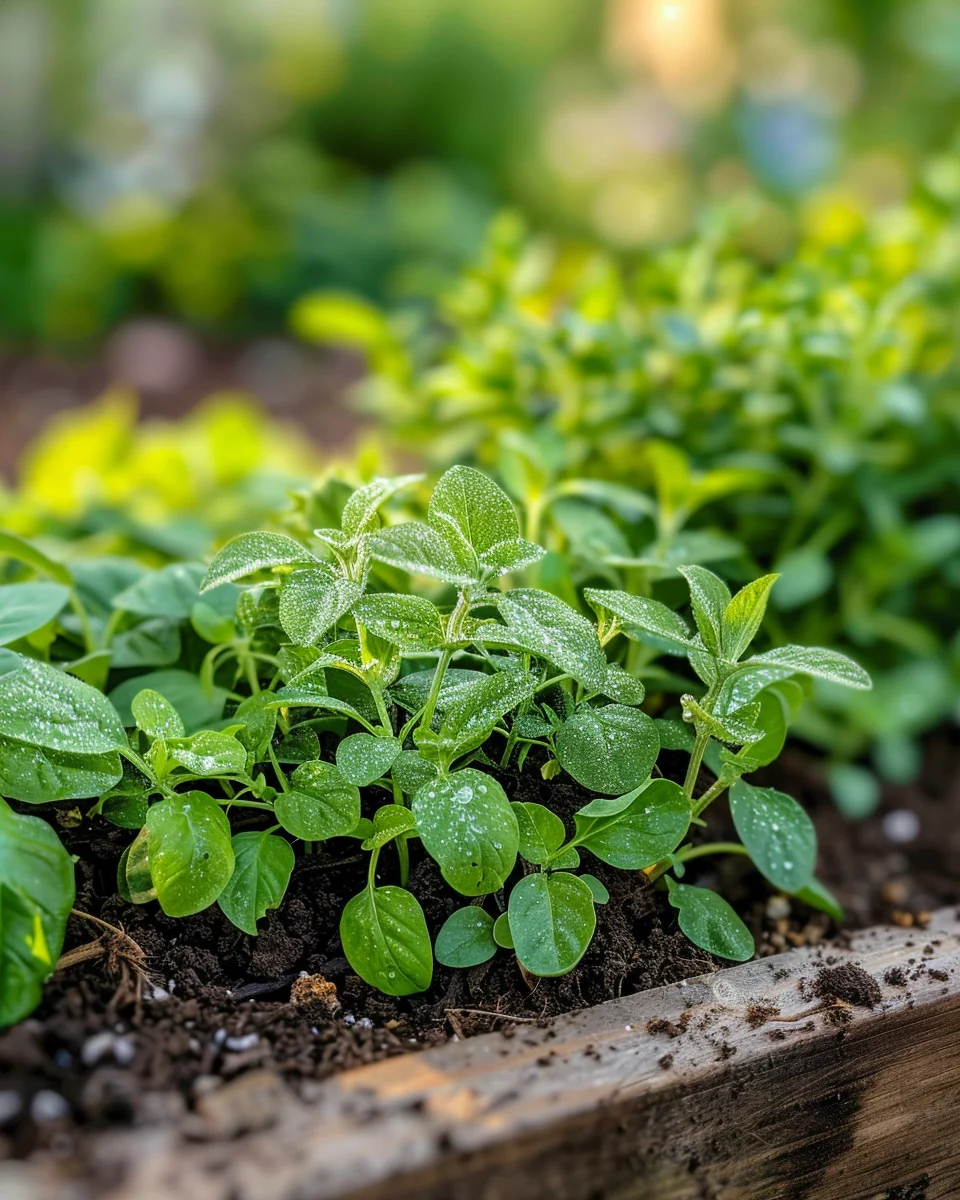
For cool temperate regions (UK, Northern US, Canada), plant most herbs from April to June. In warm temperate regions (Southern US, Mediterranean), the planting window extends from March to October, with a possible break during the hottest summer months for heat-sensitive herbs. For indoor container herbs, any time of year is suitable provided you can supply adequate light and temperature control. Basil, cilantro, and dill are best direct-sown after all frost danger passes, while woody herbs like rosemary and thyme establish better from transplants set out in spring. In hot climates, fall planting (September-October) often yields excellent results for many herbs.
Best herbs for container growing
- Basil – Compact varieties like ‘Spicy Globe’ or ‘Greek Columnar’ stay bushy in containers and provide continuous harvests of aromatic leaves.
- Rosemary – ‘Tuscan Blue’ and ‘Prostratus’ (trailing rosemary) adapt well to containers and offer excellent flavor for cooking.
- Mint – Container-growing is ideal for controlling mint’s invasive tendency; ‘Chocolate Mint’ and ‘Pineapple Mint’ offer unique flavors.
- Thyme – ‘French’, ‘Lemon’, and ‘Silver Edge’ thyme varieties remain compact and drought-tolerant in containers.
- Chives – Both regular and garlic chives thrive in containers, providing months of harvest from a single planting.
- Oregano – ‘Greek’ and ‘Hot and Spicy’ varieties develop intense flavor when slightly stressed in containers.
- Parsley – ‘Italian Flat Leaf’ offers superior flavor and grows well in deeper containers.
- Cilantro – ‘Slow Bolt’ and ‘Calypso’ varieties extend the harvest period in containers before flowering.
How to plant herbs in containers
Materials needed:
- Containers (6-12 inches/15-30 cm diameter) with drainage holes
- Quality potting mix (not garden soil)
- Herb seedlings or seeds
- Slow-release organic fertilizer
- Small pebbles or broken pottery for drainage
- Watering can with gentle spray
Steps:
- Select containers that are appropriate for your herb’s root depth—at least 6 inches (15 cm) deep for most herbs, 8-12 inches (20-30 cm) for larger herbs like rosemary.
- Place a layer of small pebbles or broken pottery at the bottom of each container to improve drainage.
- Fill containers about 3/4 full with quality potting mix designed for containers, ideally one that includes perlite or vermiculite for drainage.
- Mix in a small amount of slow-release organic fertilizer according to package directions.
- For seedlings: create a hole slightly larger than the root ball, place plant at the same depth it was growing previously, and gently firm soil around roots.
- For seeds: follow packet instructions for depth (generally 1/4 inch/0.6 cm for most herb seeds) and spacing.
- Water thoroughly until moisture drains from the bottom of the container.
- Space containers to allow for good air circulation between plants.
- Label each container with the herb name and planting date.
- Place containers in appropriate light conditions for each herb variety.
How to grow herbs in containers
Most culinary herbs require at least 6 hours of direct sunlight daily, with Mediterranean herbs like rosemary, thyme, and oregano preferring 8+ hours. Water container herbs when the top inch (2.5 cm) of soil feels dry—typically every 2-3 days in summer and once weekly in cooler weather. Avoid overwatering, which can lead to root rot. Apply a diluted liquid organic fertilizer monthly during the growing season at half the recommended strength, as herbs generally prefer leaner soil. Mulch container tops with a thin layer of compost or small pebbles to retain moisture and reduce soil splashing. Regularly pinch back growing tips to encourage bushier growth and prevent flowering in basil, cilantro, and other culinary herbs. For taller herbs like dill or fennel, provide small stakes for support. Use containers at least 8 inches (20 cm) deep for most herbs, with 12+ inches (30+ cm) for larger varieties like rosemary and bay.
Caring for herbs in containers
Regularly harvest herbs by removing no more than one-third of the plant at once to encourage continued growth. Watch for aphids, spider mites, and whiteflies, especially on indoor herbs; treat with insecticidal soap or a gentle spray of water. Powdery mildew can affect herbs in humid conditions—improve air circulation and avoid overhead watering. Root rot from overwatering presents as yellowing leaves and wilting despite moist soil; reduce watering frequency and ensure proper drainage. Harvest herbs in the morning after dew has dried but before the day heats up for maximum flavor. Most leafy herbs can be stored in the refrigerator wrapped in damp paper towels for up to a week, or freeze in ice cube trays with water or oil for longer storage. Woody herbs like rosemary and thyme can be dried by hanging small bundles in a warm, dry location.
Understanding bolting in herbs
Bolting is the process where herbs rapidly produce flowering stems and set seed, often making leaves bitter or less flavorful. It’s typically triggered by long daylight hours, heat stress (especially in cilantro, dill, and basil), or drought conditions. Sudden temperature fluctuations can also induce bolting. Prevent bolting by selecting “slow-bolt” varieties, providing afternoon shade in hot climates, maintaining consistent moisture, and regularly harvesting to keep plants in vegetative growth. If bolting begins, aggressively prune flower stems as they appear to redirect energy to leaf production. For herbs like cilantro and dill that bolt quickly, practice succession planting every 2-3 weeks during the growing season to maintain a continuous harvest.
Why does herbs turn bitter?
- Heat stress – Move containers to partial shade during the hottest part of the day or during heatwaves.
- Flowering/bolting – Regularly pinch off flower buds as they form to maintain leaf flavor, especially in basil and cilantro.
- Age – Harvest herbs regularly and replace plants that have become woody or overgrown.
- Drought stress – Maintain consistent moisture without waterlogging; use self-watering containers for sensitive herbs.
- Nutrient imbalance – Avoid over-fertilizing; herbs generally prefer lean soil conditions with minimal nitrogen.
Companion planting for herbs in containers
Basil grows well with tomatoes, improving their flavor and repelling certain pests. Rosemary pairs nicely with sage and thyme as they share similar sunlight and water requirements. Chives planted near parsley help deter aphids while both enjoy similar growing conditions. Mint should be grown alone as it tends to overtake other herbs. Cilantro and dill can be challenging companions as they bolt quickly and may shade other plants. Avoid planting fennel near most other herbs as it can inhibit their growth. When grouping herbs in larger containers, place those with similar water needs together—drought-tolerant Mediterranean herbs in one container and moisture-loving herbs like parsley, chives, and cilantro in another.
Seasonal calendar
Spring (March-May): Start seeds indoors; transplant seedlings after frost danger; refresh soil in existing containers; divide and repot perennial herbs like chives and mint.
Summer (June-August): Harvest regularly; water more frequently; provide afternoon shade in hot regions; pinch flower buds; start succession plantings of basil and cilantro.
Fall (September-November): Reduce watering; harvest and preserve herbs before frost; bring tender perennials indoors; plant cold-hardy herbs like parsley and cilantro in mild climates.
Winter (December-February): Maintain indoor herbs with supplemental lighting; water sparingly; prune woody herbs; plan next season’s container garden; order seeds.
Note: In hot regions, the active growing season may shift to fall through spring, with summer being more challenging for many herbs.
Problems & solutions
| Problem | Quick Fix |
|---|---|
| Leggy, sparse growth | Increase light exposure; pinch tips regularly to encourage branching |
| Yellowing leaves | Check for overwatering; ensure proper drainage; reduce fertilizer |
| Wilting despite moist soil | Check for root rot; repot in fresh soil if necessary |
| Aphids or spider mites | Spray with insecticidal soap or neem oil solution; increase air circulation |
| Powdery white spots on leaves | Treat powdery mildew with diluted milk spray (1:9 milk:water); improve air flow |
| Rapid flowering/bolting | Harvest immediately; provide shade; replant with heat-tolerant varieties |
| Soil drying out too quickly | Add mulch layer; consider self-watering containers; group plants to create humidity |
Common questions about growing herbs in containers
How often should I water my container herbs?
Water when the top inch (2.5 cm) of soil feels dry to the touch. This typically means every 2-3 days in summer and once weekly in cooler weather, though frequency varies by container size, material, and climate.
How much sunlight do herbs need in containers?
Most culinary herbs need at least 6 hours of direct sunlight daily. Mediterranean herbs like rosemary, thyme, and oregano prefer 8+ hours, while mint, parsley, and cilantro can tolerate partial shade.
What size container is best for herbs?
Use containers at least 6-8 inches (15-20 cm) in diameter and depth for most herbs. Larger herbs like rosemary and sage benefit from 12-inch (30 cm) containers. Ensure all containers have drainage holes.
How many herb plants can I grow in one container?
For a 12-inch (30 cm) container, plant one larger herb (rosemary, sage) or 2-3 smaller herbs (thyme, oregano, basil). Space plants to allow for mature size and good air circulation.
Can I grow herbs indoors year-round?
Yes, with adequate light (a sunny south-facing window or grow lights), proper watering, and occasional fertilizing. Basil, chives, mint, and parsley are particularly successful indoors.
How often should I harvest herbs?
Regular harvesting (every 1-2 weeks during active growth) encourages bushier growth and prevents flowering. Never remove more than one-third of the plant at once.
Do I need to repot my container herbs?
Annual herbs (basil, cilantro, dill) don’t need repotting. Perennial herbs benefit from repotting every 1-2 years with fresh soil and root pruning to prevent becoming root-bound.