
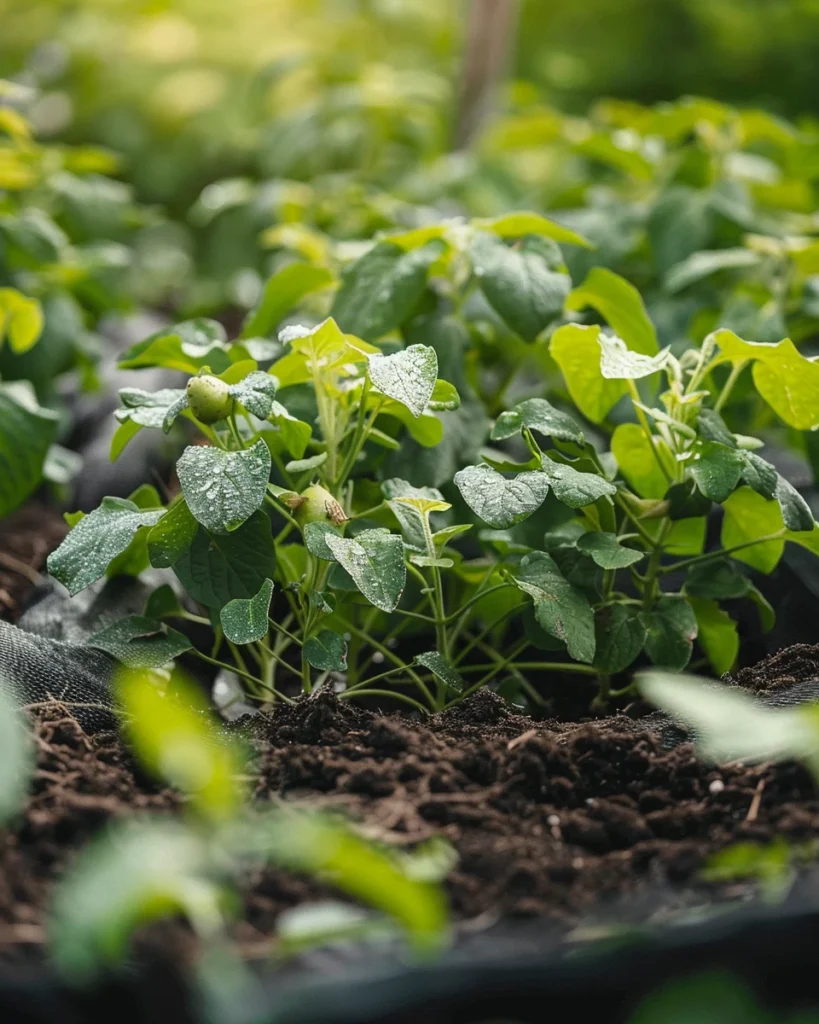
How to Grow Potatoes in Grow Bags: Easy Steps for a Bountiful Harvest
Intro for growing potatoes in grow bags
Growing potatoes in grow bags offers a practical solution for gardeners with limited space or poor soil conditions. These fabric containers provide excellent drainage, prevent disease, and make harvesting incredibly simple—just tip the bag over when it’s time! Potatoes grown in bags tend to be cleaner and less damaged than those grown in the ground. This method works in nearly any climate where potatoes can be grown, from cool temperate regions to warmer zones, and can be positioned on patios, balconies, or even driveways. With minimal investment and maintenance, you can enjoy fresh, homegrown potatoes without the need for digging or dedicating permanent garden space.
When to plant potatoes in grow bags
Potatoes are cool-season crops that should be planted when soil temperatures reach at least 7-10°C (45-50°F). In most temperate regions, this means planting in early to mid-spring, about 2-3 weeks before your last expected frost date. The soil in grow bags tends to warm up faster than garden soil, giving you a slight head start on the growing season. In warmer regions (USDA zones 8-10 or UK mild temperate), you can also plant a second crop in late summer for a fall/winter harvest. Avoid planting when temperatures consistently exceed 27°C (80°F), as heat stress can reduce tuber formation.
Best time to plant potatoes in grow bags
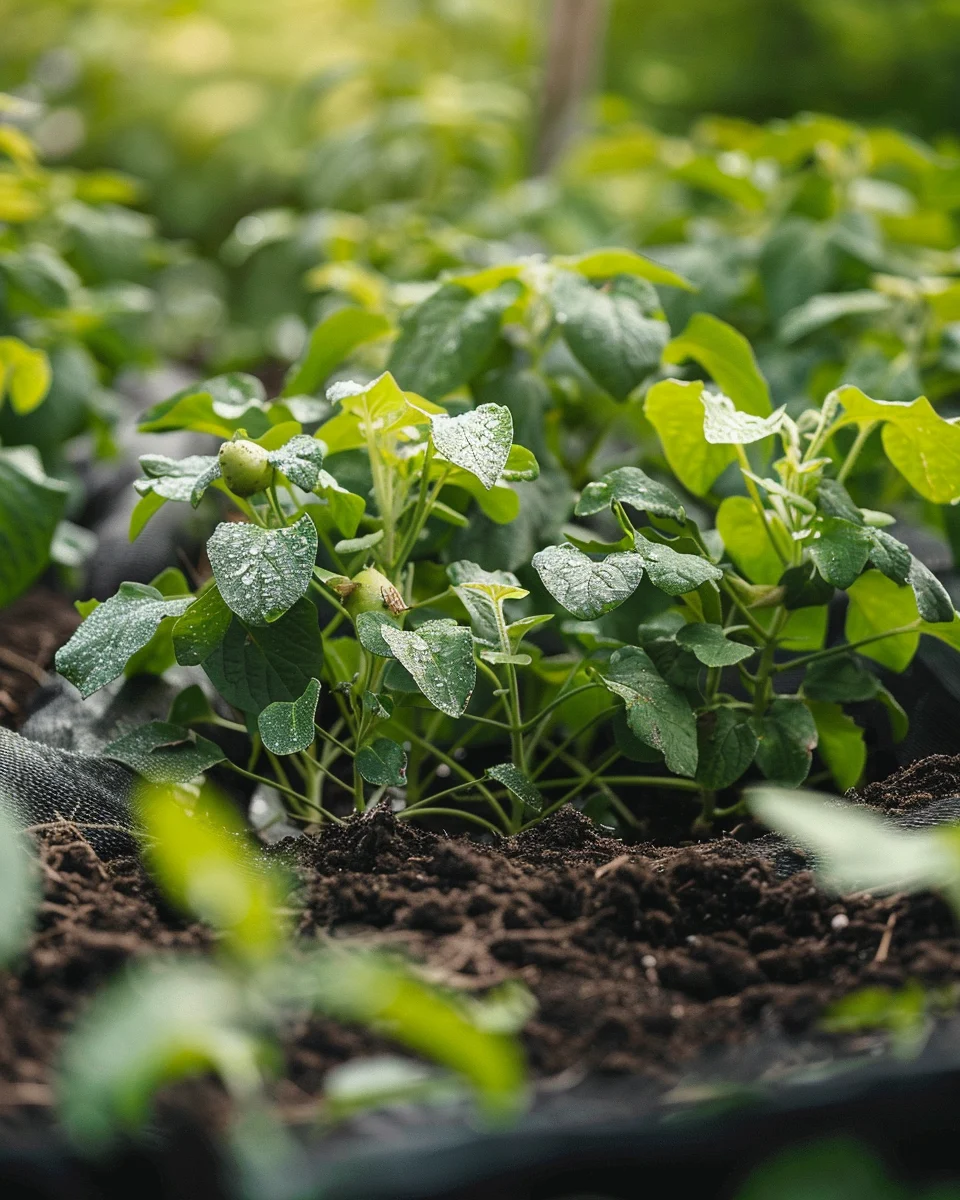
For cool temperate regions (USDA zones 3-6, UK/Northern Europe), plant potatoes in grow bags from mid-March to early May. In moderate climates (zones 7-8), plant from late February to April. For warm regions (zones 9-10, Mediterranean), plant from January to March for spring crops, and August to September for fall crops. Unlike garden planting, grow bags use seed potatoes directly—no transplanting is needed. The flexibility of grow bags means you can start them indoors if temperatures are still fluctuating, then move them outside once conditions stabilize.
Best potato varieties to grow in bags
- Charlotte – A popular salad potato with excellent flavor that matures quickly and performs exceptionally well in containers.
- Yukon Gold – Medium-sized, versatile potatoes with buttery yellow flesh that are relatively compact and ideal for grow bags.
- Red Duke of York – An early variety with red skin and yellow flesh that produces good yields in limited space.
- Maris Peer – A second early variety that’s compact, disease-resistant, and perfect for container growing.
- Swift – Ultra-early variety ready in just 8-10 weeks, making it perfect for impatient gardeners using grow bags.
- Jazzy – A high-yielding salad potato that can produce up to 20 tubers per seed potato in container conditions.
- Cara – A maincrop variety with excellent blight resistance, suitable for larger grow bags.
How to plant potatoes in grow bags
Materials needed:
- Fabric grow bags (30-40 liter/7-10 gallon size minimum)
- Seed potatoes
- High-quality potting mix (not garden soil)
- Organic compost
- Balanced organic fertilizer
- Watering can or hose with gentle spray
Step-by-step planting:
- Prepare seed potatoes by allowing them to chit (sprout) in a cool, bright place for 2-3 weeks before planting.
- Fill the bottom third of your grow bag with a mixture of potting soil and compost (70:30 ratio).
- Add a small handful of balanced organic fertilizer and mix well.
- Place 3-4 seed potatoes (for a 40L/10-gallon bag) on the soil surface, with sprouts pointing upward, spaced evenly apart.
- Cover with another 10-15 cm (4-6 inches) of your soil mixture.
- Water thoroughly until moisture appears from the drainage holes.
- Position the bag in a location that receives at least 6 hours of sunlight daily.
- As plants grow to about 15 cm (6 inches) tall, add more soil mixture, leaving just the top leaves exposed (this is called “hilling”).
- Repeat the hilling process 2-3 more times as plants grow, until the bag is filled to about 5 cm (2 inches) from the top.
How to grow potatoes in grow bags
Potatoes in grow bags need at least 6-8 hours of direct sunlight daily for optimal growth. Water consistently to maintain even moisture—typically every 2-3 days in moderate weather, and daily during hot periods. The soil should feel like a wrung-out sponge, never soggy or completely dry. Feed with a balanced liquid fertilizer every 2-3 weeks after plants reach 30 cm (12 inches) tall, then switch to a lower-nitrogen, higher-potassium fertilizer once flowering begins to encourage tuber development. Mulching the soil surface with straw can help retain moisture and regulate temperature. Unlike garden-grown potatoes, those in bags don’t require hilling beyond the initial filling process. The fabric material of grow bags provides excellent aeration for root development and naturally “air-prunes” roots, preventing circling and promoting a healthier root system.
Caring for potatoes in grow bags
Monitor soil moisture carefully, as grow bags can dry out faster than garden soil. Check by inserting your finger 5 cm (2 inches) into the soil—if it feels dry, it’s time to water. Watch for common potato pests like Colorado potato beetles (remove by hand) and aphids (spray with insecticidal soap). For early blight or late blight (brown spots on leaves that spread), remove affected foliage immediately and treat with copper fungicide if organic growing. Harvest “new” potatoes 2-3 weeks after plants flower by carefully reaching into the soil from the top or side access flaps (if your bags have them). For mature potatoes, wait until foliage yellows and dies back naturally, then stop watering for a week to allow skins to set. To harvest, simply tip the entire bag onto a tarp and collect your potatoes. Store unwashed potatoes in a cool (7-10°C/45-50°F), dark, well-ventilated place for up to several months.
Understanding bolting in potatoes
Unlike leafy greens, potatoes don’t technically “bolt” in the traditional sense of premature flowering and seed production. However, potatoes can experience stress-related issues that affect their growth cycle. When exposed to alternating periods of cool and hot temperatures, potatoes may develop elongated stems and produce fewer tubers. This stress response is triggered by temperatures above 27°C (80°F) or below 10°C (50°F) for extended periods. To prevent stress, maintain consistent watering, use light-colored grow bags in hot climates to keep root temperatures lower, and position bags where they receive morning sun but afternoon shade during the hottest months. If your potato plants are growing very tall with minimal tuber development, focus on stabilizing growing conditions and ensure adequate potassium fertilization to encourage tuber formation.
Why does potato foliage turn bitter?
- Green tubers – Exposure to light causes potatoes to produce solanine, making them bitter and potentially toxic; keep soil mounded to prevent tuber exposure.
- Heat stress – Extended high temperatures can affect plant metabolism and cause bitter compounds to develop; provide afternoon shade in hot weather.
- Irregular watering – Drought followed by heavy watering can trigger stress responses; maintain consistent moisture levels.
- Pest damage – Insect feeding can induce defensive bitter compounds; monitor and address pest issues promptly.
- Variety characteristics – Some varieties naturally contain more glycoalkaloids; choose low-bitterness varieties if this is a recurring issue.
Companion planting for potatoes in grow bags
While grow bags typically contain only potatoes, you can plant companions in separate nearby containers to create beneficial relationships. Good companions include:
- Marigolds – Repel nematodes and other soil pests that can damage potato roots.
- Nasturtiums – Act as trap crops for aphids, drawing them away from your potatoes.
- Herbs like basil and cilantro – Attract beneficial insects that prey on potato pests.
- Horseradish – Planted at the corners of potato growing areas to deter potato beetles.
- Sweet alyssum – Attracts hoverflies whose larvae feed on aphids.
Avoid placing grow bags near containers with:
- Tomatoes, peppers, or eggplants – These related nightshades can share and spread diseases.
- Cucumbers and squash – These heavy feeders may compete for nutrients.
- Sunflowers – Can inhibit potato growth through allelopathic effects.
Seasonal calendar
- January-February: Purchase seed potatoes and set them to chit in cool, bright conditions (warm regions can plant now).
- March-April: Plant chitted potatoes in grow bags in most temperate regions; water well after planting.
- May: Continue hilling as plants grow; monitor moisture levels as temperatures increase.
- June: Apply balanced liquid fertilizer; harvest early varieties planted in March.
- July-August: Switch to high-potassium fertilizer; harvest second earlies; protect bags from extreme heat.
- September-October: Harvest maincrop varieties when foliage dies back; plant fall crop in warm regions.
- November: Clean and store grow bags; prepare storage area for harvested potatoes.
- December: Order seed potatoes for next season; clean and disinfect any tools or equipment.
Problems & solutions
| Problem | Quick Fix |
|---|---|
| Yellowing leaves | Check moisture levels—likely overwatering; improve drainage and reduce frequency. |
| Small or few potatoes | Increase potassium with tomato fertilizer; ensure bag is large enough (minimum 40L/10 gallons). |
| Foliage wilting despite moist soil | Possible late blight; remove affected plants completely and dispose in trash (not compost). |
| Holes in leaves | Handpick Colorado potato beetles or larvae; spray with neem oil for severe infestations. |
| Curling leaves with sticky residue | Aphid infestation; spray with strong water jet or insecticidal soap solution. |
| Potatoes exposed and turning green | Immediately cover with soil or mulch; green portions contain solanine and should be cut away before cooking. |
| Grow bag bulging/misshapen | Reposition potatoes during growth or choose sturdier bags next season. |
Common questions about growing potatoes in grow bags
How often should I water potatoes in grow bags?
Check moisture levels every 1-2 days by inserting your finger into the soil. Water thoroughly when the top 5 cm (2 inches) feels dry. In hot weather, daily watering may be necessary, while cooler, cloudy periods might require watering only every 3-4 days.
What size grow bag is best for potatoes?
Use bags that hold at least 30-40 liters (7-10 gallons) for 3-4 seed potatoes. Larger varieties benefit from 50-liter (13-gallon) bags. Depth is more important than width—aim for bags at least 45 cm (18 inches) deep.
Can I reuse the soil in potato grow bags?
It’s best to use fresh soil each season to prevent disease buildup. Old potato soil can be used for flowering plants or added to compost, but avoid using it for other edible crops, especially nightshades (tomatoes, peppers, eggplants).
How many potatoes can I expect from one grow bag?
A 40-liter (10-gallon) bag with 3-4 seed potatoes typically yields 2-5 kg (4.5-11 pounds) of potatoes, depending on variety and growing conditions. High-yielding varieties like ‘Jazzy’ can produce up to 80 potatoes in a single bag.
Can I grow potatoes in grow bags indoors?
Yes, if you can provide 6-8 hours of direct sunlight or use grow lights. Indoor temperatures should remain between 15-24°C (60-75°F). Be prepared for taller, potentially leggier plants due to lower light intensity.
When exactly should I harvest potatoes from grow bags?
For new potatoes, harvest 2-3 weeks after flowering. For mature storage potatoes, wait until the foliage has yellowed and died back naturally, then stop watering for 1-2 weeks to allow skins to set before harvesting.
Can I grow potatoes in grow bags year-round?
In mild climates (USDA zones 8-10), you can grow two crops per year—spring and fall. In colder regions, stick to the traditional growing season unless you can bring bags indoors during freezing weather.