
How to Grow Hibiscus Sabdariffa Roselle in Pots: Complete Guide for Vibrant Harvests
Intro for how to grow hibiscus sabdariffa roselle in pots
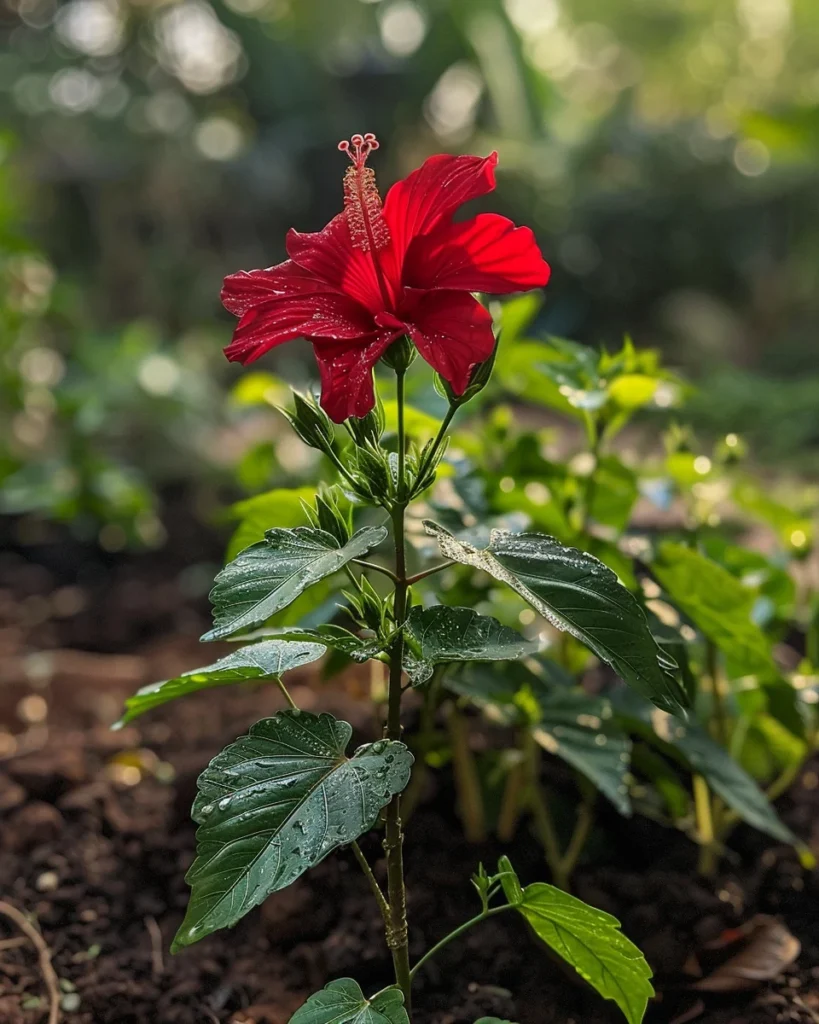
Hibiscus sabdariffa, commonly known as roselle or Florida cranberry, is a vibrant tropical plant prized for its ruby-red calyces used in teas, jams, and culinary delights. Growing roselle in pots offers tremendous advantages for gardeners in temperate regions, as this heat-loving annual can be moved to optimize sun exposure and protected when temperatures drop. Native to West Africa, roselle thrives in warm conditions but adapts beautifully to container cultivation with proper care. Its striking red stems, lobed leaves, and pale yellow flowers with red centers make it both ornamental and practical, perfect for patios, balconies, or sunny windowsills where space is limited but culinary ambitions are high.
When to plant how to grow hibiscus sabdariffa roselle in pots
Roselle requires a long, warm growing season of 120-180 days to reach maturity. In temperate regions, plant roselle after all danger of frost has passed and soil temperatures consistently reach 20-25°C (68-77°F). This tropical plant is extremely frost-sensitive and will suffer damage at temperatures below 10°C (50°F). For gardeners in USDA zones 8-11, outdoor planting works well, while those in cooler zones (below 8) should either start indoors or wait until late spring when temperatures are reliably warm. The ideal soil temperature for germination is 22-30°C (72-86°F), which promotes quick sprouting and strong early growth.
Best time to plant how to grow hibiscus sabdariffa roselle in pots
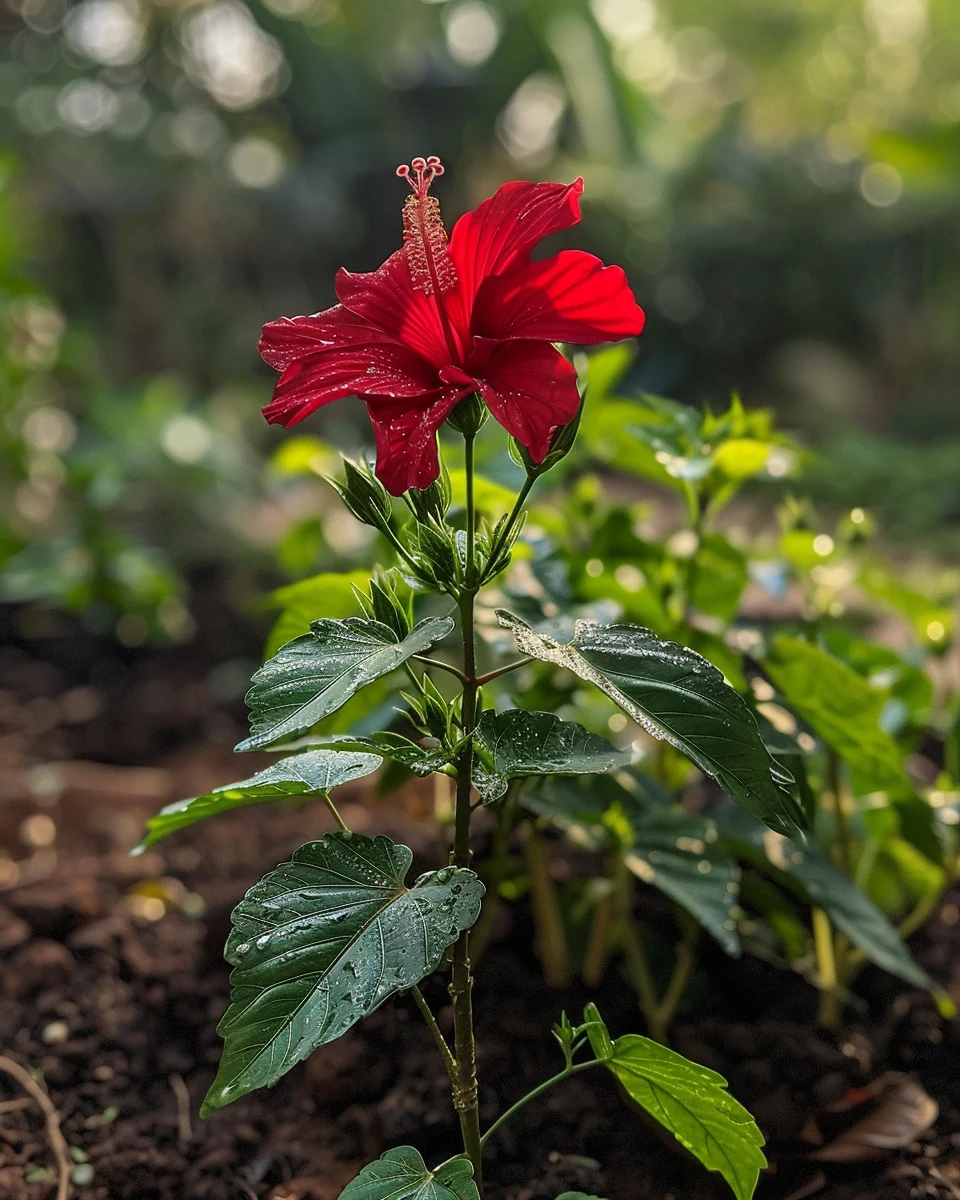
In warm climates (USDA zones 9-11), direct sowing can be done from mid-April to early May. For cooler temperate regions (zones 5-8), start seeds indoors 8-10 weeks before your last frost date (typically February to March), then transplant outdoors in late May to early June when nighttime temperatures stay above 12°C (55°F). If you’re in Mediterranean climates, April planting works well, while northern European gardeners should wait until May or even early June. For container growing specifically, you can start seeds indoors even earlier (January-February) if you have a sunny windowsill or grow lights, giving your plants a head start on the season.
Best how to grow hibiscus sabdariffa roselle in pots varieties to grow
- Thai Red – Early maturing (110 days) with excellent production of large, juicy calyces perfect for container growing.
- Jamaican Red – Produces abundant dark red calyces with superior flavor and thrives in pots with minimal care.
- Temprano – Early-maturing variety (100 days) ideal for shorter growing seasons in northern regions.
- Victor – Compact growth habit making it perfect for container cultivation with high yields of bright red calyces.
- Archer – Disease-resistant variety with exceptional heat tolerance and consistent production in pots.
- Rosella Red – Australian variety known for drought tolerance and excellent performance in containers.
- Hibiscus Thai – Compact plant reaching only 1-1.5m (3-5ft) tall, perfect for smaller containers with excellent calyx production.
How to plant how to grow hibiscus sabdariffa roselle in pots
Materials needed:
- Container (minimum 30-40cm/12-16in diameter and depth)
- High-quality potting mix with good drainage
- Organic compost or well-rotted manure
- Roselle seeds or seedlings
- Slow-release organic fertilizer
- Watering can with fine rose attachment
- Mulch material (coconut coir, straw, or bark chips)
Step-by-step planting:
- Select a container at least 30-40cm (12-16in) in diameter and depth with drainage holes.
- Fill the container with high-quality potting mix blended with 25% compost, leaving 5cm (2in) of space at the top.
- Pre-moisten the soil thoroughly until water runs from drainage holes.
- For direct sowing, plant 3-4 seeds per pot, 1cm (½in) deep, and thin to the strongest seedling later.
- For transplanting seedlings, dig a hole twice the width of the root ball and place at the same depth as the original container.
- Gently firm soil around the plant base, avoiding compaction.
- Water thoroughly after planting until moisture emerges from drainage holes.
- Apply a 2-3cm (1in) layer of mulch around plants, keeping it away from stems.
- Place the container in a warm, sheltered location that receives at least 6 hours of direct sunlight.
How to grow how to grow hibiscus sabdariffa roselle in pots
Roselle demands full sunlight for optimal growth and calyx production – aim for at least 6-8 hours of direct sun daily. Position containers where they receive morning sun and afternoon sun if possible. Water consistently to maintain even soil moisture; containers typically need watering every 1-2 days during hot weather when the top 2.5cm (1in) of soil feels dry. Apply a balanced organic fertilizer (5-5-5) monthly during the growing season, or use a slow-release fertilizer every 6-8 weeks. For container-grown roselle, a half-strength liquid fertilizer application every two weeks during flowering and fruiting stages boosts production.
Mulch the soil surface with coconut coir or straw to retain moisture and suppress weeds. Prune young plants by pinching the growing tips when they reach 30cm (12in) tall to encourage bushier growth and more flowering branches. For container growing specifically, select pots at least 40cm (16in) in diameter for mature plants, as roselle can reach 1-1.5m (3-5ft) tall even in containers. Consider staking taller varieties to prevent toppling in windy conditions. Rotate containers regularly to ensure even growth and sun exposure on all sides.
Caring for how to grow hibiscus sabdariffa roselle in pots
Monitor soil moisture daily during hot weather, as containers dry out faster than garden soil. Roselle is susceptible to aphids and whiteflies – treat infestations with insecticidal soap or neem oil spray at first sight. Watch for powdery mildew in humid conditions; improve air circulation and avoid overhead watering to prevent this fungal disease. Root rot can occur in poorly draining containers – ensure pots have adequate drainage holes and never let plants sit in standing water.
Harvest calyces 2-3 weeks after the flowers have dropped, when they’re plump and bright red but before they become fibrous. Use sharp scissors to cut the calyces, leaving a small portion of the stem attached. For seed saving, allow some calyces to mature fully until the seed pods inside turn brown. Fresh calyces can be refrigerated for up to a week in sealed containers, or dried for long-term storage in a cool, dark place. In autumn, as temperatures drop, gradually reduce watering and prepare to either bring plants indoors in warm regions or harvest final calyces before frost in colder areas.
Understanding bolting in how to grow hibiscus sabdariffa roselle in pots
Unlike many leafy vegetables, roselle doesn’t technically “bolt” in the traditional sense. However, it does have specific flowering triggers that gardeners should understand. Roselle is a photoperiod-sensitive plant that begins flowering when day length shortens (typically late summer to early autumn in the northern hemisphere). This is a natural part of its growth cycle rather than a stress response. If flowering occurs too early in small plants, it’s usually due to stress factors like extreme heat, drought, or nutrient deficiencies.
To ensure proper development before flowering, maintain consistent watering, adequate fertilization, and protect plants from temperature extremes. If plants flower when very small, pinch off early flower buds to redirect energy into vegetative growth. Unlike bolting lettuce or spinach, flowering in roselle is desirable as it leads to calyx development – the main harvest goal. The key is ensuring plants have sufficient size and vigor before flowering begins, which typically requires 3-4 months of vegetative growth.
Why does how to grow hibiscus sabdariffa roselle in pots turn bitter?
- Delayed harvest – Calyces become increasingly bitter and fibrous if left on the plant too long after reaching maturity; harvest when bright red but still tender.
- Drought stress – Inconsistent watering or prolonged dry periods can concentrate compounds that create bitterness; maintain even soil moisture.
- Nutrient imbalance – Excessive nitrogen fertilizer can affect flavor; use balanced fertilizers and avoid over-application.
- Heat stress – Extreme temperatures above 35°C (95°F) for extended periods can alter flavor compounds; provide afternoon shade during heat waves.
- Improper processing – Boiling calyces too long or at too high a temperature can release bitter compounds; use gentle heat for optimal flavor extraction.
Companion planting for how to grow hibiscus sabdariffa roselle in pots
When container gardening with roselle, strategic companion planting can enhance growth and deter pests. Basil makes an excellent companion as it repels aphids and whiteflies while thriving in similar conditions. Marigolds planted around the container’s edge help deter nematodes and add cheerful color. Nasturtiums attract aphids away from your roselle while providing edible flowers and leaves. Low-growing thyme or oregano work well as container companions, maximizing space while deterring various insect pests. Lemongrass complements roselle both aesthetically and culturally, as both enjoy similar growing conditions and are often used together in teas.
Avoid planting roselle with root vegetables like carrots or beets in the same container, as they compete for root space and have different watering needs. Also avoid pairing with plants that prefer cooler conditions like lettuce or spinach, as roselle’s tropical requirements will create stress for these cool-season crops.
Seasonal calendar
- January-February: Start seeds indoors in warm regions or under grow lights in cooler areas.
- March-April: Continue indoor growing; transplant to larger pots as seedlings develop; harden off in mild regions.
- May: Transplant to final containers after all frost danger passes; direct sow in warm regions.
- June: Apply first fertilizer treatment; maintain consistent watering as temperatures rise.
- July: Pinch growing tips to encourage branching; monitor for pests as summer heat intensifies.
- August: Continue regular fertilizing; watch for first flower buds in early varieties.
- September: Flowering should be in full swing; prepare for calyx development.
- October: Begin harvesting calyces as they mature; protect from early frosts in cooler regions.
- November: Continue harvesting; prepare to bring plants indoors in marginal zones.
- December: Final harvest before winter dormancy or plant death in colder regions; save seeds for next season.
Problems & solutions
| Problem | Quick Fix |
|---|---|
| Yellowing leaves | Check for overwatering; ensure proper drainage and allow soil surface to dry between waterings. |
| Stunted growth | Apply balanced organic fertilizer; ensure container is large enough for root development. |
| Aphid infestation | Spray with strong water jet to dislodge, then apply insecticidal soap or neem oil solution. |
| Few or no flowers | Verify plant receives 6+ hours of direct sunlight; ensure proper fertilization with phosphorus. |
| Small calyces | Increase potassium with organic fertilizer during flowering/fruiting stage; ensure consistent watering. |
| Leaf spots/fungal issues | Improve air circulation; avoid overhead watering; apply organic fungicide if necessary. |
| Container toppling | Use wider, heavier containers or add stones to base; stake plants when they reach 60cm (24in) tall. |
Common questions about growing how to grow hibiscus sabdariffa roselle in pots
How often should I water potted roselle plants?
Water when the top 2.5cm (1in) of soil feels dry, typically every 1-2 days during hot weather and less frequently during cooler periods. Containers dry out faster than garden soil, so check moisture levels daily during summer.
What size container is best for growing roselle?
Use containers at least 30-40cm (12-16in) in diameter and depth per plant. Larger containers (50cm/20in) will support bigger plants and reduce watering frequency.
How much sunlight does potted roselle need?
Roselle requires at least 6-8 hours of direct sunlight daily for optimal growth and calyx production. In extremely hot climates, light afternoon shade can prevent stress.
When will my potted roselle plant produce calyces?
Expect calyces to develop approximately 3-4 weeks after flowering begins, which typically starts when day length shortens in late summer (around 120-150 days after planting).
Can roselle be overwintered indoors in containers?
In zones 9-11, roselle can be overwintered in containers if brought indoors to a sunny location maintained above 15°C (60°F). In colder regions, it’s usually grown as an annual, though you can try overwintering in a greenhouse.
How do I know when roselle calyces are ready to harvest?
Harvest calyces when they’re bright red and firm, typically 2-3 weeks after the flower petals drop. They should snap easily from the plant but before the seed capsule inside becomes tough and woody.
Can I grow roselle in a hanging basket?
While compact varieties can grow in hanging baskets, they typically don’t perform as well due to restricted root space and increased water stress. Standard pots provide better results for most roselle varieties.