
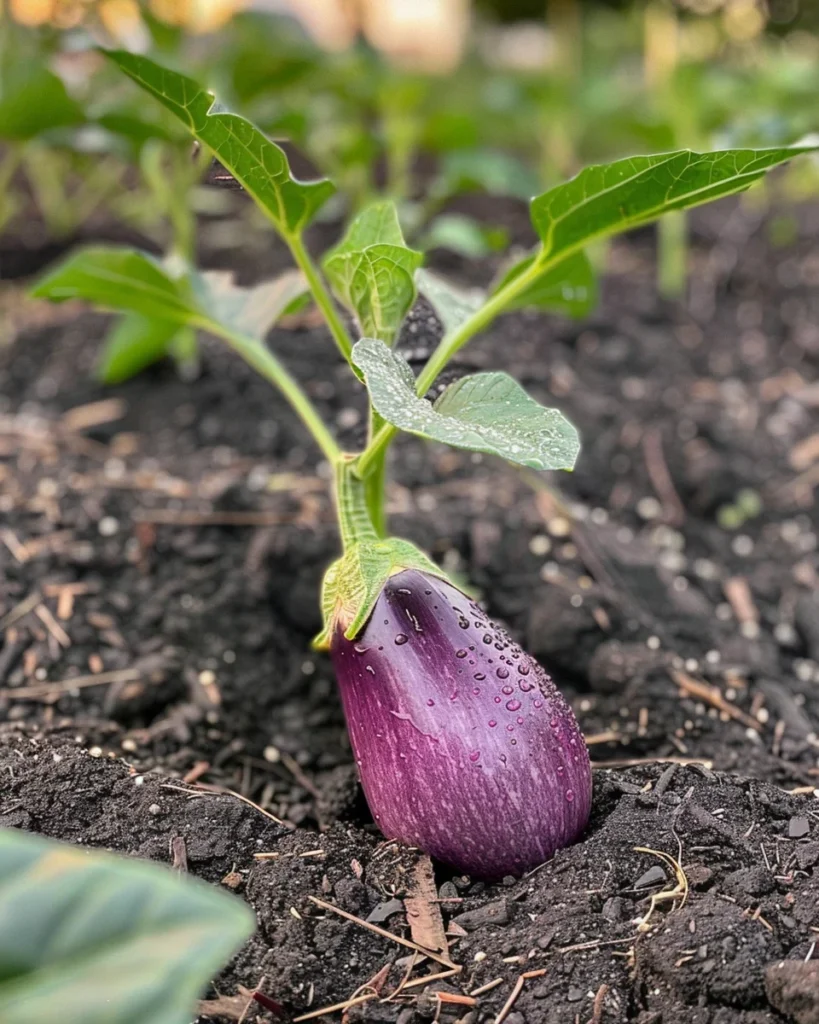
How to Grow Eggplant in Grow Bags: When to Plant, Best Varieties & Care Guide
Intro for growing eggplant in grow bags
Eggplant (Solanum melongena) is a versatile, heat-loving vegetable that thrives in grow bags, making it accessible even for gardeners with limited space. These portable fabric containers offer excellent drainage and prevent root circling, creating ideal conditions for eggplants to develop their glossy, nutrient-rich fruits. Growing eggplant in grow bags allows for precise control over soil quality and positioning to maximize sun exposure. With proper care, a single eggplant in a grow bag can produce 3-5 fruits per plant, providing a steady harvest throughout the growing season. This method works particularly well in temperate regions with warm summers (USDA zones 5-12) and can extend the growing season in cooler climates.
When to plant eggplant in grow bags
Eggplants are warm-season crops that require consistent heat to thrive. Wait until all danger of frost has passed and soil temperatures have reached at least 21°C (70°F) before placing plants outdoors. In temperate regions, this typically means late spring to early summer. Eggplants are extremely frost-sensitive and will suffer damage at temperatures below 10°C (50°F). For regions with shorter growing seasons, start seeds indoors 8-10 weeks before your last expected frost date to give plants a head start. Grow bags warm up faster than ground soil, which can give you a slight advantage in cooler climates.
Best time to plant eggplant in grow bags
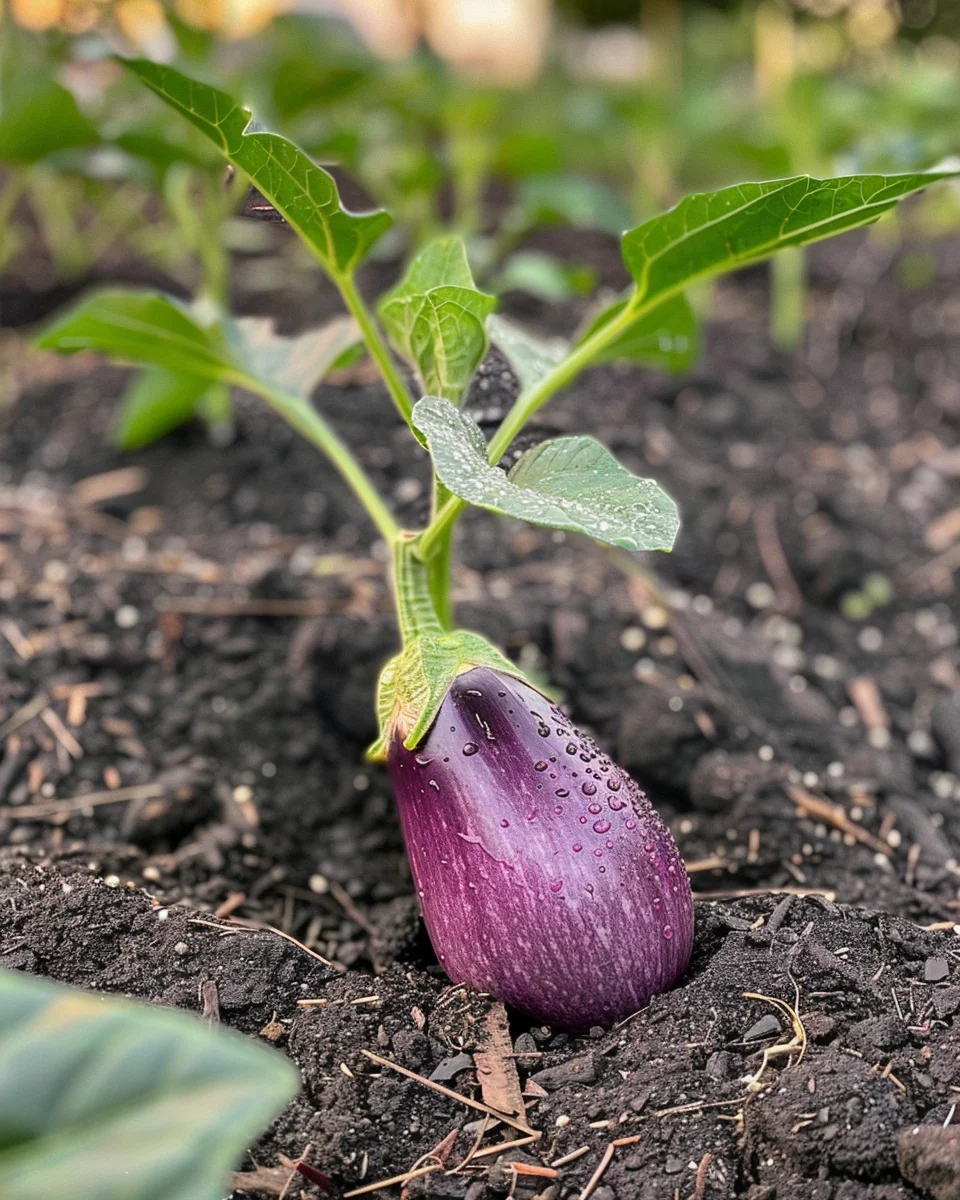
In warm climate regions (USDA zones 9-12), plant eggplant in grow bags from mid-March to early May. For moderate climates (zones 7-8), aim for mid-April to late May. In cooler regions (zones 5-6), wait until late May to early June when nighttime temperatures consistently stay above 10°C (50°F). Transplants are strongly recommended over direct seeding for eggplant, as they require a long growing season (100-140 days from seed to harvest). Start seeds indoors 8-10 weeks before your intended outdoor planting date, and harden off seedlings gradually over 7-10 days before transplanting to grow bags.
Best eggplant varieties to grow in grow bags
- Fairy Tale – Compact plants (18-24 inches) producing clusters of small, sweet fruits perfect for container growing.
- Patio Baby – Dwarf variety (18-24 inches) that yields tender, egg-sized fruits early in the season.
- Little Fingers – Produces slender, 6-8 inch fruits on compact plants, ideal for grow bags and quick cooking.
- Hansel – Award-winning compact variety with clusters of slim, glossy purple fruits that resist bitterness.
- Gretel – White-fruited companion to Hansel with sweet flavor and few seeds, excellent for container growing.
- Ping Tung Long – Produces long, slender Asian-type eggplants with tender flesh and few seeds.
- Black Beauty – Classic variety with large fruits that adapts well to grow bags with sufficient support.
How to plant eggplant in grow bags
Materials needed:
- 15-20 gallon grow bags (one per plant)
- High-quality potting mix with compost
- Eggplant seedlings or plants
- Slow-release organic fertilizer
- Bamboo stakes or tomato cage
- Watering can or hose with gentle spray
- Mulch (straw, wood chips, or compost)
Step-by-step planting:
- Choose a location that receives at least 6-8 hours of full sun daily.
- Fill the grow bag with high-quality potting mix to about 2 inches (5 cm) below the rim, mixing in a handful of slow-release organic fertilizer.
- Water the potting mix thoroughly and allow it to settle.
- Dig a hole in the center of the bag slightly larger than your plant’s root ball.
- Gently remove the seedling from its container, being careful not to disturb the roots.
- Place the plant in the hole at the same depth it was growing previously.
- Backfill around the roots and firm the soil gently.
- Install a stake or small tomato cage to support the plant as it grows.
- Water thoroughly around the base of the plant, avoiding wetting the leaves.
- Apply a 2-inch (5 cm) layer of mulch around the plant, keeping it away from the stem.
How to grow eggplant in grow bags
Eggplants need full sunlight (6-8 hours minimum) to produce well, so position grow bags where they’ll receive maximum sun exposure. Water consistently to maintain even soil moisture—about 1-2 inches (2.5-5 cm) per week, increasing during fruit production and hot weather. Grow bags dry out faster than ground soil, so check moisture levels daily by inserting your finger 1-2 inches into the soil. If it feels dry, water thoroughly until it drains from the bottom.
Feed plants with a balanced liquid fertilizer (5-5-5) every 2-3 weeks once flowering begins, or use a slow-release fertilizer following package directions. For container eggplants, a fertilizer with slightly higher potassium (such as 5-10-10) can promote better fruiting. Provide support with stakes or a small tomato cage as plants grow and fruits develop. Prune away yellowing lower leaves and limit each plant to 4-6 fruits at a time for larger, healthier eggplants.
Caring for eggplant in grow bags
Monitor plants regularly for pests like flea beetles (tiny holes in leaves), aphids (curled leaves with sticky residue), and spider mites (fine webbing, stippled leaves). Treat flea beetles with row covers or diatomaceous earth; aphids with insecticidal soap; and spider mites with neem oil. Watch for signs of verticillium wilt (yellowing leaves that wilt despite adequate water) and avoid planting in the same soil next year if detected.
Harvest eggplants when the skin is glossy and firm, and the fruit has reached its mature size for the variety. Cut fruits with pruning shears rather than pulling them to avoid damaging plants. Most varieties are ready when they yield slightly to gentle pressure but spring back. Overripe eggplants develop dull skin and become bitter. Store harvested eggplants at around 10°C (50°F) with high humidity for up to one week, but they’re best used fresh.
Understanding bolting in eggplant
Unlike leafy greens, eggplants don’t bolt in the traditional sense of prematurely producing flowers and seeds. However, they can experience stress-related issues that affect production. When exposed to temperature extremes (below 10°C/50°F or above 35°C/95°F for extended periods), eggplants may drop flowers or fail to set fruit. This is sometimes mistakenly called “bolting” but is actually temperature stress.
To prevent temperature-related issues, provide afternoon shade during extreme heat waves and use row covers for unexpected cool nights. If plants are struggling during heat waves, mist the surrounding air (not the leaves) to increase humidity and cool the environment. If flower drop occurs, focus on maintaining consistent soil moisture and temperature conditions, and normal production should resume when conditions improve.
Why does eggplant turn bitter?
- Overmaturity – Harvest fruits when they’re still glossy and firm; overripe eggplants develop seeds and bitter compounds.
- Heat stress – Prolonged temperatures above 35°C (95°F) can cause bitterness; provide afternoon shade during heat waves.
- Inconsistent watering – Drought stress followed by heavy watering can trigger bitter compounds; maintain even soil moisture.
- Variety selection – Some varieties naturally contain more solanine (the bitter compound); choose modern varieties bred for low bitterness.
- Insect damage – Heavy pest pressure can trigger defense compounds that taste bitter; control pests early.
Companion planting for eggplant in grow bags
Good companions for eggplant in nearby grow bags include:
- Marigolds – Repel nematodes and other soil pests that can damage eggplant roots
- Basil – Deters many insect pests and may improve flavor; thrives in similar conditions
- Thyme – Repels whiteflies and aphids that commonly attack eggplant
- Nasturtiums – Act as trap crops for aphids, drawing them away from your eggplants
- Spinach or lettuce – As shallow-rooted crops, they can be planted around the edges of eggplant grow bags
Avoid planting eggplant near:
- Fennel – Releases compounds that inhibit growth of many plants, including eggplant
- Other nightshades (tomatoes, peppers, potatoes) – Share pests and diseases; better to separate
Seasonal calendar
- February-March: Start seeds indoors in warm areas (8-10 weeks before last frost)
- April: Start seeds indoors in cooler regions; transplant seedlings outdoors in warm regions
- May: Transplant seedlings to grow bags in moderate climates when soil warms
- June: Final transplanting in cool regions; apply first fertilizer to established plants
- July-August: Main growing season; water consistently; apply liquid fertilizer every 2-3 weeks; harvest early varieties
- September: Continue harvesting; reduce fertilizer in cooler regions
- October: Final harvests before frost in most regions; remove plants after harvest in cold areas
Note: In USDA zones 9-11, the growing season can extend year-round with proper protection from occasional cold snaps.
Problems & solutions
| Problem | Quick Fix |
|---|---|
| Flea beetle damage (tiny holes in leaves) | Apply diatomaceous earth to leaves; use floating row covers; spray with neem oil weekly |
| Flowers dropping without forming fruit | Ensure temperatures between 21-29°C (70-85°F); hand-pollinate flowers with a small brush; maintain consistent moisture |
| Yellowing leaves | Check for overwatering; ensure proper drainage; apply balanced fertilizer if nutrient deficiency is suspected |
| Stunted growth | Verify grow bag size (minimum 15 gallons); check for root-bound plants; ensure full sun exposure; apply fertilizer |
| Fruits with brown spots | Ensure consistent watering; provide calcium supplement; maintain even soil moisture to prevent blossom end rot |
| Plant wilting despite moist soil | Check for root rot (reduce watering) or verticillium wilt (remove affected plant and don’t reuse soil for nightshades) |
Common questions about growing eggplant in grow bags
Q: What size grow bag is best for eggplant?
A: Use a 15-20 gallon grow bag for each eggplant plant. This provides adequate room for root development and helps maintain consistent soil moisture.
Q: How often should I water eggplant in grow bags?
A: Check moisture daily, especially during hot weather. Typically, eggplants in grow bags need watering every 1-2 days during summer. Water deeply until it drains from the bottom when the top inch of soil feels dry.
Q: Can I grow eggplant in partial shade?
A: Eggplants need at least 6-8 hours of direct sunlight daily. While they can survive with 5-6 hours, fruit production will be significantly reduced. In extremely hot climates, light afternoon shade can be beneficial.
Q: How many eggplants can I expect from one plant in a grow bag?
A: A healthy eggplant in a properly sized grow bag can produce 4-8 fruits over the growing season, depending on variety and growing conditions. Compact varieties bred for containers often produce more numerous but smaller fruits.
Q: Do eggplants in grow bags need support?
A: Yes, most eggplant varieties benefit from staking or a small tomato cage, especially when fruiting. The weight of developing fruits can cause stems to bend or break, particularly after watering or rain.
Q: Can I reuse the soil in grow bags for eggplant next year?
A: It’s best to replace at least 50% of the soil each year. If plants remained healthy, you can reuse some soil mixed with fresh compost and potting mix. If any disease occurred, replace all soil and sanitize bags before reusing.
Q: How do I know when eggplants are ready to harvest?
A: Harvest when fruits are firm, glossy, and have reached the expected size for the variety. The skin should spring back when gently pressed. If the skin appears dull or doesn’t spring back, the fruit is overripe and may be bitter.