
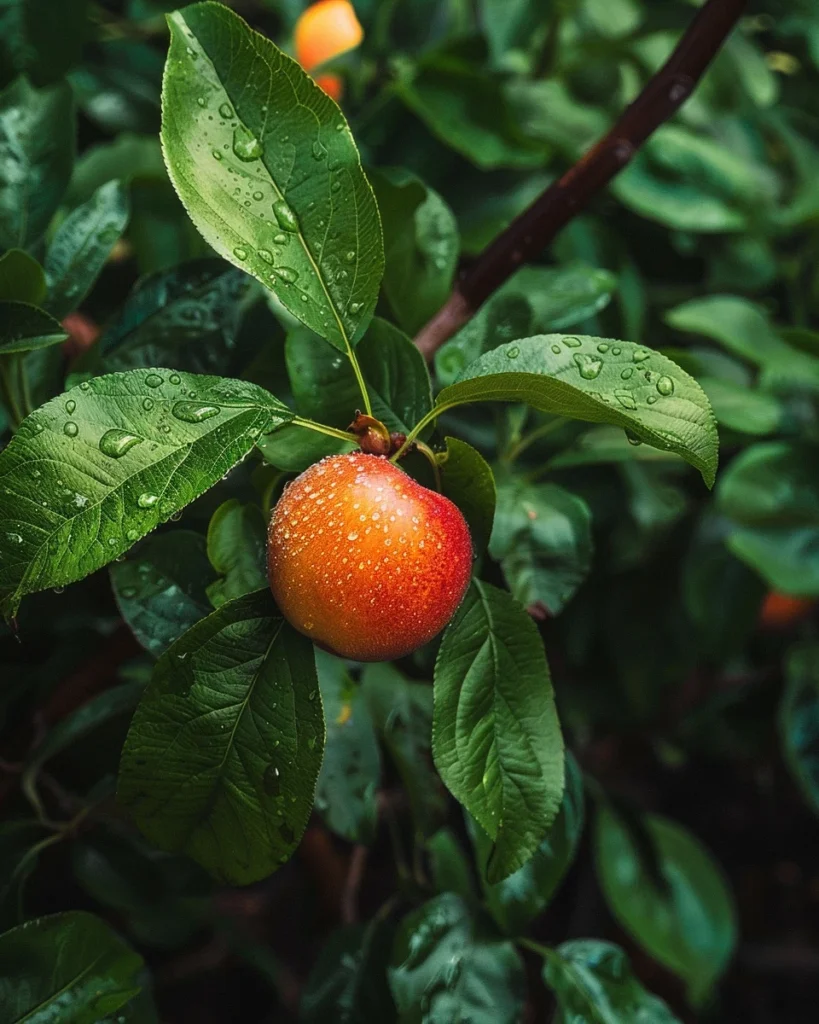
How to Grow Dwarf Nectarines in Pots: Perfect Fruits for Small Spaces
Intro for growing dwarf nectarines in pots
Dwarf nectarine trees offer the perfect solution for gardeners with limited space who dream of harvesting sweet, juicy stone fruits. These compact varieties have been specifically bred to thrive in containers while producing full-sized, delicious nectarines. Growing dwarf nectarines in pots allows you to enjoy homegrown fruit even on a balcony, patio, or small garden. They’re also ideal for colder regions as you can move them to protected areas during harsh weather. With their beautiful spring blossoms, attractive foliage, and summer fruits, potted dwarf nectarines provide both ornamental value and a rewarding harvest, making them a practical and beautiful addition to any container garden.
When to plant dwarf nectarines in pots
Dwarf nectarines are best planted during their dormant period, which typically falls between late autumn and early spring. In temperate regions, the ideal planting window is from November to March when the trees are not actively growing. Avoid planting during periods of frost or when temperatures regularly drop below -5°C (23°F). The soil temperature should ideally be above 7°C (45°F) for root establishment. In Mediterranean climates, winter planting works well, while in colder northern regions, waiting until spring when frost risk has passed is advisable. Container planting offers the advantage of extending your planting window slightly, as you can temporarily protect newly potted trees from extreme conditions.
Best time to plant dwarf nectarines in pots
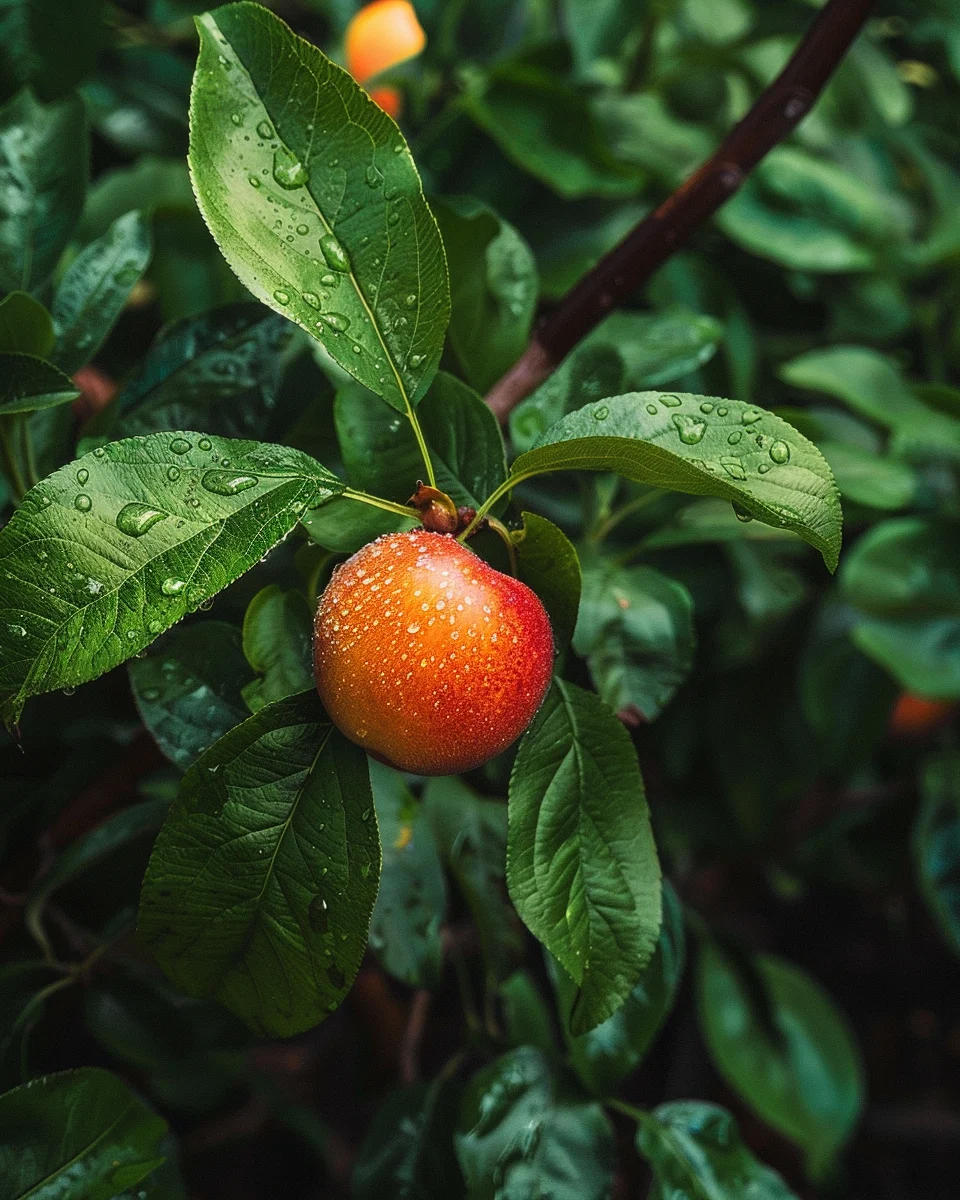
For cool temperate regions (UK, Northern US, parts of Europe), the optimal planting time is mid to late spring (March to April) when the risk of severe frost has passed but before summer heat arrives. In warmer regions (US Zones 7-9, Mediterranean areas), planting in late autumn to early winter (November to January) allows roots to establish before the growing season begins. Bare-root dwarf nectarines should be planted during dormancy, while container-grown specimens can be transplanted year-round if necessary, though avoiding the height of summer is best. For most regions, February to March represents the ideal balance between avoiding frost damage and giving trees time to establish before fruiting season.
Best dwarf nectarine varieties to grow
- Nectarella – Self-fertile variety with excellent flavor and compact growth habit, perfect for containers.
- Fantasia Dwarf – Produces large, aromatic yellow-fleshed fruits and shows good disease resistance.
- Garden Beauty – Ultra-compact variety (1.5-2m mature height) with sweet, juicy fruits and attractive pink blossoms.
- Nectar Babe – True genetic dwarf reaching only 1.5m, ideal for small pots with reliable fruiting even in cooler climates.
- Flavortop Dwarf – Known for exceptional fruit quality with rich, sweet flavor and good container performance.
- Snow Queen – White-fleshed variety with low chill requirements, making it suitable for milder winter regions.
- Dwarf Honey Blaze – Disease-resistant variety with particularly sweet fruits and compact growth habit.
How to plant dwarf nectarines in pots
Materials needed:
- Dwarf nectarine tree (bare root or container-grown)
- Large container (minimum 40-50cm/16-20in diameter) with drainage holes
- High-quality potting mix formulated for fruit trees
- Compost or well-rotted manure
- Slow-release fertilizer suitable for fruit trees
- Mulch (bark chips or similar)
- Watering can or hose
- Trowel and gardening gloves
Step-by-step planting:
- Select a container at least 40-50cm (16-20in) in diameter and depth with adequate drainage holes.
- Place a layer of broken pottery or gravel at the bottom to improve drainage.
- Mix high-quality potting soil with about 25% compost or well-rotted manure.
- Add a handful of slow-release fertilizer formulated for fruit trees to the soil mix.
- Fill the container about one-third full with the prepared soil mixture.
- If planting a bare-root tree, create a small mound in the center to spread the roots over; for container-grown trees, ensure the new pot is 2-3 inches larger than the original.
- Position the tree so the graft union (swollen area on the trunk) sits about 5cm (2in) above the soil level.
- Fill around the roots with more soil mixture, gently firming as you go to eliminate air pockets.
- Water thoroughly until water runs from the drainage holes.
- Apply a 5cm (2in) layer of mulch on top, keeping it away from the trunk to prevent rot.
How to grow dwarf nectarines in pots
Dwarf nectarines in containers require full sunlight, ideally 6-8 hours daily, so position your pot in the sunniest spot available. During the growing season, water consistently when the top 2-3cm (1in) of soil feels dry, typically every 2-3 days in summer and less frequently in cooler months. Container-grown trees dry out faster than those in the ground, so monitor soil moisture carefully, especially during hot weather. Feed with a balanced liquid fertilizer monthly from spring to early summer, switching to a high-potassium formula when fruits begin developing. Prune in late winter to maintain an open, vase-shaped structure that allows light to reach all branches. For container management, repot every 2-3 years into a slightly larger container with fresh soil, and raise pots on feet during winter to ensure good drainage. In very cold regions, consider moving pots to a sheltered location or wrapping them with insulating material during winter.
Caring for dwarf nectarines in pots
Regular care for potted dwarf nectarines includes thinning fruits when they reach cherry-size to leave one fruit every 10-15cm (4-6in) along branches, which improves fruit size and quality. Monitor for common pests like aphids (treat with insecticidal soap), peach leaf curl (remove affected leaves and apply copper fungicide in late winter), and brown rot (remove affected fruits immediately). For organic control, introduce beneficial insects like ladybugs for aphid management and maintain good air circulation to reduce fungal issues. Harvest nectarines when they yield slightly to gentle pressure and come away easily from the branch with a slight twist—usually 3-4 months after flowering. Ripe nectarines can be stored at room temperature for 2-3 days or refrigerated for up to a week. During winter dormancy, reduce watering significantly but never allow the soil to completely dry out.
Understanding bolting in dwarf nectarines
Unlike leafy vegetables, dwarf nectarines don’t experience bolting in the traditional sense. However, they can undergo stress responses that affect fruit production and quality. Environmental stressors like extreme temperature fluctuations, drought, or waterlogging can trigger premature fruit drop or stunted growth. Prevention involves maintaining consistent care: regular watering without overwatering, proper feeding, and protection from extreme weather. If your tree shows signs of stress such as yellowing leaves or dropping fruit, evaluate recent changes in conditions and adjust care accordingly. Remember that fruit trees have natural cycles, including some fruit drop, so minor changes may be normal seasonal adjustments rather than problematic responses to stress.
Why does dwarf nectarine fruit turn bitter?
- Immature harvesting – Picking fruits before they’re fully ripe can result in bitter, astringent flavor; allow fruits to soften slightly and develop full color.
- Irregular watering – Drought stress followed by heavy watering can affect sugar development; maintain consistent moisture levels.
- Nutrient imbalance – Excessive nitrogen fertilizer promotes leafy growth at the expense of fruit quality; switch to high-potassium fertilizer during fruiting.
- Pest damage – Certain insects can cause fruit to develop bitter compounds; inspect regularly and treat appropriately.
- Genetic factors – Some varieties naturally have more bitter compounds; consider changing to a sweeter variety if bitterness persists despite good care.
Companion planting for dwarf nectarines in pots
While your dwarf nectarine will be the star of its container, companion plants can be grown in separate nearby pots to create beneficial relationships:
- Lavender – Attracts pollinators essential for fruit set and repels some pest insects with its strong scent.
- Chives or garlic – Help deter aphids and other pests that commonly affect nectarines.
- Marigolds – Repel nematodes and other soil pests that might affect container-grown trees.
- Nasturtiums – Act as trap crops for aphids, drawing them away from your nectarine tree.
- Calendula – Attracts beneficial insects that prey on common nectarine pests.
Avoid placing these plants near your nectarine:
- Tomatoes – Can share diseases with stone fruits and compete for similar nutrients.
- Potatoes – May increase the risk of verticillium wilt, which affects nectarines.
- Walnut trees – Produce juglone, a compound toxic to stone fruit trees.
Seasonal calendar
- January-February: Dormant period; apply winter wash if needed; prepare for late winter pruning.
- March: Complete pruning before bud break; apply slow-release fertilizer; watch for emerging flower buds.
- April: Flowering period; hand-pollinate if bee activity is low; protect blossoms from late frosts.
- May: Fruit set; begin thinning fruits when they reach cherry size; monitor for pests.
- June-July: Main growing season; water consistently; apply high-potassium fertilizer; continue pest monitoring.
- August-September: Harvest period (varies by variety); reduce nitrogen feeding; maintain regular watering.
- October: Post-harvest care; clean up fallen leaves and fruits; reduce watering as tree enters dormancy.
- November-December: Dormancy begins; move container to protected area in cold regions; reduce watering further.
In warmer regions (Zones 8-10), the growing season starts earlier and extends longer. In cooler regions (Zones 5-6), protect containers during winter and delay spring activities until frost risk passes.
Problems & solutions
| Problem | Quick Fix |
|---|---|
| Peach leaf curl (reddish, puckered leaves) | Remove affected leaves; apply copper fungicide during dormancy; provide shelter from rain during bud break. |
| Fruit drop | Some natural thinning is normal; ensure consistent watering; check for pest damage; avoid moving pot during fruit set. |
| Yellowing leaves | Check drainage; adjust watering; apply balanced fertilizer; inspect for pests underneath leaves. |
| No fruit production | Ensure adequate pollination; verify variety is suitable for your climate; check that tree is mature enough (usually 2-3 years). |
| Cracked fruits | Maintain consistent watering, especially as fruits ripen; provide afternoon shade in hot climates. |
| Brown rot (brown spots on fruit) | Remove and destroy affected fruits; improve air circulation; apply fungicide at first sign; avoid overhead watering. |
| Poor growth/stunting | Repot into larger container with fresh soil; check for root binding; ensure adequate nutrients with balanced fertilizer. |
Common questions about growing dwarf nectarines in pots
How large should the container be for a dwarf nectarine?
Start with a container at least 40-50cm (16-20in) in diameter and depth. As the tree matures, you may need to move it to a 60-70cm (24-28in) container. Always ensure excellent drainage with multiple drainage holes.
How often should I water my potted nectarine tree?
During the growing season, water when the top 2-3cm (1in) of soil feels dry—typically every 2-3 days in summer and less in cooler weather. Container plants dry out faster than those in the ground, so check soil moisture regularly, especially in hot weather.
Do dwarf nectarines need a pollination partner?
Most modern dwarf nectarine varieties are self-fertile, meaning they don’t require a second tree for pollination. However, fruit set can improve with cross-pollination, so having another nectarine or peach variety nearby can increase yields.
When will my dwarf nectarine tree start producing fruit?
Most dwarf nectarines begin producing fruit 2-3 years after planting. Container-grown trees sometimes fruit earlier than those in the ground. For the first year after planting, remove any developing fruits to allow the tree to establish a strong root system.
How cold-hardy are dwarf nectarines in containers?
Most varieties can tolerate winter temperatures down to -15°C (5°F), but the roots are more vulnerable in containers. In zones 5-6, provide winter protection by moving pots to a sheltered location, wrapping containers with insulating material, or temporarily storing in an unheated garage during the coldest periods.
How often should I repot my dwarf nectarine?
Repot every 2-3 years, preferably in late winter during dormancy. Move to a pot about 2-3 inches larger in diameter each time until reaching the maximum practical size (usually 60-70cm/24-28in), then top-dress with fresh soil annually.
Can I grow dwarf nectarines in partial shade?
Dwarf nectarines need at least 6 hours of direct sunlight daily for good fruit production. They can tolerate partial shade, but fruit quality and quantity will be reduced. In very hot climates, some afternoon shade can be beneficial to prevent sunscald on fruits.