
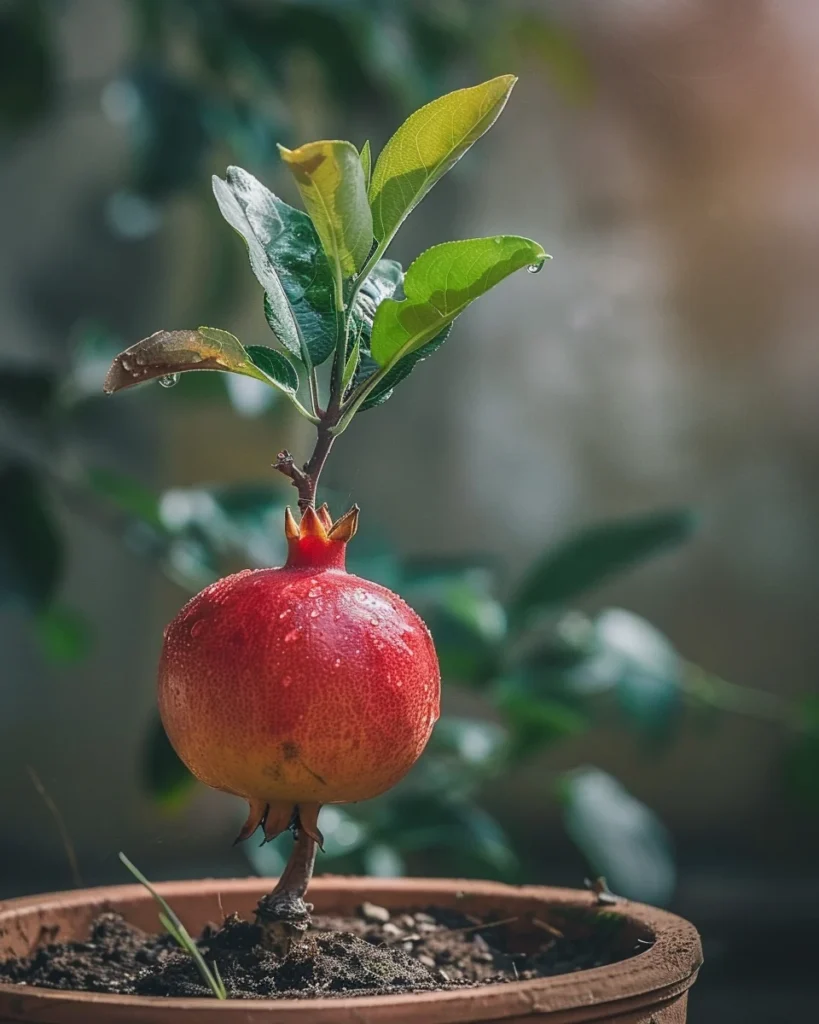
How to Grow Pomegranate in Pots: Perfect Varieties, Planting Tips & Year-Round Care
Intro for growing pomegranate in pots
Pomegranates (Punica granatum) make excellent container plants, bringing exotic beauty and nutritious fruits to patios, balconies, and small gardens. These ancient fruits, celebrated for their jewel-like seeds and antioxidant properties, naturally grow as shrubs or small trees but adapt beautifully to pot culture with proper care. Container-grown pomegranates are perfect for gardeners with limited space or those in cooler climates who need to move plants indoors during winter. With their attractive orange-red flowers, glossy foliage, and ornamental fruits, potted pomegranates offer both visual appeal and a rewarding harvest, making them an excellent addition to any container garden.
When to plant pomegranate in pots
Pomegranates are best planted in early spring after all danger of frost has passed. In temperate regions (USDA zones 7-10 or UK zones 8-9), aim for soil temperatures consistently above 15°C (60°F). In Mediterranean climates, fall planting is also possible, giving roots time to establish before summer heat. For colder regions (below zone 7), wait until late spring when nighttime temperatures remain above 10°C (50°F). Pomegranates are frost-sensitive when young, so timing is crucial for successful establishment in containers.
Best time to plant pomegranate in pots
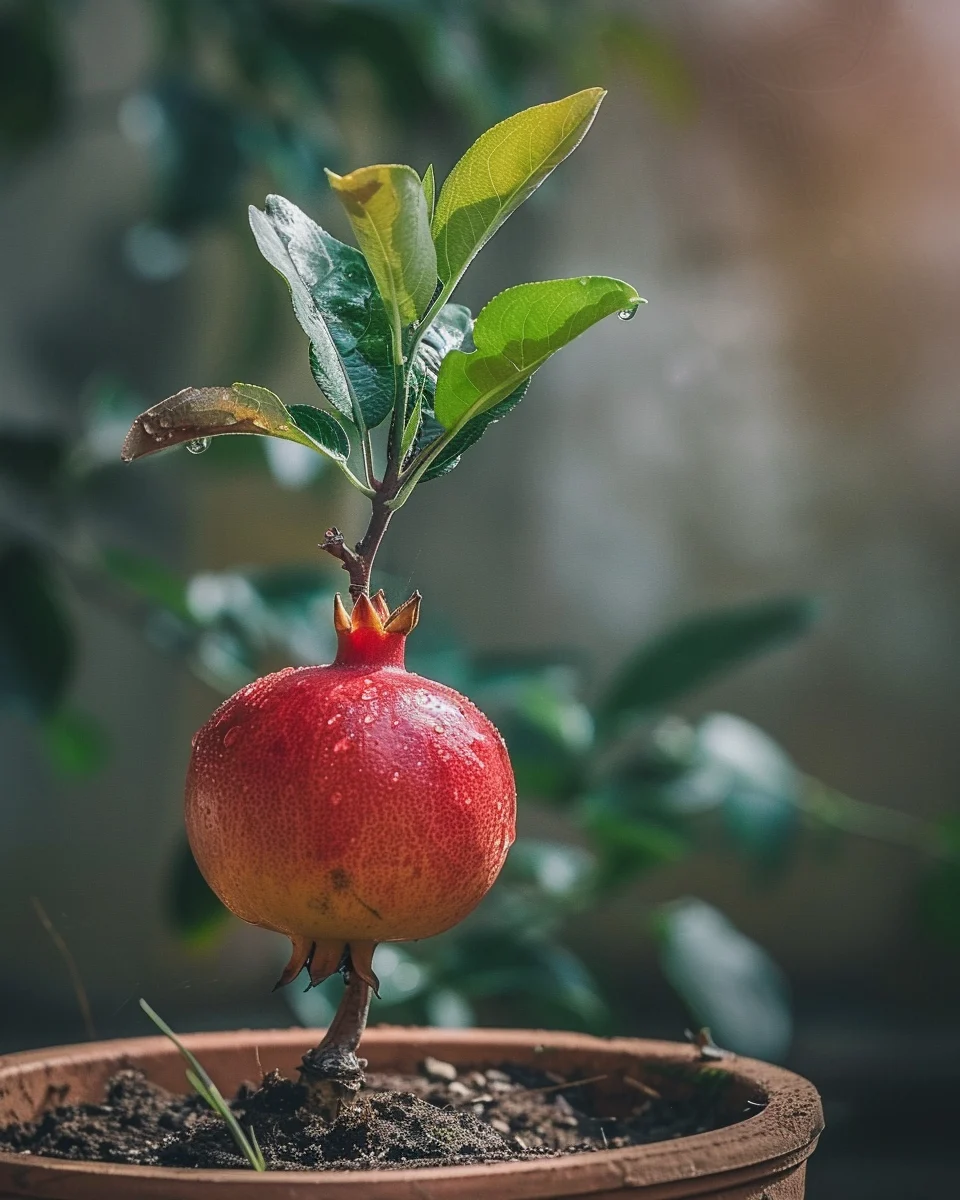
For warm climate gardeners (zones 8-10), plant potted pomegranates between March and May. In cooler temperate regions (zones 6-7), wait until April to June when soil has thoroughly warmed. When starting from bare-root plants, early spring is optimal. For those using cuttings or transplanting nursery specimens, mid-spring to early summer provides ideal conditions. Container planting extends the possible planting window, as you can start plants indoors 4-6 weeks earlier than ground planting in colder regions, then move containers outdoors when conditions permit.
Best pomegranate varieties to grow in pots
- Nana (Punica granatum ‘Nana’) – Naturally dwarf variety reaching only 2-3 feet tall, perfect for containers with ornamental value and small sweet fruits.
- Wonderful – The most popular commercial variety with large, deep red fruits; adapts well to containers despite its potential size.
- Sweet – Compact variety with exceptionally sweet fruits and lower acidity, ideal for fresh eating.
- Russian Red – Cold-hardy variety (to zone 6) with bright red fruits, excellent for northern gardeners.
- Provence – French variety with soft-seeded fruits that are easier to eat and process.
- Eversweet – Produces very sweet fruits even in cooler summers, with minimal seed hardness.
- Angel Red – Known for soft seeds, high juice content, and compact growth habit suitable for containers.
How to plant pomegranate in pots
Materials needed:
- Pomegranate plant (1-2 years old)
- Large container (minimum 50-60 cm/20-24 inches diameter)
- High-quality potting mix
- Coarse gravel or broken pottery pieces
- Slow-release fertilizer
- Watering can
- Gardening gloves
Step-by-step planting:
- Select a container at least 50-60 cm (20-24 inches) in diameter with multiple drainage holes.
- Place a layer of gravel or broken pottery at the bottom of the pot to improve drainage.
- Fill the container about one-third full with high-quality potting mix enriched with compost.
- Remove the pomegranate plant from its nursery container, gently teasing out any circling roots.
- Position the plant in the center of the new container, ensuring the top of the root ball sits about 2.5 cm (1 inch) below the pot rim.
- Fill around the root ball with potting mix, firming gently as you go to eliminate air pockets.
- Water thoroughly until water flows from the drainage holes.
- Apply a 2.5 cm (1 inch) layer of mulch, keeping it away from the trunk to prevent rot.
- Place the container in a sunny location protected from strong winds.
- Water again lightly and add more soil if settling occurs.
How to grow pomegranate in pots
Pomegranates in containers need full sun—at least 6-8 hours daily for optimal flowering and fruiting. Position your pot in the sunniest spot available, ideally with some afternoon shade in very hot climates. Water thoroughly when the top 2.5 cm (1 inch) of soil feels dry, typically every 2-3 days in summer and less frequently in cooler months. Container pomegranates dry out faster than ground-planted ones, so consistent moisture is crucial.
Feed with a balanced slow-release fertilizer in spring, following with liquid fertilizer high in potassium during the flowering and fruiting period. Switch to a low-nitrogen formula in late summer to encourage fruit development. Prune in late winter to maintain shape and size, removing any dead, damaged, or crossing branches. For container cultivation, maintain a more compact form with 4-5 main stems.
Repot every 2-3 years in early spring, moving to a slightly larger container or refreshing the soil in the same pot after root pruning. In winter, protect containers from freezing by moving to a sheltered location or wrapping the pot with insulating materials in zones 7 and below.
Caring for pomegranate in pots
Monitor soil moisture vigilantly, especially during hot weather when container plants may need daily watering. Apply a fresh layer of mulch each spring to conserve moisture and suppress weeds. Inspect regularly for aphids, whiteflies, and scale insects, which can be controlled with insecticidal soap or neem oil. Watch for leaf spot diseases, which appear as brown or yellow spots on foliage—improve air circulation and avoid overhead watering to prevent these issues.
Fruits are ready to harvest when they develop a deep color and make a metallic sound when tapped. Cut rather than pull fruits from the plant using clean pruners. After harvest, reduce watering slightly but never allow the soil to completely dry out, even during dormancy. In regions with freezing winters, move containers to an unheated garage or shed where temperatures remain above -12°C (10°F).
Understanding bolting in pomegranate
Unlike leafy vegetables, pomegranates don’t bolt in the traditional sense. However, they can experience stress responses that affect fruiting. Environmental stressors like extreme temperature fluctuations, drought, or nutrient imbalances can cause premature fruit drop or failure to set fruit. To prevent these issues, maintain consistent watering schedules, provide adequate nutrients, and ensure proper sunlight exposure.
If your pomegranate experiences fruit drop, check for water stress first—both under and overwatering can cause this problem. Adjust your care routine accordingly, ensuring the plant receives deep, thorough watering when needed rather than frequent shallow irrigation. Remember that container-grown pomegranates are more susceptible to stress than ground-planted specimens, requiring more attentive care.
Why does pomegranate turn bitter?
- Underripe harvest – Fruits picked too early often have a bitter taste; wait until fruits are fully colored and make a metallic sound when tapped.
- Variety characteristics – Some varieties naturally have more tannic compounds; choose sweeter varieties like ‘Sweet’ or ‘Eversweet’ if bitterness is a concern.
- Water stress – Irregular watering during fruit development can increase bitter compounds; maintain consistent moisture.
- Nutrient imbalance – Excessive nitrogen fertilizer can contribute to bitterness; switch to potassium-rich fertilizer during fruiting.
- White membrane consumption – The white membranes between arils are naturally bitter; remove completely when consuming.
Companion planting for pomegranate in pots
When creating container arrangements with pomegranates, consider these beneficial companions:
- Lavender – Repels pests while attracting pollinators and creating a Mediterranean aesthetic.
- Thyme – Acts as living mulch, conserving moisture and deterring soil pests.
- Nasturtiums – Attract beneficial insects and can cascade over pot edges for visual appeal.
- Marigolds – Deter nematodes and other pests with their strong scent.
- Rosemary – Shares similar growing requirements and pest-repellent properties.
Avoid planting pomegranates with:
- Mint – Aggressive growth habit will compete for nutrients and can overtake the container.
- Plants with high water needs – Will create conflicting care requirements and potential root competition.
Seasonal calendar
- January-February: Dormant period; protect from frost; minimal watering.
- March: Begin light pruning; prepare for new growth; gradually increase watering.
- April: Apply slow-release fertilizer; repot if necessary; move outdoors in warm regions.
- May: Increase watering frequency; watch for new growth; move outdoors in cooler regions.
- June: Flowering begins; maintain consistent moisture; apply liquid fertilizer.
- July-August: Fruit development; monitor for pests; water deeply and regularly.
- September: Fruits begin to ripen; reduce nitrogen fertilizer; continue regular watering.
- October: Harvest fruits as they mature; begin reducing watering slightly.
- November: Final harvest; prepare for dormancy; reduce watering further.
- December: Move containers to protected location in cold regions; minimal watering.
Problems & solutions
| Problem | Quick Fix |
|---|---|
| Yellowing leaves | Check for overwatering; ensure proper drainage; apply balanced fertilizer if nutrient deficiency is suspected. |
| Fruit splitting | Maintain consistent watering, especially during fruit development; provide afternoon shade in hot climates. |
| Flower drop without fruiting | Ensure adequate pollination by hand-pollinating flowers with a small brush; check for proper sunlight exposure. |
| Leaf spots | Improve air circulation; avoid overhead watering; apply fungicide if necessary; remove affected leaves. |
| Stunted growth | Repot into a larger container; check for root binding; apply balanced fertilizer; ensure adequate sunlight. |
| Aphid infestation | Spray with strong water jet to dislodge; apply insecticidal soap or neem oil; introduce ladybugs as biological control. |
| No flowering | Ensure full sun exposure; apply phosphorus-rich fertilizer; check that plant is mature enough (typically 2-3 years). |
Common questions about growing pomegranate in pots
Q: How large should my container be for a pomegranate?
A: Start with a container at least 50-60 cm (20-24 inches) in diameter and equally deep. As the plant grows, you may need to move to a 70-90 cm (28-36 inch) container for mature specimens.
Q: How often should I water my potted pomegranate?
A: Water when the top 2.5 cm (1 inch) of soil feels dry—typically every 2-3 days in summer and weekly in cooler months. Always check soil moisture rather than following a strict schedule.
Q: Can pomegranates in pots survive winter outdoors?
A: In zones 8 and above, yes, with protection. In zones 7 and below, move containers to an unheated garage or shed where temperatures remain above -12°C (10°F), or wrap pots with insulating materials.
Q: How long before my potted pomegranate produces fruit?
A: Container-grown pomegranates typically begin fruiting in 2-3 years, though dwarf varieties may produce sooner. Ensure adequate sunlight and proper fertilization to encourage fruiting.
Q: Do I need two pomegranate plants for pollination?
A: No, pomegranates are self-fertile. A single plant can produce fruit, though having multiple plants may increase yield through cross-pollination.
Q: How do I know when pomegranates are ready to harvest?
A: Fruits are ready when they develop full color (deep red for most varieties), make a metallic sound when tapped, and the skin becomes leathery rather than glossy.
Q: How often should I repot my pomegranate?
A: Repot every 2-3 years in early spring. Either move to a slightly larger container or refresh the soil in the same pot after pruning back approximately one-third of the roots.