
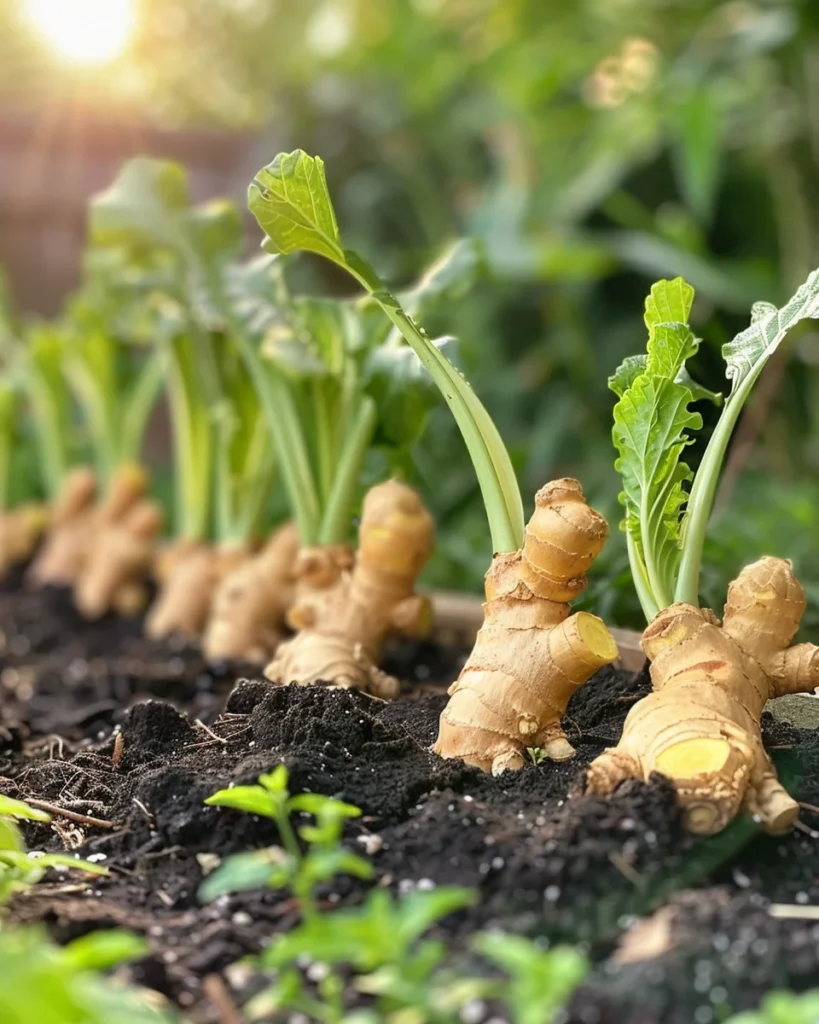
How to Grow Ginger in Pots for Big Harvests: When to Plant, Best Varieties & Care
Intro for growing ginger in pots
Ginger (Zingiber officinale) is a versatile tropical plant that produces flavorful, aromatic rhizomes perfect for culinary and medicinal uses. Growing ginger in containers offers numerous advantages for home gardeners, especially in temperate regions where ground cultivation might be challenging. Container-grown ginger allows for better control over soil conditions, protection from harsh weather, and the ability to move plants to optimize sunlight exposure. With proper care, potted ginger can produce impressive harvests of fresh, zingy rhizomes that far surpass store-bought options in flavor and potency. This guide will walk you through everything you need to know to successfully grow abundant ginger harvests in pots.
When to plant ginger in pots
Ginger thrives in warm conditions and is extremely frost-sensitive. For most temperate regions, plant ginger after all danger of frost has passed and soil temperatures consistently reach 20-24°C (68-75°F). In USDA zones 7-10 or UK mild temperate regions, this typically means late spring. In cooler climates (zones 4-6), wait until early summer when temperatures are reliably warm.
For Mediterranean or subtropical regions, you can plant ginger earlier in spring. If you’re growing indoors, you can start at any time, though natural growth will be strongest during spring and summer months when daylight hours are longer.
Best time to plant ginger in pots
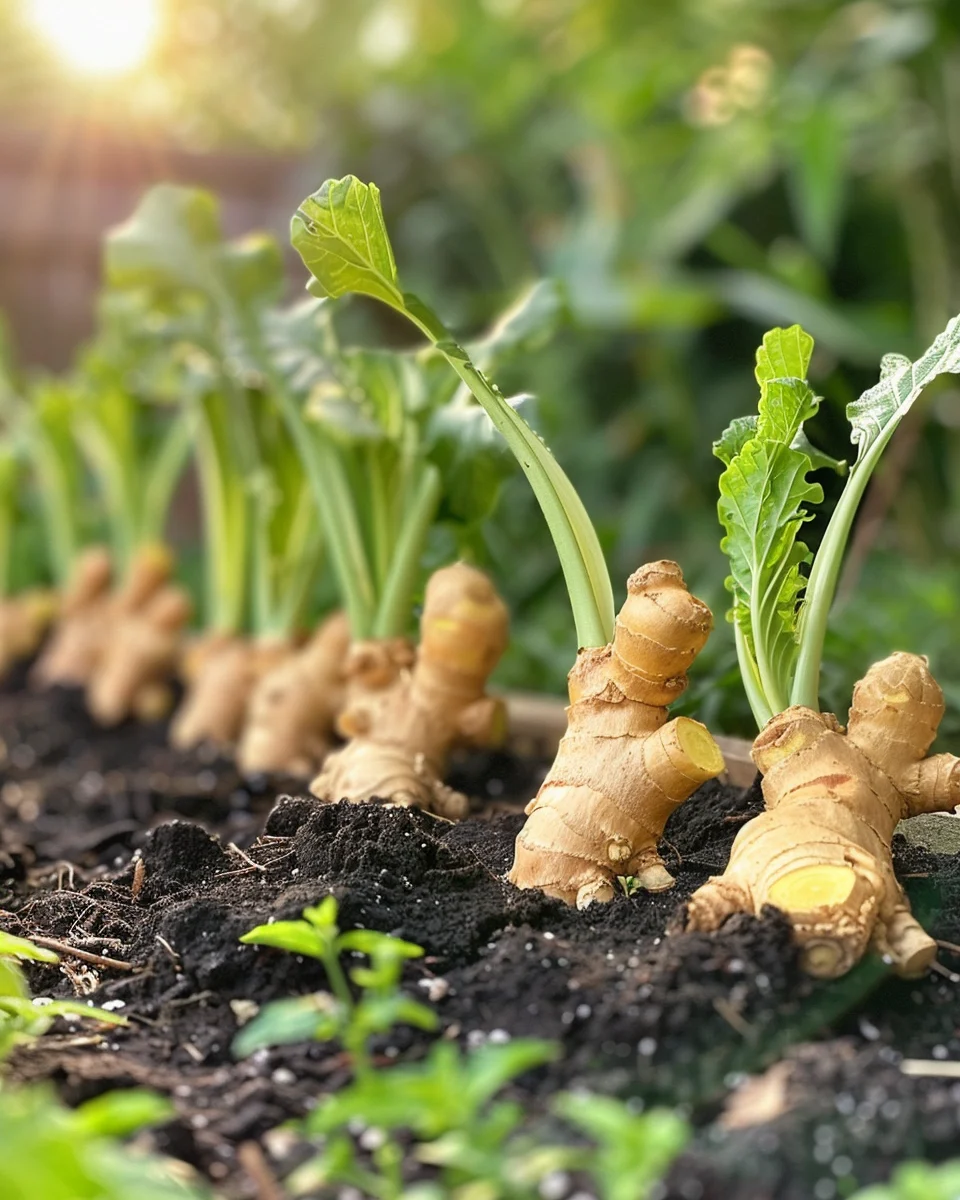
For warm temperate regions (USDA zones 8-10, southern UK): Plant between mid-March and early May when nighttime temperatures consistently stay above 10°C (50°F).
For cooler temperate regions (USDA zones 5-7, northern UK): Plant between late April and early June when soil has thoroughly warmed.
For indoor growing: You can start ginger year-round, but February to April provides an ideal head start, allowing rhizomes to develop before the peak growing season.
Unlike many garden plants, ginger is typically grown from rhizome pieces (often called “seed ginger”) rather than seeds or transplants. Pre-sprouting the rhizomes indoors 4-6 weeks before your planting window can give you a head start on the growing season.
Best ginger varieties to grow in pots
- Common Culinary Ginger (Zingiber officinale) – The standard variety with excellent flavor and adaptability to container growing.
- Baby Ginger – Harvested young for milder flavor, tender pink-tinged skin, and less fibrous texture, perfect for container cultivation.
- Hawaiian Yellow Ginger – Produces large rhizomes with bright yellow flesh and intense flavor, well-suited to larger containers.
- Bubba Blue – An Australian variety with blue rings inside the rhizome, known for compact growth habit ideal for containers.
- Japanese Ginger (Zingiber mioga) – Grown primarily for its edible flower buds and shoots rather than rhizomes, excellent for smaller pots.
- White Ginger – Milder flavor profile with less heat than yellow varieties, good for medicinal uses and cooking.
- Khing Yai – Thai variety with exceptional aromatic qualities and heat tolerance, produces well in containers.
How to plant ginger in pots
Materials needed:
- Fresh, plump ginger rhizomes (organic preferred to avoid growth inhibitors)
- Wide, shallow containers (minimum 30cm/12in wide and 30cm/12in deep)
- High-quality potting mix rich in organic matter
- Compost or well-rotted manure
- Slow-release organic fertilizer
- Mulch material (straw, coconut coir, or leaf mold)
- Watering can or hose with gentle spray attachment
Step-by-step planting process:
- Select fresh, plump ginger rhizomes with visible growth buds or “eyes” (small bumps on the surface).
- Cut rhizomes into 5-8cm (2-3in) pieces, ensuring each piece has at least 2-3 growth buds. Allow cut surfaces to dry and callus for 24-48 hours.
- Prepare your container with drainage holes and fill with rich, well-draining potting mix amended with 25% compost.
- Mix in a small amount of slow-release organic fertilizer according to package directions.
- Plant rhizome pieces 5-8cm (2-3in) deep with the growth buds pointing upward.
- Space multiple pieces 15-20cm (6-8in) apart in larger containers.
- Water thoroughly but gently until moisture comes through drainage holes.
- Apply a 2-3cm (1in) layer of mulch to retain moisture and suppress weeds.
- Place the container in a warm, sheltered position with filtered sunlight.
How to grow ginger in pots
Sunlight for ginger: Ginger prefers bright, indirect light or partial shade. In temperate regions, morning sun with afternoon shade is ideal. Avoid harsh midday sun which can scorch leaves. In cooler climates, ginger can tolerate more direct sunlight.
Watering schedule: Keep soil consistently moist but never waterlogged. Water when the top 2-3cm (1in) of soil feels dry. During hot weather, this might mean watering every 2-3 days; in cooler weather, once a week may suffice. Reduce watering as temperatures cool in autumn.
Fertilizing: Feed monthly with a balanced liquid organic fertilizer diluted to half strength. Alternatively, use a slow-release fertilizer formulated for root crops every 8-10 weeks. Stop fertilizing about a month before harvest.
Container specifics: Choose wide rather than deep containers as ginger grows horizontally. Ensure excellent drainage with multiple drainage holes. Terracotta pots work well as they allow soil to breathe, though plastic containers retain moisture longer in hot climates.
Humidity: Ginger appreciates humidity. In dry climates, place containers on trays filled with pebbles and water (ensuring pot bottoms don’t sit in water) or mist foliage regularly.
Temperature management: Move containers to protected areas if temperatures drop below 10°C (50°F). In regions with cold winters, bring pots indoors before first frost.
Caring for ginger in pots
Ongoing tasks: Monitor soil moisture consistently, especially during hot periods. Add fresh mulch as needed to maintain a 2-3cm (1in) layer. As plants grow taller (potentially reaching 90-120cm/3-4ft), they may need light support with stakes to prevent toppling in windy conditions.
Pests & diseases:
- Spider mites: Cause yellowing, stippled leaves. Treat with insecticidal soap or neem oil, increasing humidity.
- Root rot: Results from overwatering. Ensure proper drainage, reduce watering frequency, and avoid waterlogged soil.
- Bacterial wilt: Causes sudden wilting and yellowing. Remove affected plants immediately and don’t reuse the soil.
- Leaf spot: Creates brown spots on foliage. Improve air circulation, avoid overhead watering, and apply organic fungicide if severe.
Harvest timing & method: For baby ginger, harvest 4-6 months after planting when stems are still green. For mature ginger, wait 8-10 months until foliage begins to yellow and die back. To harvest, gently dig around the edges of the container and lift the entire rhizome network, or harvest partially by removing outer sections while leaving some to continue growing.
Storage basics: Fresh ginger will keep in the refrigerator for 2-3 weeks. For longer storage, clean rhizomes (don’t wash), dry thoroughly, and store in a cool, dark place with good ventilation. Alternatively, freeze peeled, sliced ginger or store in a jar covered with vodka or sherry in the refrigerator.
Understanding bolting in ginger
Unlike many garden vegetables, ginger doesn’t typically bolt (produce flowers and seeds prematurely) in the traditional sense. Ginger naturally produces flowers as part of its growth cycle, usually after the plant is well-established. In container cultivation in temperate regions, flowering is relatively rare.
If your ginger does flower, it’s not a concern for rhizome production. In fact, the flowers are exotic and attractive additions to your container garden. The flowering process doesn’t negatively impact the quality or quantity of the rhizomes as it might with leafy vegetables.
If you’re growing ornamental gingers specifically for their flowers, provide slightly more direct sunlight and regular fertilization to encourage blooming. For culinary ginger grown primarily for rhizomes, the appearance of flowers is simply a sign of a mature, healthy plant.
Why does ginger turn bitter?
- Age of rhizomes: Older ginger develops stronger, sometimes bitter flavors. Harvest younger for milder taste.
- Environmental stress: Extreme temperature fluctuations or drought conditions can trigger bitter compound production. Maintain consistent growing conditions.
- Soil issues: Poor soil quality or mineral imbalances may cause bitterness. Use high-quality potting mix rich in organic matter.
- Variety differences: Some ginger varieties naturally contain more zingerone and shogaols, compounds that contribute to bitterness. Choose milder varieties if preferred.
- Improper storage: Ginger stored too long or in improper conditions can develop bitter notes. Store properly and use fresh.
Companion planting for ginger
Good companions for container ginger:
- Turmeric – Related plant with similar growing requirements that doesn’t compete for nutrients.
- Lemongrass – Complements ginger’s growth habits and helps repel certain pests.
- Cilantro/Coriander – Shallow-rooted herb that won’t compete with ginger’s rhizome development.
- Basil – Repels some insect pests and thrives in similar conditions.
- Marigolds – Help deter nematodes and other soil pests that might damage ginger.
Plants to avoid planting with ginger:
- Aggressive root vegetables (potatoes, carrots) – Compete directly for root space and nutrients.
- Mint family herbs – Their spreading growth habit can overwhelm ginger in containers.
- Plants requiring very different watering regimes – Drought-tolerant plants like rosemary won’t thrive with ginger’s moisture needs.
Seasonal calendar
Spring (March-May):
- Purchase or prepare rhizomes for planting
- Pre-sprout rhizomes indoors in warmer regions
- Plant in containers once temperatures are consistently warm
- Begin regular watering and initial fertilization
Summer (June-August):
- Maintain consistent moisture
- Apply monthly fertilizer
- Monitor for pests and diseases
- Provide afternoon shade during hottest periods
- Harvest baby ginger if desired (from late summer)
Autumn (September-November):
- Reduce fertilization
- Begin harvesting mature rhizomes as foliage yellows
- Prepare to bring containers indoors in colder regions
- Complete harvest before first frost in temperate regions
Winter (December-February):
- Store harvested ginger properly
- Maintain indoor plants with reduced watering
- Plan for next season’s planting
- Purchase new rhizomes for spring planting
Adjustments: In hot regions (zones 9-11), planting can begin earlier (February-March). In cool regions (zones 4-6), delay planting until late spring and consider growing indoors year-round.
Problems & solutions
| Problem | Quick Fix |
|---|---|
| Yellowing leaves | Check for overwatering; ensure proper drainage; may need more nutrients if soil is depleted. |
| Stunted growth | Increase feeding with balanced organic fertilizer; ensure container is large enough; check for root congestion. |
| Soft, rotting rhizomes | Reduce watering immediately; improve drainage; remove affected parts and repot in fresh soil if necessary. |
| Leaf spots or browning | Improve air circulation; avoid wetting foliage when watering; apply organic fungicide if needed. |
| Slow sprouting | Ensure temperatures are consistently above 20°C (68°F); pre-sprout rhizomes in a warm, moist environment. |
| Pest infestation | Apply neem oil or insecticidal soap; introduce beneficial insects; isolate affected plants. |
| Thin, fibrous rhizomes | Improve soil fertility; ensure container is wide enough; harvest later for fuller development. |
Common questions about growing ginger in pots
How often should I water my potted ginger?
Water when the top 2-3cm (1in) of soil feels dry to the touch. In summer, this might mean every 2-3 days; in cooler weather, once a week may be sufficient. Always ensure containers drain well and never leave pots sitting in water.
What size container is best for growing ginger?
Use containers at least 30cm (12in) wide and 30cm (12in) deep. Ginger spreads horizontally, so width is more important than depth. For multiple plants, use containers 40-50cm (16-20in) wide to allow proper rhizome development.
How much sunlight does potted ginger need?
Ginger prefers bright, indirect light or partial shade. Morning sun with afternoon shade is ideal in most regions. In cooler climates, ginger can tolerate more direct sunlight, while in hot areas, it benefits from more protection from intense midday sun.
When is the best time to harvest ginger from containers?
For young, tender “baby” ginger, harvest 4-6 months after planting. For mature ginger with more developed flavor, wait 8-10 months until the foliage begins to yellow and die back. In temperate regions, harvest all ginger before first frost.
Can I grow ginger indoors year-round?
Yes, ginger can be grown indoors year-round if provided with bright, indirect light, consistent temperatures above 18°C (65°F), and adequate humidity. Growth may slow during winter months with reduced natural light, but plants will thrive again in spring.
How can I maximize my ginger harvest in containers?
Use wide containers with rich, well-draining soil. Fertilize regularly, maintain consistent moisture, and ensure plants receive adequate but not excessive light. Harvest selectively by removing outer sections of rhizomes while leaving the center to continue growing for multiple harvests.
Is it possible to regrow ginger from store-bought rhizomes?
Yes, but choose organic ginger as conventional ginger is often treated with growth inhibitors. Look for plump pieces with visible growth buds or “eyes.” Soak overnight before planting to help remove any growth inhibitors and stimulate sprouting.