
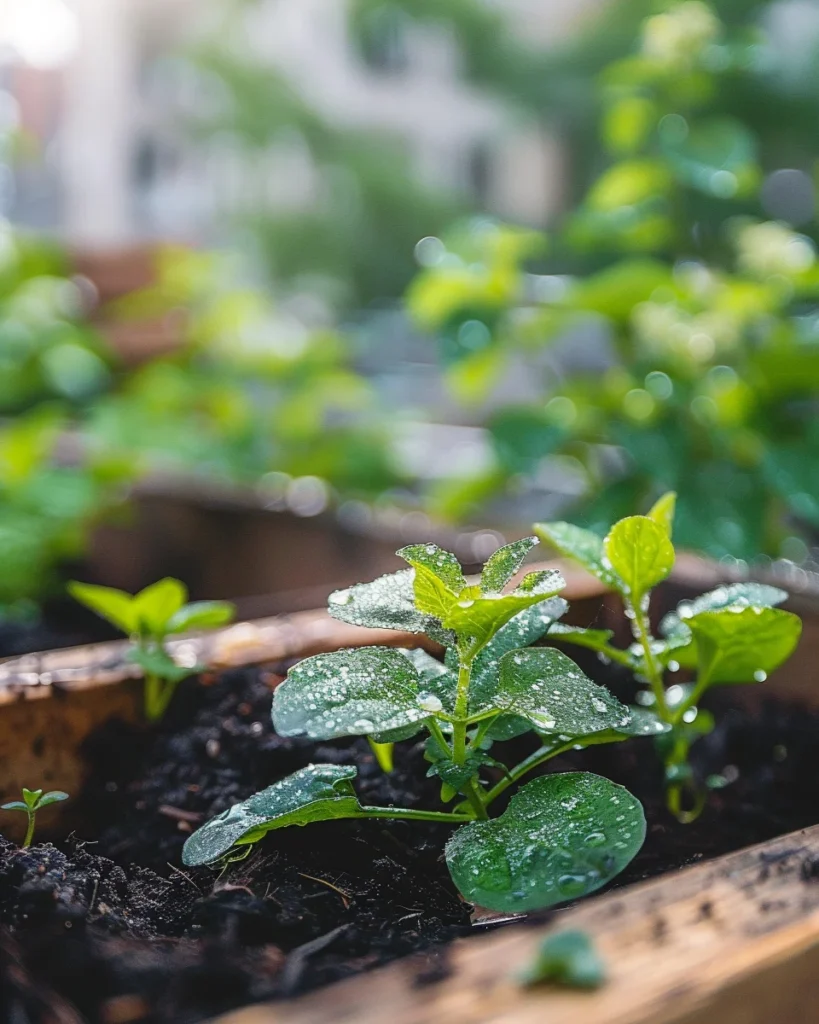
How to Grow a Container Garden on a Rooftop: When to Start, Best Plants & Essential Care Tips
Intro for how to grow a container garden on a rooftop
A rooftop container garden transforms unused urban space into a thriving oasis of greenery, fresh produce, and beauty. This elevated gardening approach offers multiple benefits: it utilizes otherwise wasted space, provides insulation that can reduce energy costs, creates habitat for pollinators, and gives city dwellers access to homegrown food and flowers. Rooftop gardens thrive in most temperate regions but require special consideration for weight, wind exposure, and water access. With proper planning and plant selection, your rooftop can become a productive garden that withstands challenging conditions while providing beauty, food, and a peaceful retreat above the bustle of city life.
When to plant how to grow a container garden on a rooftop
The ideal planting time for a rooftop container garden depends on your climate and the specific plants you choose. In general temperate regions, begin planning in late winter (February-March), with initial setup in early spring after the risk of hard frost has passed. Soil temperatures should consistently reach 10-13°C (50-55°F) for cool-season crops and 15-18°C (60-65°F) for warm-season plants. Rooftop gardens often experience a “heat island effect,” warming earlier in spring and staying warmer later into fall than ground-level gardens, potentially extending your growing season by 2-4 weeks on either end.
Best time to plant how to grow a container garden on a rooftop
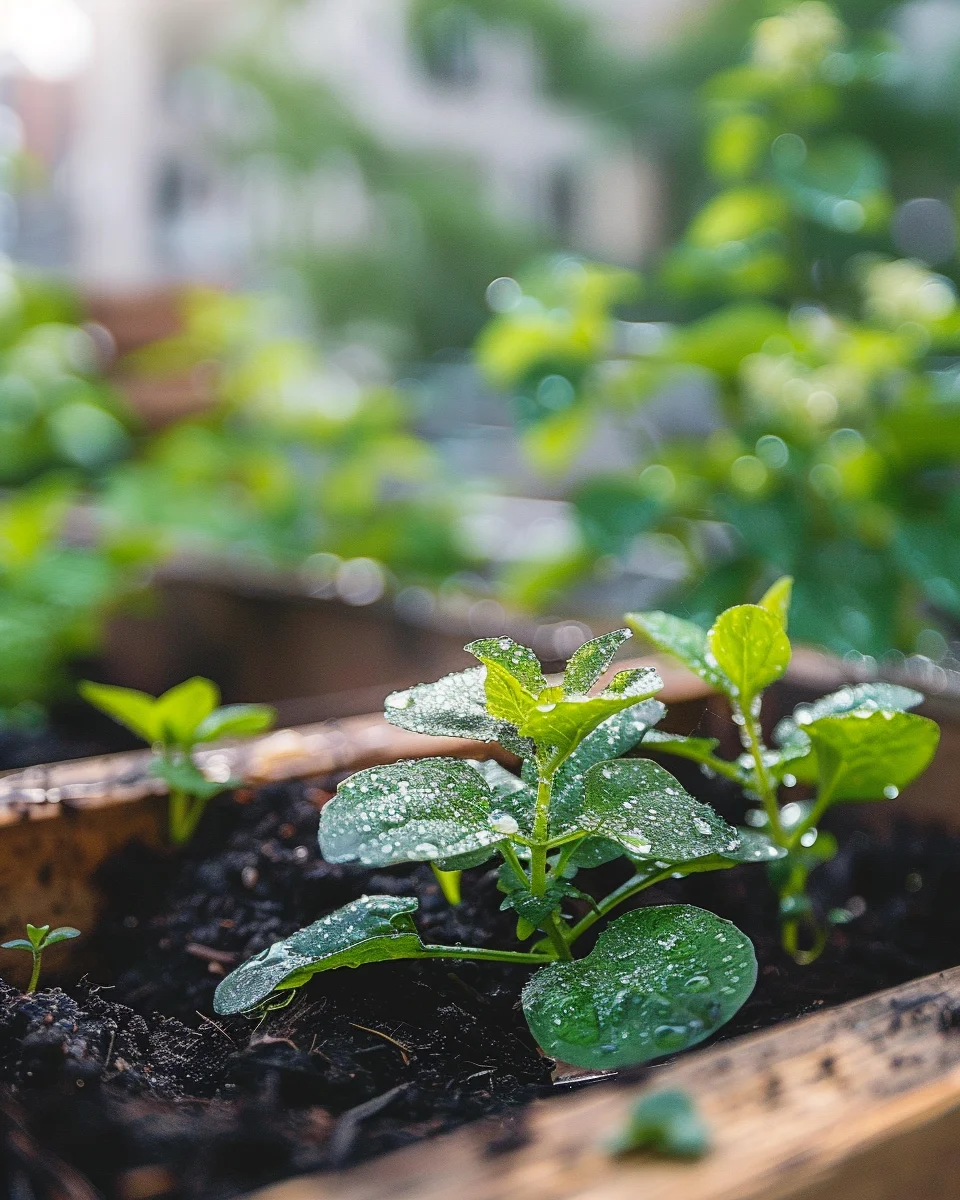
For cool temperate regions (UK, Northern US, Canada), establish your rooftop garden between mid-April and early June, starting with cold-hardy plants like kale, lettuce, and pansies in April, followed by more tender crops in May. For warm temperate regions (Southern US, Mediterranean), you can begin in March with heat-tolerant varieties, but provide shade protection during summer months (June-August). In hot climates, consider a fall/winter growing season for many crops. Transplants generally perform better than direct-sown seeds in rooftop conditions, as they establish more quickly in the challenging environment, though root crops and beans should always be direct-sown.
Best how to grow a container garden on a rooftop varieties to grow
- Compact Bush Tomatoes – ‘Patio Princess’ or ‘Tiny Tim’ stay small while producing full-sized fruits without excessive height or sprawl.
- Dwarf Fruit Trees – ‘Garden Prince’ almond or ‘Improved Meyer’ lemon trees thrive in large containers and provide beautiful structure to rooftop spaces.
- Trailing Nasturtiums – ‘Jewel Mix’ offers edible flowers and leaves while cascading beautifully over container edges, softening hard rooftop lines.
- Compact Herbs – ‘Spicy Globe’ basil and ‘Blue Boy’ rosemary resist wind damage with their naturally compact growth habit.
- Drought-Tolerant Succulents – Sedum varieties and hens-and-chicks require minimal watering and withstand temperature fluctuations common on rooftops.
- Cut-and-Come-Again Greens – ‘Salad Bowl’ lettuce and ‘Bright Lights’ Swiss chard provide multiple harvests from the same plants, maximizing container productivity.
- Wind-Resistant Ornamental Grasses – ‘Hameln’ dwarf fountain grass adds movement and texture while standing up to rooftop breezes.
How to plant how to grow a container garden on a rooftop
Materials needed:
- Lightweight containers (fiberglass, plastic, or foam rather than heavy ceramic or terracotta)
- Lightweight potting mix (not garden soil or topsoil)
- Moisture-retention crystals or coconut coir
- Slow-release fertilizer
- Windbreaks or barriers
- Irrigation system or watering cans
- Plant supports (stakes, cages, trellises)
- Dolly or plant caddy for moving heavy containers
Step-by-step planting process:
- Consult a structural engineer to verify your roof can support the weight of containers, soil, plants, and water (especially important for older buildings).
- Create a roof plan, positioning taller plants on the north side to avoid shading shorter plants and using windbreaks on prevailing wind sides.
- Add drainage holes to containers if not already present, then place mesh screens over holes to prevent soil escape while allowing drainage.
- Place containers on risers or feet to improve drainage and protect the roof surface from moisture damage.
- Mix lightweight potting soil with moisture-retention materials and slow-release fertilizer according to package directions.
- Fill containers to within 2.5 cm (1 inch) of the rim to allow for watering without overflow.
- Plant according to each variety’s requirements, generally placing plants at the same depth they were growing in nursery containers.
- Space plants more densely than in ground gardens (about 75% of recommended spacing) as container growing allows for more intensive planting.
- Water thoroughly until water drains from the bottom of containers to settle soil and eliminate air pockets.
- Apply a thin layer of mulch to retain moisture and moderate soil temperature fluctuations.
How to grow how to grow a container garden on a rooftop
Rooftop container gardens require more frequent attention than ground-level gardens. Provide 6-8 hours of sunlight for most vegetables and flowering plants, though some leafy greens and shade-loving ornamentals can thrive with 4-6 hours. Water deeply when the top 2.5 cm (1 inch) of soil feels dry—typically every 1-2 days during summer heat and every 3-4 days in cooler weather. Consider installing a drip irrigation system with a timer to maintain consistent moisture.
Fertilize container plants more frequently than in-ground gardens, as nutrients leach quickly from containers. Apply liquid fertilizer at half-strength every 2-3 weeks during the growing season, or use slow-release fertilizer refreshed every 6-8 weeks. Mulch all containers with a 2.5 cm (1 inch) layer of lightweight material like straw, pine needles, or coconut coir to reduce evaporation.
Prune regularly to maintain appropriate size for containers and improve air circulation. Install stakes, cages, or trellises at planting time for vining plants to prevent root disturbance later. For container-specific care, choose pots at least 30 cm (12 inches) deep for most vegetables, and use self-watering containers or water reservoirs for times when you can’t water daily during heat waves.
Caring for how to grow a container garden on a rooftop
Ongoing maintenance includes checking containers daily during hot weather, as rooftop environments dry out faster than ground-level gardens. Rotate containers quarterly to ensure even growth, as rooftop sun exposure can be intense on one side. Common rooftop pests include aphids, spider mites, and whiteflies, which thrive in hot, dry conditions. Combat these with regular sprays of insecticidal soap or neem oil, and introduce beneficial insects like ladybugs.
Wind damage presents a unique rooftop challenge—secure tall plants with stakes and consider windbreaks for protection. Root-bound plants are another container-specific issue; prevent this by moving plants to larger containers when roots begin circling the bottom or growing out drainage holes.
Harvest vegetables and herbs regularly to encourage continued production. For storage, most leafy greens keep best when washed, dried thoroughly, and refrigerated in containers lined with paper towels. Root vegetables can be stored in cool, dark locations, while herbs can be dried or frozen in oil for long-term preservation.
Understanding bolting in how to grow a container garden on a rooftop
Bolting refers to the premature flowering and seed production in leafy and root vegetables, making them bitter and tough. In rooftop gardens, bolting occurs more frequently due to temperature fluctuations and stress factors. The primary triggers include sudden heat spikes (rooftops can be 5-10°F warmer than ground level), extended daylight hours (photoperiod sensitivity), and stress from inconsistent watering or root confinement.
Prevent bolting by selecting bolt-resistant varieties like ‘Slobolt’ lettuce or ‘Apollo’ arugula, providing afternoon shade during hot periods, maintaining consistent moisture, and harvesting leafy crops young. If bolting begins, immediately harvest the entire plant for leafy greens, as quality deteriorates rapidly once the flowering process starts. For herbs like cilantro and basil, pinch flower buds as soon as they appear to extend the harvest period.
Why does how to grow a container garden on a rooftop turn bitter?
- Heat stress: Rooftop temperatures can fluctuate dramatically, causing plants (especially greens) to produce bitter compounds—provide afternoon shade with umbrellas or shade cloth during heat waves.
- Water stress: Inconsistent watering in containers leads to stressed plants and bitter flavors—install self-watering systems or water-monitoring devices to maintain even moisture.
- Nutrient imbalance: Container plants can quickly deplete nutrients or suffer from fertilizer buildup—flush containers monthly with plain water and follow a regular feeding schedule.
- Age: Many greens and herbs naturally become bitter as they mature—harvest younger leaves and practice succession planting every 2-3 weeks for continuous young growth.
- Variety selection: Some varieties simply don’t perform well in rooftop conditions—keep records of which varieties succeed and which struggle in your specific rooftop microclimate.
Companion planting for how to grow a container garden on a rooftop
Companion planting works especially well in container gardens where plants grow in close proximity. Beneficial combinations include:
- Tomatoes + Basil: Basil repels tomato hornworms and improves tomato flavor while thriving in the same growing conditions.
- Lettuce + Radishes: Fast-growing radishes mark rows of slower-germinating lettuce and utilize space efficiently as lettuce grows.
- Marigolds + Most Vegetables: Marigolds deter nematodes and many insect pests while adding color to vegetable containers.
- Nasturtiums + Cucumbers: Nasturtiums act as trap crops for aphids that might otherwise attack cucumbers, and both can grow on the same trellis.
- Chives + Carrots: Chives repel carrot rust fly and take up minimal root space in shared containers.
Avoid planting these combinations in the same containers:
- Fennel with Most Vegetables: Fennel releases compounds that inhibit growth of many common garden plants.
- Mint with Other Herbs: Mint’s aggressive growth will quickly dominate shared containers—always plant mint alone.
- Potatoes with Tomatoes: These related plants share diseases and compete for the same nutrients in limited container soil.
Seasonal calendar
- January-February: Plan garden layout, order seeds, check roof structural capacity, repair containers from previous season.
- March: Start warm-season seedlings indoors, prepare containers, install irrigation systems, plant cold-hardy crops in mild climates.
- April: Plant cool-season crops (lettuce, peas, spinach), prepare windbreaks, monitor for late frosts and protect as needed.
- May: Plant heat-loving crops after frost danger passes (tomatoes, peppers, basil), begin regular fertilizing schedule.
- June: Install trellises and supports, monitor for pests as temperatures rise, harvest cool-season crops.
- July-August: Maintain consistent watering (often daily), provide shade during extreme heat, harvest summer crops regularly.
- September: Plant fall crops (kale, spinach, radishes), remove spent summer plants, apply compost to refresh containers.
- October: Harvest remaining summer crops before frost, protect cold-hardy plants for extended harvest.
- November: Clean and store tender containers, plant garlic and overwintering crops in protected areas.
- December: Inventory supplies, evaluate season’s successes and challenges, protect perennial containers from freezing.
Note: For warmer regions (Zones 9-11), fall and winter become prime growing seasons for many crops, while summer may require heat-tolerant varieties or a gardening pause.
Problems & solutions
| Problem | Quick Fix |
|---|---|
| Containers drying out too quickly | Add water-retention crystals to soil, group containers together to reduce evaporation, install drip irrigation on timers |
| Wind damage to plants | Create windbreaks with bamboo screens or lattice, position taller containers to shield smaller ones, choose wind-resistant varieties |
| Containers too heavy to move | Place containers on plant caddies with wheels before filling, use lightweight potting mix with perlite or vermiculite |
| Excessive heat buildup | Use light-colored containers that reflect heat, elevate containers slightly off rooftop surface, provide afternoon shade |
| Poor drainage causing root rot | Ensure containers have multiple drainage holes, elevate pots on feet or risers, mix perlite into potting soil |
| Nutrient deficiency (yellowing leaves) | Apply liquid seaweed or fish emulsion fertilizer immediately, then establish regular feeding schedule |
| Limited pollination affecting yields | Hand-pollinate vegetables using a small brush, plant pollinator-attracting flowers, avoid pesticides during flowering |
Common questions about growing how to grow a container garden on a rooftop
Q: How much weight can my roof support for a container garden?
A: Most residential roofs can support 15-40 pounds per square foot, but always consult a structural engineer before installing a rooftop garden. Use lightweight containers and potting mix, and distribute weight evenly rather than clustering heavy containers.
Q: How often should I water my rooftop container garden?
A: Most rooftop containers need watering every 1-2 days during summer and every 3-4 days in spring and fall. Check moisture by inserting your finger 2.5 cm (1 inch) into the soil—if it feels dry, water thoroughly until it drains from the bottom.
Q: What size containers work best for rooftop vegetables?
A: Use containers at least 30 cm (12 inches) deep and 30-45 cm (12-18 inches) in diameter for most vegetables. Tomatoes and larger plants need 45-60 cm (18-24 inch) containers, while salad greens can grow in shallower 15 cm (6 inch) deep containers.
Q: How can I protect my rooftop garden from extreme weather?
A: Install temporary shade cloth during heat waves, use frost cloth or bring containers inside during freezing weather, and create windbreaks using lattice panels or larger containers positioned strategically against prevailing winds.
Q: Can I grow perennials in my rooftop container garden?
A: Yes, but choose perennials rated for 1-2 zones colder than your actual zone, as container roots are more exposed to temperature extremes. In winter, group containers together, insulate with bubble wrap, and elevate slightly to prevent freezing to the roof surface.
Q: How do I prevent my containers from damaging the roof?
A: Place all containers on protective mats made of rubber or specialized roof-protection material. Ensure containers have feet or risers to allow airflow and drainage underneath, and regularly check for and clean up soil or debris that could clog roof drainage systems.
Q: Is rainwater sufficient for watering my rooftop garden?
A: Rainwater is excellent for plants but rarely sufficient for container gardens. Consider installing a rainwater collection system to supplement your watering, but always have an alternative water source for dry periods, as containers dry out much faster than in-ground gardens.