
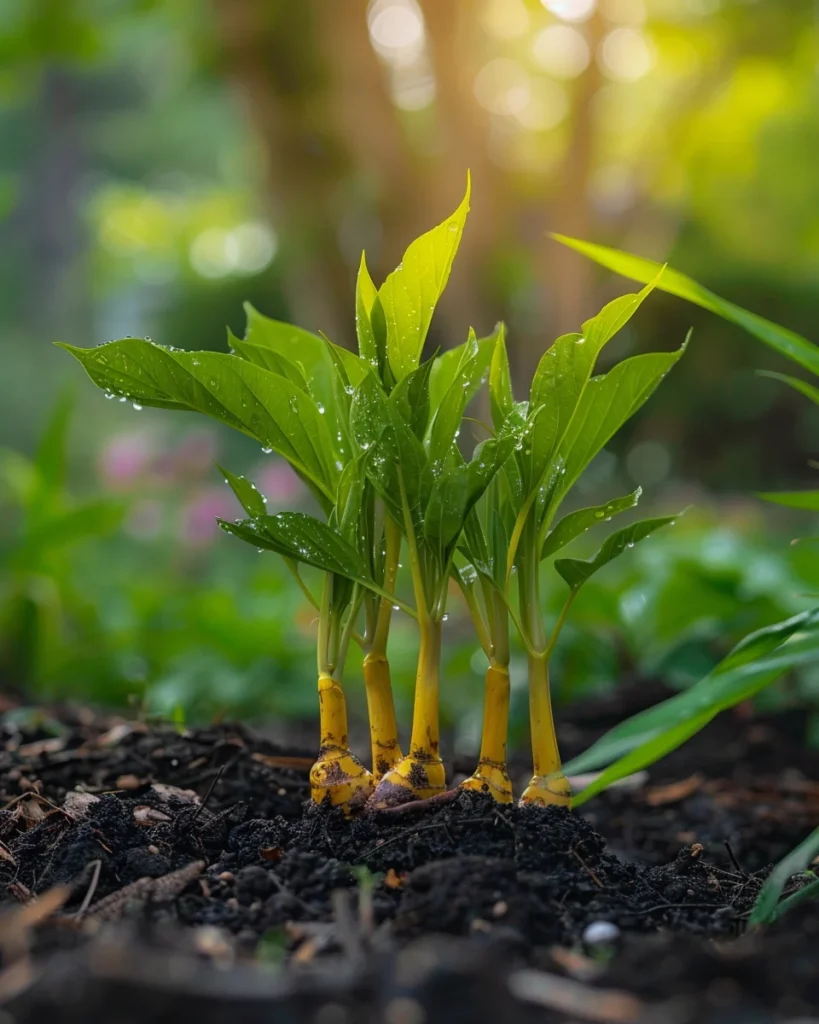
How to Grow Turmeric in Pots for Fresh Roots: When to Plant, Best Varieties & Care
Intro for growing turmeric in pots for fresh roots
Turmeric (Curcuma longa) is a vibrant, golden-fleshed rhizome that adds both flavor and powerful health benefits to your kitchen. Growing turmeric in pots allows gardeners in virtually any climate to enjoy this tropical treasure, as containers can be moved indoors when temperatures drop. The plant produces beautiful tropical foliage reaching 90-120 cm (3-4 ft) tall, making it ornamental as well as practical. With its anti-inflammatory properties and distinctive earthy flavor, homegrown turmeric is fresher and more potent than store-bought versions. Even gardeners with limited space can successfully grow this superfood with the right care and conditions.
When to plant turmeric in pots for fresh roots
Turmeric is a tropical plant that requires warm conditions to thrive. Plant turmeric when soil temperatures consistently reach at least 18-21°C (65-70°F). In temperate regions, this typically means waiting until late spring when all danger of frost has passed. Turmeric has a long growing season of 8-10 months, so gardeners in cooler climates (UK, northern US, Canada) should start indoors 2-3 months before the last frost date. Those in USDA zones 8-11 can plant directly outdoors once warm weather arrives. Turmeric is extremely frost-sensitive, so protect plants or bring containers indoors when temperatures approach 10°C (50°F).
Best time to plant turmeric in pots for fresh roots
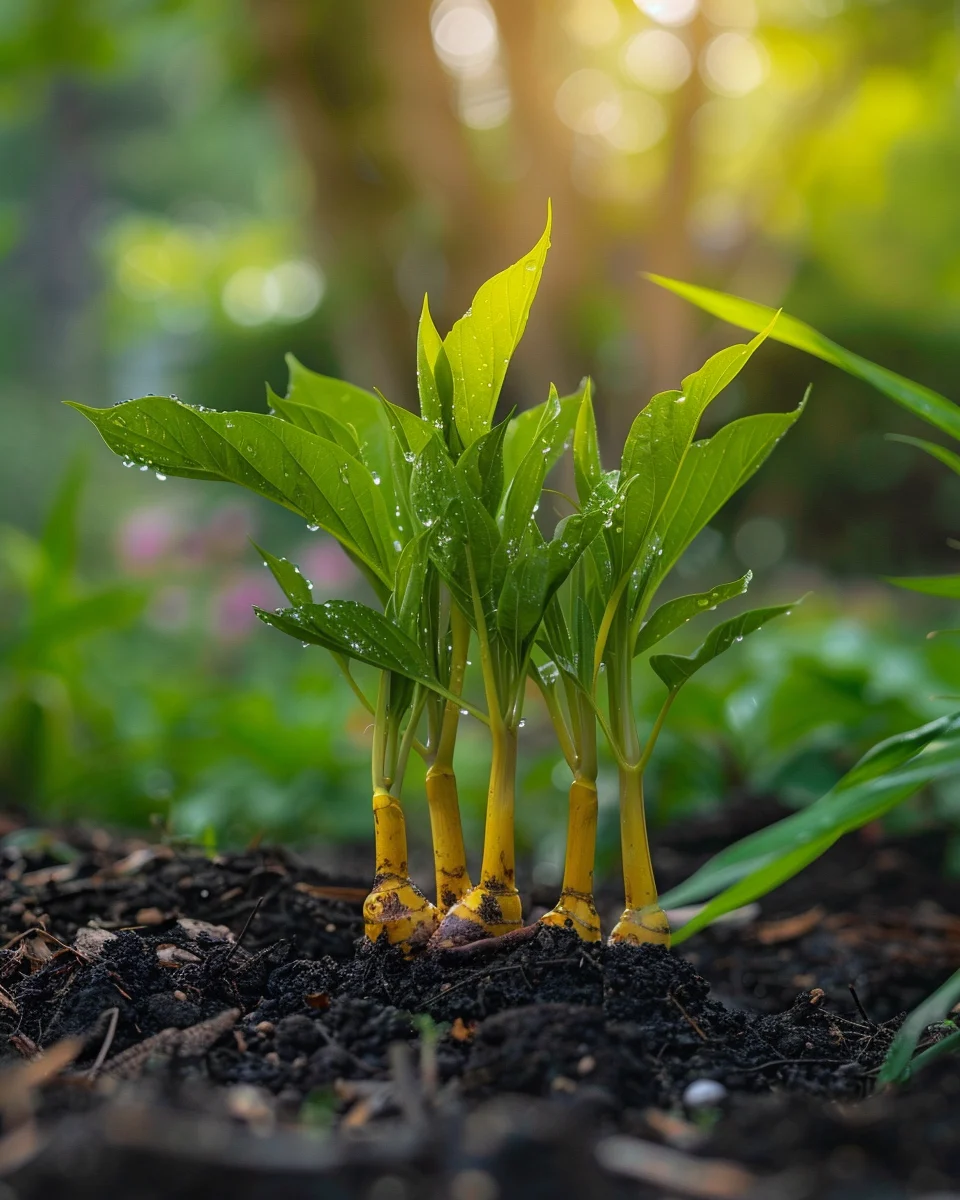
For cool temperate regions (UK, northern US, Canada), start turmeric indoors in pots in February or March, then move outdoors after the last frost (May-June). For warm temperate regions (US zones 8-10, Mediterranean), plant directly in containers outdoors from March to May. In subtropical/tropical areas, planting can occur from February through April. When transplanting pre-started turmeric, wait until nighttime temperatures consistently stay above 13°C (55°F). Direct planting of rhizomes should only occur when soil has thoroughly warmed. The earlier you can safely plant, the longer growing season you’ll provide, resulting in larger rhizome harvests.
Best turmeric varieties to grow in pots
- Alleppey – Prized for its high curcumin content (5-7%) and deep orange-yellow color, ideal for medicinal uses.
- Madras – Produces large rhizomes with bright yellow flesh, excellent for container growing with moderate height.
- Hawaiian Red – Features striking reddish-pink flesh with unique flavor notes and grows well in slightly cooler conditions.
- Lakadong – Known for exceptional curcumin levels (7-9%) with intense color and flavor, though requires larger containers.
- Erode – Compact growth habit makes it perfect for smaller containers while still producing good yields.
- Black Turmeric (Curcuma caesia) – Rare variety with bluish-black flesh, medicinal properties, and striking purple-tinged foliage.
- White Mango – Milder flavor profile with light yellow flesh, excellent for culinary uses where subtle turmeric notes are desired.
How to plant turmeric in pots for fresh roots
Materials needed:
- Fresh turmeric rhizomes with visible growth buds/eyes
- Large containers (minimum 30 cm/12 in deep, 30 cm/12 in diameter)
- High-quality potting mix with added compost
- Organic fertilizer (balanced NPK)
- Mulch material (straw, coconut coir, or leaf mold)
- Watering can or hose with gentle spray
Step-by-step planting:
- Select healthy rhizomes with 2-3 growth buds or “fingers” per piece; store-bought organic turmeric works if it hasn’t been treated with growth inhibitors.
- Pre-sprout rhizomes by laying them in a shallow tray with damp coconut coir or sphagnum moss for 1-2 weeks until buds swell or small shoots appear.
- Fill containers with well-draining potting mix enriched with 25% compost, leaving 5 cm (2 in) space at the top.
- Plant rhizome pieces 5-7 cm (2-3 in) deep with growth buds facing upward.
- Space multiple rhizomes 15-20 cm (6-8 in) apart in larger containers, or plant one rhizome per 5-gallon (19 L) pot.
- Cover with soil and water thoroughly until moisture drains from the bottom.
- Apply 2-3 cm (1 in) of mulch to retain moisture and suppress weeds.
- Place pots in a warm, partially shaded location until sprouts emerge (typically 2-4 weeks).
- Once sprouted, gradually move to a location with morning sun and afternoon shade.
How to grow turmeric in pots for fresh roots
Turmeric thrives in bright, indirect sunlight or morning sun with afternoon shade, especially in hot climates. Provide 4-6 hours of sunlight daily, with protection during intense midday heat. Water consistently to maintain even soil moisture—never soggy but never completely dry. In containers, this typically means watering deeply once the top 2-3 cm (1 in) of soil feels dry, usually 2-3 times weekly in summer and less in cooler weather.
Feed plants monthly with balanced organic fertilizer or compost tea during the growing season. Alternatively, use a slow-release organic fertilizer every 8 weeks. Turmeric is a heavy feeder, especially when confined to containers. Maintain a 5 cm (2 in) layer of mulch to conserve moisture and regulate soil temperature.
For container growing, choose pots at least 30 cm (12 in) deep with excellent drainage. Fabric grow bags (20-30 L/5-8 gallon) work well as they prevent root circling and provide good aeration. In cooler climates, black containers absorb heat and help maintain warmer soil temperatures. No staking is typically required, though tall varieties may need support in windy locations.
Caring for turmeric in pots for fresh roots
Monthly care includes checking soil moisture levels, refreshing mulch as it decomposes, and inspecting for pests. As plants grow taller, they may become top-heavy—consider moving pots to more sheltered locations to prevent tipping. Turmeric rarely requires pruning, though yellowing lower leaves can be removed to improve air circulation.
Common pests include aphids, spider mites, and mealybugs, especially on indoor plants. Treat with insecticidal soap or neem oil spray at first sign of infestation. Root rot can occur in overly wet conditions—ensure pots drain freely and never sit in water. Leaf spot diseases may appear in humid conditions; improve air circulation and avoid overhead watering.
Harvest turmeric 8-10 months after planting when the leaves and stems begin to turn yellow and dry. Carefully tip the container and gently remove the entire root system. Clean rhizomes by washing away soil, then dry thoroughly before storing in a cool, dark place. Save several healthy rhizomes for replanting. Fresh turmeric can be stored in the refrigerator for up to 3 weeks or frozen for longer preservation.
Understanding bolting in turmeric plants
Unlike many garden vegetables, turmeric doesn’t bolt in the traditional sense of premature flowering and seed production. However, turmeric does produce flowers, typically in mid to late summer, which is a normal part of its growth cycle rather than a stress response. Flowering doesn’t negatively impact rhizome development and can actually be a decorative feature with its unique pink or white cone-shaped blooms.
If your turmeric plant produces flowers, there’s no need for concern or intervention. Continue regular care practices, as the plant will naturally direct energy back to rhizome development after flowering. In container-grown turmeric, flowering may be less common, especially in cooler climates with shorter growing seasons. If you’re growing primarily for maximum rhizome production, ensure consistent moisture and fertilization throughout the flowering period.
Why does turmeric turn bitter?
- Harvesting too early – Immature rhizomes haven’t developed full flavor complexity; always wait for foliage to yellow before harvesting.
- Improper storage – Exposure to light and warm temperatures can cause chemical changes leading to bitterness; store in cool, dark conditions.
- Drought stress – Inconsistent watering during growth can trigger defense compounds that create bitter flavors; maintain even soil moisture.
- Variety differences – Some varieties naturally contain higher levels of certain compounds that contribute to a more bitter profile; try milder varieties like White Mango.
- Soil mineral imbalances – Excessive nitrogen or deficiencies in potassium can affect flavor development; use balanced fertilizers and test soil periodically.
Companion planting for turmeric in pots
Good companions:
- Ginger – Related plant with similar growing requirements that doesn’t compete for resources.
- Sweet potatoes – Trailing vines can act as living mulch around turmeric stems while utilizing different soil layers.
- Pigeon peas – Fix nitrogen in the soil and provide partial shade for turmeric plants in hot climates.
- Lemongrass – Repels certain pests while thriving in similar conditions to turmeric.
- Marigolds – Deter nematodes and other soil pests that might affect turmeric rhizomes.
Avoid planting near:
- Root vegetables (carrots, radishes) – Compete directly for underground growing space and nutrients.
- Heavy feeders like tomatoes or eggplants – May deplete soil nutrients needed by turmeric.
- Plants requiring dry conditions like rosemary or lavender – Conflicting water requirements will stress one or both plants.
Seasonal calendar
- January-February: Order or purchase rhizomes; begin pre-sprouting indoors in warm regions.
- March-April: Start rhizomes indoors in cooler regions; direct plant in containers in warm regions.
- May: Move indoor-started plants to outdoor containers after last frost; apply first fertilizer.
- June-August: Regular watering and monthly feeding; monitor for pests; add mulch as needed.
- September: Continue care; reduce fertilizer in cooler regions as growth slows.
- October: In cold regions, prepare to bring containers indoors before first frost.
- November-December: In warm regions (zones 9-11), plants continue growing; in cooler areas, maintain indoor plants with reduced watering until harvest.
- 8-10 months after planting: Harvest when foliage yellows and dies back.
Problems & solutions
| Problem | Quick Fix |
|---|---|
| Yellowing leaves (not seasonal) | Check for overwatering; ensure good drainage; may need more nutrients—apply liquid seaweed fertilizer. |
| Slow growth/stunting | Increase temperature; move to warmer location; check for root binding—consider repotting to larger container. |
| Leaf curling or brown edges | Likely underwatering or low humidity; increase watering frequency and mist foliage in dry conditions. |
| White powdery spots on leaves | Powdery mildew—improve air circulation, avoid overhead watering, spray with diluted milk solution (1:10 with water). |
| Small or underdeveloped rhizomes | Extend growing season by starting earlier; increase pot size; boost feeding with phosphorus-rich organic fertilizer. |
| Rotting rhizomes at harvest | Improve drainage; reduce watering frequency; ensure containers never sit in water; treat soil with beneficial fungi. |
| No sprouting after planting | Check rhizome quality—ensure firm texture with viable buds; increase soil temperature; pre-sprout before planting. |
Common questions about growing turmeric in pots for fresh roots
How often should I water potted turmeric plants?
Water when the top 2-3 cm (1 inch) of soil feels dry to the touch, typically every 2-3 days during hot weather and once weekly in cooler conditions. Containers dry out faster than garden soil, so check moisture levels regularly, especially during summer heat.
What size container is best for growing turmeric?
Use containers at least 30 cm (12 inches) deep and 30 cm (12 inches) in diameter, with a minimum capacity of 19 liters (5 gallons) per rhizome. Larger containers (38-45 liters/10-12 gallons) will produce bigger harvests and require less frequent watering.
How much sun does potted turmeric need?
Turmeric grows best with 4-6 hours of morning sunlight and protection from intense afternoon sun. In cooler climates, provide more sun exposure; in hot regions, partial shade during peak heat hours prevents leaf scorch and reduces water stress.
When will my potted turmeric be ready to harvest?
Harvest turmeric 8-10 months after planting when the leaves and stems turn yellow and begin to dry out. In seasonal climates, this natural die-back typically occurs in late fall or early winter. Container-grown plants may mature slightly faster than garden-grown ones.
Can I grow turmeric indoors year-round?
Yes, turmeric can grow indoors year-round if provided with bright, indirect light (or grow lights), temperatures between 18-29°C (65-85°F), and humidity above 50%. Place near south or east-facing windows, use a humidifier or pebble tray, and ensure good air circulation to prevent disease.
How many turmeric plants can I grow in one container?
Follow the spacing rule of one rhizome per 19 liters (5 gallons) of soil. A 38-liter (10-gallon) container can accommodate 2 plants, while a 57-liter (15-gallon) container can support 3 plants. Proper spacing ensures adequate nutrients and room for rhizome development.
Can I harvest turmeric without killing the plant?
Turmeric requires harvesting the entire plant to access the rhizomes. However, you can practice sustainable harvesting by removing only the outer rhizomes and replanting the central rhizome with growth buds to start a new growing cycle, though this works best in tropical climates with year-round growing conditions.