
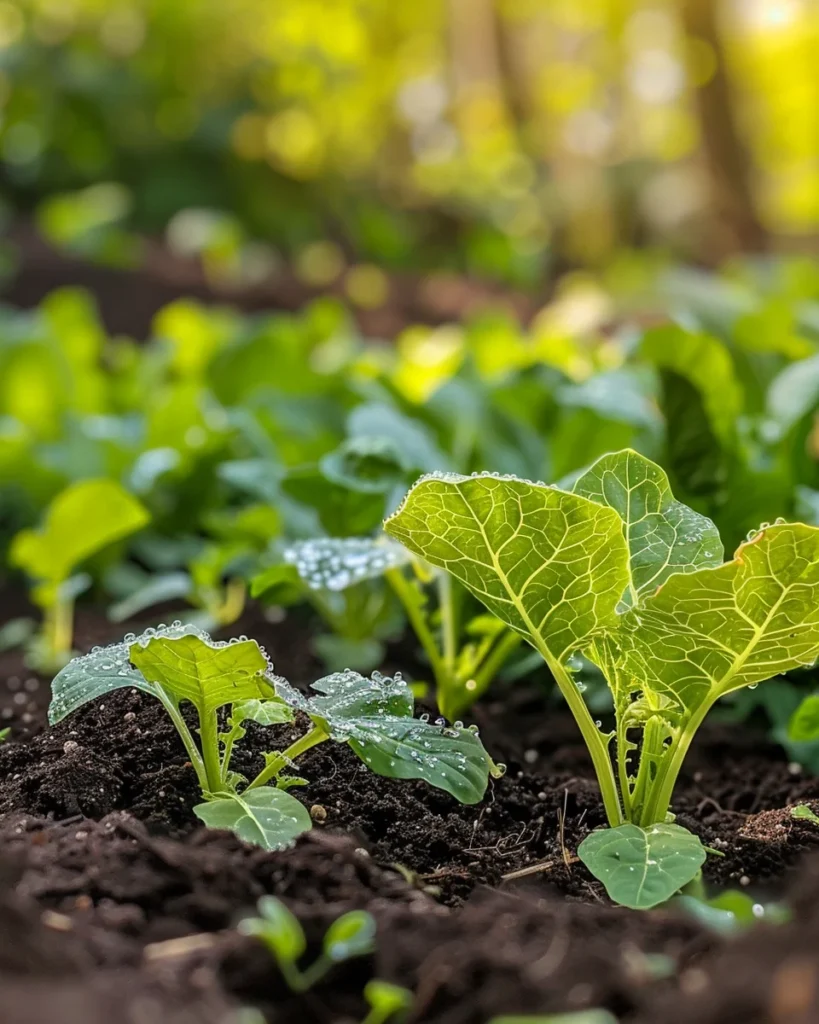
How to Grow Vegetables in Raised Beds: When to Plant, Best Varieties & Complete Care Guide
Intro for growing vegetables in raised beds
Raised bed gardening offers an excellent solution for growing vegetables, especially for gardeners with limited space or poor soil conditions. These elevated growing areas provide better drainage, warmer soil temperatures, and reduced weed competition compared to traditional in-ground gardens. Raised beds also allow for concentrated soil improvement, extended growing seasons, and easier access for planting, maintenance, and harvesting. Perfect for beginners and experienced gardeners alike, raised beds can be customized to fit any garden space and produce abundant harvests of fresh, homegrown vegetables throughout the growing season.
When to plant vegetables in raised beds
One advantage of raised beds is their soil warms faster in spring, allowing for earlier planting than traditional gardens. In general temperate regions, cool-season crops like lettuce, spinach, and peas can be planted when soil temperatures reach 5-10°C (40-50°F), typically 2-4 weeks before your last spring frost. Warm-season vegetables like tomatoes, peppers, and cucumbers should wait until soil temperatures reach 15-18°C (60-65°F) and all danger of frost has passed. Raised beds in sheltered locations may allow for planting 1-2 weeks earlier than regional recommendations.
Best time to plant vegetables in raised beds

For cool temperate regions (UK, Northern US, Canada), start cool-season crops in raised beds from March to April, and warm-season vegetables from May to June. In warmer regions (US Zones 7-9, Mediterranean), cool-season vegetables grow best when planted in September through February, while warm-season crops thrive when planted April through July. Direct sowing works well for root vegetables, beans, and leafy greens, while tomatoes, peppers, and eggplants benefit from being started indoors 6-8 weeks before transplanting into raised beds.
Best vegetable varieties to grow in raised beds
- Bush ‘Provider’ Green Beans – Compact growth habit perfect for raised beds with high yields in limited space.
- ‘Sweet Million’ Cherry Tomatoes – Prolific producer of sweet fruits that can be grown with minimal staking in raised beds.
- ‘Bright Lights’ Swiss Chard – Colorful stems add visual interest while providing continuous harvests throughout the season.
- ‘Paris Market’ Carrots – Round, short-rooted variety ideal for shallower raised beds or harder soils.
- ‘Astro’ Arugula – Quick-growing with excellent bolt resistance for extended harvests in raised beds.
- ‘Patio Baby’ Eggplant – Compact plants produce tender, bitter-free fruits perfect for smaller raised bed spaces.
- ‘Buttercrunch’ Lettuce – Heat-tolerant variety that resists bolting longer than many other lettuces.
- ‘Emerald Towers’ Basil – Columnar growth habit maximizes production in minimal raised bed space.
How to plant vegetables in raised beds
Materials needed:
- Raised bed structure (wood, composite, metal, or stone)
- Quality garden soil or raised bed soil mix
- Compost or organic matter
- Seeds or transplants
- Garden trowel and rake
- Watering can or hose with gentle spray nozzle
- Plant labels
- Mulch material
Step-by-step planting:
- Position your raised bed in a location receiving at least 6-8 hours of sunlight daily.
- Fill the bed with a mixture of 60% topsoil, 30% compost, and 10% perlite or vermiculite for drainage.
- Level the soil surface with a rake, leaving it 2-3 cm (1 inch) below the bed’s edge.
- Plan your planting layout, placing taller plants on the north side to avoid shading shorter plants.
- Create furrows or planting holes at the appropriate depth for each vegetable type (check seed packets for guidance).
- Space plants according to recommendations, but generally 10-20% closer than traditional garden spacing.
- Sow seeds or place transplants at the recommended depth, firming soil gently around roots.
- Water thoroughly but gently to avoid displacing seeds or disturbing roots.
- Label each planting area to track varieties and planting dates.
- Apply a thin layer of mulch around (but not touching) transplants, or wait until seedlings emerge before mulching.
How to grow vegetables in raised beds
Raised beds typically require more frequent watering than in-ground gardens, as they drain more efficiently. Water deeply when the top 2.5 cm (1 inch) of soil feels dry, typically every 2-3 days during warm weather. Most vegetables need full sunlight (6+ hours daily), though leafy greens can tolerate partial shade. Apply a balanced organic fertilizer (like 5-5-5) when planting, then supplement with compost tea or diluted fish emulsion every 3-4 weeks during the growing season. Mulch with straw, shredded leaves, or compost to conserve moisture and suppress weeds. For vertical crops like peas, cucumbers, and some tomatoes, install trellises along the north side of beds to maximize growing space without shading other plants. In container-style raised beds, ensure adequate drainage holes and consider self-watering systems for consistent moisture.
Caring for vegetables in raised beds
Monitor soil moisture daily during hot weather, as raised beds dry out faster than ground-level gardens. Regularly check for pests like aphids (spray with insecticidal soap), slugs (apply diatomaceous earth around plants), and cabbage worms (hand-pick or use Bt spray). Common diseases include powdery mildew (improve air circulation and apply milk spray) and blight (remove affected leaves and avoid overhead watering). Practice crop rotation annually to prevent disease buildup. Harvest vegetables regularly to encourage continued production—leafy greens can be harvested by taking outer leaves while leaving centers to regrow. Most root vegetables are ready when their shoulders push up through soil. Store harvested vegetables according to their needs: root crops in cool, humid conditions; tomatoes at room temperature; and leafy greens refrigerated in breathable containers.
Understanding bolting in vegetables
Bolting occurs when vegetables prematurely produce flowering stems and seeds instead of edible growth. This natural survival response is triggered primarily by increasing day length and temperatures above 26°C (80°F), though other stressors like drought, root disturbance, or transplant shock can contribute. Leafy greens, cilantro, and root vegetables are particularly susceptible. Prevent bolting by planting heat-sensitive crops early in spring or fall, selecting bolt-resistant varieties, providing afternoon shade during hot periods, and maintaining consistent soil moisture. If bolting begins, harvest immediately as flavor typically becomes bitter once the flowering process starts. With some vegetables like arugula or mustard greens, the flowers are edible and can be used as garnishes.
Why do vegetables turn bitter?
- Heat stress – Temperatures above 29°C (85°F) trigger bitter compounds in many vegetables; provide afternoon shade or use shade cloth during heat waves.
- Bolting/flowering – Once plants begin reproductive phase, bitter compounds increase; harvest before flowering begins.
- Inconsistent watering – Drought stress followed by heavy watering causes bitterness, especially in cucumbers and leafy greens; maintain even soil moisture.
- Genetic factors – Some varieties naturally contain more bitter compounds; choose “bitter-free” varieties like Burpless cucumbers.
- Soil mineral imbalances – Excessive nitrogen or deficient calcium can increase bitterness; test soil and amend accordingly.
Companion planting for vegetables in raised beds
Beneficial companions:
- Basil planted near tomatoes improves flavor and repels certain pests.
- Nasturtiums attract aphids away from vegetables and their flowers are edible.
- Marigolds deter nematodes and many insect pests throughout the garden.
- Carrots and onions planted together deter each other’s primary pests.
- Borage attracts pollinators and improves the growth of most vegetables.
- Beans fix nitrogen that benefits heavy-feeding neighbors like tomatoes and corn.
Plants to separate:
- Potatoes and tomatoes share diseases and should be kept apart.
- Fennel inhibits growth of many vegetables and is best grown separately.
- Brassicas (cabbage family) and strawberries compete unfavorably.
Seasonal calendar
Spring (March-May):
- Prepare beds with fresh compost and soil amendments
- Direct sow cool-season crops (peas, radishes, lettuce, spinach)
- Transplant onions, broccoli, and cabbage
- Start warm-season seeds indoors
Early Summer (June):
- Transplant warm-season crops (tomatoes, peppers, eggplant)
- Direct sow beans, cucumbers, and summer squash
- Harvest spring crops and replant with succession plantings
- Apply mulch to conserve moisture
Mid-Late Summer (July-August):
- Maintain regular watering and harvesting
- Start fall crops indoors (broccoli, cabbage)
- Direct sow quick-maturing greens and radishes
- Monitor for pests and diseases more frequently
Fall (September-November):
- Plant garlic and overwintering onions
- Harvest warm-season crops before frost
- Extend season for cold-hardy crops with row covers
- Add compost and cover crops to beds being rested
Winter (December-February):
- Harvest cold-hardy vegetables (kale, Brussels sprouts)
- Plan next season’s layout and order seeds
- Repair and build new raised beds
- Start earliest seeds indoors (onions, leeks)
Note: In warmer regions (Zones 8-10), fall and winter are prime growing seasons for cool-season crops. In colder regions (Zones 3-5), extend spring and fall by using row covers or cold frames over raised beds.
Problems & solutions
| Problem | Quick Fix |
|---|---|
| Poor drainage/waterlogged soil | Add more perlite or coarse sand to soil mix; ensure bed has drainage holes if it has a bottom |
| Uneven growth/stunted plants | Test soil pH and nutrient levels; amend accordingly with lime (for acidity) or sulfur (for alkalinity) |
| Soil dries out too quickly | Increase organic matter content, apply 5-7 cm (2-3 inches) of mulch, and consider installing drip irrigation |
| Overcrowded plants | Thin seedlings promptly according to spacing guidelines; be ruthless—proper spacing improves air circulation and yield |
| Wooden bed frames rotting | Replace with cedar, redwood, or composite materials; or line interior with heavy plastic (not touching soil) |
| Weeds coming through bed bottom | Line bottom of new beds with cardboard or landscape fabric before filling with soil |
| Animals digging in beds | Install hardware cloth under beds for burrowing pests; add simple hoops with netting for birds and larger animals |
Common questions about growing vegetables in raised beds
How deep should my raised bed be?
For most vegetables, a minimum depth of 15-20 cm (6-8 inches) is required, but 30 cm (12 inches) is ideal. Root vegetables like carrots and parsnips need at least 30 cm, while shallow-rooted crops like lettuce and herbs can manage with 15 cm. Deeper beds (45+ cm/18+ inches) provide better drought resistance and accommodate larger root systems.
How often should I water my raised bed garden?
Raised beds typically need watering when the top 2.5 cm (1 inch) of soil feels dry to the touch. This usually means every 2-3 days during moderate weather and possibly daily during hot, dry periods. Newly planted seeds or seedlings require more frequent, gentle watering until established. Installing drip irrigation on a timer can ensure consistent moisture.
Can I grow vegetables in a raised bed in partial shade?
Yes, though your crop selection should match the light conditions. Leafy greens (lettuce, spinach, kale), root vegetables (beets, carrots), and herbs tolerate 4-6 hours of sunlight. Fruiting vegetables like tomatoes, peppers, and cucumbers require at least 6-8 hours of direct sunlight for good production. In hot climates, afternoon shade can actually benefit many vegetables during summer.
How do I prevent my raised bed soil from becoming compacted?
Avoid walking on the soil in raised beds—design beds narrow enough (typically 1-1.2 m/3-4 ft) to reach the center from either side. Add organic matter like compost annually to maintain soil structure. Use designated pathways between beds and consider adding stepping stones if you must access the center of wider beds.
How can I extend my growing season in raised beds?
Raised beds warm up earlier in spring and can be easily modified with season extenders. Install hoops over beds to support row covers for 2-4°C (3-7°F) of frost protection. For greater cold protection, use plastic sheeting to create mini-greenhouses. Cold frames or cloches can protect individual plants. In fall, these same covers can extend harvests by several weeks after frost.
Should I rotate crops in my raised beds?
Yes, practice crop rotation even in raised beds to prevent disease buildup and nutrient depletion. Group vegetables by family (nightshades, brassicas, legumes, etc.) and move each family to a different bed each year in a 3-4 year rotation. Keep records of what grows where to maintain your rotation schedule.
How do I rejuvenate soil in established raised beds?
Add 5-7 cm (2-3 inches) of compost to the top of beds annually, ideally in fall or early spring. Every 3-5 years, consider removing 1/3 of the soil and replacing it with fresh compost and soil mix. Test soil pH and nutrients every 2-3 years and amend accordingly. Growing cover crops during off-seasons helps maintain soil structure and adds organic matter when turned under.