

Pilea Peperomioides: How to Grow and Care for the Chinese Money Plant
Introduction to Pilea Peperomioides
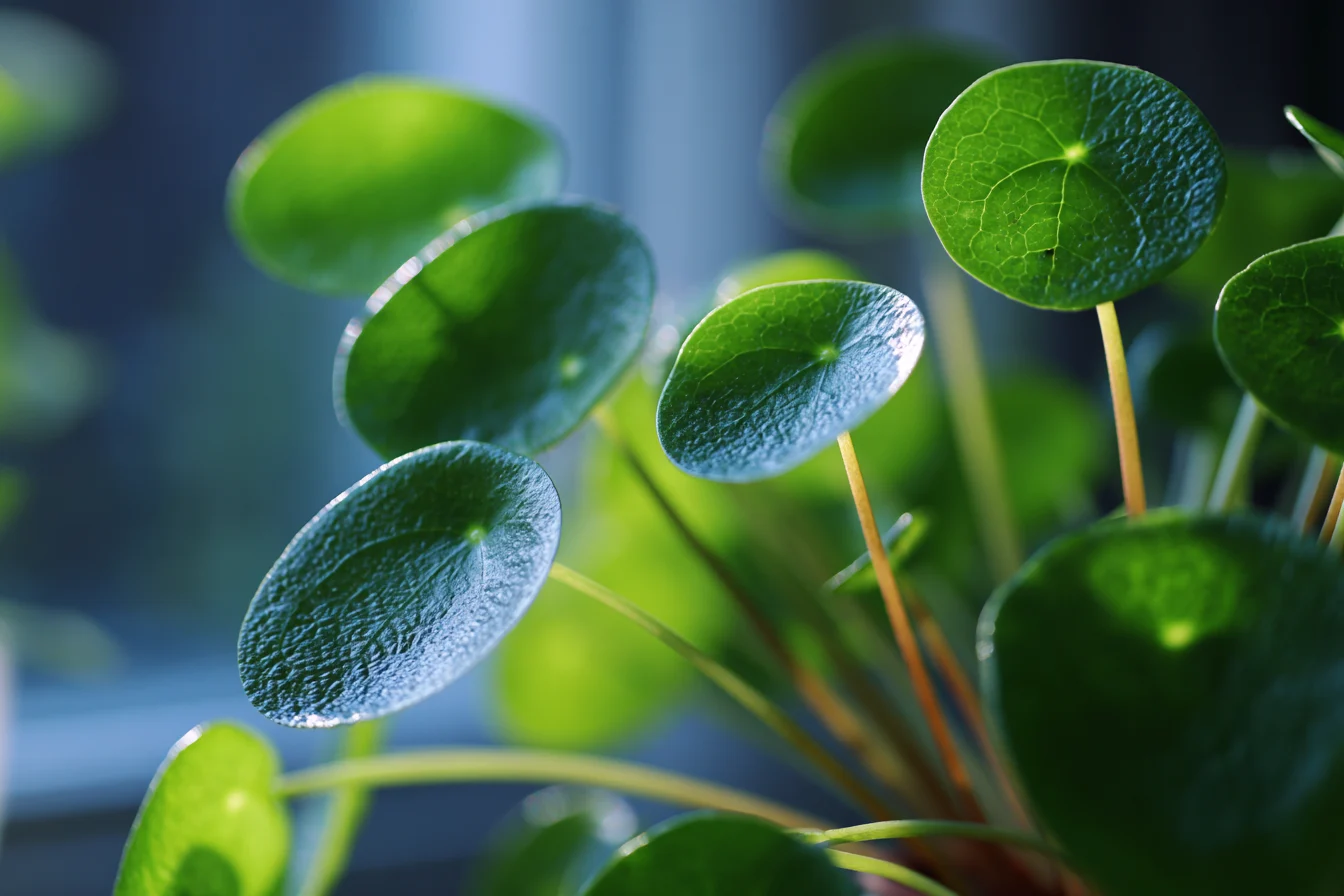
Pilea peperomioides, commonly known as the Chinese Money Plant, is a charming houseplant beloved for its distinctive round, coin-shaped leaves. This small but eye-catching plant has earned several nicknames including UFO Plant, Friendship Plant, and Missionary Plant due to its unique appearance and ease of propagation.
Native to the temperate forests of Southwest China near the Himalayas, this plant has become a global houseplant favorite. Unlike many tropical houseplants, Pilea peperomioides adapts well to average home conditions, making it perfect for both novice and experienced plant enthusiasts.
Growth Expectations and Characteristics
The Chinese Money Plant typically reaches a maximum size of about one foot tall and one foot wide, making it ideal for small spaces. Its growth habit can vary from lean and lanky to full and bushy, depending on care conditions and whether you choose to remove the offsets (pups) that form at the base.
For a fuller appearance, consider keeping these pups attached to the mother plant. With proper care, a mature, dense plant can develop within a couple of years. The plant’s signature pancake-like leaves grow on thin stems, creating an attractive, sculptural appearance that adds character to any room.
Ideal Growing Conditions
Light Requirements
Pilea peperomioides thrives in bright, indirect light. Avoid placing it in direct sunlight, which can scorch the delicate leaves. A spot a few feet away from a south-facing window or in the middle of a well-lit room provides ideal conditions. Regularly rotating your plant every few weeks helps it grow straight and develop an even shape.
Temperature and Humidity
Unlike many houseplants, the Chinese Money Plant doesn’t require tropical conditions. It performs well in average household temperatures between 60-80°F (15-27°C). While it doesn’t appreciate extremely dry conditions, it doesn’t demand high humidity either. Standard indoor humidity levels are typically sufficient for healthy growth.
Soil and Potting Requirements
Chinese Money Plants prefer well-draining soil that’s rich in organic matter. A pH between 6.0 and 7.0 is ideal. Most commercial houseplant potting mixes work well, particularly those containing peat moss or coco coir for moisture retention while still allowing excess water to drain.
For an optimal homemade mix, combine two parts peat moss, one part perlite, and one part bark fines. This combination provides excellent drainage and aeration while maintaining enough moisture for healthy growth.
Container Selection
Small pots between 4-8 inches (10-20 cm) in diameter are perfect for Pilea peperomioides. Always choose containers with drainage holes to prevent water from pooling at the bottom, which can lead to root rot. The plant doesn’t require large pots, and in fact, may perform better when slightly root-bound.
Watering Practices
The Chinese Money Plant requires moderate watering. A good rule is to water thoroughly when the top 1-2 inches (2.5-5 cm) of soil feels dry to the touch. This typically translates to watering every 7-10 days during spring and summer, and every 10-14 days during fall and winter when growth slows.
When watering, thoroughly moisten the entire soil mass and allow excess water to drain completely. Empty any water that collects in the saucer to prevent root rot. The plant isn’t particularly fussy about water type—tap water, rainwater, and filtered water are all acceptable.
Fertilizing Schedule
Regular fertilization benefits Pilea peperomioides, especially during the active growing season. Apply a balanced houseplant fertilizer diluted to half the recommended strength every two weeks from spring through early fall. During late fall and winter, reduce feeding to once monthly.
Over-fertilizing can cause more harm than good, leading to salt buildup in the soil and potential leaf burn. If you notice white crust forming on the soil surface, flush the pot thoroughly with water to remove excess fertilizer salts.
Pruning and Maintenance
Pilea peperomioides is generally low-maintenance and doesn’t require extensive pruning. An annual pruning session in late fall or winter is usually sufficient. Focus on removing dead, damaged, or diseased leaves by pinching them off at the base of their petioles (leaf stalks).
To maintain a sleek appearance, you can also remove the pups that form at the base of the mother plant. Use sharp, clean shears or a knife to separate these offsets where their stems meet the soil. These pups can then be propagated to create new plants.
Propagation Methods
One of the most appealing aspects of the Chinese Money Plant is how easily it propagates, earning it the nickname “Friendship Plant.” The simplest method is through offsets or pups that naturally develop at the base of the mother plant.
Propagating Through Offsets
- Wait for pups to develop at the base of your plant
- Using a sharp knife, cut the offset as close to the soil as possible
- Place the cutting in water, ensuring only the base is submerged
- Change the water every few days until roots develop (usually within 2-3 weeks)
- Once roots reach about half an inch (1.3 cm) long, transfer to a small pot with appropriate soil
Repotting Guidelines
Pilea peperomioides typically needs repotting every 12-18 months, or when it becomes root-bound. Signs that repotting is necessary include roots growing through drainage holes, water running straight through the pot without being absorbed, or slowed growth.
When repotting, select a container only 1-2 inches (2.5-5 cm) larger than the current pot. Remove the plant, gently shake off excess soil, and place it in fresh potting mix. Water thoroughly after repotting, but wait a few days before resuming your regular fertilization schedule.
Common Problems and Solutions
Leaf Discoloration
Yellow, brown, or black leaves can indicate several issues. Direct sunlight may burn leaves, causing discoloration. Low humidity can lead to brown leaf edges, while inconsistent watering often results in yellowing leaves. Adjust light exposure, increase humidity if needed, and establish a consistent watering routine to address these issues.
Curling Leaves
Curling leaves typically signal environmental stress rather than pests or disease. Common causes include insufficient light, temperature extremes, very low humidity, or improper watering. Evaluate your plant’s growing conditions and make adjustments accordingly.
Root Rot
Root rot presents as wilting despite moist soil, yellowing leaves, and mushy, dark roots. It’s usually caused by overwatering or poor drainage. To treat, remove the plant from its pot, trim away affected roots, and repot in fresh, well-draining soil. Adjust your watering schedule to prevent recurrence.
Scale Insects
Scale appears as small, flat bumps on stems and leaves. These sap-sucking pests drain energy from the plant and can spread disease. For minor infestations, remove scales manually using a cotton swab dipped in rubbing alcohol. For larger problems, treat with insecticidal soap or neem oil, following package directions.
Historical Background
Pilea peperomioides originates from the Yunnan and Sichuan provinces in Southwest China. Scottish botanist George Forester first collected specimens in 1906, but the plant’s journey to popularity began in 1945 when Norwegian missionary Agnar Espegren brought cuttings back to Norway.
From Scandinavia, the plant spread throughout Europe during the 1960s and 1970s, primarily through cuttings shared between friends and family, before eventually reaching North America. The genus name Pilea comes from the Latin “pileus” (felt cap), while “peperomioides” refers to its resemblance to plants in the Peperomia genus.
Pet Safety
One significant advantage of Pilea peperomioides is that it’s non-toxic to both cats and dogs. This makes it an excellent choice for pet owners who want to enjoy houseplants without worrying about potential poisoning if curious pets decide to take a nibble.
Conclusion
The Chinese Money Plant offers a perfect combination of distinctive beauty and manageable care requirements. Its unique coin-shaped leaves bring a touch of character to any indoor space, while its adaptability to average home conditions makes it accessible to plant enthusiasts of all experience levels.
Whether you’re growing your first houseplant or adding to an extensive collection, Pilea peperomioides rewards minimal effort with maximum visual impact. And thanks to its prolific production of offsets, you’ll soon have baby plants to share with friends and family, continuing the “friendship plant” tradition that has helped this charming species spread throughout homes worldwide.