

Nerve Plant Light Requirements: Creating the Perfect Environment for Healthy Growth
Understanding the Nerve Plant’s Natural Habitat
Nerve plants (Fittonia) are native to the tropical rainforests of Peru and other South American countries. In their natural habitat, these compact perennial evergreens grow along the forest floor where they receive dappled sunlight filtered through the dense canopy above.
This natural environment provides the perfect blueprint for caring for nerve plants in our homes. They thrive in conditions that mimic this filtered, indirect light rather than harsh direct sun exposure that rarely reaches the rainforest floor.
Ideal Light Conditions for Indoor Nerve Plants
Nerve plants perform best in bright, indirect sunlight when grown indoors. East or west-facing rooms typically provide the optimal light exposure for these delicate plants. These locations offer gentle morning or late afternoon sun that won’t scorch the plant’s sensitive leaves.
North-facing rooms can also work well for nerve plants, provided they receive enough ambient brightness. South-facing windows often provide too much direct sunlight unless the plant is placed several feet away from the window or protected by sheer curtains that filter the light.
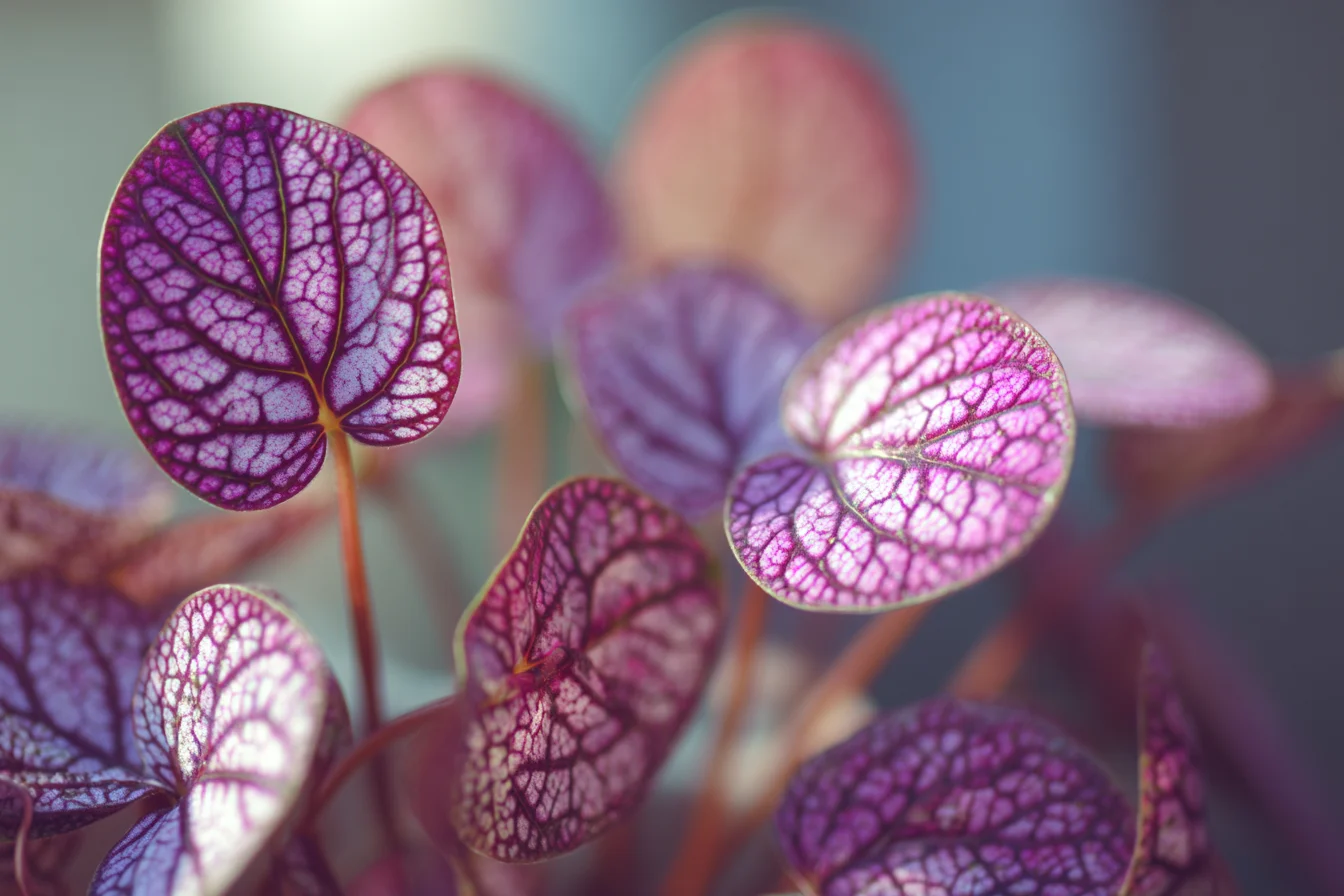
For best results, place your nerve plant within 3-6 feet of a window where it can receive bright light without direct sun rays hitting its leaves. Rotating the plant regularly (every 1-2 weeks) ensures even growth, as plants naturally lean toward light sources.
Signs Your Nerve Plant Is Receiving Too Much Light
Nerve plants will clearly communicate when they’re receiving excessive light. Being attentive to these signals helps you adjust their positioning before permanent damage occurs.
Leaf Scorching and Browning
The most obvious indication of too much light is brown or scorched leaf edges. The delicate leaves can’t withstand direct sunlight and will develop crispy, discolored patches when overexposed.
Dry, Shriveled Foliage
When subjected to intense light, nerve plant leaves may shrivel and become dry to the touch. These damaged leaves often break easily when handled and may eventually fall off.
Increased Watering Needs
If you find yourself needing to water your nerve plant more frequently than the typical 3-4 day schedule, excessive light exposure might be the culprit. Bright, direct light accelerates evaporation, causing the soil to dry out more quickly.
Signs Your Nerve Plant Isn’t Receiving Enough Light
While nerve plants prefer filtered light, insufficient light also creates problems. Watch for these indicators that your plant needs a brighter location:
Color Loss in Veining
The distinctive veining pattern that gives nerve plants their appeal may fade or lose vibrancy in low-light conditions. The plant produces more chlorophyll to capture limited light, resulting in leaves that appear more uniformly green with less pronounced veining.
Leggy, Stretched Growth
Plants naturally stretch toward light sources when they’re not receiving enough. This results in longer stems with greater spacing between leaves, creating a sparse, leggy appearance rather than the dense, compact growth that’s characteristic of healthy nerve plants.
Stunted Development
In severely light-deprived conditions, nerve plants produce smaller leaves and weaker stems. Overall growth slows significantly, and the plant may appear sickly or droopy despite adequate watering.
Understanding Light Terminology for Houseplants
When researching plant care, you’ll encounter various terms describing light conditions. Understanding these helps provide the right environment for your nerve plant:
- Bright, direct light: Sunlight falls directly on the plant’s leaves for most of the day. This is typically too intense for nerve plants and should be avoided.
- Bright, indirect light: The plant is near a window but protected from direct sun rays. This is ideal for nerve plants and occurs when they’re placed within a few feet of east or west-facing windows.
- Filtered light: Sunlight passes through a barrier like sheer curtains or blinds before reaching the plant. This creates excellent conditions for nerve plants.
- Low light: Areas that receive minimal natural light, such as north-facing rooms or spaces far from windows. Nerve plants can tolerate these conditions temporarily but won’t thrive long-term without supplemental lighting.
Seasonal Light Adjustments
Light conditions change throughout the year, requiring adjustments to your nerve plant’s positioning. During winter months when daylight hours decrease, you might need to move your plant closer to windows or provide supplemental lighting.
Conversely, summer sunlight is more intense, potentially requiring greater distance from windows or additional filtering through curtains. Being attentive to seasonal changes helps maintain consistent light exposure year-round.
Using Artificial Light for Nerve Plants
If your home lacks suitable natural light locations, artificial grow lights offer an excellent alternative for nerve plants. LED grow lights with a balanced spectrum provide the light quality these plants need without excessive heat.
Position grow lights 12-18 inches (30-45 cm) above your nerve plant and run them for 12-14 hours daily to simulate natural daylight. This approach works well in darker rooms or during winter months when natural light is limited.
Balancing Light with Other Care Requirements
While proper light is essential, it works in conjunction with other care elements. Nerve plants prefer consistently moist soil and higher humidity levels that mimic their rainforest habitat.
In brighter locations, you’ll likely need to water more frequently and possibly increase humidity through misting, pebble trays, or humidifiers. Finding this balance between light, water, and humidity creates the optimal environment for your nerve plant to display its striking foliage.
Conclusion
Providing the right light conditions is fundamental to successfully growing nerve plants indoors. By mimicking their natural rainforest floor habitat with bright, indirect light or filtered sunlight, you’ll encourage vibrant foliage with pronounced veining and compact growth.
Remember that nerve plants communicate their needs through visible signs in their leaves and growth patterns. By responding promptly to these signals and making appropriate adjustments, you’ll enjoy these stunning tropical plants with their distinctive patterned leaves for years to come.