

Areca Palm Care: A Complete Guide for Indoor Gardeners
Understanding the Areca Palm
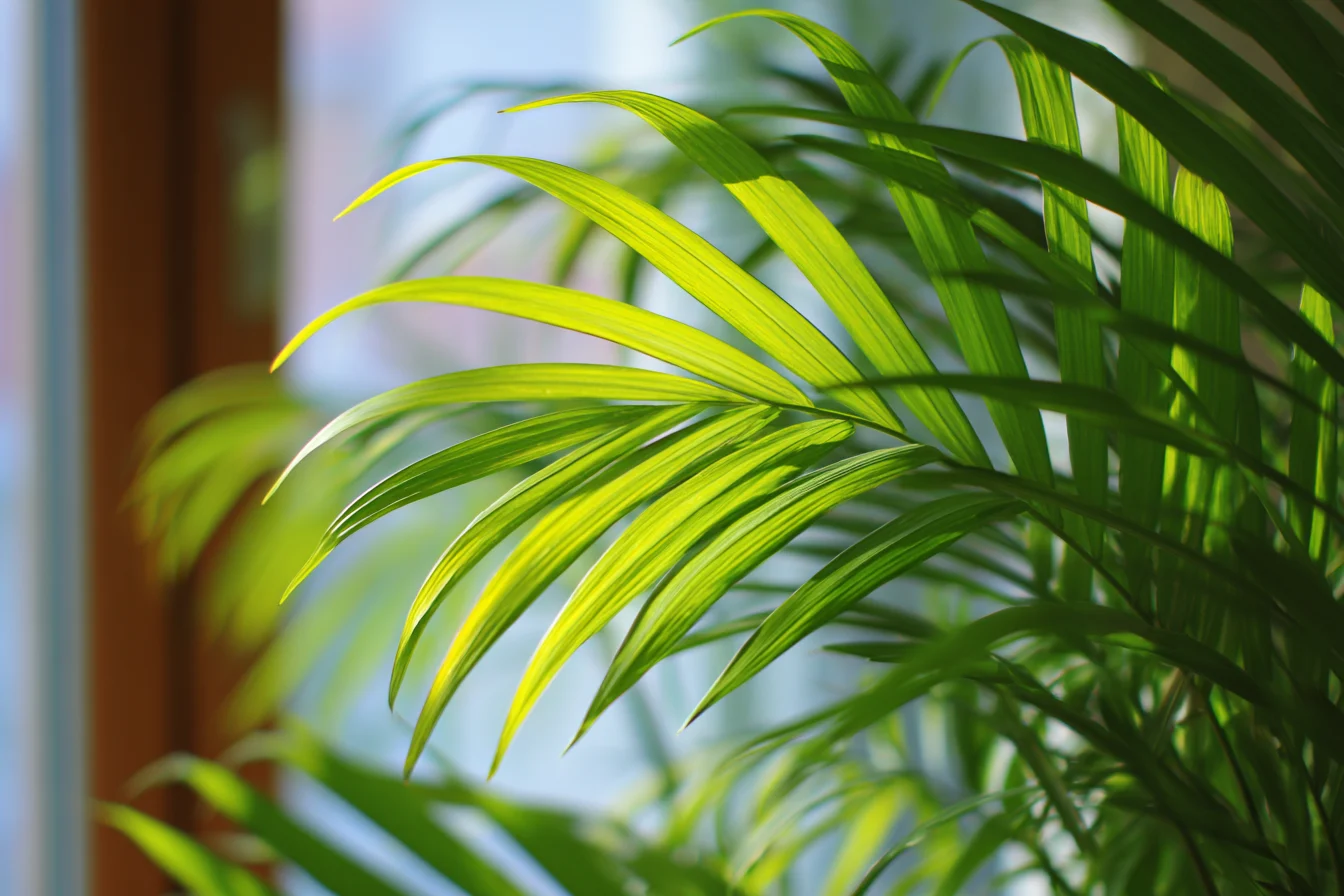
The Areca palm (Dypsis lutescens) is a stunning houseplant known for its feathery fronds and bamboo-like stalks. Native to Madagascar, this palm is also called butterfly palm, golden cane palm, or yellow palm due to its graceful appearance.
Indoors, Areca palms typically grow 6-12 inches annually, reaching heights of 6-7 feet when mature. In their natural habitat, they can grow up to 30 feet tall, but don’t worry—they adapt well to indoor constraints.
One of the best features of Areca palms is their non-toxic nature. They’re completely safe for homes with children, cats, and dogs, making them a worry-free addition to any indoor space.
Finding the Perfect Location
Areca palms thrive in bright, indirect light. An east-facing window is ideal, providing gentle morning sun. South or west-facing windows can work too, but use sheer curtains to filter the intense direct sunlight that can scorch the fronds.
Avoid placing your Areca palm in low-light conditions. While they can tolerate moderate light, they won’t thrive and may develop yellowing leaves or stunted growth.
When choosing a spot, consider the palm’s eventual size. Allow enough vertical and horizontal space for growth, especially if you have a young plant that will expand over time.
Soil Requirements and Potting
Areca palms prefer well-draining, slightly acidic soil with a pH between 5.5 and 6.0. A peat-based potting mix works excellently for these tropical beauties.
For a DIY soil mix, combine 2 parts peat moss, 1 part perlite, 1 part compost, and 1 part pine bark fines. This mixture provides the acidity and drainage these palms need.
Always choose a pot with drainage holes to prevent water from pooling at the bottom. When repotting, select a container only 1-2 inches larger in diameter than the current pot to avoid overwatering issues.
Watering Your Areca Palm
The key to watering Areca palms is finding the right balance. Allow the top 1-2 inches of soil to dry out between waterings. During summer, this might mean watering once a week, while in winter, you may water every 10-14 days.
These palms are sensitive to chemicals in tap water. If possible, use rainwater, distilled water, or let tap water sit out overnight to allow chlorine to evaporate.
Never let your palm sit in standing water. Empty the drainage tray after watering to prevent root rot, which can quickly kill your plant.
Temperature and Humidity Needs
Areca palms prefer temperatures between 60°F and 80°F (16°C to 27°C). They can tolerate brief periods outside this range but will show stress if conditions persist.
Keep your palm away from drafty areas, air conditioning vents, and heating sources that can cause temperature fluctuations.
As tropical plants, Areca palms thrive in higher humidity (50-60%). If your home is dry, especially in winter, consider these humidity-boosting methods:
- Use a humidifier near your palm
- Group plants together to create a microclimate
- Place the pot on a pebble tray with water (ensuring the pot doesn’t sit directly in water)
- Mist the fronds occasionally, especially during heating season
Fertilizing for Optimal Growth
Feed your Areca palm every 2-3 weeks during the growing season (spring through fall) with a balanced liquid houseplant fertilizer diluted to half strength.
During winter, reduce fertilization to once every 6-8 weeks, as the plant’s growth naturally slows.
Areca palms are sensitive to salt buildup from fertilizers. Flush the soil thoroughly every few months by watering deeply until water runs freely from the drainage holes.
Pruning and Maintenance
Areca palms require minimal pruning. Remove yellow or brown fronds at the base using clean, sharp scissors or pruning shears. Never cut partially yellow fronds—wait until they’re completely discolored.
Dust the fronds regularly with a damp cloth to keep them looking fresh and to ensure they can photosynthesize efficiently. This also helps prevent pest infestations.
Rotate your palm quarterly to ensure even growth, as these plants will naturally lean toward light sources.
Repotting Your Areca Palm
Repot your Areca palm every 2-3 years or when you notice roots growing through the drainage holes. The best time to repot is in spring when the plant is entering its active growth phase.
Choose a container only 2 inches larger in diameter than the current pot. Too large a pot can lead to overwatering problems and root rot.
When repotting, be gentle with the root ball as Areca palm roots are delicate. Plant at the same depth as before—burying the stems too deeply can cause rot.
Common Problems and Solutions
Yellowing Leaves
Yellow leaves often indicate overwatering or insufficient light. Check your watering schedule and ensure your palm receives bright, indirect light. Old fronds naturally yellow and die—this is normal if limited to lower fronds.
Brown Leaf Tips
Brown tips usually signal low humidity or water quality issues. Increase humidity around your palm and consider using filtered or distilled water.
Pest Infestations
Areca palms can attract spider mites, mealybugs, and scale insects. Regularly inspect the undersides of fronds for tiny webs or cotton-like clusters. Treat infestations promptly with insecticidal soap or neem oil, making sure to contact all affected areas.
Drooping Fronds
Drooping fronds typically indicate either underwatering or overwatering. Check the soil moisture—if dry several inches down, water thoroughly. If consistently damp, reduce watering frequency and ensure proper drainage.
Propagation Challenges
Unlike many houseplants, Areca palms are difficult to propagate at home. Professional growers propagate them from seeds, which require specialized treatment and controlled conditions.
Indoor Areca palms rarely flower or produce viable seeds. The most practical way to get new plants is purchasing them from nurseries or garden centers.
If you’re determined to try propagation, you can carefully separate a mature palm during repotting if it has developed distinct clumps with their own root systems.
Seasonal Care Adjustments
In spring and summer, increase watering frequency as the plant actively grows. This is also when you’ll apply fertilizer more regularly.
During fall and winter, reduce watering and fertilizing as growth slows. Be especially vigilant about maintaining adequate humidity during heating season.
Protect your palm from cold drafts in winter and hot, dry air in summer. Consistent conditions will keep your Areca palm looking its best year-round.
Conclusion
The Areca palm brings a touch of tropical elegance to any indoor space while providing the practical benefit of air purification. With proper care—bright indirect light, consistent moisture, and adequate humidity—these graceful palms can thrive for many years.
Remember that patience is key with Areca palms. They’re not the fastest-growing houseplants, but their stunning feathery fronds and air-purifying qualities make them well worth the care they require. By following this guide, you’ll be well on your way to enjoying a healthy, vibrant Areca palm in your home.