

Monstera Obliqua Care: The Ultimate Guide to This Rare Tropical Beauty
Understanding Monstera Obliqua
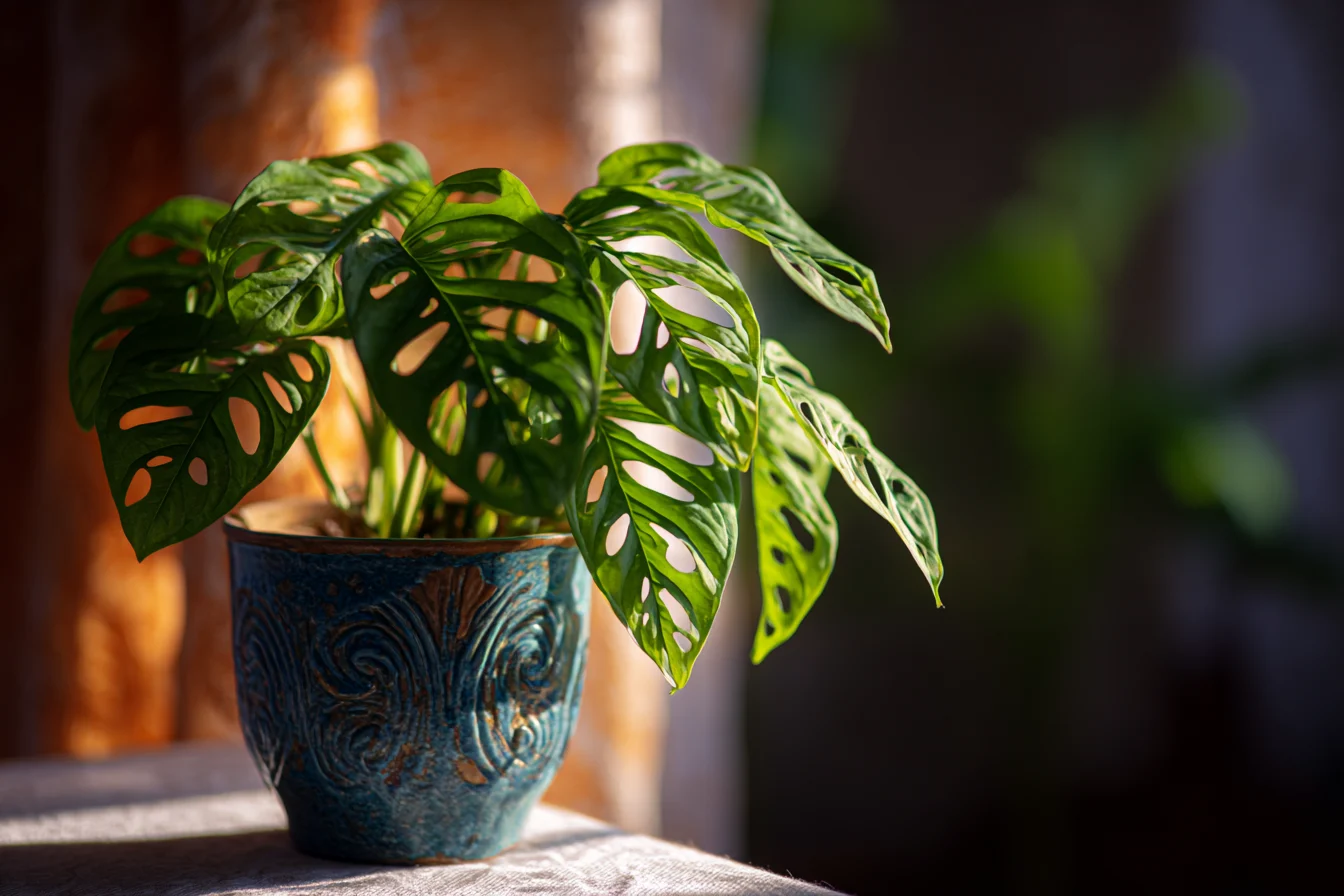
Monstera obliqua is one of the rarest and most sought-after tropical houseplants in the world. Known for its paper-thin leaves with extensive fenestration (holes), this plant is often confused with its more common cousin, Monstera adansonii. True Monstera obliqua is extremely rare in cultivation and commands high prices among collectors.
Native to tropical rainforests of Central and South America, these epiphytic plants naturally grow by climbing up trees. In their natural habitat, they enjoy high humidity, warm temperatures, and filtered light conditions that filter through the forest canopy.
Unlike many houseplants, Monstera obliqua is considered moderate to difficult to care for, requiring specific conditions to thrive. Their delicate nature and specific requirements make them best suited for experienced plant enthusiasts.
Ideal Growing Conditions
Creating the right environment is crucial for Monstera obliqua success. These plants require conditions that closely mimic their tropical rainforest habitat.
Light Requirements
Monstera obliqua needs bright, indirect light throughout the day. Due to the extensive fenestration and minimal leaf tissue, these plants require sufficient light for photosynthesis but must be protected from direct sunlight that can quickly burn their delicate leaves.
An east-facing window provides ideal morning light, while a south-facing window with sheer curtains can work well. Avoid low light situations, as the plant won’t have enough energy to grow properly.
Temperature Needs
These tropical plants thrive in consistently warm temperatures between 65-85°F (18-29°C). They’re extremely sensitive to cold and should never be exposed to temperatures below 60°F (15°C).
Keep your Monstera obliqua away from drafty windows, air conditioning vents, and heating sources that can create temperature fluctuations and dry air.
Humidity Requirements
Perhaps the most challenging aspect of Monstera obliqua care is maintaining adequate humidity. These plants require a minimum of 60% humidity, with 80% being ideal for optimal growth.
Most homes don’t naturally maintain such high humidity levels, so you’ll need to supplement with a humidifier, pebble trays, or by grouping plants together. A greenhouse or terrarium environment can be particularly successful for these humidity-loving plants.
Soil and Potting
As epiphytes that naturally grow on trees rather than in soil, Monstera obliqua requires an extremely well-draining growing medium that prevents root rot while providing adequate moisture.
Ideal Soil Mix
The best soil for Monstera obliqua is a light, airy mix that allows for excellent drainage and root aeration. A quality aroid or orchid mix works well, or you can create your own by combining:
- 1 part high-quality potting soil
- 1 part orchid bark
- 1 part perlite or pumice
- 1 part coconut coir
This combination provides the perfect balance of moisture retention and drainage that these sensitive plants require.
Potting Considerations
Choose a pot that’s appropriately sized for your plant—too large, and the soil will retain excess moisture; too small, and the plant may become rootbound quickly. Always ensure the pot has adequate drainage holes.
Due to their slow growth rate, Monstera obliqua doesn’t need frequent repotting. Only repot when you notice roots growing through the drainage holes, typically every 2-3 years.
Watering Practices
Proper watering is critical for Monstera obliqua success. These plants require a balance—consistent moisture without waterlogging.
Water when the top 1-2 inches (2.5-5 cm) of soil feels dry to the touch. During active growing seasons (spring and summer), this might mean watering every 5-7 days, while in winter, you may only need to water every 10-14 days.
Always use room temperature water, as cold water can shock the plant’s root system. Water thoroughly until it flows from the drainage holes, but never allow the plant to sit in standing water.
Monstera obliqua is more sensitive to underwatering than many other houseplants due to its thin leaves. Watch for signs of curling or crisping leaves, which indicate the plant needs more moisture.
Fertilizing Schedule
Monstera obliqua is a slow-growing plant that doesn’t require heavy fertilization. Over-fertilizing can damage the delicate root system and cause more harm than good.
During the growing season (spring through early fall), apply a balanced, water-soluble fertilizer (like a 10-10-10 or 20-20-20) at half the recommended strength once every 4-6 weeks.
Suspend fertilization completely during fall and winter when the plant’s growth naturally slows. Resume in spring when you notice new growth beginning to emerge.
Pruning and Maintenance
Due to their slow growth rate and value, Monstera obliqua rarely requires significant pruning. Most maintenance focuses on removing damaged or diseased foliage to maintain plant health.
When pruning is necessary, always use clean, sharp tools to make clean cuts just above a node. Sterilize your tools before and after use to prevent the spread of disease.
Regularly dust the delicate leaves with a soft, damp cloth to ensure the plant can photosynthesize efficiently. Avoid leaf-shine products that can clog the plant’s pores.
Provide support for climbing as the plant matures—a moss pole or trellis works well, mimicking how these plants grow in nature.
Propagation Methods
Propagating Monstera obliqua is possible but challenging due to its delicate nature and slow growth. The most successful method is stem cutting propagation.
Select a healthy stem with at least one node and preferably with an aerial root. Make a clean cut just below the node using sterilized scissors or pruning shears.
You can root the cutting in water, changing it every few days to prevent bacteria growth, or place it directly in a light propagation mix (similar to the soil mix but with more perlite).
Maintain high humidity around the cutting by covering it with a clear plastic bag or propagating in a terrarium-like environment. Be patient—rooting can take several weeks to months.
Common Problems and Solutions
Yellowing Leaves
Yellowing leaves often indicate overwatering or poor drainage. Check the soil moisture and adjust your watering schedule accordingly. Ensure your pot has adequate drainage and that the soil mix is appropriate.
If only older leaves are yellowing naturally as the plant grows, this is normal and not a cause for concern.
Crispy Leaf Edges
Brown, crispy leaf edges typically signal low humidity or underwatering. Increase humidity around the plant and check your watering routine. Remember that Monstera obliqua requires consistently higher humidity than most houseplants.
Slow or No Growth
Monstera obliqua naturally grows slowly, but if your plant shows no growth for extended periods, it may indicate insufficient light, improper temperatures, or nutritional deficiencies. Evaluate all aspects of care and adjust as needed.
Pest Management
Common pests include spider mites, mealybugs, and scale insects. Regularly inspect your plant, paying special attention to the undersides of leaves and stem joints. Treat infestations promptly with insecticidal soap or neem oil, being careful not to damage the delicate foliage.
Monstera Obliqua vs. Adansonii: Spotting the Difference
Many plants sold as Monstera obliqua are actually the more common Monstera adansonii. Here’s how to tell them apart:
- Leaf thickness: Obliqua leaves are paper-thin and almost translucent; adansonii leaves are thicker and sturdier.
- Fenestration: Obliqua has extreme fenestration with more hole than leaf tissue; adansonii has holes but maintains more leaf surface.
- Price: True obliqua commands prices in the hundreds or thousands of dollars; adansonii is much more affordable.
- Growth rate: Obliqua grows extremely slowly; adansonii grows at a moderate pace.
If you purchased an inexpensive “obliqua” from a general nursery, it’s almost certainly an adansonii. True obliqua is rarely available outside specialist collectors’ circles.
Conclusion
Caring for Monstera obliqua requires dedication, attention to detail, and a willingness to create specific growing conditions. While challenging, the reward is a truly rare and spectacular specimen that few plant enthusiasts ever have the opportunity to grow successfully.
Whether you’re fortunate enough to own a true Monstera obliqua or are preparing for a future acquisition, understanding its specific needs is essential. With proper care, this botanical treasure can thrive for years, becoming a stunning centerpiece in your tropical plant collection.