
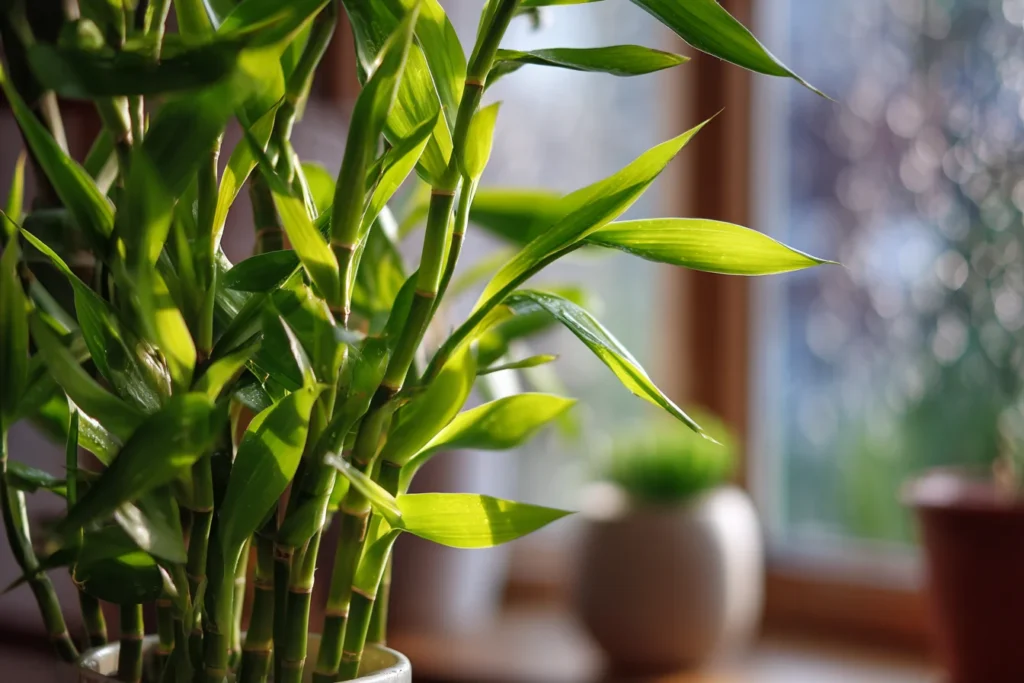
Lucky Bamboo Care: A Complete Guide to Growing Dracaena Sanderiana
Understanding Lucky Bamboo
Despite its name, Lucky Bamboo (Dracaena sanderiana) isn’t actually bamboo at all. It’s a resilient houseplant native to Central Africa that has been cultivated in China for thousands of years. Its bamboo-like appearance and ease of care have made it increasingly popular in Western homes over the past two decades.
In Chinese culture, Lucky Bamboo is considered a symbol of good fortune and prosperity. The number of stalks carries specific meanings—three stalks represent happiness, wealth, and longevity, while five symbolize balance and peace. Avoid arrangements with four stalks, as this number is associated with bad luck in Chinese tradition.
Growing Methods: Water vs. Soil
Lucky Bamboo can thrive in either water or soil, though soil-grown plants typically live longer. When deciding which method to use, consider your aesthetic preferences and maintenance style.
Growing in Water
For water cultivation, select a container without drainage holes. Place the stalks in the container and add clean water until it covers about 2.5 cm (1 inch) of the base. Decorative rocks can be added for stability and visual appeal. Change the water weekly to prevent algae growth and bacterial buildup.
Growing in Soil
If opting for soil cultivation, choose a well-draining pot with drainage holes. Use a peat-based potting mix with good aeration—equal parts peat moss and perlite work well. Plant the stalks so that 2.5-7.5 cm (1-3 inches) are covered by soil. This method generally produces healthier, longer-lived plants.

Light Requirements
Lucky Bamboo prefers bright, indirect light but is adaptable to various light conditions. Direct sunlight can scorch the leaves, so place your plant near an east-facing window or in the middle of a bright room with filtered light. It can tolerate lower light conditions, though growth may slow in darker spaces.
If you notice your plant leaning toward a light source, rotate the container occasionally to encourage straight growth—unless you’re intentionally training it to twist or spiral.
Water Quality and Watering Practices
Lucky Bamboo is sensitive to chemicals commonly found in tap water, particularly chlorine and fluoride. For best results, use distilled water, rainwater, or filtered water. If using tap water, let it sit out overnight to allow chemicals to dissipate before watering your plant.
For water-grown plants, change the water completely once a week. For soil-grown plants, keep the soil consistently moist but not soggy. Check if the top 2.5 cm (1 inch) of soil feels dry before watering again. Typically, this means watering every 5-7 days during spring and summer, and every 7-14 days during fall and winter.
Temperature and Humidity Considerations
Lucky Bamboo thrives in average home temperatures between 18-32°C (65-90°F). Protect your plant from cold drafts, air conditioning vents, and sudden temperature fluctuations, which can stress the plant and cause leaf drop.
While Lucky Bamboo adapts well to normal household humidity levels, it appreciates higher humidity. There’s no need for special humidifying equipment, but avoid placing it near heating vents that can dry out the air excessively.
Fertilizing Guidelines
Lucky Bamboo requires minimal fertilization. For soil-grown plants, apply a liquid houseplant fertilizer diluted to one-fifth of the recommended strength once a month during spring through fall. Water-grown plants need even less—a drop of liquid fertilizer every other month is sufficient.
Over-fertilizing is a common mistake that can damage your Lucky Bamboo. Yellow leaves often indicate excessive fertilizer rather than nutrient deficiency. When in doubt, under-fertilize rather than over-fertilize.
Pruning and Maintenance
Pruning helps maintain your Lucky Bamboo’s shape and encourages bushier growth. Focus on trimming the leafy shoots rather than cutting the main stalks. Using clean, sharp scissors or pruning shears, cut shoots close to the stalk. Late fall or early winter is ideal for pruning, though it can be done year-round if necessary.
Remove any yellow or brown leaves promptly to prevent potential disease spread and maintain the plant’s appearance. Wipe dust from leaves occasionally with a damp cloth to keep them looking fresh and allow for better photosynthesis.
Propagation Techniques
Lucky Bamboo is relatively easy to propagate through shoot cuttings. Select a healthy shoot with at least one leaf node, and place it in distilled water with just the base submerged. Change the water weekly and wait for roots to develop, which typically takes 2-3 weeks.
Once roots are established (usually about 2.5 cm/1 inch long), you can transfer the cutting to soil or continue growing it in water. As the new plant grows, you can remove lower leaves to create the classic bamboo-like appearance of the stalk.
Creating Decorative Shapes
One of Lucky Bamboo’s unique features is its ability to be trained into various shapes. Twisted or spiral stalks are created by controlling light exposure. The plant naturally grows toward light, so by rotating either the plant or restricting light to come from one direction, you can encourage curved growth.
For home growers, a simple method is using a three-sided box that allows light from only one direction. Gradually rotate the plant as it grows to create spiral patterns. More complex designs like braids and hearts require patience and consistent attention to light manipulation over months or even years.
Common Problems and Solutions
Yellowing Leaves
Yellow leaves commonly result from chlorinated water, over-fertilization, or excessive direct sunlight. Switch to filtered water, reduce fertilizer, and move the plant to a location with indirect light.
Browning Leaf Tips
Brown tips often indicate low humidity or water quality issues. Increase humidity around the plant and ensure you’re using appropriate water. Trim affected tips with clean scissors if desired.
Algae Growth
Green algae in water-grown plants is common but manageable. Change the water more frequently (every 3-4 days), clean the container thoroughly, and keep the plant out of direct sunlight to reduce algae formation.
Pest Issues
Lucky Bamboo rarely experiences pest problems, but occasionally mealybugs or spider mites may appear. Treat by wiping leaves with a mild solution of water and insecticidal soap, being careful not to oversaturate the plant.
Feng Shui Placement
In Feng Shui practice, Lucky Bamboo’s placement affects the energy it brings. Placing it in the eastern area of your home or office is believed to enhance family health, while the southeast position promotes wealth and prosperity.
The number of stalks also carries significance: three stalks for happiness, wealth, and longevity; five for balance; six for good fortune; and seven for good health. Avoid four stalks, as the Chinese word for “four” sounds similar to their word for “death.”
Conclusion
Lucky Bamboo offers the perfect combination of easy care and symbolic meaning, making it an ideal houseplant for both beginners and experienced plant enthusiasts. Its adaptability to different growing conditions—whether in water or soil—provides flexibility for various home environments and decorative preferences.
With minimal attention to water quality, light exposure, and occasional maintenance, your Lucky Bamboo can thrive for years, bringing its unique aesthetic and positive energy to your space. Remember that patience is key when shaping and training these plants, but the rewarding results are well worth the wait.