
How To Grow Philodendron Micans: A Complete Care Guide
Introduction to Philodendron Micans
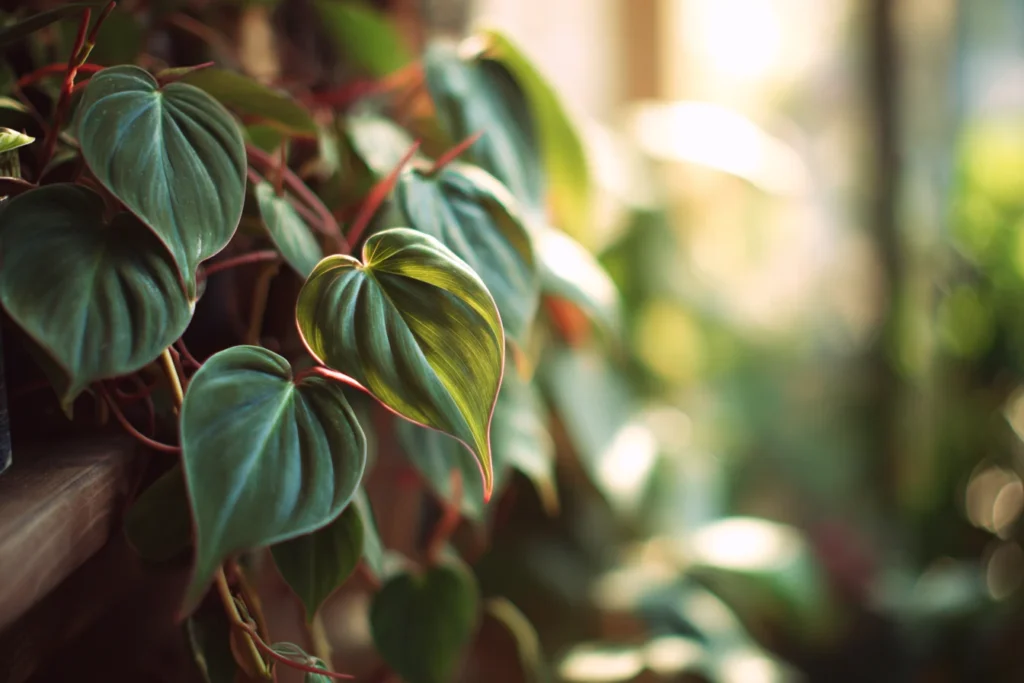
Philodendron micans, also known as velvet leaf philodendron, is a stunning tropical houseplant prized for its heart-shaped leaves with a velvety texture and deep burgundy-green coloration. As a member of the Araceae family, this trailing plant adds elegance to any indoor space with its cascading growth habit.
Native to tropical regions, philodendron micans is relatively easy to care for, making it perfect for both beginners and experienced plant enthusiasts. With proper care, these plants can grow up to 8 inches tall and extend 4 feet in length, either trailing from hanging baskets or climbing up supports.
Light Requirements
Philodendron micans thrives in bright, indirect light. Position your plant a few feet away from a window where it receives filtered sunlight throughout the day. East or west-facing windows often provide ideal lighting conditions.
While these plants can tolerate lower light conditions, insufficient light will result in smaller leaves, leggy growth, and less vibrant coloration. Conversely, direct afternoon sunlight can scorch the delicate leaves, causing permanent damage. Morning direct light is generally tolerable, but afternoon sun should be avoided.

Soil and Potting
The ideal soil for philodendron micans is well-draining and slightly acidic with a pH between 5.5 and 6.5. Standard peat-based houseplant potting mixes work well for these plants.
To create your own optimal soil mix, combine two parts peat moss, one part perlite, and one part pine bark fines. This mixture provides the perfect balance of moisture retention and drainage that philodendron micans requires.
When potting your plant, select a container with drainage holes that’s only a few inches larger than the root ball. Terra cotta, ceramic, and plastic pots all work well, though terra cotta helps prevent overwatering by absorbing excess moisture.
Watering Routine
Finding the right watering balance is crucial for philodendron micans. Water when the top inch of soil feels dry to the touch, which typically occurs every 1-2 weeks during summer and every 3-4 weeks in winter.
To check soil moisture, simply insert your finger about an inch into the soil. If it feels dry, it’s time to water. When watering, thoroughly moisten all the soil until water begins to drain from the bottom holes.
Always empty the drainage tray after watering to prevent the plant from sitting in water, which can lead to root rot. If water runs straight through without being absorbed, the soil may have become hydrophobic—try watering more slowly or bottom watering to remedy this.
Temperature and Humidity
As tropical plants, philodendron micans prefer warm temperatures between 60-85°F (15-29°C). Protect your plant from temperature extremes, keeping it away from drafty windows, air conditioning vents, and heating sources.
These plants appreciate moderate to high humidity levels. While they can adapt to average household humidity, they’ll thrive with additional moisture in the air. During dry winter months or in arid climates, consider these humidity-boosting methods:
- Group plants together to create a microclimate
- Use a small plant humidifier nearby
- Place the pot on a pebble tray with water
- Mist the air around the plant (not directly on leaves) a few times weekly
Fertilizing Schedule
Philodendron micans benefits from regular fertilization during its active growing season. Apply a balanced, water-soluble houseplant fertilizer (with equal NPK ratios like 10-10-10) once per month from late spring through late summer.
Reduce or eliminate fertilizing during fall and winter when growth naturally slows. Always follow package instructions, and consider diluting the fertilizer to half-strength to prevent nutrient burn. After applying fertilizer, ensure the soil is moist to avoid root damage.
Pruning and Maintenance
Regular pruning helps maintain a full, healthy appearance for your philodendron micans. Using clean, sharp scissors or pruning shears, trim leggy stems to encourage bushier growth. The best time to prune is during the growing season (spring and summer).
Never remove more than 25% of the plant’s foliage at once, as this can stress the plant. Focus on removing yellowing leaves, leggy stems, or damaged parts. Wipe the leaves occasionally with a damp cloth to remove dust and keep the velvety texture vibrant.
Growth Support Options
Philodendron micans can be grown as either a trailing or climbing plant, depending on your preference. For a trailing display, place it in a hanging basket or on a high shelf where the vines can cascade downward.
If you prefer a climbing growth habit, provide a moss pole, trellis, or other support structure. Gently train the stems to grow upward by securing them to the support with plant ties or twist ties. Climbing plants often develop larger leaves as they mature.
Propagation Methods
Propagating philodendron micans is straightforward and rewarding. The most reliable method is through stem cuttings, which can be rooted in either water or soil.
For water propagation:
- Select a healthy stem with at least 2-3 nodes
- Cut just below a node using clean, sharp scissors
- Remove leaves from the bottom portion, leaving 1-2 nodes exposed
- Place the cutting in a container with clean water, ensuring nodes are submerged
- Position in bright, indirect light and change water weekly
- Once roots reach about 1-2 inches (typically in 2-4 weeks), transfer to soil
For soil propagation, follow the same cutting process but plant directly into moist potting mix, keeping the soil consistently damp until new growth appears.
Repotting Guidelines
Philodendron micans typically requires repotting every 2-3 years or when it becomes root-bound. Signs that repotting is needed include roots growing through drainage holes, slowed growth, or water running straight through the pot without absorption.
The best time to repot is during spring or early summer when the plant is actively growing. Select a new container only 1-2 inches larger in diameter than the current pot, as too large a pot can lead to overwatering issues. After repotting, water thoroughly and place in indirect light, avoiding fertilizing for about a month to allow the plant to adjust.
Common Problems and Solutions
Yellowing Leaves
Yellow leaves often indicate overwatering or poor drainage. Ensure your pot has drainage holes and allow the top inch of soil to dry between waterings. Yellow leaves can also result from nutrient deficiencies, extreme temperatures, or transplant shock. Remove affected leaves and adjust care as needed.
Curling or Drooping Leaves
Curling leaves typically signal underwatering or low humidity. Check soil moisture and increase humidity if necessary. Drooping leaves despite moist soil may indicate root rot from overwatering—check roots and repot in fresh soil if needed.
Leggy Growth
Stretched, sparse growth with small leaves usually means insufficient light. Gradually move your plant to a brighter location (still avoiding direct sun). Regular pruning can also encourage fuller growth.
Pest Management
Philodendron micans can occasionally attract pests like spider mites, mealybugs, and scale insects. Regularly inspect the undersides of leaves for early detection. Treat minor infestations by wiping leaves with a solution of mild soap and water. For more severe cases, neem oil or insecticidal soap applications every 7-10 days can be effective.
Toxicity Concerns
All philodendrons, including micans, contain calcium oxalate crystals that are toxic if ingested. Keep these plants away from children and pets, as chewing or eating any part of the plant can cause irritation to the mouth, tongue, and digestive tract.
Symptoms of ingestion may include drooling, vomiting, difficulty swallowing, and oral irritation. If ingestion occurs, contact a medical professional or veterinarian immediately.
Conclusion
Philodendron micans is a rewarding houseplant that brings tropical elegance to indoor spaces with minimal fuss. By providing bright indirect light, proper watering, and occasional maintenance, you’ll be rewarded with lush, velvety foliage that can transform any room into a green sanctuary.
Whether you choose to let it trail from a hanging basket or climb up a support, this adaptable plant will continue to grow and thrive for years to come. With its fast growth rate and easy propagation, you’ll soon have plenty of philodendron micans to enjoy throughout your home or share with fellow plant enthusiasts.