
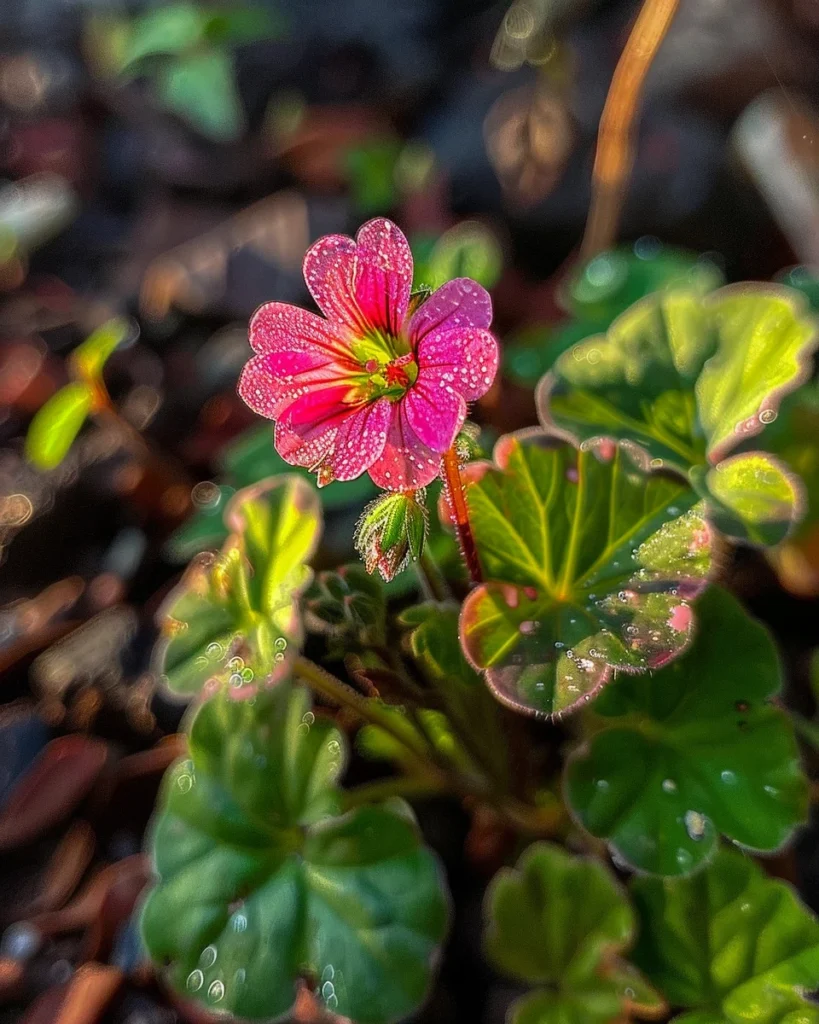
How to Grow Geraniums from Cuttings: Transform One Cutting into a Blooming Bush
Intro for Geranium Propagation from Cuttings
Geraniums (Pelargonium) are beloved garden plants known for their vibrant blooms, aromatic foliage, and remarkable versatility. Rather than discarding your geraniums at season’s end or buying new plants each year, you can easily propagate them from cuttings. This budget-friendly technique allows you to transform a single cutting into a lush, flowering bush. Geraniums thrive in temperate regions across USDA zones 5-11 (when overwintered indoors in colder areas) and adapt well to containers, garden beds, and hanging baskets. With minimal equipment and some basic knowledge, you can multiply your geranium collection and enjoy continuous blooms year after year.
When to propagate geranium cuttings
The ideal time to take geranium cuttings depends on your climate and purpose. In temperate regions, late summer to early fall (August-September) is optimal for taking cuttings that will overwinter indoors and be ready for spring planting. In frost-free areas, cuttings can be taken year-round, though spring and early summer provide the best growth conditions with soil temperatures between 18-24°C (65-75°F). For northern gardeners, taking cuttings before the first frost allows you to preserve your plants through winter. In warmer climates (zones 9-11), cuttings can root directly in the garden during mild weather.
Best time to plant geranium cuttings
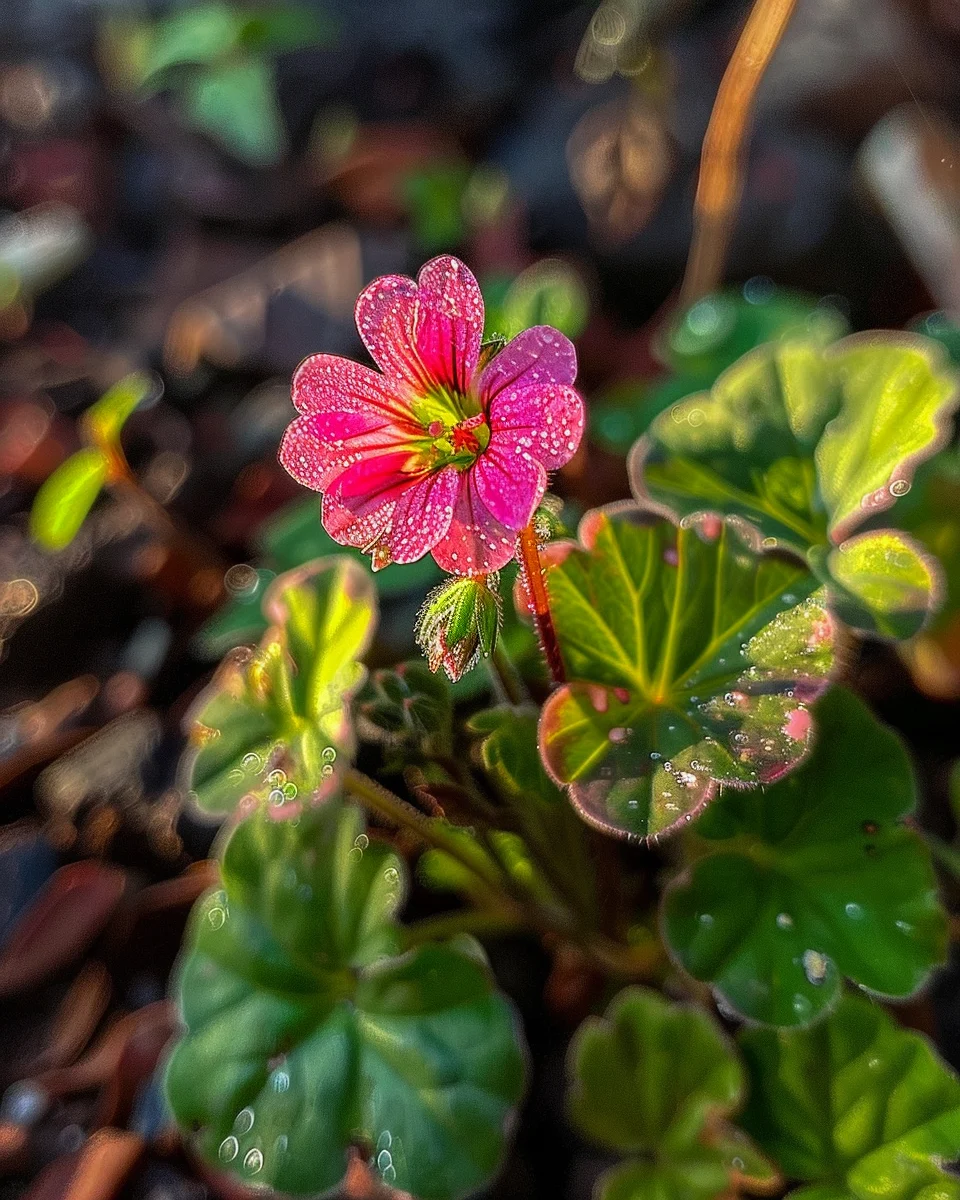
For cool-temperate regions (zones 5-7), take cuttings in late summer, root them indoors over winter, and transplant outdoors after all frost danger has passed (typically May). In moderate climates (zones 8-9), cuttings taken in early spring (March-April) can be planted outdoors by early summer. Warm-climate gardeners (zones 10-11) can take and plant cuttings almost year-round, though avoiding the extreme heat of midsummer is advisable. For indoor cultivation, cuttings can be started any time, but natural light is strongest from spring through fall, making these seasons ideal for successful rooting.
Best geranium varieties to grow from cuttings
• ‘Calliope Dark Red’ – Exceptionally vigorous with deep red blooms that propagate readily and grow into full bushes quickly.
• ‘Vancouver Centennial’ – Features unique maple-leaf foliage with reddish-brown centers and bright orange-red flowers, perfect for containers.
• ‘Appleblossom Rosebud’ – Produces delicate, rose-like pink and white blooms that root easily and develop into compact, floriferous plants.
• ‘Mrs. Pollock’ – A striking tricolor variety with gold, green, and red foliage that propagates well and makes a dramatic statement.
• ‘Citriodorum’ (Lemon-scented geranium) – Aromatic foliage with a strong citrus scent, excellent for sensory gardens and culinary uses.
• ‘Wilhelm Langguth’ – Features variegated white-and-green foliage with bright red blooms, creating striking contrast in the garden.
• ‘Balcon Red’ – Trailing/cascading habit ideal for hanging baskets, with excellent rooting success from cuttings.
How to plant geranium cuttings
Materials list:
– Healthy parent geranium plant
– Sharp, clean scissors or pruning shears
– Small pots (3-4 inches/7-10 cm)
– Well-draining potting mix or equal parts perlite and peat moss
– Rooting hormone powder (optional)
– Clear plastic bags or propagation dome
– Spray bottle with water
– Labels and marker
Step-by-step:
1. Select a healthy, non-flowering stem from your geranium plant, ideally 4-6 inches (10-15 cm) long with at least 3-4 leaf nodes.
2. Using clean, sharp scissors, make a straight cut just below a leaf node (where leaves emerge from the stem).
3. Remove all flowers, flower buds, and lower leaves, leaving only 2-3 sets of leaves at the top of the cutting.
4. Allow the cut end to dry and callus for 12-24 hours to prevent rotting.
5. Dip the cut end in rooting hormone if desired (though geraniums often root successfully without it).
6. Fill small pots with moistened potting mix and make a hole in the center with your finger.
7. Insert the cutting about 1-2 inches (2.5-5 cm) deep, ensuring the remaining leaves don’t touch the soil.
8. Gently firm the soil around the cutting to provide support.
9. Water lightly and place a clear plastic bag over each pot to create humidity (remove for a few hours daily to prevent mold).
10. Position in bright, indirect light, avoiding direct sunlight that could scorch the cuttings.
How to grow geranium cuttings into bushes
Rooting geranium cuttings requires bright, indirect light – an east or west-facing window is ideal. Maintain consistent moisture without waterlogging; water when the top inch of soil feels dry. Avoid fertilizing until roots have developed (typically 3-4 weeks). Once rooted, remove the plastic covering gradually over several days to acclimate the plants. To encourage bushy growth, pinch back the growing tips when plants reach 4-6 inches (10-15 cm) tall. For container growing, use pots at least 8-10 inches (20-25 cm) in diameter with excellent drainage. Once established, geraniums prefer to dry slightly between waterings. Begin fertilizing with a balanced, water-soluble fertilizer (10-10-10) at half strength every 2-3 weeks during the growing season. For overwintering indoors, place in a cool, bright location and reduce watering frequency.
Caring for propagated geraniums
Maintain your growing geraniums by removing spent blooms (deadheading) regularly to encourage continuous flowering. Watch for common pests like aphids and whiteflies, which can be treated with insecticidal soap or a strong spray of water. Geranium rust appears as orange-brown spots on leaves; remove affected foliage and improve air circulation. Botrytis (gray mold) can develop in humid conditions; avoid overhead watering and ensure good ventilation. Root rot occurs in overly wet conditions; allow soil to dry between waterings. Harvest stem cuttings for propagation when plants are actively growing but not flowering heavily. For long-term storage of mature plants over winter, they can be kept as dormant bare-root plants in a cool, dark location (7-10°C/45-50°F) or maintained as actively growing houseplants in a sunny window.
Understanding bolting in geraniums
Unlike many garden vegetables, true bolting isn’t an issue with ornamental geraniums. However, geraniums can experience stress-related growth changes that affect flowering. Extreme heat (above 30°C/86°F) can cause plants to slow flower production and focus on survival. Extended periods of drought stress may trigger premature seed production at the expense of flowers. Insufficient light leads to leggy, sparse growth with few blooms. To prevent these issues, provide afternoon shade in hot climates, maintain consistent moisture (without overwatering), and ensure adequate spacing for air circulation. If your geranium becomes leggy or sparse, prune it back by one-third to encourage dense, bushy growth and renewed flowering.
Why does my propagated geranium look unhealthy?
• Yellowing leaves: Usually indicates overwatering; reduce frequency and ensure excellent drainage.
• Leggy, sparse growth: Insufficient light; move to a sunnier location and pinch back growing tips.
• Brown leaf edges: Typically drought stress or fertilizer burn; water more consistently and flush soil if over-fertilized.
• Few or no flowers: Either too much nitrogen fertilizer (encouraging foliage at the expense of blooms) or insufficient light; switch to a bloom-boosting fertilizer (higher phosphorus) and increase sunlight.
• Stunted growth: Could indicate root-bound conditions; transplant to a larger container or check for pest issues.
Companion planting for geraniums
Good companions for geraniums include roses, as geraniums repel rose-damaging insects while both plants enjoy similar growing conditions. Plant near tomatoes and peppers, where geraniums help deter cabbage worms and other pests. Petunias complement geraniums visually while both benefit from similar care requirements. Lavender pairs well with geraniums, as both plants prefer similar soil conditions and are drought-tolerant once established. Marigolds planted nearby help repel nematodes that can damage geranium roots. Avoid planting geraniums near ivy, as they compete for nutrients and ivy can overwhelm geraniums. Also keep distance from cabbage family plants (broccoli, kale), as they have different water and nutrient needs.
Seasonal calendar
• January-February: Maintain overwintering plants with minimal water; prepare to take cuttings from indoor plants.
• March-April: Take spring cuttings; gradually acclimate overwintered plants to outdoor conditions; fertilize established plants.
• May: Plant rooted cuttings outdoors after frost danger passes; begin regular deadheading.
• June-July: Maintain consistent watering during heat; continue deadheading; fertilize every 2-3 weeks.
• August: Take cuttings for fall propagation; trim back leggy growth to encourage bushiness.
• September: Continue taking cuttings before frost; reduce fertilization in cooler regions.
• October: Prepare to bring plants indoors in zones 5-8; continue growing outdoors in zones 9-11.
• November-December: Maintain indoor plants with reduced watering and bright light; dormant storage for bare-root plants in cool areas.
Problems & solutions
| Problem | Quick Fix |
|---|---|
| Cuttings rotting before rooting | Allow cut ends to callus for 24 hours before planting; reduce watering frequency |
| Leggy, sparse growth | Increase light exposure; pinch growing tips to encourage branching |
| Yellow leaves | Check for overwatering; ensure pots have drainage holes; allow soil to dry between waterings |
| Few or no flowers | Increase sunlight; switch to high-phosphorus fertilizer (5-10-5); deadhead regularly |
| Leaves with brown spots | Improve air circulation; avoid overhead watering; remove affected leaves |
| Aphids or whiteflies | Spray with insecticidal soap or neem oil solution; introduce beneficial insects |
| Edema (water blisters on leaves) | Reduce watering frequency; improve air circulation; avoid temperature fluctuations |
Common questions about growing geraniums from cuttings
How often should I water my newly rooted geranium cuttings?
Water newly rooted cuttings when the top inch of soil feels dry to the touch, typically every 5-7 days indoors. Avoid overwatering, which can cause rot.
How much sunlight do propagated geraniums need?
Rooting cuttings need bright, indirect light. Once established, geraniums thrive in full sun (6+ hours daily) in cool climates and partial shade (morning sun, afternoon shade) in hot regions.
What size container is best for growing a geranium bush?
Start cuttings in 3-4 inch (7-10 cm) pots, then transplant to 8-12 inch (20-30 cm) containers as they grow. Larger varieties may eventually need 12-14 inch (30-35 cm) pots for optimal growth.
How long does it take for geranium cuttings to root?
Geranium cuttings typically develop roots in 2-4 weeks, depending on temperature and humidity. You’ll know they’ve rooted when you see new growth or feel resistance when gently tugging the stem.
Can I propagate geraniums in water instead of soil?
Yes, geraniums can root in water. Place cuttings in a jar with the bottom 1-2 inches (2.5-5 cm) submerged, change water weekly, and transplant to soil once roots are 1-2 inches (2.5-5 cm) long.
How do I make my geraniums bushier?
Regularly pinch or trim the growing tips when plants are young and continue to deadhead spent blooms. This encourages lateral branching and creates fuller, more compact plants.
Can I overwinter my geraniums and propagate them in spring?
Yes, either bring potted plants indoors to a sunny window, store as dormant bare-root plants in a cool, dark place, or take cuttings in fall to grow indoors until spring planting time.