

How to Prune Herbs Correctly: 10 Varieties That Need Regular Trimming for Best Growth
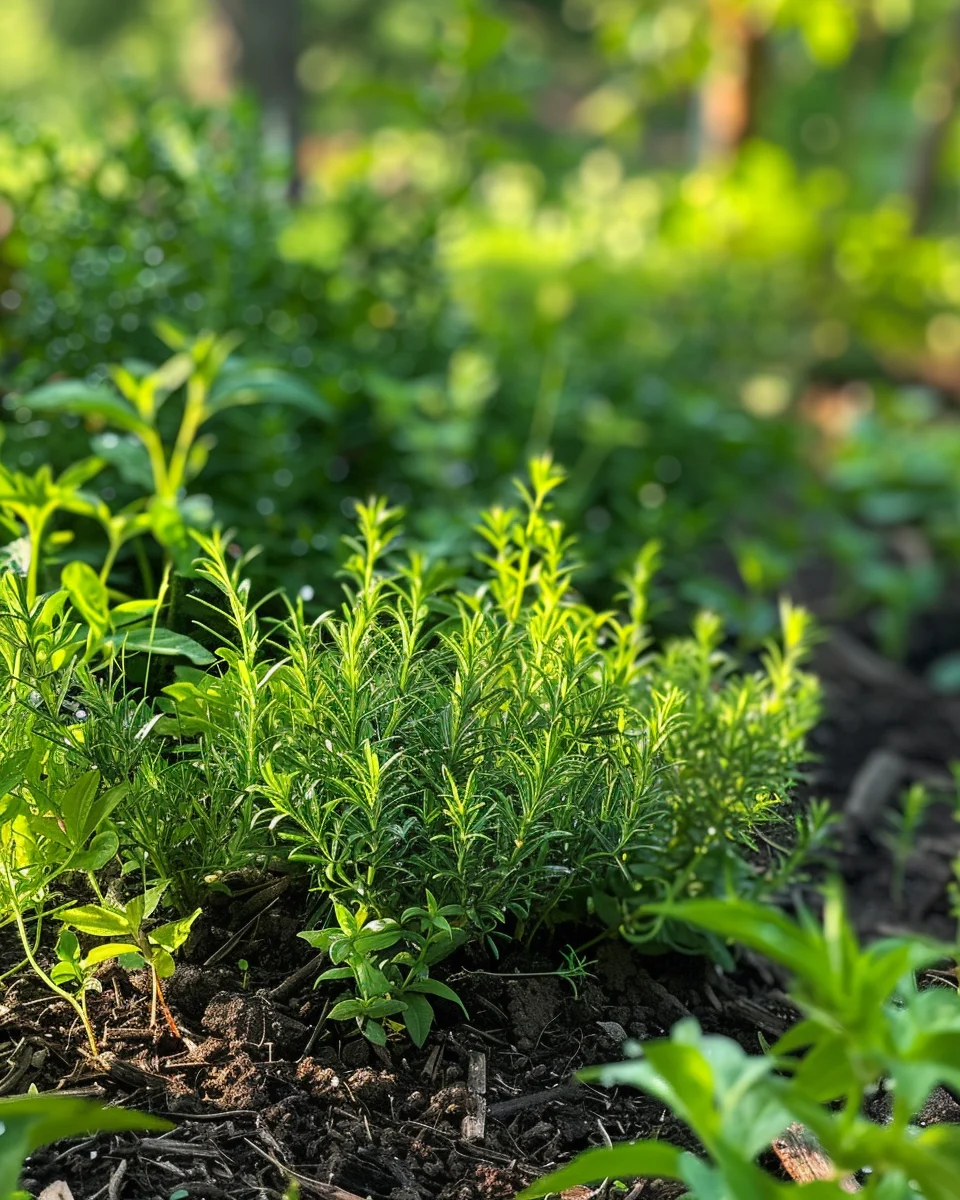
Intro for Pruning Herbs
Proper pruning is essential for maintaining healthy, productive herb plants in your garden. Many herbs naturally benefit from regular trimming, which encourages bushier growth, prevents legginess, and extends their productive lifespan. Without appropriate pruning, certain herbs can become woody, produce fewer leaves, and lose their flavor intensity. Understanding when and how to trim different herbs can transform your herb garden from merely functional to exceptionally productive. This guide focuses on 10 common herbs that particularly struggle without regular pruning attention, providing you with the knowledge to keep your culinary herbs thriving throughout the growing season.
When to prune herbs
The optimal pruning time varies by herb type and growing region. In general temperate regions, most herbs benefit from light pruning throughout the growing season (spring through early fall). Soft-stemmed herbs like basil and cilantro can be pruned whenever they’re actively growing, while woody herbs like rosemary and thyme are best pruned in spring after the threat of frost has passed. Avoid heavy pruning during late fall or winter when plants are dormant or preparing for dormancy, as this can stress plants and reduce cold hardiness. Soil temperatures should be consistently above 10°C (50°F) before beginning your spring pruning regimen.
Best time to prune herbs
For cool climate regions (US Zones 3-6, UK), focus your major pruning efforts from April to August. In warmer regions (US Zones 7-10, Mediterranean), you can prune from March through October. Morning hours are ideal for pruning as plants are hydrated and recover more quickly. For annual herbs like basil and cilantro, begin pinching when plants reach 15-20 cm (6-8 inches) tall. For perennial herbs like rosemary and sage, perform more substantial pruning in early spring just as new growth begins to emerge, with maintenance pruning throughout the growing season.
Best herb varieties that need regular pruning
– Basil ‘Genovese’: Classic Italian variety that becomes exceptionally bushy with frequent pinching, perfect for continuous harvest.
– Mint ‘Spearmint’: Vigorous grower that maintains tender leaves and prevents invasive spreading when regularly trimmed.
– Oregano ‘Greek’: Develops more concentrated essential oils and prevents woodiness when pruned regularly.
– Rosemary ‘Tuscan Blue’: Upright variety that maintains shape and prevents bare inner branches with proper pruning.
– Sage ‘Berggarten’: Broad-leaved variety that stays compact and productive with timely trimming.
– Thyme ‘English’: Maintains dense growth habit and prevents woody centers when pruned correctly.
– Tarragon ‘French’: Stays productive and flavorful when cut back regularly during growing season.
– Lemon balm ‘Aurea’: Golden variety that remains compact and less invasive with regular trimming.
How to prune herbs
Materials needed:
– Clean, sharp pruning shears or scissors
– Rubbing alcohol for disinfecting tools
– Garden gloves (optional)
– Small container for collecting trimmings
– Compost bin for plant waste
Step-by-step pruning process:
1. Disinfect your pruning tools with rubbing alcohol to prevent disease spread.
2. Identify the growth pattern of your specific herb before cutting.
3. For soft-stemmed herbs (basil, mint), pinch or cut just above a leaf node where two small leaves are forming.
4. For woody herbs (rosemary, thyme), cut no more than one-third of the plant at once, focusing on the top growth.
5. Remove any dead, damaged, or diseased portions first.
6. Trim to maintain shape, cutting back to just above a leaf node or branching point.
7. For leggy stems, cut back to where healthy growth begins.
8. Remove any flowering stems unless you want the plant to set seed.
9. Collect trimmings for immediate use or drying.
10. Water plants lightly after pruning to reduce stress.
How to grow herbs that require regular pruning
Most herbs that benefit from regular pruning require full sun, at least 6-8 hours daily. Water deeply but infrequently, allowing the soil to dry slightly between waterings. Apply a balanced, diluted organic fertilizer monthly during the growing season, but avoid over-fertilizing, which can reduce essential oil concentration. A light layer of compost as mulch helps retain moisture while providing gentle nutrition. For container-grown herbs, choose pots at least 20-30 cm (8-12 inches) in diameter with excellent drainage. Regularly pinch growing tips to encourage bushiness, especially with basil, mint, and oregano. Woody herbs like rosemary and thyme benefit from a more structured pruning approach, removing no more than one-third of the plant at any time.
Caring for regularly pruned herbs
After pruning, monitor plants for signs of stress and provide adequate water without overwatering. Common pests include aphids, spider mites, and whiteflies—treat with insecticidal soap or neem oil at first sign of infestation. Powdery mildew can affect herbs in humid conditions; improve air circulation and avoid overhead watering. Harvest herbs in the morning when essential oil concentration is highest, taking no more than one-third of the plant at once. Most fresh herbs can be stored in the refrigerator wrapped in damp paper towels for up to a week, or dried for long-term storage. Regularly remove flower buds from culinary herbs to maintain leaf production and flavor, unless you’re saving seeds.
Understanding bolting in herbs
Bolting occurs when herbs shift from leaf production to flowering and seed production, often triggered by heat, longer daylight hours, or stress. Once bolted, many herbs develop bitter flavors and tougher leaves. Regular pruning helps prevent bolting by keeping plants in a vegetative growth state. Basil, cilantro, and dill are particularly prone to bolting in hot weather. If your herbs begin to bolt, immediately remove flower stalks to redirect energy to leaf production. For heat-sensitive herbs like cilantro, provide afternoon shade and consider succession planting every 2-3 weeks during summer to maintain a continuous harvest.
Why do herbs become woody and less productive?
– Insufficient pruning: Stems become woody and less productive without regular trimming.
– Age: Many perennial herbs naturally become woody after 3-4 years and benefit from rejuvenation pruning.
– Nutrient deficiency: Poor soil can accelerate woody growth; address with compost addition.
– Drought stress: Inconsistent watering can trigger survival mechanisms that increase woodiness.
– Overgrowth: Allowing herbs to grow too large without maintenance reduces overall productivity.
Companion planting for herbs that need regular pruning
Plant basil near tomatoes to improve flavor and repel pests. Rosemary grows well with cabbage family plants, deterring cabbage moths. Thyme and sage make excellent companions for strawberries, enhancing growth and flavor. Mint pairs well with cabbage and tomatoes but should be contained to prevent spreading. Oregano benefits most garden vegetables by repelling pests. Avoid planting fennel near most herbs as it inhibits growth. Similarly, rue should be kept separate from basil and sage due to growth competition.
Seasonal calendar
Spring (March-May): Major pruning of woody perennial herbs; begin pinching soft-stemmed herbs when 15 cm (6 inches) tall; fertilize lightly.
Early Summer (June-July): Regular harvesting and maintenance pruning of all herbs; watch for and remove flower buds; water deeply during dry periods.
Late Summer (August): Continue maintenance pruning; begin collecting seeds from selected plants; take cuttings for propagation.
Fall (September-October): Final harvest before frost; light pruning of perennials; mulch perennial herbs in colder regions.
Winter (November-February): Minimal or no pruning in cold regions; in mild winter areas, light maintenance pruning only.
Problems & solutions
| Problem | Quick Fix |
|---|---|
| Leggy, sparse growth | Pinch growing tips regularly to encourage branching |
| Woody, unproductive stems | Cut back to just above new growth points in spring |
| Flowering/bolting | Remove flower buds immediately and increase pruning frequency |
| Yellowing leaves after pruning | Reduce pruning intensity; never remove more than 1/3 of plant at once |
| Slow recovery after pruning | Ensure adequate water and light; apply diluted seaweed fertilizer |
| Pest infestation after pruning | Spray with insecticidal soap; ensure tools were clean |
| Herbs not regrowing after cutting | Check if you cut below lowest leaf nodes; some herbs won’t regrow from bare stems |
Common questions about pruning herbs
Q: How often should I prune basil?
A: Pinch basil every 1-2 weeks during the growing season, removing flower buds and the top sets of leaves to encourage bushier growth.
Q: Can I prune herbs in winter?
A: Avoid significant pruning of perennial herbs in winter, especially in cold regions. Save major pruning for early spring when new growth begins.
Q: How much of the herb plant can I remove at once?
A: Never remove more than one-third of the plant at any one time to avoid stressing the plant.
Q: My rosemary is woody with bare stems inside. Can it be saved?
A: Woody rosemary can be rejuvenated by gradual pruning over several seasons, but never cut into bare wood as it may not regrow.
Q: Should I remove herb flowers?
A: For most culinary herbs, remove flowers to maintain leaf production and flavor, unless you’re saving seeds or attracting pollinators.
Q: Can overpruned herbs recover?
A: Most herbs can recover from overpruning if they still have some foliage. Provide optimal growing conditions and avoid further pruning until new growth is established.
Q: How do I prune potted herbs?
A: Follow the same principles as garden herbs, but be more conservative with pruning amounts since container plants have limited resources for recovery.