
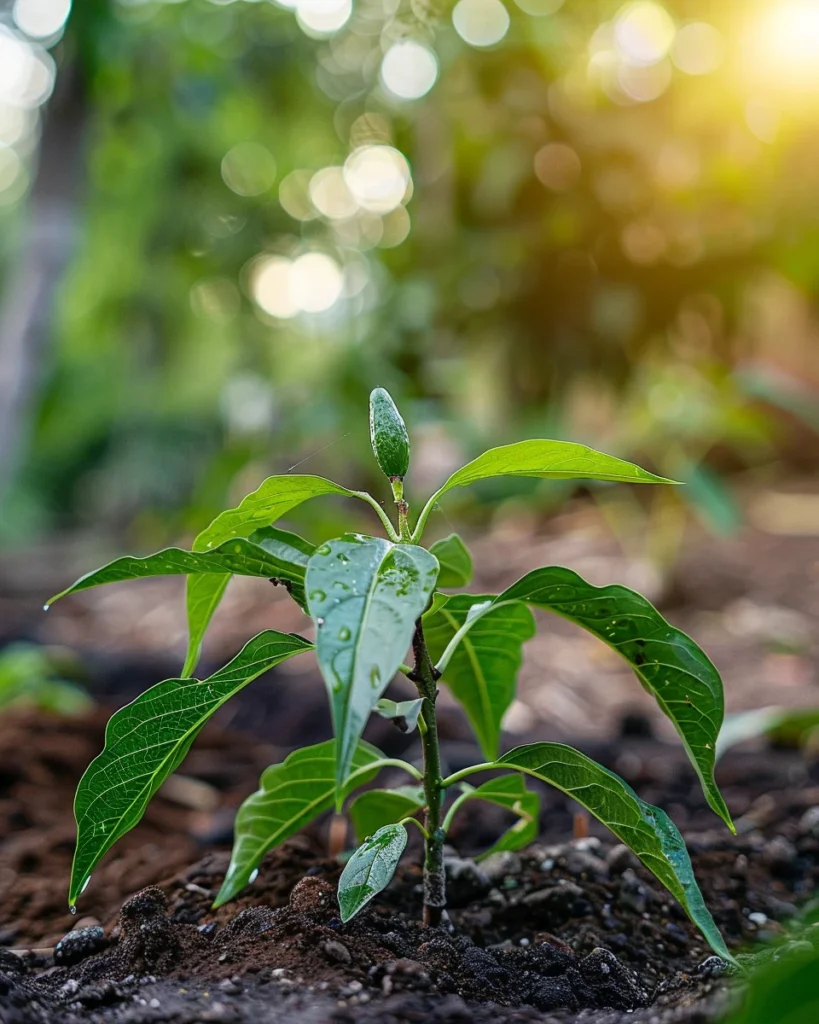
How to Grow an Avocado Tree from a Seed: The Foolproof Method for Indoor and Outdoor Success
Intro for Growing an Avocado Tree from a Seed
Growing an avocado tree from a seed is a rewarding project that transforms kitchen scraps into a beautiful houseplant or, in suitable climates, a fruit-bearing tree. While store-bought avocados rarely grow true to their parent variety, the process of nurturing a seed into a leafy tropical plant brings joy to gardeners of all experience levels. Avocado trees thrive in warm, humid environments but can be grown indoors in cooler regions. With proper care, patience, and the right technique, you can successfully sprout an avocado seed and watch it develop into an attractive foliage plant that may eventually produce fruit in 5-10 years in optimal conditions.
When to plant an Avocado Seed
Avocado seeds can be started indoors year-round, making them an excellent project regardless of season. However, if you plan to eventually move your tree outdoors, timing becomes important. In temperate regions, start seeds indoors in early spring (March-April) to give them several months of growth before considering outdoor transplanting. Avocados are tropical plants that require soil temperatures above 13°C (55°F) and cannot tolerate frost. In USDA zones 9-11, avocado trees can live outdoors year-round, while in cooler zones, they must be grown as container plants that can be moved indoors during cold weather.
Best time to plant an Avocado Seed

For indoor growing, any time is suitable for starting an avocado seed, though many gardeners find spring and summer provide the natural light and warmth that encourage faster germination. In warm climates (USDA zones 9-11), plant sprouted seeds outdoors in spring after all danger of frost has passed and soil temperatures remain consistently above 15°C (60°F). For cooler regions, maintain avocado trees as container plants, starting them indoors in late winter to early spring (February-March) to take advantage of increasing natural light. This timing allows young trees to establish before potentially moving outdoors for summer months.
Best Avocado varieties to grow
While seed-grown avocados rarely produce fruit identical to their parent, knowing the variety can help understand potential growth characteristics:
• Hass – Most common commercial variety with excellent flavor; seedlings may develop into large trees with good cold tolerance.
• Fuerte – Cold-hardy to about -3°C (27°F), making seedlings potentially more adaptable to cooler regions.
• Bacon – Produces seedlings with better cold tolerance, suitable for the cooler end of avocado-growing regions.
• Reed – Develops into a more compact tree, potentially better for container growing.
• Pinkerton – Known for higher productivity; seedlings may inherit some of these traits.
• Gwen – Semi-dwarf variety that may produce more manageable-sized seedling trees.
• Mexicola – Extremely cold-hardy variety (to -6°C/21°F), excellent for temperate regions.
How to plant an Avocado Seed
Materials list:
• Fresh avocado seed
• 3-4 toothpicks
• Glass or jar with wide mouth
• Clean water
• 20-25 cm (8-10 inch) pot
• Well-draining potting soil
• Small pebbles for drainage
• Watering can with gentle spray
Step-by-step:
1. Clean the avocado seed thoroughly under running water, removing all fruit flesh.
2. Determine the top (pointed end) and bottom (flatter end with slight indentation) of the seed.
3. Insert 3-4 toothpicks into the middle section of the seed, spaced evenly around its circumference.
4. Suspend the seed over a glass of water with the toothpicks resting on the rim, ensuring the bottom third of the seed is submerged.
5. Place the glass in a warm location with indirect light, maintaining water level and changing it weekly to prevent mold.
6. Wait 2-6 weeks for the seed to crack and develop both a taproot and shoot (patience is key—some seeds take up to 8 weeks).
7. Once the stem reaches about 15 cm (6 inches) and has several leaves, prepare to transplant.
8. Fill a pot with well-draining potting soil, leaving the top half of the seed exposed when planted.
9. Water thoroughly after planting, allowing excess water to drain completely.
10. Place in a bright location with protection from intense direct sunlight.
How to grow an Avocado Tree from Seed
Avocado trees need bright, indirect sunlight—6-8 hours daily is ideal. For indoor trees, an east or west-facing window provides perfect light conditions. Water when the top 2.5 cm (1 inch) of soil feels dry, typically once weekly, but avoid overwatering which can cause root rot. Fertilize with a balanced houseplant fertilizer (NPK 10-10-10) at half-strength every 2-3 months during spring and summer, suspending fertilization in fall and winter. Pinch back the growing tip when the tree reaches about 30 cm (12 inches) tall to encourage bushier growth and stronger branching. For container growing, use a pot at least 25-30 cm (10-12 inches) in diameter with excellent drainage. As the tree grows, repot every 1-2 years into a container approximately 5 cm (2 inches) larger in diameter. Maintain humidity around indoor plants by misting regularly or placing the pot on a tray filled with pebbles and water.
Caring for an Avocado Tree grown from Seed
Monitor your avocado tree for yellowing leaves (often indicating overwatering) or brown leaf tips (usually from low humidity or salt buildup). Prune regularly to maintain shape and size, especially for indoor trees. Common pests include spider mites, scale insects, and mealybugs—treat infestations early with insecticidal soap or neem oil. Avocado trees are susceptible to root rot, so ensure proper drainage and avoid waterlogged soil. If growing outdoors in suitable climates, protect young trees from strong winds and intense afternoon sun for the first year. Seed-grown avocados may begin flowering after 5-7 years, though fruit production can take 8-15 years and is not guaranteed. If fruit does develop, harvest when the skin color begins to dull and the fruit yields slightly to gentle pressure. Properly ripened avocados can be stored at room temperature until soft, then refrigerated for up to a week.
Understanding bolting in Avocado Trees
Unlike annual vegetables, avocado trees don’t bolt in the traditional sense. However, they can experience rapid, leggy growth that resembles bolting. This typically occurs when light is insufficient, causing the plant to stretch toward available light sources. This etiolation results in a tall, weak stem with sparse foliage. Prevent this by providing adequate light and regularly pinching back the growing tip to encourage branching. If your tree has already developed a leggy appearance, consider pruning it back by one-third to promote bushier growth. Rotate the plant regularly to ensure even light exposure on all sides, which helps maintain balanced growth.
Why does an Avocado Tree grown from Seed struggle?
• Overwatering: Soggy soil leads to yellowing leaves and root rot—allow top inch of soil to dry between waterings.
• Insufficient light: Causes leggy growth and poor development—move to a brighter location with indirect sunlight.
• Low humidity: Results in brown leaf tips and edges—increase humidity with regular misting or a humidifier.
• Temperature fluctuations: Causes leaf drop and stunted growth—keep away from drafts, heating vents, and cold windows.
• Nutrient deficiency: Yellowing leaves with green veins indicate iron deficiency—apply appropriate fertilizer.
Companion planting for Avocado Trees
Good companions for outdoor avocado trees include:
• Nasturtiums – Repel aphids and whiteflies while adding color beneath the tree.
• Comfrey – Accumulates nutrients that benefit avocado trees when used as mulch.
• Mint – Deters various pests, though should be planted in containers to prevent spreading.
• Marigolds – Repel nematodes that can damage avocado roots.
• Alyssum – Attracts beneficial insects that prey on avocado pests.
Avoid planting near:
• Laurel – Competes for similar nutrients and may harbor similar diseases.
• Eucalyptus – Produces allelopathic compounds that inhibit avocado growth.
Seasonal calendar
• January-February: Start seeds indoors in warm regions; maintain indoor trees with reduced watering.
• March-April: Ideal time to start new seeds indoors; prepare to move container trees outdoors in warm regions.
• May-June: Transplant sprouted seedlings to containers; move container trees outdoors in temperate regions.
• July-August: Provide extra water during hot periods; protect from intense afternoon sun.
• September-October: Begin acclimating outdoor container trees for move indoors in cooler regions.
• November-December: Bring container trees indoors before first frost; reduce watering and fertilizing.
Problems & solutions
Problem | Quick Fix
— | —
Yellowing leaves | Check drainage; reduce watering frequency
Brown leaf tips | Increase humidity; avoid fertilizer buildup
Leggy growth | Increase light; pinch growing tips to encourage branching
Leaf drop | Stabilize temperature; avoid drafts and sudden changes
White powdery substance on leaves | Treat for powdery mildew with neem oil
Sticky leaves with black sooty mold | Treat for aphids or scale insects with insecticidal soap
No growth for extended period | Check for root binding; consider repotting to larger container
Common questions about growing an Avocado Tree from Seed
How often should I water my avocado tree?
Water when the top 2.5 cm (1 inch) of soil feels dry to the touch, typically once per week for indoor plants. Reduce frequency in winter and increase during hot summer months.
Will my seed-grown avocado tree produce fruit?
Seed-grown trees can produce fruit, but it may take 8-15 years and the fruit will likely differ from the parent avocado. For reliable fruit production, grafted trees are recommended.
What size container does my avocado tree need?
Start with a 20-25 cm (8-10 inch) pot and repot every 1-2 years, increasing pot size by about 5 cm (2 inches) each time. A mature indoor tree may require a 40-50 cm (16-20 inch) container.
How much light does an avocado tree need?
Avocado trees need 6-8 hours of bright, indirect sunlight daily. Direct afternoon sun can scorch leaves, especially on young plants.
Can I grow an avocado tree outdoors in cold climates?
In regions with freezing temperatures (below USDA zone 9), avocado trees should be grown in containers and brought indoors when temperatures drop below 10°C (50°F).
Why is my avocado seed not sprouting?
Avocado seeds can take 2-8 weeks to sprout. Ensure the water is changed weekly, the seed is properly oriented (bottom in water), and patience is maintained. Not all seeds will be viable.
How do I encourage my avocado tree to branch out?
Pinch or prune the top growth when the stem reaches about 30 cm (12 inches) tall, removing the top two sets of leaves. This encourages the tree to develop side branches for a bushier appearance.