

How to Transform Tree Stumps with 9 Gorgeous Flowers: When to Plant, Best Varieties & Care
Intro for Tree Stump Flower Planting
Tree stumps often become eyesores in gardens, but with a bit of creativity, they can transform into stunning focal points. Repurposing tree stumps as planters is an eco-friendly way to give new life to what would otherwise be waste. By hollowing out the center and adding soil, you create a unique, elevated planting bed perfect for showcasing beautiful flowers. This approach not only saves you the expense and effort of stump removal but also adds rustic charm and vertical interest to your garden. Tree stump planters work in virtually any climate and can host a variety of flowers depending on your local growing conditions and personal preferences.
When to plant flowers in tree stumps
The best time to prepare and plant a tree stump depends on your local climate and the stump’s condition. In temperate regions, spring and early fall offer ideal conditions for establishing new plants when soil temperatures range between 10-21°C (50-70°F). If you’re in colder regions, wait until after the last frost date to plant tender annuals. For warmer climates, fall planting allows roots to establish before summer heat arrives. The stump itself should be at least 6-12 months old, as fresher stumps may still contain too much sap and moisture that can inhibit plant growth.
Best time to plant flowers in tree stumps
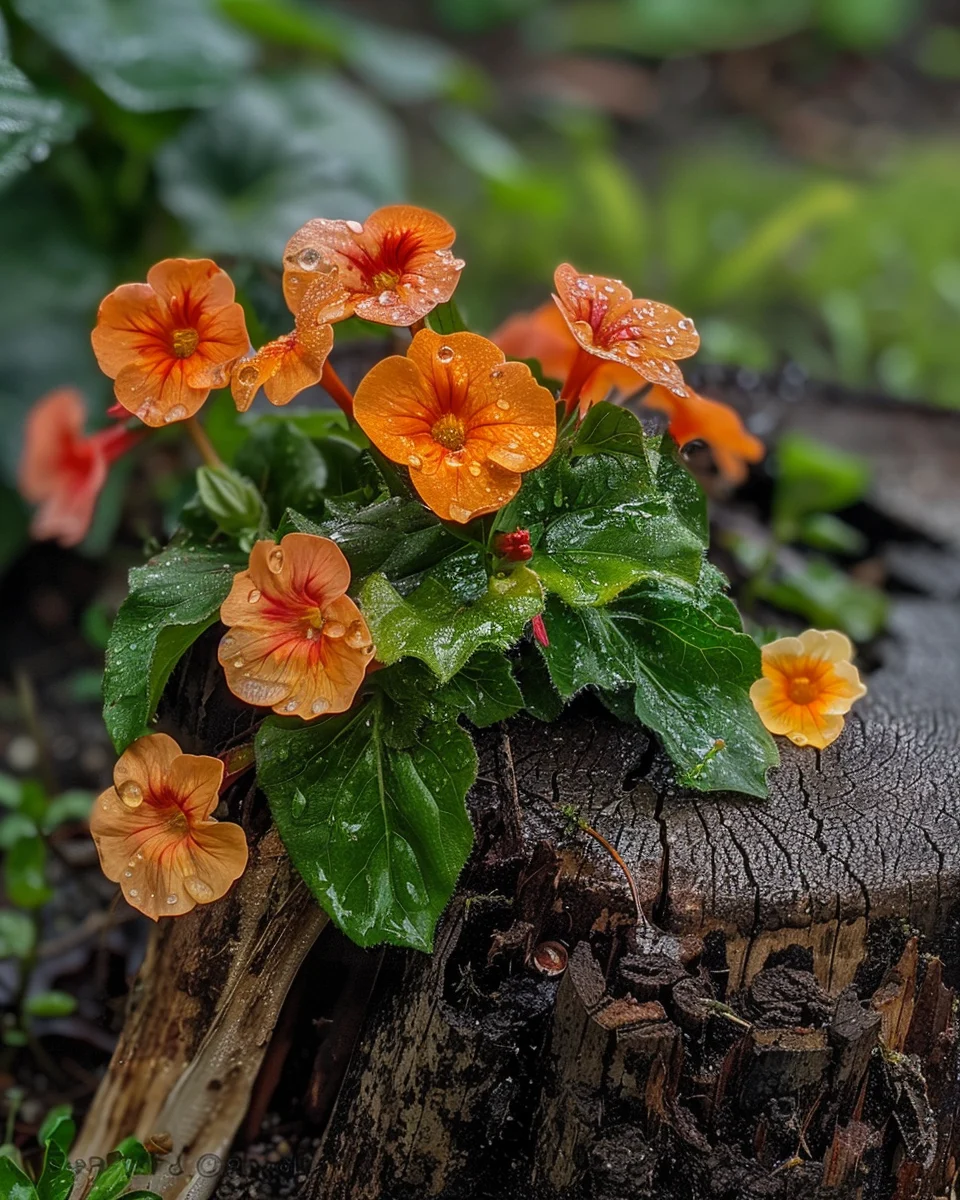
For cool climate regions (US Zones 3-6, UK), plant between April and June when temperatures consistently stay above 10°C (50°F). In moderate climates (US Zones 7-8), March through May works well for spring planting, while September through October is ideal for fall planting. Warm climate gardeners (US Zones 9-11, Mediterranean) can plant from February through April or September through November. If using transplants rather than direct sowing, add them to prepared stumps after the danger of frost has passed in your area, typically 2-3 weeks after your last frost date.
Best flower varieties to grow in tree stumps
• Hostas – Shade-loving perennials with beautiful foliage that thrive in partially rotted stumps in shady locations.
• Creeping Phlox – Creates a stunning cascade of pink, purple, or white flowers that will spill over the edges of the stump.
• Sedum – Drought-tolerant succulents perfect for sunny locations with minimal maintenance requirements.
• Coral Bells (Heuchera) – Offers colorful foliage year-round and delicate flower stalks, ideal for partial shade conditions.
• Trailing Lobelia – Produces masses of tiny blue, white, or purple flowers that gracefully drape over the stump edges.
• Ferns – Perfect for shady locations, adding lush, feathery texture that complements the rustic nature of the stump.
• Petunias – Vibrant annual flowers available in countless colors that bloom prolifically throughout the growing season.
• Impatiens – Shade-loving annuals that provide continuous color in cooler, protected locations.
How to plant flowers in tree stumps
Materials list:
– Drill with spade bits (1-2 inches/2.5-5cm)
– Chisel and hammer
– Rot accelerator (optional)
– Potting soil or compost
– Slow-release fertilizer
– Selected plants
– Small rocks or broken pottery
– Watering can
Step-by-step:
1. Assess the stump’s condition – ensure it’s stable and partially weathered but not completely rotted.
2. Drill multiple holes across the top surface, about 4-6 inches (10-15cm) deep and 2-3 inches (5-7.5cm) apart.
3. Use a chisel and hammer to remove wood between the holes, creating a basin at least 6 inches (15cm) deep.
4. Drill several drainage holes through the bottom of your created basin.
5. Add a layer of small rocks or broken pottery at the bottom for drainage.
6. Mix potting soil with compost and a small amount of slow-release fertilizer.
7. Fill the hollowed area with your soil mixture, leaving about 1 inch (2.5cm) of space below the rim.
8. Plant your selected flowers according to their specific spacing requirements.
9. Water thoroughly until moisture appears from the drainage holes.
10. Add a thin layer of mulch around the plants to help retain moisture.
How to grow flowers in tree stumps
Most stump plantings require at least 4-6 hours of sunlight daily, though shade-loving varieties like ferns, hostas, and impatiens can thrive in locations with less light. Water regularly, as stump planters tend to dry out faster than ground plantings—typically every 2-3 days during warm weather or when the top inch of soil feels dry. Apply a balanced, water-soluble fertilizer monthly during the growing season at half the recommended strength to avoid burning roots in the confined space. Mulch lightly with fine compost to retain moisture. Trim spent flowers regularly to encourage continued blooming. For container-specific care, remember that the limited soil volume means plants may need more frequent watering and fertilizing than their in-ground counterparts. During extreme heat, consider moving portable stumps to shadier locations or providing afternoon shade.
Caring for flowers in tree stumps
Monitor soil moisture daily during hot weather, as the limited soil volume can dry out quickly. Deadhead spent blooms regularly to encourage continued flowering and prevent seed formation. Watch for common pests like aphids (treat with insecticidal soap spray) and slugs (remove by hand or use diatomaceous earth around the stump base). Fungal issues may develop in consistently damp conditions—improve air circulation and avoid overhead watering. As the stump continues to decompose naturally, you may need to add fresh soil annually to maintain proper planting depth. For winter protection in colder regions, consider adding a layer of mulch around perennials, or replace tender annuals with cold-hardy plants or seasonal decorations. Most stump plantings will last 3-7 years before the stump decomposes significantly, at which point you can either continue adding soil or repurpose the area.
Understanding bolting in stump plantings
Bolting refers to premature flowering and seed production, primarily affecting leafy plants and herbs that might be planted in stumps. It’s triggered by heat stress, longer daylight hours, or root constriction—all potential issues in stump plantings. The limited soil volume in stumps can heat up quickly, accelerating bolting in susceptible plants like lettuce or cilantro. To prevent bolting, choose bolt-resistant varieties, provide afternoon shade during hot periods, ensure consistent moisture, and avoid overcrowding plants. If bolting begins, harvest usable portions immediately and consider replacing with heat-tolerant alternatives or flowering plants that benefit from the conditions.
Why do flowers in tree stumps struggle?
• Insufficient drainage – Drill additional holes through the stump bottom and sides to prevent waterlogging.
• Limited soil volume – Choose compact varieties and refresh soil annually with nutrient-rich compost.
• Rapid drying – Increase watering frequency and add water-retaining polymers to the soil mix.
• Nutrient depletion – Apply liquid fertilizer more frequently but at half strength to compensate for limited soil.
• Stump decomposition – Natural process; add fresh soil as needed and consider this a temporary (3-7 year) garden feature.
Companion planting for tree stump flowers
Good companions include trailing plants like sweet alyssum that attract pollinators and beneficial insects while creating visual interest cascading down the sides. Drought-tolerant succulents pair well with most flowering plants in sunny locations, requiring similar care while adding textural contrast. Herbs like creeping thyme or oregano complement flowering plants while adding fragrance and culinary usefulness. Avoid planting invasive species like mint that could quickly overtake the limited space. Also avoid deep-rooted plants that require more soil depth than the stump can provide, as they’ll struggle and compete excessively for resources.
Seasonal calendar
Spring (March-May): Prepare stump, add fresh soil, plant cold-hardy perennials or early annuals, apply slow-release fertilizer.
Early Summer (June): Plant heat-loving annuals, increase watering frequency, deadhead spent blooms.
Mid-Summer (July-August): Monitor for drought stress, provide afternoon shade if needed, continue deadheading, apply liquid fertilizer.
Fall (September-October): Plant fall-blooming annuals or perennials, reduce fertilizing, prepare perennials for winter.
Winter (November-February): Protect perennials with mulch in cold regions, plan next season’s plantings, assess stump condition.
Problems & solutions
| Problem | Quick Fix |
|---|---|
| Waterlogged soil | Drill additional drainage holes and add more drainage material at the bottom |
| Plants wilting despite watering | Check for root binding; the stump may be too small for the plant variety |
| Fungal growth on stump | Ensure proper air circulation; remove affected areas and apply fungicide if necessary |
| Rapid decomposition of stump | Line interior with landscape fabric before planting to maintain soil structure |
| Insect infestation in stump wood | Apply neem oil to unplanted portions of the stump; avoid chemical treatments near plants |
| Uneven growth/leaning plants | Ensure stump is level; add support stakes for taller plants |
Common questions about growing flowers in tree stumps
How often should I water my stump planter?
Check soil moisture every 1-2 days; water when the top inch feels dry, typically every 2-3 days in summer and less frequently in cooler weather.
How long will a tree stump planter last?
Depending on the wood type and local conditions, most stump planters last 3-7 years before significant decomposition occurs.
Can I grow vegetables in a tree stump?
Yes, compact vegetables like lettuce, radishes, and herbs can grow in stumps, but they may require more frequent watering and fertilizing than flowers.
Do I need to treat the stump with preservatives?
No, avoid chemical preservatives that might harm plants. The natural decomposition process is part of the stump planter’s lifecycle.
How deep should I hollow out the stump?
Aim for at least 6-8 inches (15-20cm) depth for most flowers, deeper (10-12 inches/25-30cm) if planting perennials with larger root systems.
Can I move my stump planter?
Small stumps can be moved if placed on a platform with wheels; larger stumps should be considered permanent features.
What if mushrooms grow from the stump?
This is natural decomposition at work; remove mushrooms if concerned about appearance or if pets/children might access them, but they won’t harm your plants.