

Natural Pest Control for Plants: How to Keep Gardens Pest-Free Without Harsh Chemicals
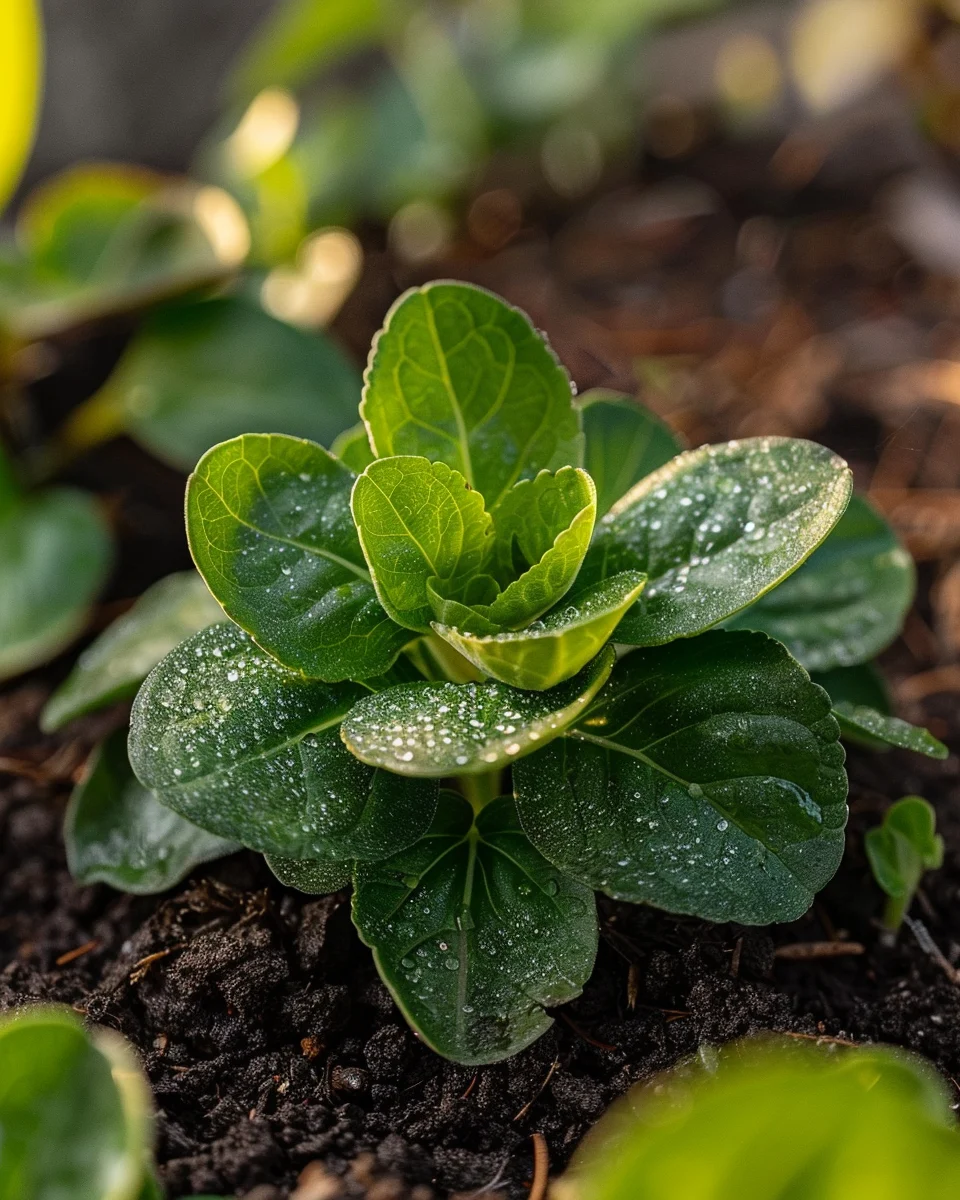
Intro for Natural Pest Control
Natural pest control offers gardeners effective ways to protect plants without resorting to synthetic chemicals that can harm beneficial insects, pets, and the environment. By working with nature rather than against it, you can create a balanced garden ecosystem where pests are kept in check naturally. These methods rely on biological controls, plant-based remedies, and preventative practices that strengthen plants’ natural defenses. Natural pest management is suitable for all garden types—from vegetable patches to ornamental beds—and is especially valuable for those growing food crops where chemical residues are a concern. With some knowledge and preparation, you can maintain a thriving, pest-resistant garden using gentle yet effective approaches.
When to implement natural pest control
Natural pest control should be implemented year-round as a preventative approach, but timing specific treatments depends on your climate and pest cycles. In temperate regions, begin preventative measures in early spring (soil temperatures around 10-15°C/50-60°F) before pest populations explode. Summer requires vigilant monitoring as pest activity peaks with warmer temperatures. Fall is ideal for applying beneficial nematodes when soil temperatures remain above 14°C/57°F. Winter is perfect for planning and preparing homemade remedies for the coming season. Unlike chemical controls that work regardless of temperature, many natural solutions (especially biological controls) are most effective within specific temperature ranges, typically 15-30°C (60-86°F).
Best time to apply natural pest controls
For cool climate regions (UK, Northern US, Canada), focus preventative treatments from April to June when pests first emerge. Apply foliar sprays in early morning or evening to prevent leaf burn. In warmer regions (US Zones 7-10, Mediterranean), begin in February or March and continue through October. Beneficial insect releases work best at dusk when predatory insects are less likely to fly away. Neem oil and insecticidal soaps should be applied when temperatures are below 32°C/90°F to prevent plant stress. For all regions, apply treatments after rain or watering (once leaves have dried) for better adhesion, and reapply after heavy rainfall.
Best natural pest control methods to implement
- Beneficial Insects – Ladybugs, lacewings, and parasitic wasps act as living pest control, targeting specific problem insects without harming plants.
- Neem Oil – A versatile extract that disrupts pest feeding and reproduction while being relatively gentle on beneficial insects when used correctly.
- Diatomaceous Earth – Food-grade DE provides physical control of crawling insects with exoskeletons without chemical residues.
- Companion Planting – Plants like marigolds, nasturtiums, and herbs repel pests through their natural compounds and attract beneficial insects.
- Insecticidal Soaps – Potassium-based soaps that break down pest exoskeletons but degrade quickly without lasting environmental impact.
- Garlic and Hot Pepper Sprays – Homemade deterrents that repel insects through strong natural compounds without toxic residues.
- Beneficial Nematodes – Microscopic organisms that target soil-dwelling pests while leaving plants and earthworms unharmed.
How to implement natural pest control
Materials needed:
- Spray bottles (1-2 liter capacity)
- Organic neem oil
- Liquid castile soap
- Food-grade diatomaceous earth
- Cheesecloth or fine strainer
- Protective gloves and eyewear
- Measuring spoons and cups
- Garden pruners
- Companion plant seeds or seedlings
- Beneficial insects (purchased from garden suppliers)
Step-by-step implementation:
- Assess your garden for existing pest problems, identifying specific insects before treatment.
- Improve soil health by adding compost (5-7cm/2-3in layer) to strengthen plants’ natural defenses.
- Plant pest-repelling companions like marigolds, basil, and nasturtiums between vulnerable crops, spacing according to variety needs.
- Create a basic neem oil spray by mixing 5ml (1 tsp) neem oil with 2ml (½ tsp) mild liquid soap in 1 liter (1 quart) of water.
- Apply neem spray to affected plants, covering leaf undersides where pests hide, repeating weekly until pests subside.
- Sprinkle diatomaceous earth in a 5cm (2in) band around vulnerable plants when soil is dry, reapplying after rain.
- Release beneficial insects like ladybugs at dusk after watering plants to encourage them to stay.
- Install physical barriers such as row covers over young plants, securing edges with soil or stones.
- Set up yellow sticky traps 30cm (12in) above plants to monitor and reduce flying pest populations.
- Maintain a regular inspection schedule, checking plants twice weekly for early signs of pest damage.
How to grow pest-resistant plants
Healthy plants naturally resist pests better. Position plants according to their sunlight requirements—most vegetables need 6-8 hours of direct sun, while some herbs and leafy greens tolerate partial shade. Establish a consistent watering schedule, providing deep watering (2.5cm/1in) when the top 2.5cm (1in) of soil feels dry rather than frequent shallow watering. Apply balanced organic fertilizers at half the recommended strength monthly during growing season, as overfertilization creates soft growth attractive to pests. Mulch with straw or wood chips (5-7cm/2-3in thick) to regulate soil moisture and temperature while suppressing weeds that harbor pests. Prune plants regularly to improve air circulation, removing damaged or diseased portions promptly. For container gardens, choose pots at least 30cm (12in) in diameter with good drainage, and use high-quality potting mix enriched with compost.
Caring for a pest-free garden
Maintain garden hygiene by removing fallen leaves and plant debris that harbor pests and diseases. Rotate crops annually to prevent pest buildup in soil. For aphids, introduce ladybugs or spray affected areas with a solution of 15ml (1 tbsp) liquid soap in 1 liter (1 quart) of water. Combat fungal diseases by improving air circulation and applying a baking soda spray (5ml/1 tsp baking soda, 5ml/1 tsp vegetable oil, and 2ml/½ tsp liquid soap in 1 liter/1 quart water). For slugs and snails, set shallow dishes of beer or create barriers with crushed eggshells or diatomaceous earth. Harvest herbs and vegetables regularly to prevent overripening that attracts pests. Store homemade pest remedies in labeled, dark glass bottles away from direct sunlight for up to one month.
Understanding biological controls in pest management
Biological control uses living organisms to manage pests naturally. This approach is triggered by observing pest presence rather than calendar dates. Prevention involves maintaining diverse plantings that support predator populations year-round. Temperature significantly affects biological control effectiveness—most beneficial insects become inactive below 10°C (50°F) or above 35°C (95°F). If pest outbreaks occur despite biological controls, supplement with compatible botanical sprays rather than synthetic chemicals that would disrupt the established balance. Beneficial insects may take 1-2 weeks to establish and show results, so patience is essential. Create permanent habitat features like insectary plants (alyssum, dill, cosmos) and small water sources to maintain predator populations between pest outbreaks.
Why do pests target certain plants?
- Plant stress – Drought, heat, or nutrient deficiencies weaken plants’ natural defenses, making them more susceptible to pests. Solution: Maintain consistent watering and proper fertilization.
- Monoculture planting – Large areas of single plant species create ideal conditions for specialized pests. Solution: Interplant different crops and incorporate flowers.
- Lack of beneficial insects – Gardens without predatory insects have no natural pest control. Solution: Plant nectar-rich flowers and avoid broad-spectrum sprays.
- Poor air circulation – Crowded plants create humid microclimates favorable to pests and diseases. Solution: Follow proper spacing guidelines and prune as needed.
- Timing mismatches – Plants grown out of their optimal season are more vulnerable. Solution: Follow regional planting calendars for your crops.
Companion planting for pest management
Good companions that deter pests include marigolds, which repel nematodes and many insects with their strong scent; nasturtiums, which act as trap crops for aphids, protecting nearby vegetables; basil, which deters flies and mosquitoes while improving tomato flavor when planted nearby; chives and garlic, which repel aphids and Japanese beetles with their sulfur compounds; and calendula, which attracts beneficial insects while deterring asparagus beetles and tomato hornworms. Avoid planting members of the same plant family together (like tomatoes, potatoes, and eggplants) as they attract the same pests and compete for similar nutrients. Also avoid planting fennel near most vegetables, as it inhibits growth of many common garden plants.
Seasonal calendar
Spring (March-May): Apply compost to beds; sow companion plants; release beneficial nematodes when soil warms above 14°C (57°F); install physical barriers for early crops; begin weekly monitoring.
Summer (June-August): Apply neem oil treatments in early morning; release ladybugs and lacewings; maintain mulch layer; harvest regularly; inspect plants twice weekly; reapply botanical sprays after rain.
Fall (September-November): Remove spent plants promptly; apply beneficial nematodes before soil cools; collect and save seeds from pest-resistant plants; add fall compost; plant cover crops in empty beds.
Winter (December-February): Clean and disinfect tools and containers; plan crop rotation; order beneficial insects for spring; prepare and store homemade remedies; amend soil in preparation for spring planting.
Note: For warmer regions (Zones 9-10), extend fall activities through December and begin spring activities in January. For cooler regions (Zones 3-5), compress activities into a shorter growing season.
Problems & solutions
| Problem | Quick Fix |
|---|---|
| Aphid infestation | Spray plants with strong stream of water, then apply insecticidal soap; release ladybugs at dusk. |
| Powdery mildew | Mix 1 part milk to 9 parts water and spray affected leaves; improve air circulation. |
| Slugs and snails | Place shallow dishes of beer near affected plants or create barriers with diatomaceous earth. |
| Caterpillar damage | Apply Bacillus thuringiensis (Bt) spray in evening; hand-pick larger caterpillars. |
| Spider mites | Increase humidity around plants; apply neem oil solution focusing on leaf undersides. |
| Beneficial insects disappearing | Plant more nectar-rich flowers; provide shallow water sources; avoid all broad-spectrum sprays. |
| Homemade sprays causing leaf burn | Dilute solution further; apply during cooler parts of day; test spray on single leaf first. |
Common questions about natural pest control
How often should I apply homemade pest sprays?
Apply weekly for active infestations, then reduce to bi-weekly for prevention. Always reapply after rain and discontinue once pests are under control to avoid stressing plants.
Can I use natural pest control in containers?
Yes, container gardens benefit greatly from natural pest control. Use the same methods but monitor more frequently as container plants can be more susceptible to stress.
How long does it take to see results from beneficial insects?
Expect to see noticeable reduction in pest populations within 1-2 weeks after releasing beneficial insects, provided temperatures are between 15-30°C (60-86°F).
Are natural pest controls safe around children and pets?
Most natural controls are safer than synthetic chemicals, but still require precautions. Keep pets and children away from freshly treated areas until dry, and store all remedies securely.
Will rain wash away my natural pest treatments?
Yes, most botanical sprays and dusts need reapplication after significant rainfall. Adding a small amount (1ml/¼ tsp per liter) of vegetable oil to sprays can improve rain resistance.
Can I mix different natural pest controls together?
Some combinations work well together (like neem oil and insecticidal soap), but others may reduce effectiveness. Test combinations on a small area first and never mix biological controls with botanical sprays.
How do I know which natural control to use for specific pests?
Identify the pest first through garden guides or extension services. Soft-bodied insects respond well to soap sprays; chewing insects to neem oil or Bt; and soil pests to beneficial nematodes or diatomaceous earth.