

How to Make a DIY Pest Spray That’s a Game Changer for Your Garden: Natural Ingredients, Best Recipes & Application Tips
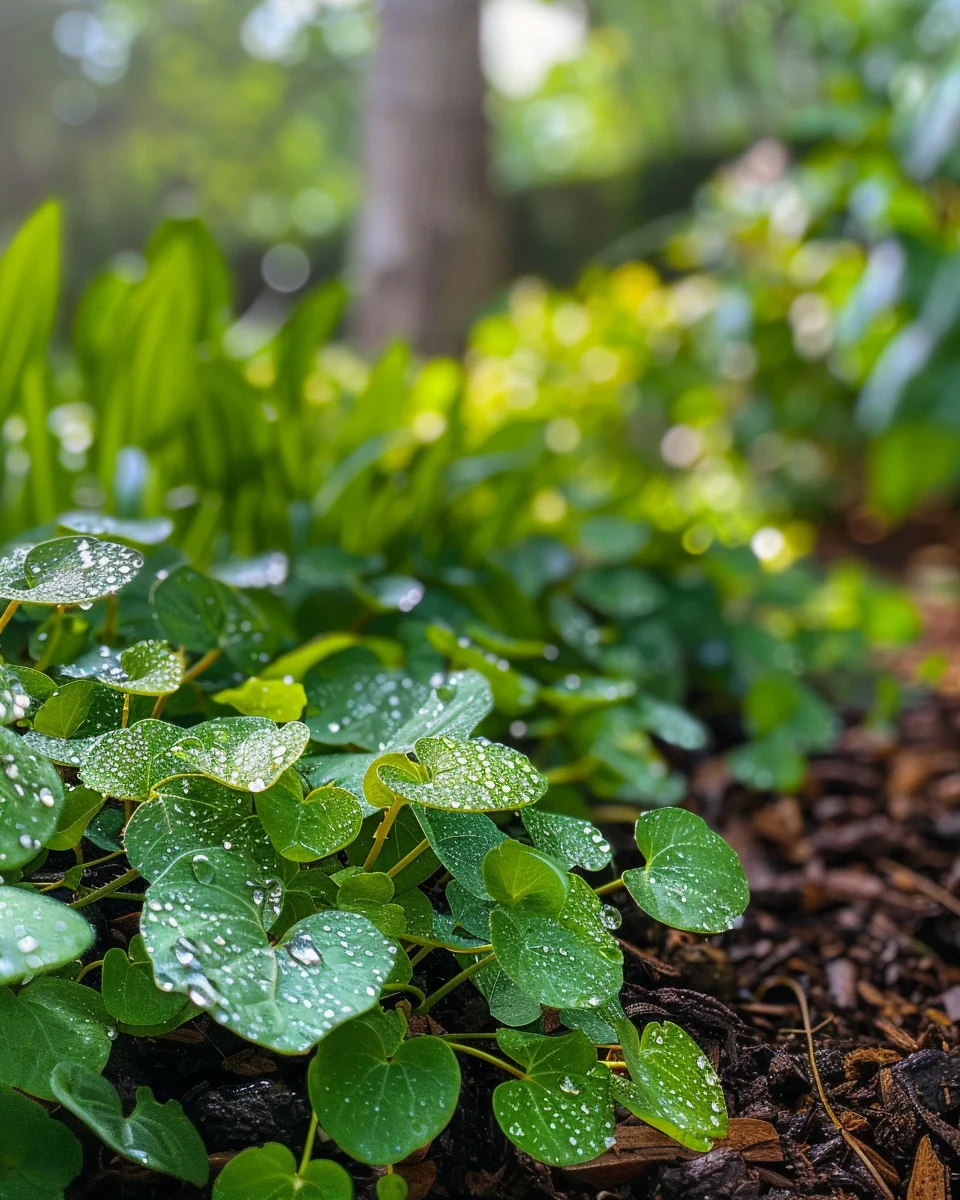
Intro for DIY Pest Spray
A homemade pest spray can revolutionize your garden’s defense system against unwanted insects while avoiding harsh chemicals. These natural concoctions use everyday ingredients like garlic, hot peppers, and essential oils to create effective barriers against common garden pests. DIY pest sprays work best in all growing regions as part of an integrated pest management approach, saving you money while protecting beneficial insects. They’re customizable to target specific pests in your garden and are particularly valuable for organic gardeners who want to maintain ecological balance. With simple ingredients from your kitchen and a few minutes of preparation, you can create powerful plant protectors that keep your garden thriving naturally.
When to use DIY Pest Spray
Apply homemade pest sprays at the first sign of pest damage, ideally in the early morning or late evening when temperatures are cooler (below 29°C/85°F). Avoid spraying during the heat of the day when solutions can burn plant leaves. Preventative applications work best before pest populations explode, typically starting in late spring when temperatures consistently reach 15-18°C (60-65°F). For ongoing protection, establish a regular spraying schedule during the growing season, adjusting frequency based on pest pressure and rainfall. After heavy rain, reapply as most solutions wash away. In temperate regions, begin your spray regimen after the last frost date and continue until early fall.
Best time to apply DIY Pest Spray
In cool climate regions (Zones 3-5), begin applications in late May through September when pests become active. For moderate temperate regions (Zones 6-8), start in mid-April and continue through October. Warm climate gardeners (Zones 9-11) may need year-round application with increased frequency during summer months. For all regions, the ideal application window is early morning (before 9 AM) when beneficial insects are less active but before the day heats up. Evening applications (after 6 PM) are also effective as the solutions have time to dry overnight without sun exposure. Always apply after watering or rainfall has dried, but before plants are stressed by heat.
Best DIY Pest Spray varieties to grow
• Garlic-Pepper Spray – Combines capsaicin and allicin compounds to repel a wide range of insects including aphids and spider mites.
• Neem Oil Solution – Contains azadirachtin that disrupts insect feeding and reproduction cycles while being gentle on beneficial insects.
• Soap Spray – Simple yet effective against soft-bodied insects by breaking down their protective outer coating.
• Essential Oil Blend – Peppermint, rosemary and clove oils create a potent aromatic barrier that confuses and repels many common garden pests.
• Citrus Peel Extract – Contains d-limonene which is particularly effective against ants and roaches while being pleasant-smelling.
• Diatomaceous Earth Slurry – Works mechanically rather than chemically to dehydrate insects with exoskeletons.
• Vinegar-Based Spray – Acidic solution that deters many soft-bodied pests and helps control fungal issues.
How to make DIY Pest Spray
Materials list:
– 1 head of garlic
– 1-2 hot peppers (jalapeño or cayenne)
– 1 tablespoon of vegetable oil
– 1 teaspoon of mild liquid soap
– 1 liter (quart) spray bottle
– Cheesecloth or fine strainer
– Blender or food processor
– Protective gloves
– Measuring spoons
– Water
Step-by-step:
1. Peel and crush an entire head of garlic, allowing it to sit for 10 minutes to activate allicin compounds.
2. Wearing gloves, chop 1-2 hot peppers (seeds included for maximum potency).
3. Place garlic and peppers in a blender with 2 cups of water and blend until thoroughly combined.
4. Let the mixture steep for 24 hours in a covered container away from direct sunlight.
5. Strain the liquid through cheesecloth or a fine strainer into your spray bottle.
6. Add 1 tablespoon of vegetable oil to help the spray adhere to plant surfaces.
7. Add 1 teaspoon of mild liquid soap (like castile soap) to break surface tension.
8. Fill the bottle with water to the 1-liter mark and shake thoroughly to combine.
9. Test on a small leaf area first and wait 24 hours to ensure no damage occurs.
10. Label your spray with ingredients and date prepared for future reference.
How to apply DIY Pest Spray
Apply your homemade pest spray thoroughly to both the tops and undersides of leaves where pests often hide. For optimal effectiveness, maintain a consistent spraying schedule—typically once every 7-10 days for preventative measures or every 3-5 days when actively combating an infestation. Most plants benefit from full sun exposure (6+ hours daily) after the spray has dried. Water deeply before application but ensure foliage is dry to maximize adhesion. When using in containers, be more thorough as container plants often face higher pest pressure due to concentrated growing conditions. For fertilizing, maintain regular feeding schedules as healthy plants naturally resist pests better. Apply a light layer of organic mulch around plants to create habitat for beneficial insects that complement your spray’s effectiveness. Always shake the spray bottle vigorously before each application as ingredients separate during storage.
Caring for plants with DIY Pest Spray
Monitor plants regularly for signs of pest damage—holes in leaves, sticky residue, or visible insects—and apply your spray at the first indication of problems. For aphids, look for curling leaves and sticky honeydew; treat with soap-based sprays. Spider mites cause stippling on leaves and fine webbing; garlic-pepper spray works well against them. For fungal issues like powdery mildew, use a baking soda spray (1 tablespoon per gallon of water with a drop of soap). Harvest edible plants at least 24 hours after spraying to allow residues to dissipate. Store your DIY spray in a cool, dark location for up to two weeks; after that, make a fresh batch as potency diminishes over time. Rotate between different spray recipes to prevent pests from developing resistance. Remember that these sprays are contact insecticides, so thorough coverage is essential for effectiveness.
Understanding effectiveness in DIY Pest Spray
Effectiveness decline in DIY pest sprays typically occurs when ingredients lose potency over time or through environmental exposure. The active compounds in garlic and hot peppers break down after 1-2 weeks in solution, requiring fresh batches. UV light exposure accelerates this breakdown, which is why morning or evening applications are recommended. Temperature fluctuations can trigger faster degradation of organic compounds. Prevention strategies include making smaller batches more frequently, storing in opaque containers, and adding a tablespoon of vegetable oil to extend effectiveness. If your spray seems to be losing potency, try increasing the concentration of active ingredients or switching to a different recipe that targets your specific pests differently. Remember that natural sprays generally need more frequent application than chemical alternatives.
Why does DIY Pest Spray sometimes fail?
• Incorrect dilution ratio – Solution too weak to be effective; measure ingredients precisely and don’t over-dilute.
• Poor coverage – Missing undersides of leaves where pests hide; use a fine mister and be thorough.
• Rainfall or irrigation – Spray washed away before effective; reapply after rain or water early in the day before spraying.
• Expired solution – Active compounds degraded; make fresh batches every 1-2 weeks.
• Pest resistance – Same formula used too long; rotate between different spray recipes.
Companion methods for DIY Pest Spray
Good companions for DIY pest sprays include physical barriers like row covers that block flying insects while allowing your spray to work on any pests that breach the defense. Beneficial insect releases (ladybugs, lacewings, predatory mites) complement sprays by attacking pests that survive treatment. Companion planting with strong-smelling herbs like basil, mint, and marigolds creates additional repellent effects that enhance your spray’s effectiveness. Sticky traps help monitor and reduce adult flying insect populations before they lay eggs. Avoid combining your DIY spray with chemical pesticides as they may react unpredictably and harm beneficial insects. Also avoid applying immediately before or after applying microbial products like Bacillus thuringiensis (Bt) or beneficial nematodes, as some spray ingredients may reduce their effectiveness.
Seasonal calendar
• Early Spring – Prepare base ingredients; make first preventative batches as plants emerge.
• Late Spring – Begin regular application schedule; focus on young, tender growth.
• Early Summer – Increase application frequency as pest pressure builds; monitor effectiveness.
• Mid-Summer – Switch to heat-stable formulas; apply in early morning or evening only.
• Late Summer – Focus on protecting fruiting plants and fall crops; strengthen formulas if needed.
• Fall – Reduce frequency as temperatures drop; final applications to prevent overwintering pests.
• Winter (warm regions) – Maintain monthly applications on evergreen plants; prepare ingredients for next season.
• Winter (cold regions) – Research and plan spray variations for next growing season.
Problems & solutions
| Problem | Quick Fix |
|---|---|
| Spray damages leaves | Dilute solution further and test on one leaf before full application |
| Pests return quickly | Increase application frequency and ensure complete coverage |
| Solution separates in bottle | Add 1/2 teaspoon of vegetable glycerin as an emulsifier and shake well before each use |
| Unpleasant odor | Add 5-10 drops of pleasant essential oil like lavender or lemon |
| Spray clogs nozzle | Strain mixture more thoroughly and clean nozzle after each use |
| Beneficial insects affected | Apply in evening when beneficials are less active and target spray directly on affected areas |
| Spray ineffective against specific pest | Research pest weakness and modify recipe (e.g., add neem oil for persistent aphids) |
Common questions about DIY Pest Spray
How often should I apply my homemade pest spray?
For preventative use, apply every 7-10 days. For active infestations, increase to every 3-5 days until pests are controlled, then return to the preventative schedule.
Is DIY pest spray safe for edible plants?
Yes, but rinse produce thoroughly before eating and wait 24 hours after spraying before harvesting. For extra safety, avoid spraying directly on fruits or vegetables you’ll consume within 3 days.
Can I use DIY pest spray on all plants?
Most plants tolerate these sprays, but those with delicate foliage (ferns, some herbs) may be sensitive. Always test on a small area first and wait 24 hours to check for damage before full application.
How long does homemade pest spray remain effective?
Once mixed, most DIY sprays maintain potency for 1-2 weeks when stored in a cool, dark place. Once applied to plants, effectiveness typically lasts 3-7 days depending on weather conditions.
Will rain wash away my DIY spray?
Yes, you’ll need to reapply after rainfall. Adding 1 tablespoon of vegetable oil per quart helps the spray adhere better to plant surfaces, but heavy rain will still necessitate reapplication.
Can I combine different DIY spray recipes?
While possible, it’s better to alternate between different recipes rather than combining them, as some ingredients may counteract others or create unexpected reactions that could harm plants.
Are these sprays harmful to pets or children?
While generally safer than chemical pesticides, keep pets and children away from freshly sprayed areas until dry. Hot pepper sprays in particular can cause irritation if touched and then transferred to eyes or mucous membranes.