

How to Grow 7 Blooms to Attract Ladybugs and Control Aphids Naturally: When to Plant, Best Varieties & Care
Intro for Plant These 7 Blooms to Attract Ladybugs and Control Aphids Naturally
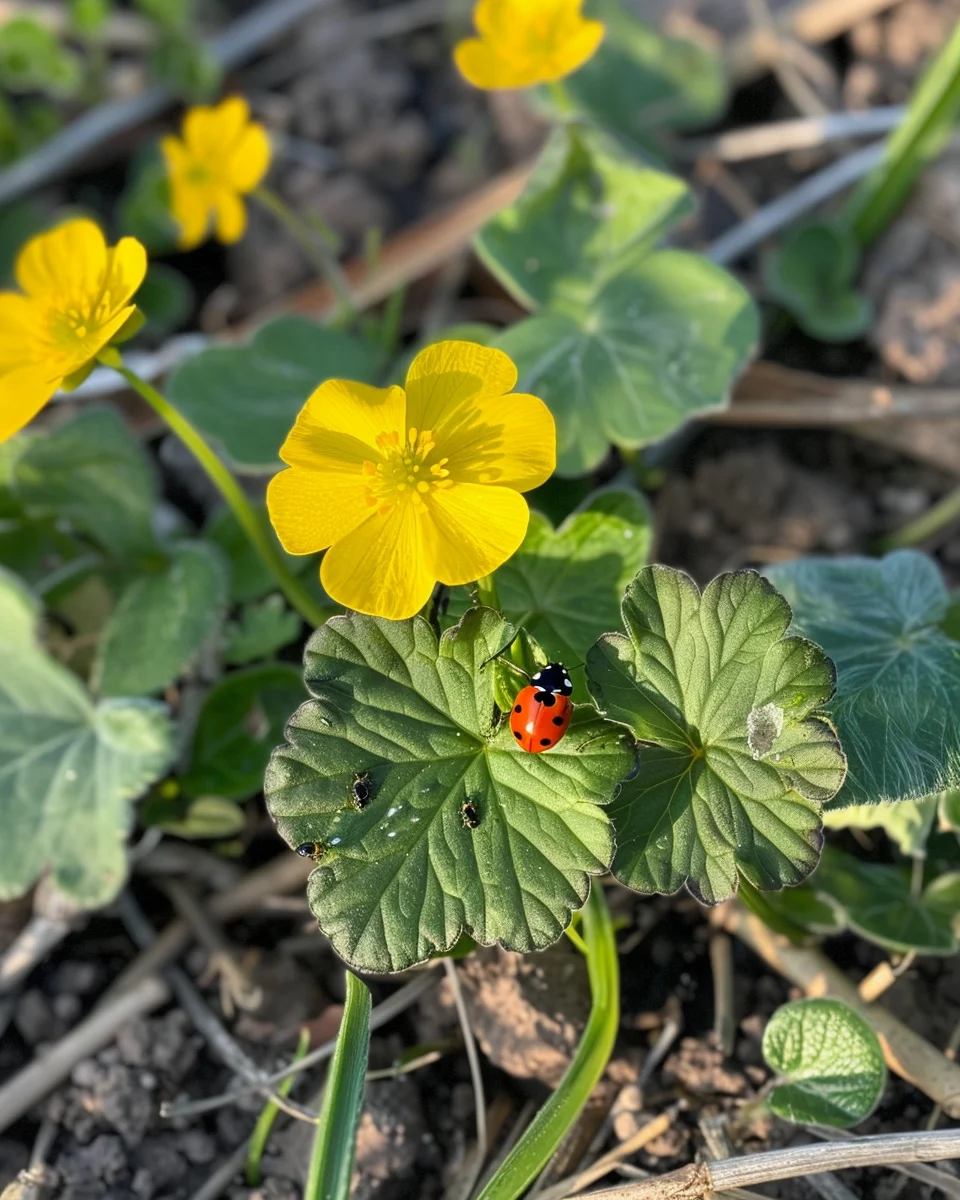
Ladybugs are a gardener’s best friend, with a single adult capable of consuming up to 5,000 aphids in its lifetime. By strategically planting certain flowers, you can create a natural ecosystem that attracts these beneficial predators while simultaneously repelling harmful pests. These seven flowering plants not only add beauty to your garden but also serve as natural pest control stations, reducing or eliminating the need for chemical interventions. Perfect for temperate climate gardens across North America, Europe, and similar regions, these blooms work together to create a balanced environment where beneficial insects thrive and destructive aphids are kept in check naturally.
When to plant Plant These 7 Blooms to Attract Ladybugs and Control Aphids Naturally
Most ladybug-attracting flowers should be planted after the danger of frost has passed and soil temperatures reach at least 10-15°C (50-60°F). In temperate regions, this typically means mid-spring through early summer. Some varieties like calendula and sweet alyssum can tolerate cooler conditions and may be planted earlier. For perennial options like yarrow and coneflowers, fall planting is also possible in milder climates, giving roots time to establish before winter dormancy. Aim for a succession of blooms throughout the growing season to maintain a constant ladybug presence in your garden.
Best time to plant Plant These 7 Blooms to Attract Ladybugs and Control Aphids Naturally
For cool-climate regions (Zones 3-6), plant most ladybug-attracting annuals between late April and early June. Warmer regions (Zones 7-10) can start as early as March and continue through July. Direct sow calendula, cosmos, and dill 2-4 weeks before your last frost date. For perennials like yarrow, coneflowers, and fennel, transplant established seedlings in spring when soil can be worked or in early fall (6-8 weeks before first frost) in milder areas. Sweet alyssum can be direct sown as soon as soil can be worked in spring or started indoors 6-8 weeks before last frost for earlier blooms.
Best Plant These 7 Blooms to Attract Ladybugs and Control Aphids Naturally varieties to grow
- Calendula (Calendula officinalis ‘Pacific Beauty’) – Produces abundant blooms over a long season, attracting ladybugs with its sticky stems that trap aphids.
- Yarrow (Achillea millefolium ‘Paprika’) – Drought-tolerant perennial with flat flower heads that provide perfect landing pads for ladybugs and other beneficial insects.
- Sweet Alyssum (Lobularia maritima ‘Snow Princess’) – Heat-tolerant variety that blooms continuously, providing nectar for adult ladybugs throughout the season.
- Dill (Anethum graveolens ‘Bouquet’) – Compact variety with feathery foliage and umbrella-shaped flowers that attract ladybugs and provide habitat for their larvae.
- Cosmos (Cosmos bipinnatus ‘Sensation Mix’) – Tall, airy plants that attract ladybugs while tolerating poor soil and drought conditions.
- Coneflower (Echinacea purpurea ‘Magnus’) – Long-blooming perennial that provides both nectar for adult ladybugs and habitat for their eggs and larvae.
- Fennel (Foeniculum vulgare ‘Bronze’) – Ornamental variety with bronze-tinged foliage that serves as both food source and egg-laying site for ladybugs.
How to plant Plant These 7 Blooms to Attract Ladybugs and Control Aphids Naturally
Materials needed:
- Seeds or seedlings of chosen varieties
- Compost or organic matter
- Garden fork or tiller
- Garden trowel
- Watering can or hose with spray attachment
- Mulch (optional)
- Plant markers
Step-by-step planting:
- Choose a site that receives at least 6-8 hours of sunlight daily for most varieties (sweet alyssum can tolerate partial shade).
- Prepare soil by removing weeds and incorporating 2-3 inches (5-7 cm) of compost to improve drainage and fertility.
- Create a planting plan that groups at least 3-5 plants of each variety together to create visible “landing zones” for ladybugs.
- For direct sowing, follow seed packet instructions for depth (generally 1/4 inch or 0.6 cm for larger seeds, surface sowing for tiny seeds like alyssum).
- Space plants according to mature size: 6-8 inches (15-20 cm) for alyssum, 12-18 inches (30-45 cm) for calendula and cosmos, 18-24 inches (45-60 cm) for yarrow, coneflowers, dill, and fennel.
- When transplanting seedlings, dig holes twice as wide as the root ball and at the same depth.
- Water thoroughly after planting, providing about 1 inch (2.5 cm) of water to settle soil around roots.
- Apply a thin layer of mulch around (but not touching) plant stems to conserve moisture and suppress weeds.
- Label each planting area to track which varieties perform best at attracting ladybugs in your garden.
How to grow Plant These 7 Blooms to Attract Ladybugs and Control Aphids Naturally
Most ladybug-attracting plants prefer full sun (6+ hours daily), though sweet alyssum and calendula can tolerate partial shade. Water deeply but infrequently, allowing soil to dry slightly between waterings. Most of these plants are drought-tolerant once established, particularly yarrow, cosmos, and coneflowers. Apply a balanced organic fertilizer at half-strength monthly during the growing season, or use compost tea for a gentle boost. Avoid high-nitrogen fertilizers that can promote lush growth attractive to aphids.
Deadhead spent blooms regularly to encourage continued flowering, especially for calendula, cosmos, and sweet alyssum. Allow some dill and fennel flowers to go to seed to provide food for ladybug larvae. For container growing, use pots at least 12 inches (30 cm) in diameter with drainage holes, and water more frequently as containers dry out faster than garden soil. Group containers together to create a microclimate attractive to ladybugs.
Caring for Plant These 7 Blooms to Attract Ladybugs and Control Aphids Naturally
Monitor plants weekly for signs of pests and diseases. If you spot aphids, resist the urge to spray immediately—these are food for ladybugs! Only intervene if infestations become severe before ladybugs arrive. For powdery mildew, which can affect cosmos and calendula, improve air circulation by proper spacing and apply a baking soda spray (1 tablespoon in 1 gallon water with a few drops of dish soap) as a preventative.
Yarrow, coneflowers, and fennel may need dividing every 3-4 years to maintain vigor. Cut back perennials in late fall or early spring. For annuals like calendula and cosmos, allow some plants to self-seed for next year’s garden. Harvest dill and fennel leaves as needed for culinary use, but leave plenty of foliage and flowers for ladybugs. Store harvested seeds from dill, fennel, and calendula in paper envelopes in a cool, dry place for future planting.
Understanding bolting in Plant These 7 Blooms to Attract Ladybugs and Control Aphids Naturally
Bolting refers to the rapid production of flowering stems, particularly in dill and fennel. While this is undesirable for culinary purposes, it’s beneficial for attracting ladybugs. Bolting is triggered by long daylight hours, heat stress, and root disturbance. For culinary use, succession-plant dill every 2-3 weeks to maintain a continuous supply of young foliage. If growing primarily for ladybugs, allow plants to bolt freely as the flowers are highly attractive to beneficial insects.
To delay bolting in dill and fennel when grown for culinary purposes, provide afternoon shade in hot climates, keep soil consistently moist, and harvest outer leaves regularly. Once bolting begins, you can’t reverse it, but you can still harvest the flowers for seeds and enjoy the beneficial insect activity they attract.
Why does Plant These 7 Blooms to Attract Ladybugs and Control Aphids Naturally turn bitter?
- Heat stress: Extended periods above 85°F (29°C) can cause dill and fennel to develop bitter compounds – provide afternoon shade in hot climates.
- Bolting: Once flowering begins, leaf flavor changes – harvest leaves regularly before flower stalks form if growing for culinary use.
- Drought: Insufficient water causes stress that increases bitter compounds – maintain consistent soil moisture, especially during hot periods.
- Age: Older leaves naturally contain more bitter compounds – harvest young, tender growth for culinary purposes.
- Variety selection: Some varieties naturally have stronger flavors – choose ‘Dukat’ dill or ‘Florence’ fennel for milder flavor if bitterness is a concern.
Companion planting for Plant These 7 Blooms to Attract Ladybugs and Control Aphids Naturally
Good companions:
- Roses – Frequently plagued by aphids, roses benefit greatly from nearby ladybug-attracting plants like sweet alyssum and yarrow.
- Brassicas (cabbage, broccoli, kale) – Often attacked by aphids, these vegetables benefit from the pest control provided by ladybugs drawn to nearby calendula and dill.
- Tomatoes – Pair with cosmos and sweet alyssum to attract ladybugs that will control aphids and whiteflies on tomato plants.
- Fruit trees – Underplant with sweet alyssum and yarrow to create habitat for ladybugs that will help control aphids on trees.
- Herbs – Most culinary herbs grow well alongside ladybug-attracting flowers, creating a beneficial insect haven.
Avoid planting near:
- Fennel with Dill – These related plants can cross-pollinate, affecting seed production if you’re saving seeds.
- Fennel with Carrots/Beans – Fennel can inhibit growth of these vegetables through allelopathic effects.
- Coneflowers with wet-soil lovers – Echinacea prefers drier conditions than moisture-loving plants.
Seasonal calendar
- February-March: Start sweet alyssum, calendula, and cosmos indoors in cold climates; direct sow in mild regions.
- April: Direct sow dill and fennel; transplant seedlings after last frost; divide established yarrow and coneflowers.
- May: Plant all varieties outdoors; apply light organic fertilizer to established plants.
- June-July: Deadhead spent blooms; monitor for aphids (but allow some as ladybug food); harvest dill and fennel leaves.
- August: Continue deadheading; allow some dill and fennel to flower; collect seeds from early-maturing plants.
- September: Plant perennial varieties (yarrow, coneflowers) for next year; collect seeds from annuals.
- October-November: Cut back perennials after first frost; add compost around plant bases; mulch in cold regions.
- December-January: Plan next year’s ladybug garden; order seeds; clean and organize saved seeds.
Problems & solutions
| Problem | Quick Fix |
|---|---|
| No ladybugs appearing | Plant more varieties together; avoid all pesticides; add shallow water dish with pebbles for ladybugs to drink |
| Powdery mildew on cosmos/calendula | Improve air circulation; apply milk spray (1:9 milk:water) weekly; remove severely affected leaves |
| Dill/fennel falling over | Provide support with stakes or plant in protected location; sow seeds directly to avoid transplant stress |
| Sweet alyssum stops blooming | Trim back by one-third after initial flowering flush to rejuvenate; ensure consistent moisture |
| Yarrow spreading too aggressively | Plant in containers or install root barriers; divide clumps every 2-3 years |
| Coneflowers not blooming first year | Be patient—perennials often establish roots first year, bloom second; ensure adequate sunlight |
| Severe aphid infestation before ladybugs arrive | Spray plants with strong water stream to dislodge aphids; apply insecticidal soap only to heavily infested areas |
Common questions about growing Plant These 7 Blooms to Attract Ladybugs and Control Aphids Naturally
Q: How long does it take for ladybugs to find my garden after planting these flowers?
A: Ladybugs may appear within 2-4 weeks of flowering, depending on your local ladybug population. Be patient and avoid pesticides that would deter them.
Q: Can I grow these ladybug-attracting plants in containers?
A: Yes! Sweet alyssum, calendula, and compact varieties of cosmos work particularly well in containers at least 12 inches (30 cm) in diameter with good drainage.
Q: Do I need to plant all seven varieties to attract ladybugs?
A: No, but diversity helps. Start with at least three different plants, ideally including one early bloomer (alyssum/calendula), one mid-season (dill/cosmos), and one late bloomer (coneflower/yarrow).
Q: Will these plants survive winter in cold climates?
A: Yarrow and coneflowers are perennial in Zones 3-9. The others are typically grown as annuals in cold regions, though calendula, dill, and fennel may self-seed.
Q: How much space should I dedicate to ladybug-attracting plants?
A: Even a 3×3 foot (1×1 meter) area can be effective if densely planted. For larger gardens, aim for 10-15% of your garden space dedicated to beneficial insect plants.
Q: Can I use pesticides on other parts of my garden without harming ladybugs?
A: Most pesticides, even organic ones, can harm ladybugs. If necessary, use targeted applications away from ladybug habitat, and only in early morning or evening when beneficial insects are less active.
Q: How do I know if the ladybugs are actually controlling my aphid problem?
A: Monitor aphid-prone plants weekly. You’ll likely see clusters of aphids appear, followed by ladybug eggs, larvae, and adults. As ladybug populations establish, aphid damage should noticeably decrease.