
How to Grow Trap Crops for Aphids: When to Plant, Best Varieties & Effective Protection Strategies
Intro for trap crops for aphids
Trap crops are sacrificial plants grown specifically to attract pests away from your valuable garden crops. When it comes to aphids—those tiny sap-sucking insects that can devastate vegetables and ornamentals—trap crops offer an eco-friendly solution without chemical pesticides. By strategically planting certain varieties that aphids find irresistible, you can concentrate these pests in specific areas, making them easier to monitor and control. Trap crops work best in temperate regions where aphid pressure is significant during growing seasons. This sustainable approach not only protects your main crops but also supports beneficial insects and creates a more balanced garden ecosystem.
When to plant trap crops for aphids
Timing is crucial when planting trap crops for aphid control. In most temperate regions, you’ll want to establish trap crops 2-3 weeks before your main crops to ensure they’re attractive to aphids when protection is needed. For spring gardens, plant trap crops as soon as soil temperatures reach 10-15°C (50-59°F). For summer crops, plant trap crops in late spring when frost danger has passed. In autumn gardens, establish trap crops in late summer when temperatures begin to moderate. Remember that trap crops need to be actively growing and attractive during peak aphid migration periods, which typically occur in spring and early autumn in most regions.
Best time to plant trap crops for aphids
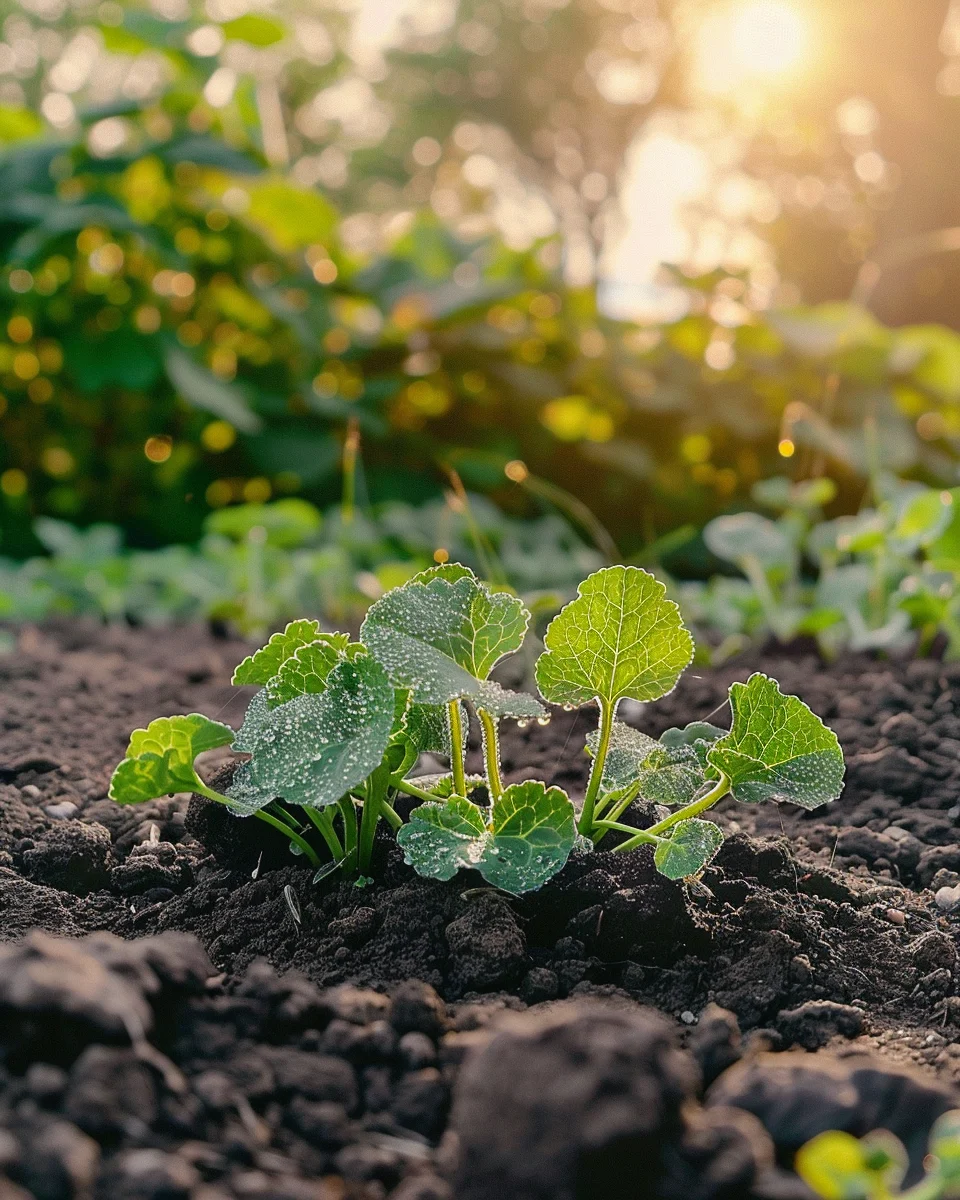
In cool temperate regions (UK, Northern US, Canada), plant spring trap crops from mid-March to April and summer trap crops from late April through May. Direct sow fast-growing varieties like mustard and nasturtiums, but start slower-growing trap crops like sunflowers indoors 4-6 weeks earlier. In warmer regions (US Zones 7-9, Mediterranean), you can begin planting trap crops as early as February for spring protection and again in August-September for fall gardens. For year-round growing regions, stagger trap crop plantings every 4-6 weeks to maintain continuous protection. Always time your trap crop plantings to ensure they’re established and attractive before your main crops reach their vulnerable stages.
Best trap crops for aphids varieties to grow
- Nasturtiums – Highly attractive to black bean aphids and extremely effective for protecting beans, peas, and brassicas.
- Yellow Rocket Mustard – Fast-growing brassica that strongly attracts cabbage aphids away from broccoli, cauliflower, and kale.
- Calendula (Pot Marigold) – Attracts multiple aphid species and supports beneficial insects that prey on aphids.
- Sunflowers – Excellent trap crop for larger gardens, attracting aphids high above other plants where they’re easily managed.
- Dill – Attracts aphids while simultaneously supporting predatory insects like ladybugs and lacewings.
- Sweet Alyssum – Low-growing trap crop perfect for borders that attracts aphids while providing habitat for beneficial insects.
- Fava Beans – Highly attractive to black bean aphids and can protect other legumes in your garden.
How to plant trap crops for aphids
Materials needed:
- Selected trap crop seeds or seedlings
- Garden fork or tiller
- Compost or well-rotted manure
- Garden trowel
- Watering can or hose with spray attachment
- Plant labels
- Organic mulch
Step-by-step planting:
- Identify strategic locations for trap crops—around the perimeter of garden beds, interspersed between rows, or as border plantings.
- Prepare soil by loosening to a depth of 15-20 cm (6-8 inches) and incorporating 2-5 cm (1-2 inches) of compost.
- For direct-sown trap crops, create shallow furrows at the recommended depth for each variety (typically 0.5-1 cm or ¼-½ inch).
- Sow seeds more densely than normally recommended—about 25% more seeds than package directions—as dense plantings are more attractive to aphids.
- Cover seeds lightly with soil and water gently but thoroughly.
- For transplants, dig holes slightly larger than the root ball and space according to variety requirements.
- Place seedlings at the same depth they were growing in their containers.
- Water transplants immediately and apply a light layer of mulch around (but not touching) the stems.
- Label all plantings clearly to distinguish trap crops from main crops.
- Create multiple trap crop barriers or islands throughout your garden for maximum effectiveness.
How to grow trap crops for aphids
Most trap crops thrive in full sunlight (6+ hours daily), though some like sweet alyssum can tolerate partial shade. Water regularly to keep soil consistently moist but not waterlogged—stressed plants are less effective as traps. Apply a balanced organic fertilizer at half the recommended strength when planting; excessive nitrogen can make main crops more attractive to aphids. Mulch around trap crops with straw or compost to retain moisture and suppress weeds. Avoid pruning trap crops as the tender new growth is particularly attractive to aphids. For container growing, use pots at least 20 cm (8 inches) in diameter with good drainage, and place strategically near vulnerable crops or at garden entry points where aphids might first appear. Maintain trap crops in good health but avoid making them too lush, as moderate stress can sometimes increase their attractiveness to aphids.
Caring for trap crops for aphids
Inspect trap crops twice weekly for aphid populations—look under leaves and at stem joints where aphids congregate. When aphids appear on trap crops, resist the urge to treat immediately; allow populations to build on trap crops while monitoring main crops for infestation. If aphid populations become extremely heavy on trap crops, prune heavily infested portions and dispose of them in sealed bags (not compost). For organic control, spray trap crops with strong water jets to dislodge aphids or apply insecticidal soap only to trap crops. Encourage natural predators by planting small-flowered plants like alyssum and dill nearby. Replace trap crops that become too damaged or begin flowering, as they become less attractive to aphids. Harvest is generally not applicable for trap crops, as their purpose is sacrificial, though some like nasturtiums and dill can serve dual purposes if harvested from areas with low aphid presence.
Understanding bolting in trap crops for aphids
Bolting is the process where plants rapidly produce flowering stems before completing their vegetative growth. For many trap crops, particularly mustards and other brassicas, bolting is triggered by increasing day length, temperatures above 26°C (80°F), or stress from drought or root disturbance. While bolting reduces the effectiveness of some trap crops by making them less palatable to aphids, others like dill and cilantro can remain effective even when flowering. To prevent premature bolting, provide consistent moisture, plant heat-tolerant varieties, and use succession planting every 2-3 weeks. If trap crops bolt, you have two options: remove and replace them with fresh plantings, or allow them to flower to attract beneficial insects that prey on aphids, creating a different but still valuable garden asset.
Why does trap crop effectiveness decline?
- Age of plants – Trap crops become less attractive as they mature; replace with fresh plantings every 3-4 weeks.
- Weather changes – Extreme heat or cold can reduce plant volatiles that attract aphids; provide shade or protection as needed.
- Insufficient quantity – Too few trap plants can’t effectively draw aphids away; aim for at least 10% of your garden area as trap crops.
- Competing attractants – Stressed main crops may become more attractive than healthy trap crops; ensure proper care of all plants.
- Predator imbalance – Too many beneficial insects may reduce aphid populations on trap crops; maintain some aphids to keep the trap effective.
Companion planting for trap crops for aphids
Good companions:
- Yarrow – Attracts hoverflies and parasitic wasps that prey on aphids trapped by your sacrificial plants.
- Fennel – Provides habitat for beneficial insects while serving as an additional trap for certain aphid species.
- Mint – Repels some aphid species while attracting predatory insects (keep contained as it spreads aggressively).
- Alliums – Onions and garlic planted near trap crops can help repel aphids from crossing into main crop areas.
- Cosmos – Attracts beneficial insects while providing visual diversity that can disrupt aphid location of host plants.
Avoid planting near:
- Main crops of the same family – Trap crops should be separated from related main crops to prevent disease transmission.
- Plants highly susceptible to aphids – Keep roses and hibiscus away from trap crop areas to prevent aphid population explosions.
Seasonal calendar
- January-February: Plan trap crop strategy; start sunflowers and other slow-growing trap crops indoors in warm regions.
- March: Direct sow early mustard and other brassica trap crops in mild areas; prepare beds for nasturtiums.
- April: Plant nasturtiums, sweet alyssum, and calendula trap crops; monitor for first aphid appearance.
- May: Establish summer trap crops; replace any spring trap crops that are declining.
- June: Maintain trap crops with regular watering; monitor aphid populations and beneficial insect activity.
- July: Replace heat-stressed or bolted trap crops; provide afternoon shade in hot regions.
- August: Begin fall trap crop succession; remove and dispose of heavily infested trap plants.
- September: Plant final trap crop succession for fall protection; evaluate season’s effectiveness.
- October: Allow some trap crops to flower for beneficial insects as aphid pressure decreases.
- November-December: Remove spent trap crops; plan improvements for next season’s strategy.
Problems & solutions
| Problem | Quick Fix |
|---|---|
| Aphids ignore trap crops | Ensure trap crops are planted 2-3 weeks before main crops; try more attractive varieties or increase quantity. |
| Trap crops dying from aphid overload | Prune heavily infested portions; replace with fresh plantings in rotation. |
| Aphids spreading to main crops despite traps | Increase distance between trap and main crops; add physical barriers or repellent plants between them. |
| Premature bolting of trap crops | Use succession planting every 2-3 weeks; choose bolt-resistant varieties for summer use. |
| Beneficial insects destroying trap crop effectiveness | Plant more trap crops in different locations; some predation is good but maintain some aphid presence. |
| Trap crops becoming diseased | Remove affected plants immediately; rotate trap crop families and locations. |
Common questions about growing trap crops for aphids
How far should trap crops be from main crops?
Plant trap crops 1-2 meters (3-6 feet) from main crops for perimeter protection, or intersperse rows of trap crops every 3-4 rows within garden beds for integrated protection.
How much sunlight do trap crops need?
Most effective trap crops require full sun (6+ hours daily) to produce the volatile compounds that attract aphids, though sweet alyssum and nasturtiums can function with as little as 4 hours of direct sunlight.
Can I grow trap crops in containers?
Yes, containers at least 20 cm (8 inches) in diameter work well for most trap crops, making them portable to place near vulnerable plants or create protective barriers around garden beds.
When should I remove trap crops?
Remove trap crops when they become severely infested (more than 50% covered with aphids), when they bolt or decline in vigor, or at the end of the growing season before they can become reservoirs for overwintering pests.
Do I need different trap crops for different aphid species?
Yes, different aphid species have different preferences. Nasturtiums work well for black bean aphids, mustards attract cabbage aphids, and sunflowers attract corn aphids. Use a diversity of trap crops for best results.
How often should I replace trap crops?
Plan for succession plantings every 3-4 weeks during the growing season to maintain attractive, vigorous trap crops. Immediate replacement is necessary when existing trap crops become heavily infested or start declining.
Can trap crops completely eliminate aphids?
Trap crops won’t eliminate aphids but can significantly reduce damage to main crops by concentrating aphids in manageable areas. Combine with other integrated pest management strategies for best results.