
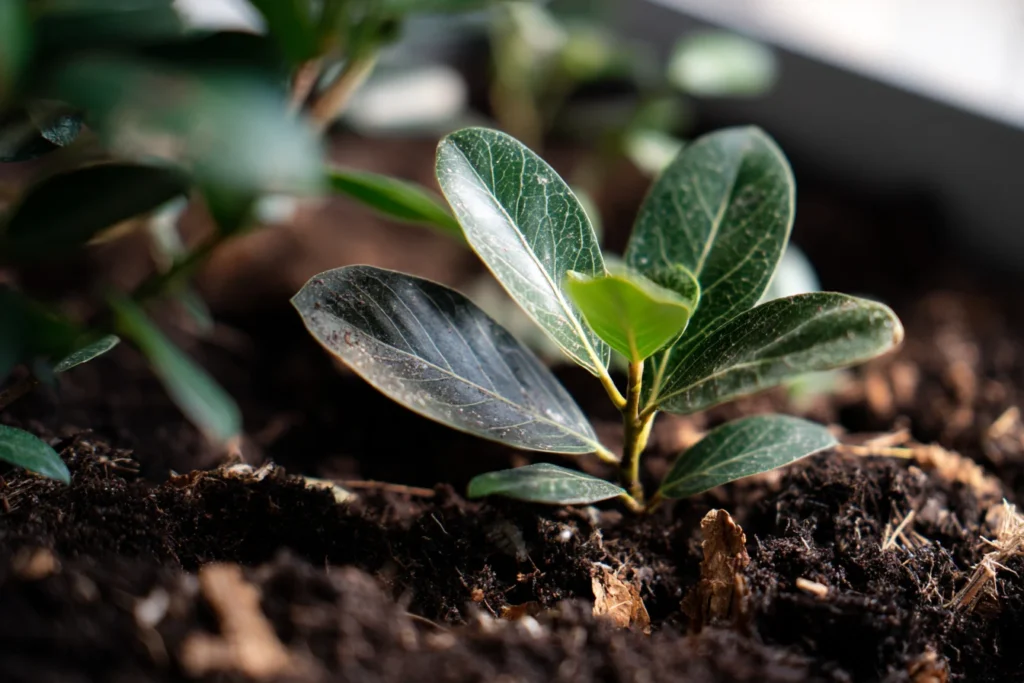
Best Soil Mix for Ficus Audrey: Creating the Perfect Growing Environment
Understanding Ficus Audrey’s Soil Needs
Ficus Audrey (Ficus benghalensis), also known as the Banyan Fig, requires specific soil conditions to thrive indoors. Unlike some of its cousins in the Ficus family, the Audrey needs a soil mix that retains adequate moisture while still providing excellent drainage.
These plants are native to tropical regions where they grow in nutrient-rich, well-draining soils. In home environments, replicating these conditions is key to keeping your Ficus Audrey healthy and encouraging robust growth.
The Importance of Well-Draining Soil
Ficus Audrey requires more consistent moisture than some other Ficus varieties, but proper drainage remains crucial. The ideal soil allows water to flow through while retaining enough moisture for the roots to absorb.
Without adequate drainage, excess water accumulates around the roots, potentially leading to root rot—a common problem that can quickly kill your plant. Signs of poor drainage include yellowing leaves, stunted growth, and a generally unhealthy appearance.
Ideal pH Levels for Ficus Audrey
Ficus Audrey prefers slightly acidic to neutral soil with a pH between 6.5 and 7.0. This pH range helps the plant efficiently absorb nutrients from the soil.
While Ficus Audrey isn’t extremely fussy about exact pH levels compared to some houseplants, maintaining this slightly acidic environment will support optimal growth and prevent nutrient deficiencies.
Perfect DIY Soil Mix Recipe
Creating your own soil mix gives you complete control over your Ficus Audrey’s growing medium. Here’s a proven recipe that provides the right balance of moisture retention, drainage, and nutrients:
- 50% peat moss or coconut coir (for moisture retention)
- 25% perlite or pumice (for drainage and aeration)
- 15% coarse sand (for weight and additional drainage)
- 10% worm castings or compost (for nutrients)
Mix these components thoroughly before potting your Ficus Audrey. The peat moss or coco coir holds moisture, while the perlite and sand ensure excess water drains away from the roots.
Recommended Pre-Mixed Soil Options
If you prefer not to mix your own soil, several commercial options work well for Ficus Audrey plants. Look for high-quality indoor potting mixes labeled for tropical plants or houseplants.
Standard houseplant potting soil can work well if you amend it with additional perlite—about 25% by volume—to improve drainage. This simple modification creates an environment where Ficus Audrey roots can breathe while still accessing needed moisture.
Signs You’re Using the Wrong Soil Mix
Your Ficus Audrey will communicate when its soil isn’t meeting its needs. Watch for these warning signs:
- Yellowing leaves (especially if starting from the bottom)
- Frequent leaf drop without obvious cause
- Stunted or slow growth
- Soil that stays wet for more than a week after watering
- Visible fungus or mold on the soil surface
- Compacted soil that pulls away from the sides of the pot
If you notice these symptoms, consider repotting your Ficus Audrey with a more appropriate soil mix before more serious problems develop.
Soil Amendments to Enhance Growth
Beyond the basic soil mix, certain amendments can boost your Ficus Audrey’s health and growth. Consider incorporating these beneficial additions:
- Activated charcoal: Helps prevent soil bacteria and fungal issues
- Orchid bark: Improves aeration and mimics the plant’s natural environment
- Horticultural charcoal: Absorbs excess moisture and impurities
- Slow-release fertilizer: Provides steady nutrients over time
Use these amendments sparingly—a little goes a long way in creating optimal growing conditions.
Repotting and Soil Replacement Schedule
Ficus Audrey benefits from fresh soil periodically to replenish nutrients and prevent soil compaction. Generally, younger plants should be repotted annually, while mature specimens can go 2-3 years between repotting.
When repotting, gently remove as much old soil as possible without damaging the roots. Replace with fresh soil mix to give your plant a nutrient boost and improve growing conditions.
Watering Practices for Your Soil Mix
The right soil mix works in tandem with proper watering practices. With the recommended soil mix, water your Ficus Audrey when the top 1-2 inches of soil feels dry to the touch.
Water thoroughly until it flows from the drainage holes, then allow excess water to drain completely. Never let your Ficus sit in standing water, as this negates the benefits of well-draining soil and can lead to root problems.
Troubleshooting Common Soil Issues
Compacted Soil
Over time, soil can become compacted, reducing aeration and drainage. If you notice water pooling on the surface or running down the sides of the pot without soaking in, gently loosen the top layer of soil with a chopstick or small fork.
Fungus Gnats
These pests thrive in consistently moist soil. If you notice small flying insects around your plant, your soil may be staying too wet. Allow the soil to dry more between waterings and consider adding a layer of sand on top to discourage egg-laying.
Salt Buildup
White crust on the soil surface indicates mineral buildup from fertilizers or tap water. Flush the soil thoroughly with distilled water every few months to prevent this issue.
Conclusion
Creating the ideal soil mix for your Ficus Audrey doesn’t need to be complicated. Focus on balancing moisture retention with proper drainage, and your plant will reward you with healthy growth and lush foliage. The combination of peat moss or coco coir, perlite, sand, and organic matter provides everything this tropical beauty needs to thrive in your home.
Remember that soil is the foundation of plant health—investing time in creating the right growing medium pays dividends in your Ficus Audrey’s appearance and longevity. Monitor your plant’s response to its soil environment and make adjustments as needed to ensure it remains happy and vibrant for years to come.