

Best Soil For Money Tree Plants: Creating the Perfect Growing Environment
Understanding Money Tree Soil Requirements
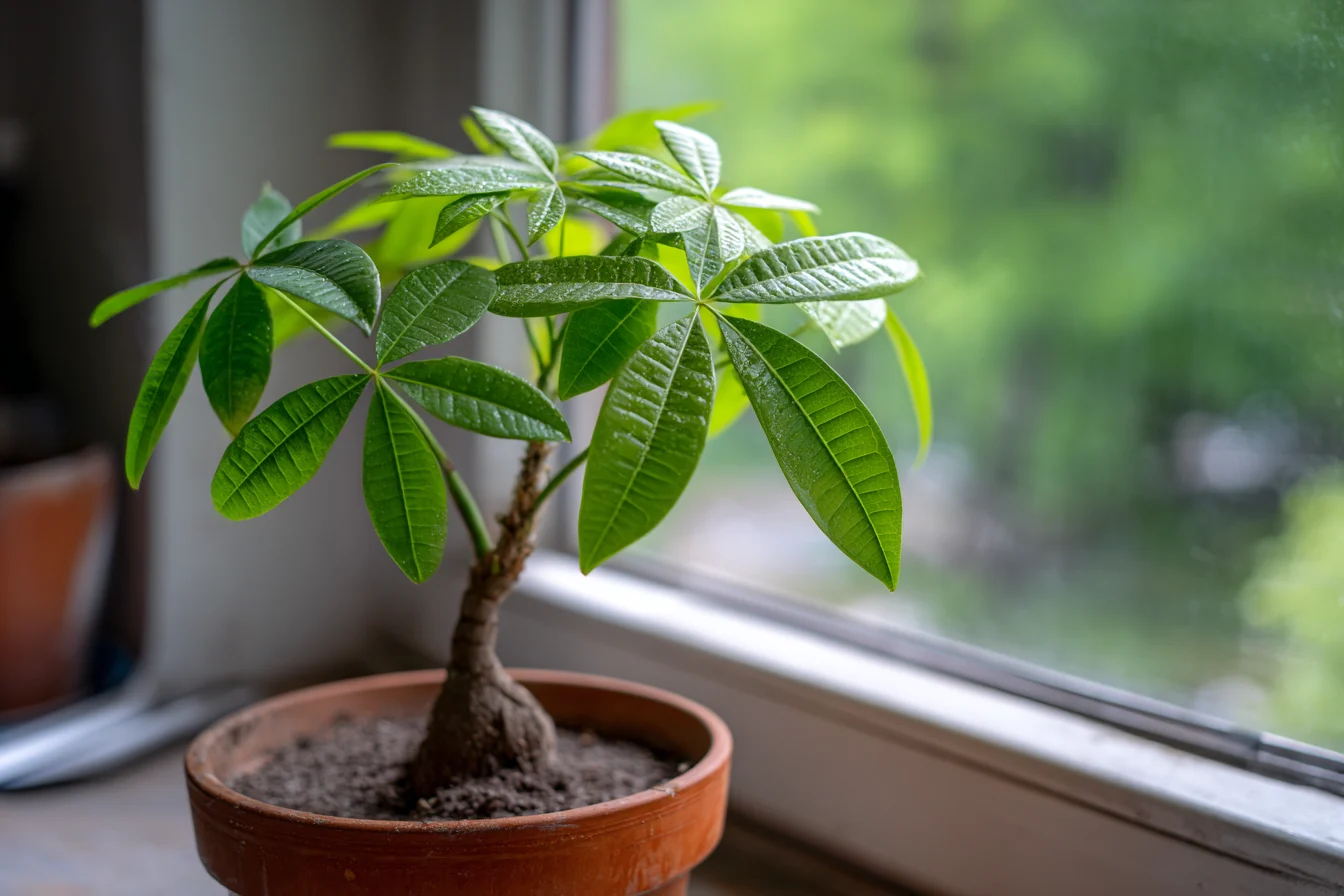
Money trees (Pachira aquatica) thrive in specific soil conditions that mimic their natural habitat. Despite originating in swampy regions of Central and South America, these popular houseplants prefer well-draining soil that doesn’t stay waterlogged.
The ideal soil pH for money trees ranges from 6.0 to 7.5, which is neutral to slightly acidic. This pH range ensures optimal nutrient absorption and healthy root development. While money trees can tolerate slightly acidic or alkaline conditions, they grow most vigorously in neutral soil.
Soil texture matters tremendously for these plants. A loamy, aerated mix provides the perfect balance of moisture retention and drainage that money trees need to flourish indoors.
DIY Money Tree Soil Recipes
Creating your own money tree soil mix is straightforward and economical. Here are two effective recipes I’ve used successfully over my years of growing these plants:
Recipe 1: Classic Money Tree Mix
Combine equal parts of:
- Peat moss (for water retention)
- Perlite or vermiculite (for drainage and aeration)
- Coarse sand (for weight and additional drainage)
Recipe 2: Eco-Friendly Alternative
Mix equal portions of:
- Coco coir (sustainable alternative to peat)
- Compost (for nutrients and beneficial microorganisms)
- Perlite or vermiculite (for drainage and aeration)
When preparing either mix, add a small amount of water to help the components blend evenly. The final mixture should feel slightly damp but not wet or soggy.
Commercial Soil Options for Money Trees
If DIY mixing isn’t your preference, several commercial potting mixes work well for money trees. Look for products labeled as:
- Indoor plant potting mix
- Well-draining houseplant soil
- Cactus and succulent mix (can be blended with regular potting soil)
Many quality commercial mixes already contain slow-release fertilizers, which can benefit your money tree during its growing season. However, I recommend checking the ingredients to ensure the mix doesn’t contain moisture-retaining crystals, which can keep the soil too wet for money trees.
Signs Your Money Tree Has Soil Problems
Monitoring your plant’s response to its soil environment helps prevent serious issues. Watch for these warning signs that indicate your soil mix might be unsuitable:
Poor Drainage Issues
- Yellowing or browning leaves, particularly on younger growth
- Soft, discolored, or mushy trunk
- Foul smell from the soil
- Visible mold on soil surface
- Water sitting on top of soil rather than draining
Nutrient or pH Problems
- Stunted growth
- Pale or discolored foliage
- Reduced leaf size
- Slow recovery after watering
If you notice these symptoms, consider repotting your money tree with fresh, appropriate soil mix as soon as possible.
The Importance of Drainage
Despite their swampy origins, cultivated money trees are highly susceptible to root rot. Proper drainage is essential for their survival and growth in containers.
Always select pots with adequate drainage holes. Even the best soil mix can become problematic if water cannot escape the container. I recommend terracotta pots for money trees as they allow moisture to evaporate through their porous walls.
A layer of small stones or broken pottery pieces at the bottom of the pot can improve drainage, but don’t overdo it—this should only be about 1-2 cm (0.5-1 inch) thick to avoid displacing too much soil volume.
Seasonal Soil Considerations
Money trees have different soil needs throughout the year. During spring and summer (active growing seasons), they benefit from slightly more moisture retention in their soil. In fall and winter, when growth slows, they prefer drier conditions.
You don’t need to repot seasonally, but you should adjust your watering habits. Allow the soil to dry out more between waterings during dormant periods to prevent root issues.
If you notice the soil becoming compacted or water draining too slowly, it might be time to refresh your money tree’s growing medium, regardless of season.
Repotting and Soil Replacement
Money trees typically need repotting every 2-3 years. This provides an opportunity to refresh their soil and check root health. The best time to repot is during spring when the plant is entering its growth phase.
When repotting, gently remove as much old soil as possible without damaging the roots. Trim any dark, mushy, or foul-smelling roots, as these indicate rot. Use fresh soil mix and a pot that’s only 1-2 inches (2.5-5 cm) larger in diameter than the previous container.
For mature money trees that you wish to keep at their current size, you can perform root pruning and replace the soil without increasing pot size.
Fertilizing Money Tree Soil
Even with nutrient-rich soil, money trees benefit from occasional fertilization. During the growing season (spring through early fall), apply a balanced liquid houseplant fertilizer at half the recommended strength once a month.
Avoid fertilizing in late fall and winter when the plant’s growth naturally slows. Over-fertilization can damage money trees, causing leaf burn or salt buildup in the soil.
If you notice white crust forming on the soil surface, it indicates mineral buildup. Flush the soil thoroughly with distilled water to remove excess salts.
Conclusion
The right soil mix is fundamental to a thriving money tree. By providing a well-draining, neutral pH medium that balances moisture retention with aeration, you create the foundation for healthy growth and the lush foliage these plants are known for.
Whether you choose to create your own custom blend or purchase a quality commercial mix, your attention to your money tree’s soil needs will be rewarded with a vibrant, prosperous plant that can enhance your home for many years to come.