
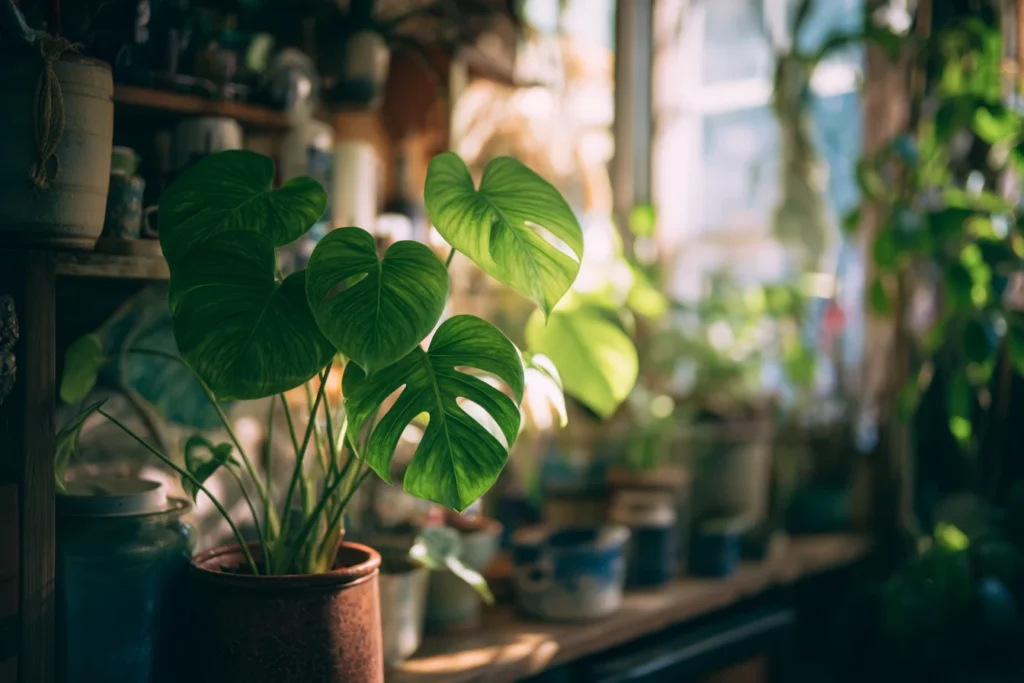
Monstera Peru Care Guide: Growing This Textured Beauty at Home
Introduction to Monstera Peru
Monstera Peru (Monstera karstenianum) is a striking climbing vine that has become increasingly popular among houseplant enthusiasts. Known for its deeply textured, leathery leaves, this plant brings a unique visual element to any indoor space.
Despite being part of the Monstera family, Peru doesn’t develop the characteristic leaf fenestrations (holes) that its cousins like Monstera deliciosa are known for. Instead, its appeal lies in the deeply embossed, almost quilted texture of its dark green foliage.
With proper care, this moderately easy-to-grow plant can thrive for years, reaching impressive lengths of up to 20 feet in optimal conditions, though indoor specimens typically remain more compact.
Light Requirements
Monstera Peru thrives in bright, indirect light. Place your plant near an east or north-facing window where it can receive gentle morning light but be protected from harsh afternoon sun.

While this plant can tolerate some direct morning sunlight, prolonged exposure to intense direct light will scorch its leaves, causing brown spots and damage to its beautiful foliage.
If you notice your plant becoming leggy with stretched stems and smaller leaves, it’s likely not receiving enough light. In lower light conditions, growth will slow significantly, so aim for the brightest indirect light possible.
Watering Needs
Monstera Peru prefers a consistent watering schedule that allows the soil to partially dry between waterings. During spring and summer (the growing season), water weekly or bi-weekly when the top 5-7 cm (2-3 inches) of soil feels dry to the touch.
In autumn and winter, reduce watering to approximately once every two weeks, as the plant’s growth slows during these periods. Always adjust based on your home’s specific conditions.
Overwatering is a common issue with Monstera Peru and can lead to yellowing leaves and root rot. Ensure your pot has adequate drainage holes and never let the plant sit in standing water.
Soil and Potting
The ideal soil for Monstera Peru is well-draining, aerated, and slightly acidic to neutral with a pH between 5 and 7. A quality aroid mix works perfectly for this plant.
Create your own mix by combining regular potting soil with orchid bark, perlite, and some peat moss or coco coir. This combination provides the drainage and aeration that Monstera Peru needs while retaining just enough moisture.
Choose a plastic pot with drainage holes that’s proportionate to your plant’s size. Monstera Peru doesn’t need frequent repotting—every 2-3 years is sufficient, or when you notice roots growing through the drainage holes.
Temperature and Humidity
As a tropical plant, Monstera Peru thrives in temperatures between 18-27°C (65-80°F). It will struggle in temperatures below 15°C (60°F) and may suffer damage if exposed to temperatures below 10°C (50°F).
This plant appreciates moderate to high humidity levels of 50-60% or higher. In dry environments, especially during winter when heating systems reduce indoor humidity, consider using a pebble tray or humidifier to increase moisture in the air.
Avoid placing your Monstera Peru near drafty windows, air conditioning vents, or heating sources, as temperature fluctuations and dry air can stress the plant.
Fertilizing Schedule
Feed your Monstera Peru with a balanced, all-purpose houseplant fertilizer once a month during the growing season (spring and summer). Dilute the fertilizer to half the recommended strength to avoid nutrient burn.
Suspend fertilization completely during autumn and winter when the plant’s growth naturally slows down. Resuming in early spring when you notice new growth beginning to emerge.
Some growers prefer using slow-release fertilizers for Monstera Peru, which provide a steady supply of nutrients over time rather than in concentrated doses.
Support and Training
In its natural habitat, Monstera Peru is an epiphytic climber that grows up trees and other structures. Providing a moss pole, trellis, or other support will encourage more robust growth and larger leaves.
As your plant grows, gently guide the vines onto the support structure. You can use plant ties or clips to secure the stems if needed, being careful not to damage the plant.
Without support, Monstera Peru will grow as a trailing plant, which is also attractive in hanging baskets or on shelves where the vines can cascade down.
Pruning and Maintenance
Prune your Monstera Peru as needed to maintain its shape and remove any damaged or yellowing leaves. Use clean, sharp scissors or pruning shears to make clean cuts just above a node.
Regular dusting of the textured leaves will help your plant photosynthesize efficiently. Gently wipe the leaves with a damp cloth every few weeks to remove dust and keep the foliage looking its best.
Inspect your plant regularly for signs of pests or disease. Early detection makes treatment much more effective and prevents serious damage to your plant.
Propagation Methods
The best time to propagate Monstera Peru is during the spring and summer months when the plant is actively growing. Stem cuttings are the most reliable method for this species.
Select a healthy stem with at least one node (the small bumps on the stem where leaves emerge). Using clean scissors, cut just below a node and remove any leaves that would be submerged in water or soil.
You can root your cutting in water by placing it in a container with the node submerged, changing the water weekly until roots develop. Alternatively, plant the cutting directly in a well-draining potting mix, keeping it consistently moist until new growth appears.
Common Problems and Solutions
Pest Issues
Monstera Peru can occasionally attract common houseplant pests such as spider mites, mealybugs, and scale. Regular inspection of both the upper and lower leaf surfaces will help catch infestations early.
For minor pest problems, wipe the leaves with a solution of mild soap and water. For more serious infestations, treat with neem oil or an appropriate insecticidal soap, following the product instructions carefully.
Leaf Problems
Yellow leaves often indicate overwatering or poor drainage. Check your watering routine and ensure your pot has adequate drainage holes. If the soil feels consistently wet, you may need to repot in fresh, well-draining soil.
Brown, crispy leaf edges typically suggest underwatering or low humidity. Adjust your watering schedule and consider methods to increase humidity around your plant.
Brown spots on leaves may be caused by direct sunlight burning the foliage. Move your plant to a location with bright but indirect light.
Growth Issues
If your Monstera Peru isn’t growing or producing new leaves, it may not be receiving enough light. Move it to a brighter location, but avoid direct sunlight that could damage the leaves.
Leggy growth with long stems and small leaves indicates the plant is stretching to find more light. Again, relocating to a brighter spot should resolve this issue.
Toxicity Considerations
Like other members of the Monstera genus, Monstera Peru contains calcium oxalate crystals that are toxic if ingested. These crystals can cause irritation to the mouth, throat, and digestive system.
Keep this plant out of reach of children and pets. If ingestion occurs, contact a medical professional or veterinarian immediately.
When handling the plant, particularly when pruning or propagating, consider wearing gloves if you have sensitive skin, as the sap can cause mild irritation in some individuals.
Conclusion
Monstera Peru is a stunning addition to any houseplant collection, offering unique textured foliage that stands out among more common varieties. With its moderate care requirements and adaptability to indoor conditions, it’s an excellent choice for both novice and experienced plant enthusiasts.
By providing the right balance of light, water, and humidity, along with occasional feeding and proper support, your Monstera Peru will reward you with years of healthy growth and its distinctive, embossed leaves that add character and tropical flair to your home.