
How to Propagate Lavender from Cuttings: A Beginner-Friendly Guide to Growing Your Own Lavender Plants
Intro for How to Propagate Lavender from Cuttings Even If you’ve Never Done It Before
Propagating lavender from cuttings is a rewarding and cost-effective way to multiply your favorite lavender plants. This method allows you to create genetic clones of parent plants with desirable characteristics, whether it’s exceptional fragrance, beautiful blooms, or robust growth habits. Lavender propagation is surprisingly accessible for beginners, requiring minimal equipment and offering high success rates when done correctly. Native to the Mediterranean region, lavender thrives in well-drained soil and sunny conditions across many temperate climates (USDA zones 5-9). By following this guide, you’ll be able to expand your lavender collection or share plants with friends without spending money on new nursery stock.
When to plant How to Propagate Lavender from Cuttings Even If you’ve Never Done It Before
The ideal time to take lavender cuttings depends on your climate and the type of cutting you’re taking. In most temperate regions, softwood cuttings (from new, green growth) are best taken in late spring to early summer when plants are actively growing. Semi-hardwood cuttings (partially matured wood) work best in mid to late summer. Hardwood cuttings (fully matured, woody stems) can be taken in late autumn or winter when the plant is dormant. For best results, soil temperatures should be between 18-24°C (65-75°F). Avoid taking cuttings during extreme heat or when frost is expected, as these conditions stress both the parent plant and the new cuttings.
Best time to plant How to Propagate Lavender from Cuttings Even If you’ve Never Done It Before
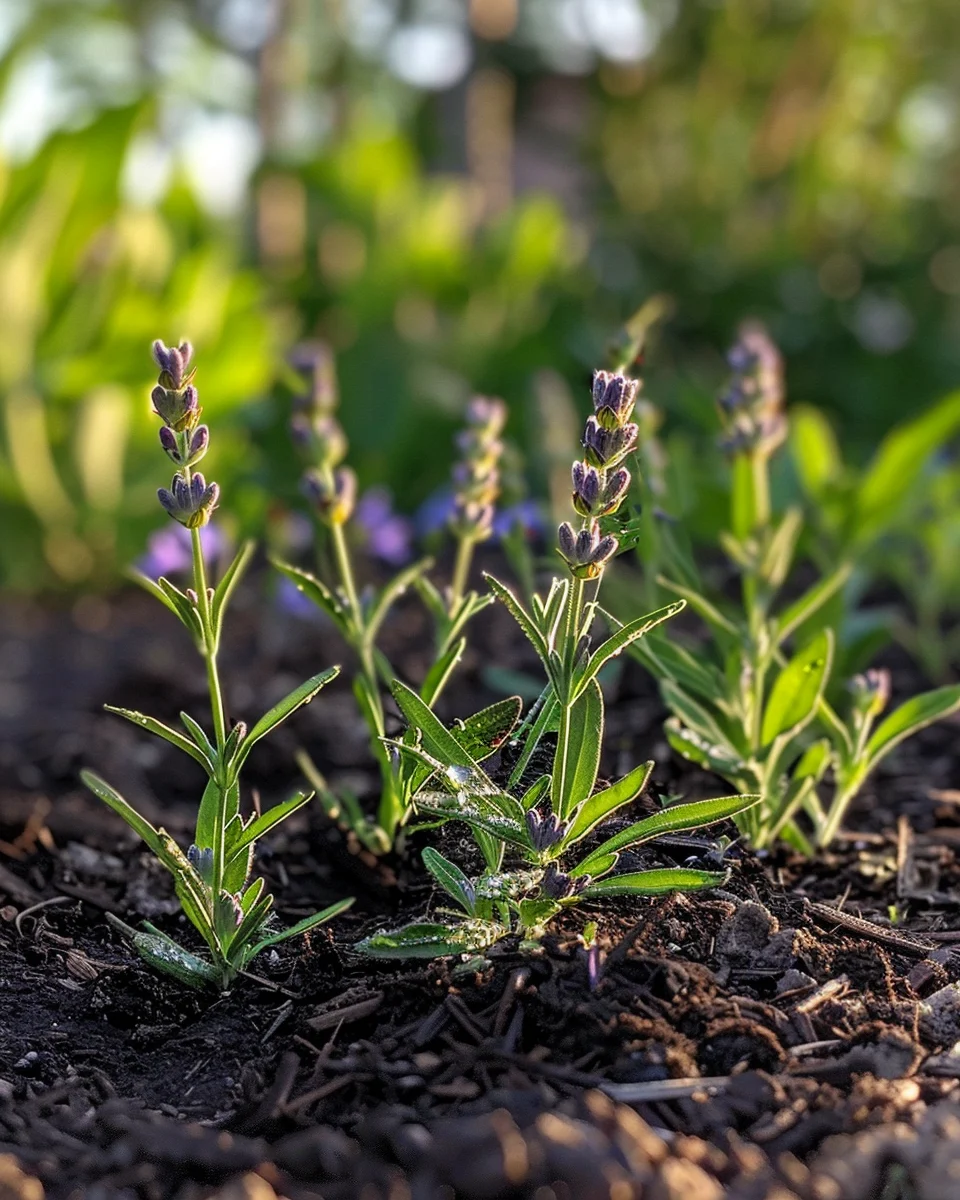
For cool temperate regions (UK, Northern US, Canada), take softwood cuttings from May to June and semi-hardwood cuttings from July to August. In warmer climates (Southern US, Mediterranean regions), you can take softwood cuttings from April to May and semi-hardwood cuttings from June to July. The timing should coincide with periods of active growth but avoid the hottest parts of summer. Once rooted (typically 3-6 weeks), cuttings can be transplanted to their permanent locations in early fall or the following spring, giving them time to establish before temperature extremes. In mild winter areas, fall planting allows roots to develop before the next growing season.
Best How to Propagate Lavender from Cuttings Even If you’ve Never Done It Before varieties to grow
- Lavandula angustifolia ‘Hidcote’ – Compact growth habit makes it ideal for beginners, with excellent propagation success rates and deep purple flowers.
- Lavandula x intermedia ‘Grosso’ – Highly aromatic variety with strong stems that root readily and produce abundant essential oil.
- Lavandula angustifolia ‘Munstead’ – Early-blooming English lavender that roots easily from cuttings and adapts well to container growing.
- Lavandula stoechas (Spanish Lavender) – Distinctive “rabbit ear” blooms and quick rooting ability, perfect for warmer climate gardeners.
- Lavandula x intermedia ‘Provence’ – Long stems ideal for cutting and propagation, with excellent heat and drought tolerance once established.
- Lavandula dentata (Fringed Lavender) – Evergreen variety with serrated leaves that propagates easily and thrives in mild winter regions.
- Lavandula angustifolia ‘Thumbelina Leigh’ – Dwarf variety perfect for containers and small spaces, with excellent rooting success for beginners.
How to plant How to Propagate Lavender from Cuttings Even If you’ve Never Done It Before
Materials needed:
- Healthy, disease-free lavender plant
- Sharp, clean pruning shears or scissors
- Rooting hormone powder (optional but recommended)
- Small pots (7-10 cm/3-4 inches) with drainage holes
- Well-draining potting mix (50% perlite or coarse sand, 50% peat-free compost)
- Clear plastic bags or propagation dome
- Plant labels and waterproof marker
- Spray bottle with water
Step-by-step process:
- Select a healthy lavender plant and identify stems with no flowers or buds (flowering stems have lower rooting success).
- In the morning when plants are well-hydrated, cut 10-12 cm (4-5 inch) sections from the tips of stems using clean, sharp scissors.
- Remove leaves from the bottom two-thirds of each cutting, leaving 3-5 leaves at the top.
- Trim the cut end just below a leaf node (where leaves emerge) at a 45-degree angle to increase the surface area for root development.
- Dip the cut end into rooting hormone powder if using, tapping off any excess.
- Fill pots with the well-draining potting mix and moisten slightly.
- Make a hole in the center of each pot with a pencil or dibber, about 5 cm (2 inches) deep.
- Insert the cutting into the hole, ensuring the stripped portion is below soil level, and gently firm the soil around it.
- Water lightly and cover with a clear plastic bag or dome to create humidity (leave some ventilation).
- Place in bright, indirect light (not direct sun) at room temperature (18-24°C/65-75°F).
How to grow How to Propagate Lavender from Cuttings Even If you’ve Never Done It Before
After planting your lavender cuttings, maintain consistent moisture without waterlogging. Remove the plastic covering for 30 minutes daily to prevent mold. Mist the cuttings occasionally but avoid soaking the soil. After 3-4 weeks, gently tug on cuttings to test for resistance, indicating root formation. Once rooted, gradually remove the covering over several days to acclimate the new plants. At this stage, move them to brighter light but still avoid harsh direct sun. After 6-8 weeks, when roots are well-established, transplant to larger pots with standard lavender soil mix (add extra sand or grit for drainage). For container growing, choose pots at least 30 cm (12 inches) in diameter with excellent drainage. Newly rooted lavender doesn’t need fertilizer; in fact, too much nitrogen promotes foliage at the expense of flowers and fragrance. Water only when the top 2.5 cm (1 inch) of soil feels dry.
Caring for How to Propagate Lavender from Cuttings Even If you’ve Never Done It Before
Once established, lavender plants propagated from cuttings require the same care as mature plants. Water deeply but infrequently, allowing soil to dry between waterings. In the first year, protect young plants from extreme cold by mulching with gravel or moving containers to sheltered locations. Prune lightly after the first flowering to encourage bushiness, removing no more than one-third of growth. Watch for common pests like aphids and spider mites; treat with insecticidal soap or neem oil at first sign. Fungal issues often indicate poor drainage or excessive humidity; improve air circulation and reduce watering. Harvest stems when flowers are just beginning to open for maximum fragrance and essential oil content. Cut stems in the morning after dew has dried but before the day heats up. For drying, gather stems in small bunches and hang upside down in a dark, well-ventilated area for 1-2 weeks.
Understanding bolting in How to Propagate Lavender from Cuttings Even If you’ve Never Done It Before
Unlike many herbs and vegetables, lavender doesn’t technically “bolt” in the traditional sense of premature flowering due to stress. Lavender naturally flowers in response to longer daylight hours and warmer temperatures. However, lavender can experience stress-related issues that affect flowering and overall plant health. Extreme heat, drought, or poor growing conditions can cause lavender to produce fewer flowers or develop a leggy, sparse appearance. To prevent these issues, ensure proper spacing for air circulation, avoid overwatering, and plant in well-draining soil. If your lavender becomes woody and sparse at the base, this indicates it needs rejuvenation pruning rather than being a bolting issue. Regular pruning after flowering helps maintain the plant’s compact shape and encourages new growth from the base.
Why does How to Propagate Lavender from Cuttings Even If you’ve Never Done It Before turn bitter?
- Excessive fertilizer – Too much nitrogen promotes lush foliage but can alter the essential oil composition; use only minimal, balanced fertilizer specifically for herbs.
- Improper harvesting timing – Harvesting too late when flowers are fully open or beginning to fade can result in less desirable fragrance; harvest when buds are just beginning to open.
- Environmental stress – Prolonged heat waves or drought can concentrate compounds in the plant, affecting aroma; maintain consistent watering during extreme weather.
- Variety selection – Some lavender varieties naturally have stronger, more camphor-like scents that might be perceived as bitter; choose culinary varieties like ‘Munstead’ or ‘Hidcote’ for sweeter fragrance.
- Age of plant material – Older, woody stems contain more concentrated compounds; use younger growth for milder fragrance in sachets or culinary applications.
Companion planting for How to Propagate Lavender from Cuttings Even If you’ve Never Done It Before
Good companions:
- Rosemary – Shares similar growing requirements and both benefit from the pest-repelling properties of each other.
- Echinacea/Coneflower – Attracts different beneficial insects, creating a more diverse ecosystem while sharing drought tolerance.
- Sage – Compatible Mediterranean herb with similar water and soil needs that won’t compete for resources.
- Thyme – Low-growing ground cover that helps suppress weeds around lavender without competing for space.
- Sedum – Drought-tolerant succulent that complements lavender’s appearance and shares similar growing conditions.
Avoid planting near:
- Moisture-loving herbs (mint, basil) – Their high water requirements conflict with lavender’s preference for dry conditions.
- Heavy feeders (vegetables like tomatoes or cabbage) – They require rich soil and frequent fertilization that would harm lavender.
- Plants prone to fungal issues – Lavender’s need for excellent drainage and air circulation makes it incompatible with plants susceptible to mildew.
Seasonal calendar
- Spring (March-May): Take softwood cuttings; prepare outdoor beds for transplanting rooted cuttings from previous year; gradually acclimate overwintered cuttings to outdoor conditions.
- Early Summer (June): Continue taking softwood cuttings; transplant well-rooted cuttings to larger pots; first light pruning of newly established plants.
- Mid-Summer (July-August): Take semi-hardwood cuttings; harvest first-year plants lightly if well-established; water container plants more frequently during heat.
- Fall (September-October): Transplant rooted cuttings to permanent locations; reduce watering as temperatures cool; apply gravel mulch around plants for winter protection.
- Winter (November-February): Take hardwood cuttings in mild climates; protect container plants from freezing; plan next season’s propagation schedule.
Note: In hot regions (zones 9-10), shift the calendar earlier by 2-4 weeks. In cool regions (zones 4-5), delay by 2-4 weeks and provide extra winter protection.
Problems & solutions
| Problem | Quick Fix |
|---|---|
| Cuttings turning black or rotting | Reduce watering, improve air circulation, and ensure cutting medium drains well; remove affected cuttings immediately. |
| Cuttings wilting despite adequate water | Too much direct sunlight; move to bright indirect light and mist foliage to reduce transpiration. |
| No root development after 6-8 weeks | Try bottom heat (20-24°C/68-75°F) with a heat mat; recut the stem end and apply fresh rooting hormone. |
| Yellowing leaves on rooted cuttings | Likely overwatering; allow soil to dry completely between waterings and check for adequate drainage. |
| Leggy, stretched growth | Insufficient light; move to brighter location and rotate pots regularly for even growth. |
| White fuzzy mold on soil surface | Reduce humidity, improve air circulation, and scrape off affected soil; cinnamon powder can be sprinkled as a natural fungicide. |
| Leaves dropping from cuttings | Environmental shock; stabilize temperature, avoid drafts, and maintain consistent humidity levels. |
Common questions about growing How to Propagate Lavender from Cuttings Even If you’ve Never Done It Before
Q: How long does it take for lavender cuttings to root?
A: Typically 3-6 weeks, depending on the variety, time of year, and growing conditions. Semi-hardwood cuttings taken in summer usually root faster than hardwood cuttings taken in winter.
Q: Do I need rooting hormone to propagate lavender successfully?
A: While not absolutely necessary, rooting hormone significantly increases success rates, especially for beginners. It helps prevent rot and stimulates faster, more uniform root development.
Q: Can I propagate lavender in water instead of soil?
A: It’s possible but not recommended. Lavender prefers well-aerated soil and roots developed in water are often weaker and have difficulty transitioning to soil later. Stick with soil-based propagation for better results.
Q: How many cuttings should I take to ensure success?
A: Take at least 3-4 times more cuttings than the number of plants you want, as not all will root successfully. For beginners, a 50-60% success rate is typical, improving with experience.
Q: When will my propagated lavender plants flower?
A: Plants propagated from cuttings typically flower in their first or second year, much sooner than seed-grown plants. Expect some blooms in the first summer after propagation if cuttings were taken the previous year.
Q: Can I take cuttings from lavender plants purchased at the supermarket?
A: Yes, but with caution. Supermarket plants are often treated with growth regulators and may be stressed. Allow them to acclimate in your garden for a few weeks before taking cuttings for better success.
Q: How do I prevent my newly rooted lavender plants from becoming woody too quickly?
A: Regular, proper pruning is key. Trim lightly after the first bloom cycle, removing about one-third of the growth. This encourages bushiness and prevents the leggy, woody growth that makes plants age prematurely.