
Where To Position Watermelon Peperomia
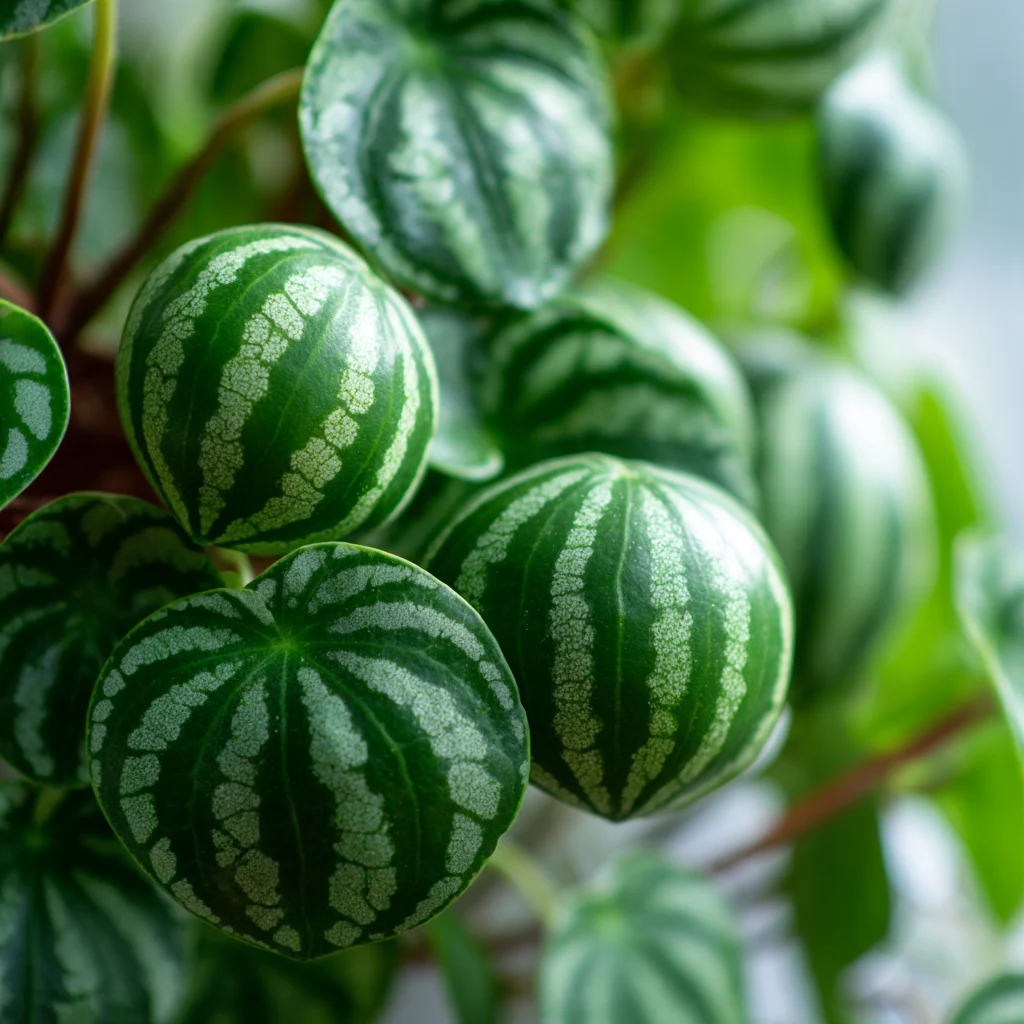
Finding the perfect spot for your Watermelon Peperomia can significantly impact its health and growth. These charming tropical plants, known for their distinctive watermelon-patterned leaves, have specific environmental preferences that need to be met for them to thrive. After growing these delightful plants for over a decade, I’ve discovered that proper positioning is key to maintaining their vibrant appearance and ensuring robust growth. Let’s explore the ideal locations for your Watermelon Peperomia and how to create the perfect environment for this popular houseplant.
Understanding Watermelon Peperomia’s Natural Habitat
Watermelon Peperomias (Peperomia argyreia) are native to South American tropical forests, specifically Brazil. In their natural habitat, these plants grow on the forest floor beneath the canopy of larger trees. This environment provides them with bright, filtered light rather than harsh direct sunlight.
These plants typically enjoy warm temperatures between 65-80°F (18-27°C) and moderate to high humidity levels. Understanding these natural conditions helps us recreate a similar environment in our homes to ensure these plants thrive.
Ideal Light Conditions
Bright, indirect light is the golden rule for Watermelon Peperomias. These plants need sufficient light to maintain their distinctive leaf patterns and coloration, but direct sunlight can scorch their delicate leaves.
East or west-facing windows often provide the perfect balance. An east-facing window offers gentle morning light, while a west-facing window provides afternoon brightness that isn’t too intense if the plant is placed a few feet away from the glass.
North-facing windows may not provide enough light, especially during winter months. If you only have north-facing windows, consider supplementing with grow lights or positioning the plant as close to the window as possible.
South-facing windows can work well if the plant is placed several feet away from the window or if the light is filtered through sheer curtains or blinds.
Temperature Considerations
Watermelon Peperomias prefer consistent temperatures between 65-80°F (18-27°C). Avoid placing them in areas with temperature fluctuations or drafts.
Keep these plants away from:
- Air conditioning vents
- Heating vents
- Drafty windows and doors
- Fireplaces
- Radiators
During winter, move plants away from cold windows. Even if the light is good, the cold glass can create a microclimate that’s too chilly for these tropical plants.
Humidity Requirements
While Watermelon Peperomias can adapt to average household humidity, they truly thrive in more humid conditions. Consider these locations for naturally higher humidity:
- Kitchens (away from heat sources)
- Bathrooms with windows
- Near other plants (creating a microclimate)
If you place your Peperomia in a drier area of your home, consider using a small humidifier nearby or placing the pot on a pebble tray with water to increase local humidity.
Best Rooms in the House
Living Rooms
Living rooms often have good light and stable temperatures, making them excellent choices. Position your plant near a window but out of direct sunlight. Coffee tables, side tables, or shelves near windows can be perfect spots.
Kitchens
Kitchens typically have higher humidity from cooking activities, which Watermelon Peperomias appreciate. Just ensure the plant is away from heat sources like stoves and ovens, and not in the path of cooking grease or smoke.
Bathrooms
If your bathroom has a window that provides adequate light, this can be an excellent location due to the naturally high humidity. The steam from showers creates an environment similar to the plant’s tropical origins.
Home Offices
Watermelon Peperomias make excellent desk plants if your workspace receives bright, indirect light. Their compact size means they won’t take up too much valuable desk space.
Locations to Avoid
Some areas in your home simply won’t work well for Watermelon Peperomias:
- Dark corners or rooms with minimal natural light
- Windowsills with direct afternoon sun exposure
- Near heating or cooling vents
- Next to frequently opened exterior doors
- On top of electronics that generate heat
If your plant shows signs of distress like yellowing leaves, leaf drop, or faded patterns, it’s likely in an unsuitable location and should be moved.
Seasonal Adjustments
Your Watermelon Peperomia may need different positioning throughout the year as light conditions and temperatures change with the seasons.
During summer, you might need to move the plant further from windows to protect it from intense sunlight. In winter, when light levels are lower, moving it closer to a window can help ensure it receives adequate light.
Be particularly mindful during winter to keep the plant away from cold drafts and chilly windows, even if that means sacrificing some light temporarily.
Using Decorative Elements
Watermelon Peperomias are compact plants that rarely exceed 12 inches (30 cm) in height, making them versatile for different display options:
- Floating shelves near windows
- Plant stands of varying heights
- Terrariums with proper ventilation
- Decorative plant groupings with other humidity-loving plants
Their distinctive foliage makes them excellent focal points in plant displays, and their compact size allows them to fit in spaces where larger plants wouldn’t work.
Signs Your Plant Is in the Right Spot
A happy Watermelon Peperomia will show several positive signs:
- Vibrant leaf coloration with clear watermelon-like patterns
- Steady new growth during the growing season
- Firm, upright stems
- No brown edges or yellow patches on leaves
- Overall compact, bushy appearance
If your plant displays these characteristics, congratulations! You’ve found the perfect spot for your Watermelon Peperomia.
Troubleshooting Positioning Problems
If your plant isn’t thriving, its position might be the issue:
- Leggy, stretched growth indicates insufficient light
- Scorched or bleached leaves suggest too much direct sunlight
- Drooping leaves could mean temperature stress or watering issues
- Crispy leaf edges often indicate low humidity
Don’t be afraid to experiment with different locations until you find the sweet spot where your plant thrives. Sometimes moving a plant just a few feet can make a significant difference.
Conclusion
Positioning your Watermelon Peperomia in the right spot is crucial for its health and appearance. The ideal location provides bright, indirect light, stable temperatures between 65-80°F, and moderate humidity. East or west-facing windows often offer the perfect light balance, while kitchens and bathrooms can provide beneficial humidity.
If you notice your plant struggling, don’t hesitate to try different locations until you find where it thrives best. Every home has unique light and humidity conditions, so some experimentation may be necessary. For persistent issues despite proper positioning, consider consulting with a plant specialist who can provide tailored advice for your specific situation.