
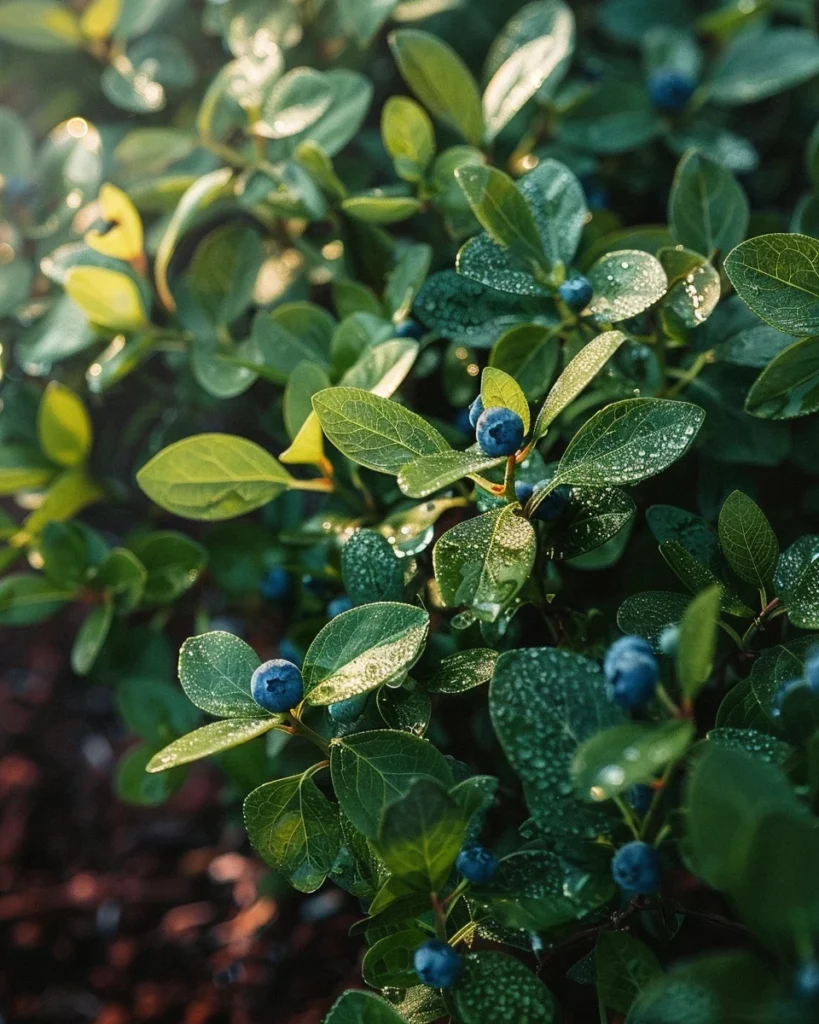
How to Prune Blueberry Bushes for Biggest Yields: Best Timing, Techniques & Care Guide
Intro for How and When to Prune Blueberry Bushes for Biggest Yields
Blueberry bushes are rewarding perennial plants that can produce bountiful harvests for decades when properly maintained. Pruning is perhaps the most critical maintenance task for ensuring healthy plants and maximizing fruit production. Without regular pruning, blueberry bushes become overcrowded, produce smaller berries, and become more susceptible to disease. Strategic pruning improves air circulation, allows sunlight to penetrate the canopy, removes dead or diseased wood, and stimulates new growth where most fruit is produced. Whether you’re growing highbush, lowbush, or rabbiteye varieties, understanding proper pruning techniques and timing will significantly boost your harvest potential.
When to prune Blueberry Bushes for Biggest Yields
The ideal time to prune established blueberry bushes is during late winter or early spring while the plants are still dormant but before new growth begins. In most temperate regions, this falls between January and March, depending on your specific climate. Pruning during dormancy allows you to clearly see the branch structure without leaves obscuring your view. Avoid pruning during freezing temperatures (below -5°C/23°F) as this can damage the plant. Also, never prune in late spring or summer when the plant is actively growing, as this can stress the bush and reduce that season’s yield.
Best time to plant Blueberry Bushes
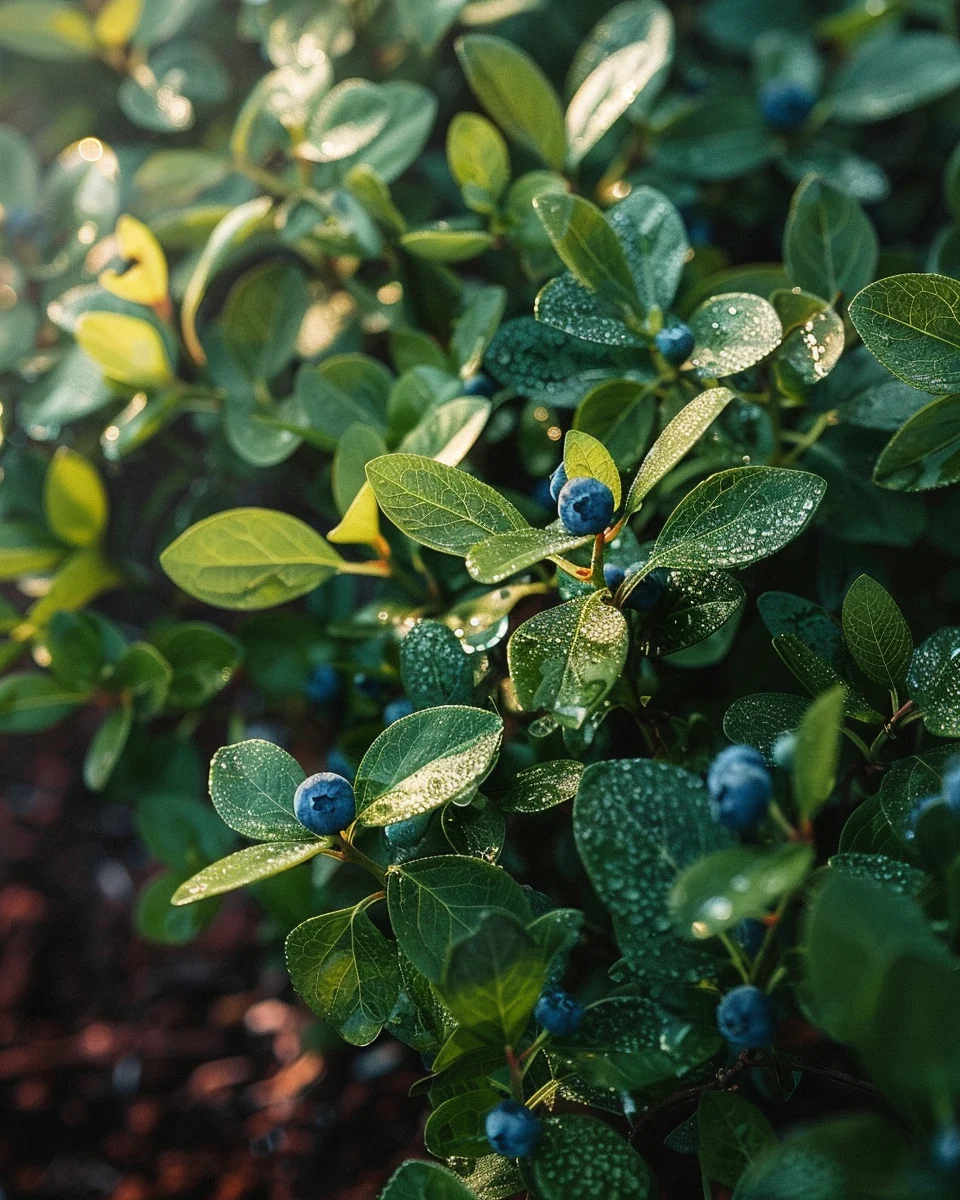
For new blueberry bushes, early spring is typically the best planting time in cooler regions (Zones 3-6), after the threat of hard frost has passed but before hot weather arrives. In warmer climates (Zones 7-9), fall planting (October-November) is often preferred, giving roots time to establish before summer heat. Container-grown blueberries can be planted almost any time during the growing season if properly watered, though spring and fall remain ideal. Soil temperatures between 10-21°C (50-70°F) promote optimal root development. Regardless of planting time, you should wait until the second or third year before implementing a full pruning regimen.
Best Blueberry Bushes varieties to grow
- Bluecrop – Highly productive midseason variety with excellent disease resistance and adaptability to different soil conditions.
- Duke – Early-season producer with frost-resistant flowers, making it ideal for regions with unpredictable spring weather.
- Patriot – Compact variety (4-6 feet tall) perfect for smaller gardens or containers with excellent cold hardiness.
- Chandler – Known for producing the largest berries among cultivated varieties with an extended harvest period.
- Pink Lemonade – Unique pink berries with sweeter, less acidic flavor and ornamental value in landscapes.
- Sunshine Blue – Semi-dwarf, semi-evergreen variety that requires fewer chilling hours, making it suitable for warmer regions.
- Legacy – Late-season variety with exceptional flavor, high productivity, and good disease resistance.
How to plant Blueberry Bushes
Materials needed:
- Blueberry bush saplings (1-3 years old)
- Acidic soil or peat moss/pine bark mix
- Soil pH tester
- Compost or aged manure
- Mulch (pine needles, sawdust, or wood chips)
- Shovel and garden fork
- Pruning shears (for initial pruning)
- Watering can or hose
Step-by-step planting:
- Select a site with full sun (6+ hours daily) and good drainage.
- Test soil pH – blueberries require acidic soil (4.5-5.5 pH).
- Amend soil with peat moss, pine bark, or sulfur if needed to lower pH.
- Dig a hole twice as wide and as deep as the root ball (typically 18-24 inches/45-60 cm wide).
- Mix compost or aged manure with the excavated soil at a 1:3 ratio.
- Remove the plant from its container and gently loosen the root ball.
- Place the plant in the hole at the same depth it was growing in the container.
- Backfill with the soil-compost mixture, firming gently around the roots.
- Water thoroughly to eliminate air pockets.
- Apply a 2-4 inch (5-10 cm) layer of acidic mulch around the plant, keeping it away from the stem.
How to grow Blueberry Bushes
Blueberries thrive in full sun but can tolerate partial shade in hotter regions. Water deeply once or twice weekly, providing 1-2 inches (2.5-5 cm) of water, especially during fruit development and dry periods. Maintain consistently moist but not waterlogged soil. Fertilize in early spring with an acid-forming fertilizer specifically designed for blueberries or rhododendrons. Avoid high-nitrogen fertilizers which promote leafy growth at the expense of fruit production.
Mulch annually with pine needles, sawdust, or wood chips to maintain soil acidity, conserve moisture, and suppress weeds. For container-grown blueberries, use a pot at least 18 inches (45 cm) in diameter with excellent drainage, filled with acidic potting mix. Container plants require more frequent watering and fertilization than ground-planted bushes.
During the first two years after planting, remove all flower buds to encourage strong vegetative growth and root development. This sacrifice leads to much better harvests in subsequent years.
Caring for Blueberry Bushes
Proper pruning is essential for blueberry care. For the first 2-3 years, focus on removing weak, low-growing shoots and establishing a strong framework. For mature bushes (4+ years old), remove dead, damaged, or diseased wood, thin out overcrowded areas, and cut back older canes to encourage new growth.
Common pests include blueberry maggot flies, spotted wing drosophila, and birds. Use floating row covers during fruit development to protect against insects, and bird netting to prevent avian theft. Diseases to watch for include mummy berry (shriveled, hardened berries), powdery mildew (white powdery coating on leaves), and phytophthora root rot (yellowing leaves and plant decline). Ensure good air circulation and avoid overhead watering to prevent fungal issues.
Harvest berries when they turn fully blue with a slight dusty appearance and detach easily from the stem. Refrigerate unwashed berries in a breathable container for up to two weeks, or freeze for longer storage.
Understanding bolting in Blueberry Bushes
Unlike annual vegetables, blueberries don’t bolt in the traditional sense. However, they do undergo seasonal growth phases that affect fruit production. Blueberries require a certain number of chilling hours (time below 45°F/7°C) during winter dormancy to produce fruit properly the following season. Without sufficient chilling, plants may experience irregular budbreak, reduced flowering, and poor fruit set.
If your blueberry bush produces abundant leafy growth but few flowers or fruits, this could indicate excessive nitrogen fertilization rather than bolting. To correct this imbalance, switch to a lower-nitrogen, higher-phosphorus fertilizer to encourage flowering and fruiting rather than vegetative growth.
Why does Blueberry Bush production decline?
- Insufficient pruning – Overcrowded, aging canes produce smaller berries and fewer fruits; solution: implement annual pruning regimen.
- Improper soil pH – Blueberries require acidic soil (4.5-5.5 pH); solution: test soil annually and amend with sulfur or acidic materials as needed.
- Age of canes – Canes older than 6 years produce less fruit; solution: remove oldest canes annually to stimulate new growth.
- Inadequate pollination – Most varieties require cross-pollination; solution: plant at least two different compatible varieties.
- Nutrient deficiencies – Particularly iron deficiency (yellowing leaves with green veins); solution: apply chelated iron and maintain proper soil pH.
Companion planting for Blueberry Bushes
Good companions:
- Rhododendrons and azaleas – Share similar soil pH requirements and create an attractive landscape grouping.
- Pine trees – Naturally acidify soil with their needle drop and provide partial shade in hot climates.
- Strawberries – Make good ground cover between bushes and share similar soil preferences.
- Thyme – Attracts pollinators and helps repel some insect pests.
- Heather – Thrives in acidic soil and provides year-round interest alongside blueberries.
Avoid planting near:
- Tomatoes – Can transmit soil-borne diseases to blueberries.
- Alkaline-loving plants (like lilacs or clematis) – Competing soil pH requirements make them incompatible neighbors.
- Aggressive spreaders (like mint or bamboo) – Can overwhelm blueberry root systems.
Seasonal calendar
- January-March: Prune dormant bushes; apply sulfur if needed to lower soil pH.
- April: Apply acid fertilizer as new growth begins; remove mulch from base of plants.
- May: Monitor for flower development; install bird netting before berries ripen.
- June-August: Harvest berries as they ripen; maintain consistent watering during fruit development.
- September: Apply second light fertilizer application (in warmer regions only).
- October-November: Plant new bushes in warmer regions; add fresh mulch layer.
- December: Monitor winter protection in colder regions; prepare pruning tools for late winter.
Problems & solutions
| Problem | Quick Fix |
|---|---|
| Yellow leaves with green veins | Apply chelated iron and lower soil pH with sulfur |
| Few or small berries | Implement proper pruning regimen; ensure cross-pollination |
| Shriveled, hardened berries (mummy berry) | Remove affected berries; apply fungicide at early bloom; improve air circulation |
| Bird damage | Install bird netting before berries begin to ripen |
| Cracked, dry stems | Ensure consistent watering; apply mulch to regulate soil moisture |
| Flowers but no fruit | Plant compatible varieties for cross-pollination; protect from late frosts |
Common questions about growing Blueberry Bushes
How drastically can I prune overgrown blueberry bushes?
For severely neglected bushes, you can implement renovation pruning by removing 1/3 of the oldest canes completely each year for three consecutive years. This gradual approach rejuvenates the bush without sacrificing all production at once.
Should I remove all the flowers the first year after planting?
Yes, remove all flower buds for the first 1-2 years to encourage strong root and vegetative growth. This short-term sacrifice leads to much better harvests in subsequent years.
How can I tell which branches to remove when pruning?
Remove any dead, damaged, or diseased wood first. Then remove low, spindly branches that will touch the ground when laden with fruit. Finally, thin out the center to improve air circulation, targeting the oldest, graying canes (typically 6+ years old).
Can blueberries grow well in containers?
Yes, especially compact varieties like ‘Patriot’ or ‘Sunshine Blue.’ Use a container at least 18 inches (45 cm) in diameter with excellent drainage and acidic potting mix. Container-grown plants require more frequent watering and fertilization.
How long before new blueberry bushes produce fruit?
Most blueberry varieties begin producing a small crop in their third year, with full production reached by years 6-8. With proper care and pruning, bushes can remain productive for 20+ years.
Do all blueberry varieties need cross-pollination?
While most blueberries are partially self-fertile, planting at least two different compatible varieties significantly increases yield and berry size through cross-pollination. Choose varieties with overlapping bloom times for best results.
How do I know when blueberries are ready to harvest?
Harvest berries when they turn completely blue with a slight dusty appearance and detach easily from the stem with a gentle roll between your fingers. Berries don’t continue to ripen after picking, so patience is key for the sweetest flavor.