

Orchid Cactus Care: A Complete Guide to Growing Healthy Plants
Understanding the Orchid Cactus
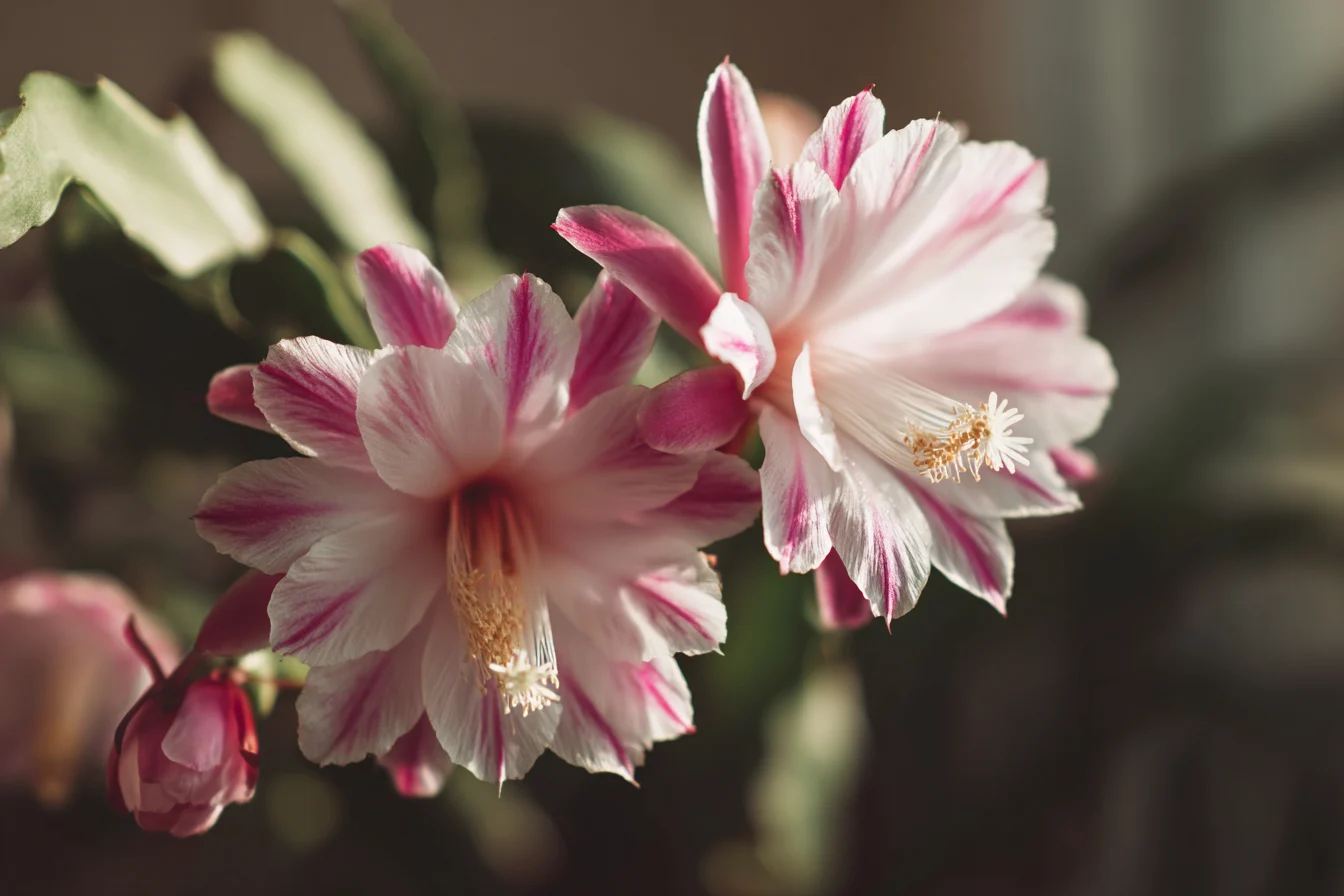
The orchid cactus (Epiphyllum) is a stunning epiphytic plant native to Central America and Northern South America. Despite its name, it’s not a true orchid but a type of cactus that produces spectacular, fragrant blooms after several years of growth.
In their natural habitat, orchid cacti grow on trees in rainforest environments, which explains their preference for bright, indirect light and moderate humidity. Indoor specimens typically reach 18-30 inches in length, though they can grow up to 10 feet long in the wild.
Light Requirements
Orchid cacti thrive in filtered, indirect light that mimics their natural rainforest habitat. A location with morning sun and afternoon shade provides ideal conditions for healthy growth.
Avoid exposing your plant to harsh afternoon sun, which can cause yellowing or wilted stems. Similarly, insufficient light leads to leggy, weak growth. The stems should display a light to dark green color with a slight reddish tinge at the edges when receiving proper light.
During winter, place your orchid cactus in a room where artificial lights aren’t used after daylight hours, as this can interfere with the plant’s natural flowering cycle.
Soil and Potting
Since orchid cacti are epiphytes that naturally grow on trees, they require a well-draining soil mix that retains some moisture. A good mixture consists of three parts potting soil to one part pumice or perlite, or half peat moss-based potting soil to half perlite.
The soil pH should be slightly acidic, with a level around 6 being ideal. Commercial orchid or succulent soil mixes also work well for these plants.
When potting an orchid cactus, choose a container that’s on the smaller side with good drainage holes. These plants actually bloom better when slightly root-bound, so don’t rush to repot them into much larger containers.
Watering Practices
Proper watering is crucial for orchid cactus health, with overwatering being the most common cause of problems. Water thoroughly when the top third of the soil feels slightly damp during the growing season (spring through summer).
During winter dormancy, reduce watering significantly, allowing the soil to dry more between waterings. Never let your plant sit in standing water, as this can quickly lead to root rot.
If possible, use bottled or demineralized water instead of tap water, which may contain minerals that can build up in the soil over time.
Temperature and Humidity Needs
Orchid cacti prefer temperatures between 65-75°F (18-24°C) during their active growing season. To encourage flowering, they need a cooler period of 8-10 weeks during winter, with daytime temperatures of 60-65°F (15-18°C) and nighttime temperatures of 45-55°F (7-13°C).
These plants thrive in moderate humidity levels of 40-50%. Increase humidity by placing the pot on a tray filled with wet pebbles, ensuring the pot doesn’t sit directly in water.
Fertilizing Schedule
During the growing season (spring through fall), feed your orchid cactus with a balanced 10-10-10 fertilizer diluted to half strength every two weeks. Avoid fertilizers with more than 10% nitrogen content, as excessive nitrogen can inhibit flowering.
To promote blooming, apply a low-nitrogen fertilizer (such as 2-10-10) at the end of February and again in October. Stop fertilizing completely during the winter dormancy period to prevent nutrient overload.
Pruning and Maintenance
Pruning orchid cacti is primarily done to control size and shape. The best time to prune is shortly after flowering has finished. Use clean, sharp shears to make clean cuts and prevent tearing of the stems.
Be careful not to overwater after pruning, as the plant will have reduced capacity to absorb moisture. Remove any dead, damaged, or diseased stems promptly to maintain plant health.
Propagation Methods
Propagating orchid cacti is relatively simple using stem cuttings. Take a healthy stem cutting, allow the cut end to callus (dry and harden) for about a week, then plant it in moist, well-draining soil with the growing end down.
Insert the cutting so that no more than two leaf serrations are below the soil surface. Place in bright, indirect light and keep the soil lightly moist. Roots typically develop within 3-6 weeks.
Repotting Guidelines
Orchid cacti generally need repotting every 2-3 years, though some can go longer. When repotting, move up just one pot size, as these plants flower more vigorously when slightly root-bound.
The best time to repot is about a month after blooming has finished. Gently remove the plant from its current container, lightly shake off excess soil (but don’t disturb the roots too much), and place it in the new pot with fresh soil mix.
After repotting, wait about a week before watering to allow any damaged roots to heal.
Common Problems and Solutions
Overwatering is the most frequent issue with orchid cacti, leading to stem rot (blackening stems that turn soft at the base). If this occurs, reduce watering immediately and cut away affected stems at soil level.
Pests that may affect orchid cacti include fungus gnats (from overwatering), aphids, mealybugs, and spider mites. Treat infestations with insecticidal soap or neem oil, applied according to package directions.
Fungal spots on stems often result from water sitting on the plant for too long. Prevent this by watering at the soil level rather than from above and ensuring good air circulation around the plant.
Encouraging Blooming
Orchid cacti typically take up to five years to reach flowering maturity. To encourage blooming, provide a period of cooler temperatures in winter, followed by gradually increasing light and warmth in spring.
Slightly root-bound plants bloom more readily than those in oversized pots. The winter rest period with reduced watering and no fertilizer is crucial for flower bud formation.
Once flower buds appear, avoid moving or rotating the plant, as this can cause bud drop. With proper care, orchid cacti can produce spectacular blooms that last for several days.
Conclusion
Growing orchid cacti successfully requires understanding their unique needs as epiphytic plants. By providing the right balance of filtered light, proper watering, and seasonal temperature variations, you can enjoy these spectacular bloomers for many years.
While they require some specific care, orchid cacti are relatively forgiving plants that reward patience with their stunning, fragrant flowers. Whether displayed in hanging baskets or on plant stands, these unusual cacti make striking additions to any indoor plant collection.