
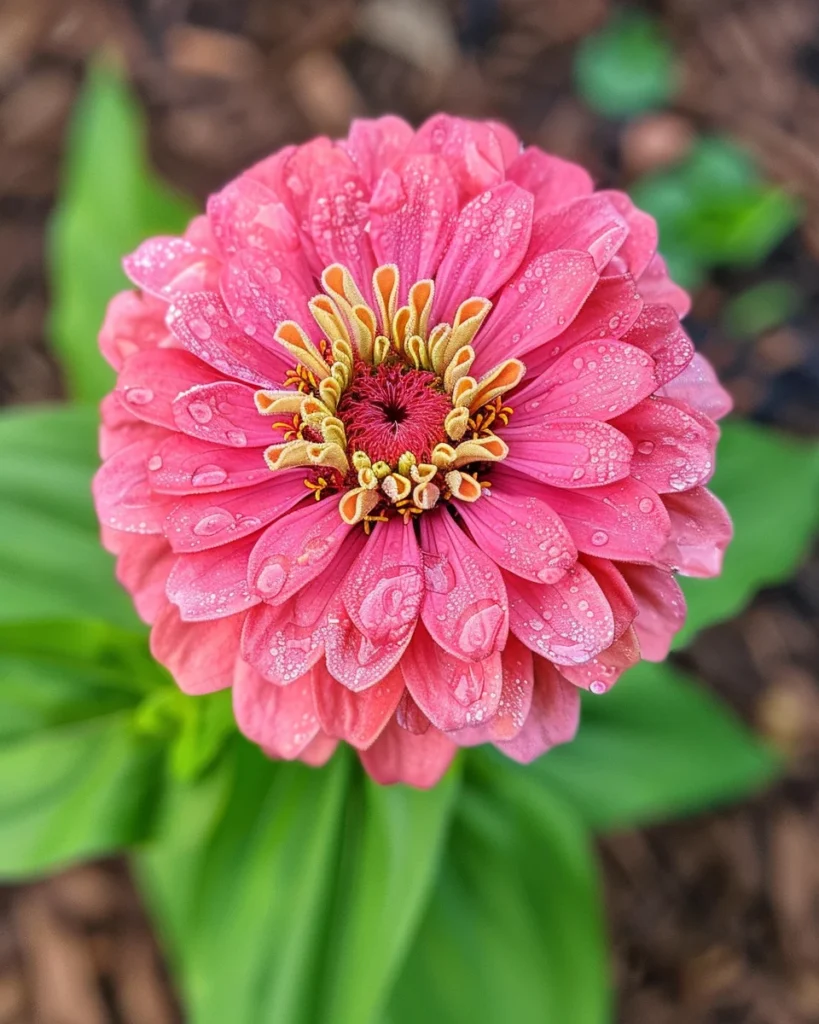
How to Grow Zinnias: Blooms That Don’t Quit for Season-Long Color
Intro for Zinnias Blooms that Don’t Quit
Zinnias are the unsung heroes of summer gardens, delivering an explosion of vibrant color that persists from early summer until the first frost. These Mexican natives are annual flowers that thrive in warm weather and reward gardeners with weeks of continuous blooms in virtually every color except blue. Beyond their visual appeal, zinnias attract beneficial pollinators like butterflies and bees, making them functional as well as beautiful. They’re remarkably low-maintenance, drought-tolerant once established, and perfect for both cutting gardens and border displays. Whether you’re a novice gardener or seasoned expert, zinnias offer exceptional performance with minimal effort in nearly any sunny garden space.
When to Plant Zinnias
Zinnias are warm-season annuals that absolutely detest cold conditions. Wait until all danger of frost has passed and soil temperatures have reached at least 21°C (70°F) before planting. In most temperate regions, this means waiting until late spring. Zinnias planted too early will either fail to germinate or develop slowly with stunted growth. For gardeners in cooler climates (US Zones 3-5 or UK northern regions), starting seeds indoors 4-6 weeks before your last frost date gives plants a head start. Those in warmer regions (US Zones 8-10 or Mediterranean climates) can often direct-sow as early as mid-spring and continue succession planting through midsummer.
Best Time to Plant Zinnias
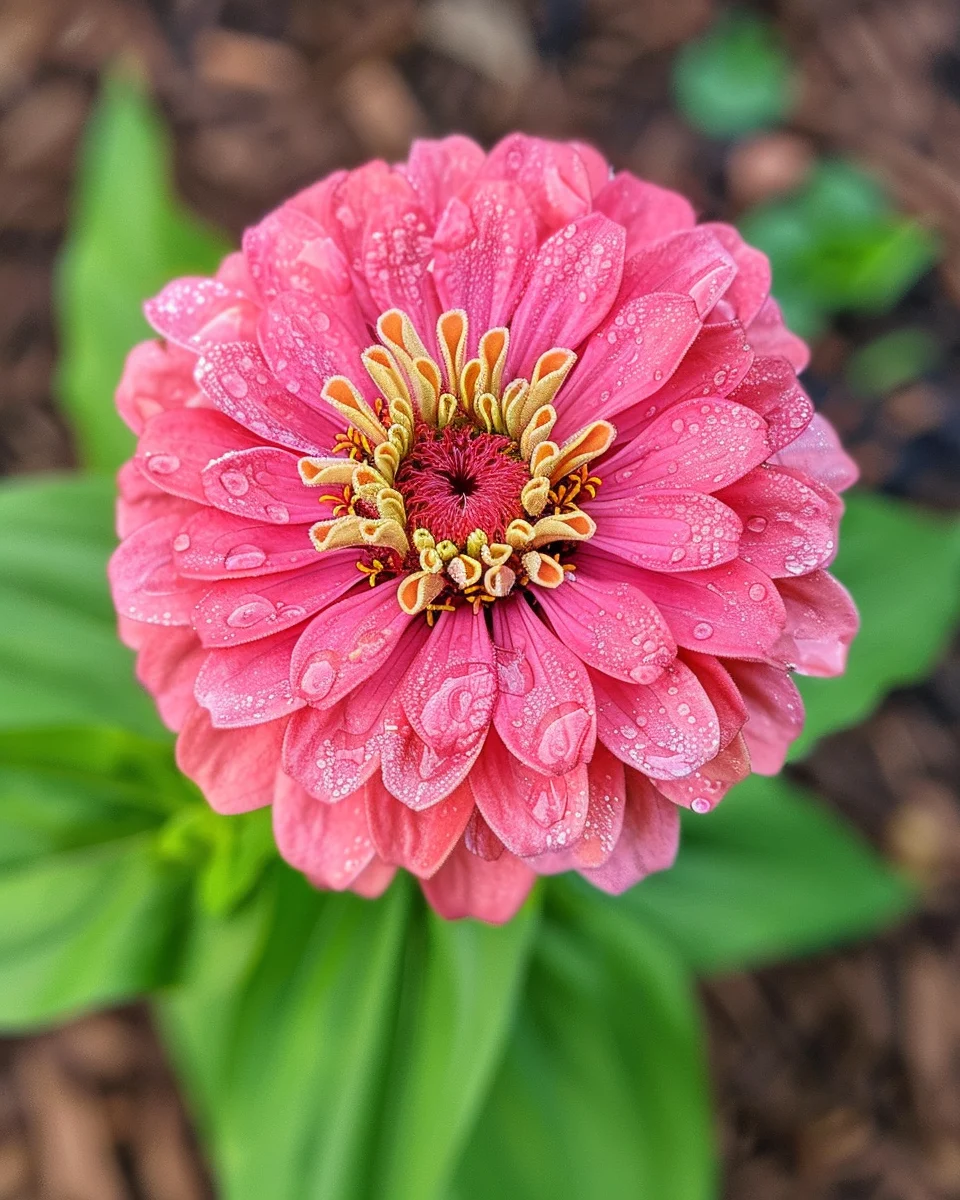
For most temperate regions, the optimal window for direct-sowing zinnias is mid-to-late May through June. In warmer southern climates, you can begin as early as April and continue sowing until July for extended blooms. For transplants, wait until nighttime temperatures consistently stay above 10°C (50°F), typically 2-3 weeks after your last frost date. Cool-climate gardeners should stick to the May-June window for direct sowing, while warm-climate gardeners can often plant a second round in August for fall blooms. Remember that zinnias develop and flower quickly—most varieties bloom within 60-70 days from seed, making them perfect for filling gaps in summer gardens.
Best Zinnia Varieties to Grow
• ‘Benary’s Giant’ – Professional-quality cut flowers with 4-6 inch blooms on sturdy 3-4 foot stems, exceptional vase life of 7-10 days.
• ‘Profusion’ series – Disease-resistant, compact plants (12-18 inches) that bloom continuously without deadheading, perfect for containers.
• ‘Queen Red Lime’ – Unique vintage-colored blooms in dusty rose with lime green centers, excellent for trendy floral arrangements.
• ‘Zahara’ series – Exceptionally drought and heat tolerant with superior disease resistance, ideal for hot climates or low-water gardens.
• ‘State Fair’ – Old-fashioned variety with huge 5-6 inch blooms in mixed colors, reaching 30-36 inches tall with excellent cutting quality.
• ‘Peppermint Stick’ – Distinctive red and white striped petals on 24-30 inch plants, creating a candy-cane effect in the garden.
• ‘Cut and Come Again’ – Heirloom mix that produces new blooms rapidly after cutting, extending the flowering season dramatically.
• ‘Thumbelina’ – Miniature 6-inch plants perfect for edging, containers, or children’s gardens, with small 1.5-inch double blooms.
How to Plant Zinnias
Materials list:
– Zinnia seeds or transplants
– Garden fork or tiller
– Compost or well-rotted manure
– All-purpose granular fertilizer
– Watering can or hose with gentle spray attachment
– Plant labels
– Mulch (optional)
Step-by-step:
1. Select a site that receives full sun (at least 6-8 hours daily) with well-draining soil.
2. Prepare the soil by loosening it to a depth of 8-10 inches (20-25 cm) and mixing in 2-3 inches (5-7 cm) of compost.
3. Incorporate a light application of all-purpose fertilizer according to package directions.
4. For direct sowing, plant seeds ¼ inch (6 mm) deep and 4-24 inches (10-60 cm) apart depending on variety size (check seed packet).
5. For transplants, dig holes slightly larger than the root ball and space according to mature plant size.
6. Water thoroughly after planting, ensuring soil is evenly moist but not waterlogged.
7. Apply a thin layer of mulch around (but not touching) plants to conserve moisture and suppress weeds.
8. Label plantings with variety names and planting dates for future reference.
9. If direct sowing, expect germination within 5-7 days in warm soil.
10. Thin seedlings when they reach 3 inches (7.5 cm) tall, keeping the strongest plants at proper spacing.
How to Grow Zinnias
Zinnias require full sun to thrive—at least 6 hours daily, though 8+ hours produces the most abundant blooms. Water deeply but infrequently, allowing the top inch of soil to dry between waterings. Once established, zinnias are moderately drought-tolerant, though consistent moisture produces more blooms. Fertilize lightly at planting time, then apply a balanced liquid fertilizer monthly during the growing season. Mulch with 2 inches (5 cm) of organic material to retain moisture and reduce weed competition. Regular deadheading (removing spent blooms) dramatically extends flowering—simply snip spent flowers ¼ inch above the next leaf node. For container growing, use pots at least 12 inches (30 cm) deep with excellent drainage, and water more frequently as containers dry out faster. Tall varieties may require staking in windy locations—insert stakes at planting time to avoid root damage later.
Caring for Zinnias
The primary ongoing task for zinnia care is deadheading—removing spent blooms promptly encourages plants to produce more flowers rather than setting seed. Watch for powdery mildew, which appears as white powdery patches on leaves, especially in humid conditions. Prevent by providing good air circulation, watering at the base rather than overhead, and choosing resistant varieties. Treat mild cases with a baking soda spray (1 tablespoon in 1 gallon water with a few drops of dish soap). Japanese beetles may skeletonize leaves; hand-pick in the morning when they’re sluggish or use insecticidal soap. For cutting, harvest flowers in the morning when stems are fully hydrated, choosing blooms that are just fully opened. Strip lower leaves from cut stems and place immediately in water. For seed saving, allow some late-season blooms to dry completely on the plant before collecting.
Understanding Bolting in Zinnias
Unlike many garden plants, zinnias don’t actually bolt in the traditional sense. Bolting refers to premature flowering and seed production in vegetables like lettuce or spinach, typically triggered by heat or long daylight hours. Zinnias, being flowering ornamentals, are meant to produce blooms—it’s their natural growth cycle rather than a problem. However, zinnias can experience accelerated growth and reduced flowering during extreme heat waves. During periods of temperatures above 35°C (95°F), plants may temporarily slow flower production and focus on survival. To maintain continuous blooming, provide afternoon shade during extreme heat, maintain consistent moisture, and continue deadheading religiously. If plants become leggy or sparse, a light pruning (cutting back by one-third) can rejuvenate them for a fresh flush of blooms.
Why Does Zinnia Foliage Turn Yellow?
• Overwatering: Soggy soil leads to root rot and yellowing leaves—allow soil to dry between waterings and improve drainage.
• Nutrient deficiency: Yellowing between leaf veins indicates iron or magnesium deficiency—apply balanced fertilizer or compost tea.
• Powdery mildew infection: Early stages cause yellowing before white powder appears—improve air circulation and apply fungicide if necessary.
• Natural aging: Lower leaves naturally yellow as plants mature—simply remove them to improve appearance and air circulation.
• Spider mite damage: Tiny pests cause stippled yellowing—spray plants forcefully with water or apply insecticidal soap to undersides of leaves.
Companion Planting for Zinnias
Good companions for zinnias include marigolds, which share similar growing requirements while repelling many garden pests; cosmos, which create a complementary airy texture against zinnias’ bold blooms; basil, whose aromatic oils deter pests while thriving in similar conditions; salvias, which attract different pollinators expanding biodiversity; and melons or squash, which benefit from the increased pollinator activity zinnias attract. Avoid planting zinnias near dahlias, as they compete for similar nutrients and can share disease issues. Also keep distance from euphorbia varieties, which can inhibit zinnia growth through allelopathic effects. While not strictly harmful, avoid crowding zinnias with other mildew-prone plants like cucumbers or squash, as this can create humid microclimates that encourage disease spread.
Seasonal Calendar
• February-March: Start seeds indoors in warm regions; purchase seeds for cool regions.
• April: Start seeds indoors in cool regions; direct sow in very warm regions.
• May: Transplant seedlings after last frost; direct sow in most regions.
• June: Continue direct sowing; begin deadheading early plantings.
• July: Apply liquid fertilizer; maintain deadheading routine; harvest for cut flowers.
• August: Continue maintenance; direct sow final succession in warm regions.
• September: Continue harvesting; collect seeds from selected plants.
• October: Remove plants after frost in most regions; continue enjoying in frost-free areas.
• November: Final cleanup in warm regions; evaluate season and plan for next year.
Problems & Solutions
Problem | Quick Fix
— | —
Powdery mildew | Improve air circulation by thinning plants; spray with 1:9 milk-to-water solution weekly
Leggy growth | Pinch growing tips when plants reach 8-10 inches tall to encourage branching
Few blooms | Ensure full sun exposure; apply phosphorus-rich fertilizer (middle number higher)
Japanese beetles | Hand-pick in early morning; apply neem oil every 7-10 days
Stunted plants | Check for root competition; ensure adequate spacing and nutrients
Faded flowers | Select heat-tolerant varieties; provide afternoon shade in extreme heat
Seedlings failing | Wait for warmer soil temperatures; protect from slugs with diatomaceous earth
Common Questions About Growing Zinnias
How often should I water zinnias?
Water deeply once or twice weekly rather than frequent shallow watering. Allow the top inch of soil to dry between waterings, and adjust frequency during hot weather or rainy periods.
Can zinnias grow in partial shade?
While zinnias can survive with 4-5 hours of sun, they’ll produce significantly fewer blooms. For best performance, provide at least 6-8 hours of direct sunlight daily.
What size container works for zinnias?
Choose containers at least 12 inches (30 cm) deep and wide for dwarf varieties, and 16-18 inches (40-45 cm) for medium varieties. Tall varieties need pots at least 18-24 inches (45-60 cm) deep with excellent drainage.
How far apart should I space zinnia plants?
Space dwarf varieties 6-9 inches (15-23 cm) apart, medium varieties 12 inches (30 cm) apart, and tall varieties 18-24 inches (45-60 cm) apart to ensure good air circulation.
Will zinnias survive frost?
No, zinnias are frost-tender annuals that will be damaged or killed by temperatures below 0°C (32°F). In cold climates, enjoy them from summer until first fall frost.
How frequently should I deadhead zinnias?
Check plants every 2-3 days during peak bloom season, removing spent flowers promptly. This simple practice can double or triple the number of blooms your plants produce over the season.
Can I save zinnia seeds for next year?
Yes, allow some blooms to remain on plants until they’re completely dry and brown. Collect seeds from open-pollinated varieties (not hybrids) when heads are dry but before they shatter, then store in paper envelopes in a cool, dry place.