
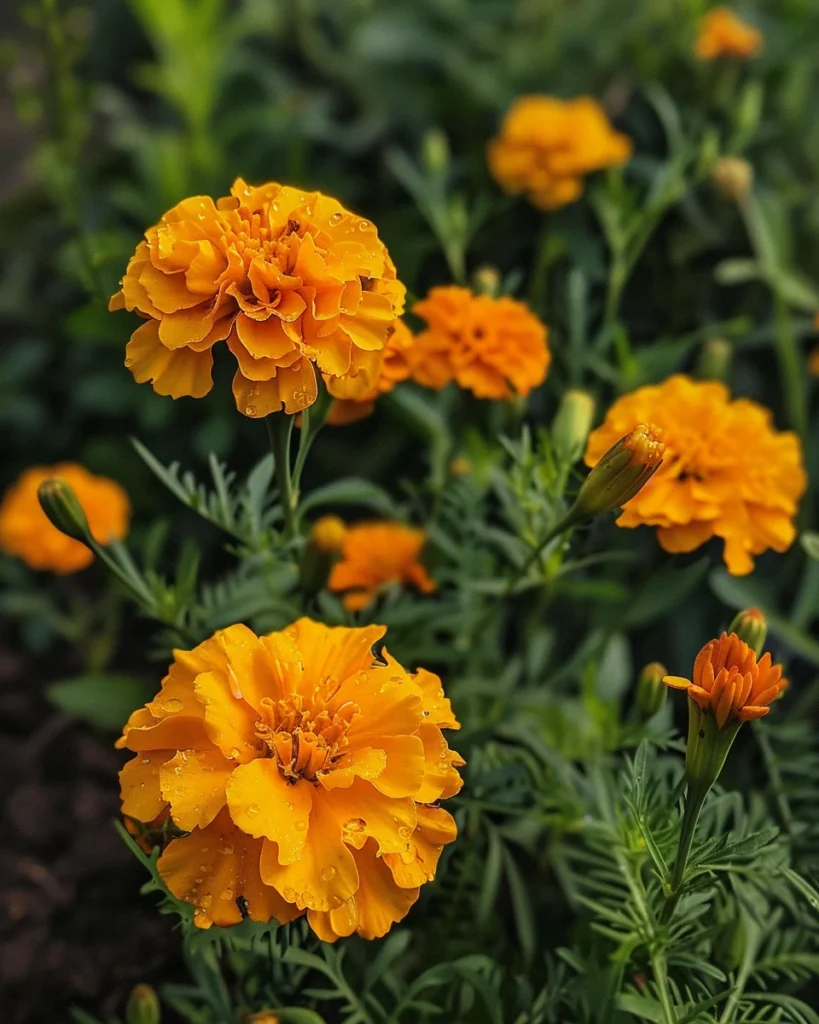
How to Grow More Marigolds Through Deadheading: When to Deadhead, Best Varieties & Care Tips
Intro for Marigold Deadheading
Marigolds are vibrant, easy-to-grow flowering plants that add cheerful splashes of gold, orange, and yellow to gardens. Deadheading—the process of removing spent blooms—is the secret to extending their flowering season and encouraging more abundant blooms. This simple maintenance technique redirects the plant’s energy from seed production back to flower production, resulting in bushier plants with more flowers. Marigolds thrive in most temperate regions and are particularly well-suited to sunny gardens with well-draining soil. With proper deadheading, these resilient annuals can provide continuous color from late spring until the first frost, making them an excellent choice for borders, containers, and vegetable gardens where they help deter pests naturally.
When to plant Marigolds
Marigolds are warm-season annuals that should be planted after all danger of frost has passed. In most temperate regions, this means waiting until soil temperatures reach at least 15-18°C (60-65°F). They’re quite frost-sensitive, so early planting without protection can lead to damage or death. In cooler climates (US Zones 3-6), wait until late spring, while in warmer regions (US Zones 7-10), you can plant marigolds as early as mid-spring. For UK gardeners, mid to late May is typically suitable for outdoor planting, while Mediterranean gardeners can often plant in April.
Best time to plant Marigolds
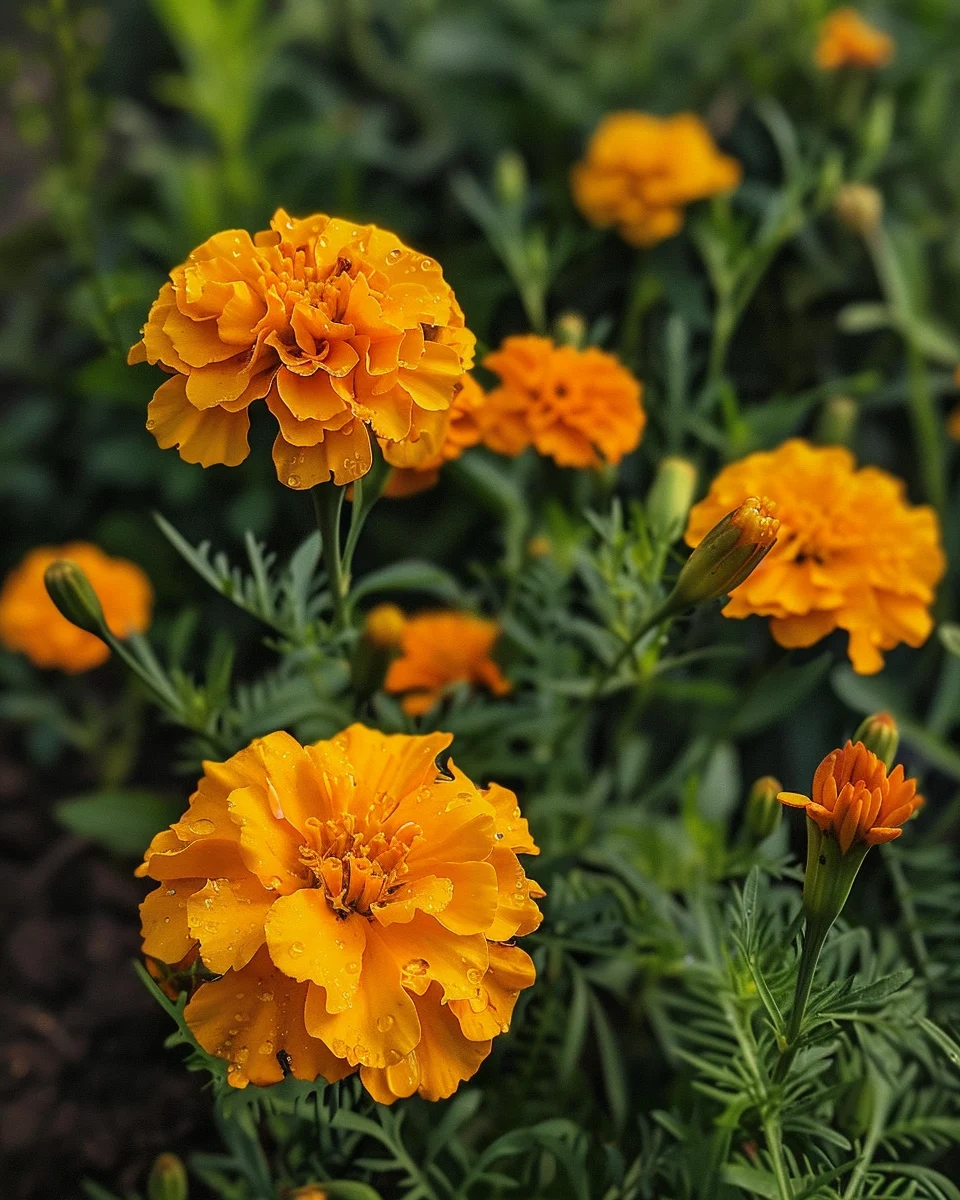
For direct sowing, plant marigold seeds when nighttime temperatures consistently stay above 10°C (50°F). In cool temperate regions, this is typically May to early June. In warm temperate regions, you can direct sow from April through July. For transplants, set out seedlings 2-3 weeks after your last expected frost date. In the UK and northern Europe, late May to early June is ideal. In southern US states and Mediterranean climates, April is usually perfect for transplanting. For continuous blooms, consider succession planting every 2-3 weeks until mid-summer.
Best Marigold varieties to grow
• French Marigolds (Tagetes patula) – Compact plants (8-12 inches) with small, densely packed flowers; excellent for borders and containers.
• African Marigolds (Tagetes erecta) – Tall varieties (up to 3 feet) with large, showy blooms; perfect for cutting gardens and dramatic displays.
• Bonanza Series – Early-blooming French marigolds with excellent heat tolerance and disease resistance.
• Gem Series (Tagetes tenuifolia) – Delicate, lacy foliage with small flowers; edible and perfect for containers.
• Durango Series – Large, anemone-type flowers on compact plants; exceptional for hot, humid conditions.
• Safari Series – Early-blooming African marigolds with large, fully double flowers; excellent for cutting.
• Disco Series – Single-flowered French marigolds that are particularly easy to deadhead and extremely floriferous.
How to plant Marigolds
Materials list:
– Marigold seeds or seedlings
– Garden trowel or dibber
– Compost or well-rotted manure
– General-purpose fertilizer
– Watering can with rose attachment
– Garden gloves
– Labels
Step-by-step:
1. Choose a sunny location with at least 6-8 hours of direct sunlight daily.
2. Prepare soil by loosening to a depth of 15 cm (6 inches) and mixing in compost.
3. For direct sowing, plant seeds 0.6 cm (¼ inch) deep and space them 5-10 cm (2-4 inches) apart.
4. For transplants, dig holes slightly larger than the root ball, spacing French marigolds 20-30 cm (8-12 inches) apart and African marigolds 30-45 cm (12-18 inches) apart.
5. Place plants at the same depth they were growing in their containers.
6. Backfill with soil and firm gently around the base of each plant.
7. Water thoroughly but gently to avoid disturbing seeds or young plants.
8. Apply a thin layer of mulch around (but not touching) the stems to conserve moisture.
9. Label varieties if planting multiple types.
10. Water regularly until plants are established, typically 1-2 weeks.
How to grow Marigolds
Marigolds thrive in full sun, requiring at least 6-8 hours of direct sunlight daily. Water regularly, keeping soil consistently moist but not waterlogged—about 2.5 cm (1 inch) of water per week, adjusting for rainfall. Allow the soil surface to dry slightly between waterings to prevent root rot. Fertilize lightly at planting time with a balanced, all-purpose fertilizer, then monthly with a low-nitrogen formula (like 5-10-10) to encourage blooming rather than leafy growth. Mulch around plants to retain moisture and suppress weeds. For container growing, use pots at least 20 cm (8 inches) deep with drainage holes, filled with quality potting mix. Container marigolds may need more frequent watering, especially during hot weather—check daily and water when the top 2.5 cm (1 inch) of soil feels dry.
Caring for Marigolds
The most important ongoing task for marigolds is deadheading. Pinch or cut spent flowers just above the first set of leaves below the bloom. This encourages branching and new flower production. Watch for aphids, which can be dislodged with a strong spray of water, and slugs, which can be controlled with diatomaceous earth barriers. Leaf spots and powdery mildew may appear in humid conditions—improve air circulation by thinning plants and avoid overhead watering. Spider mites can be problematic in hot, dry conditions—mist plants regularly to discourage them. Harvest marigold flowers for arrangements in the morning when stems are turgid, selecting blooms that are just fully opened. For seed saving, allow some late-season flowers to dry completely on the plant before collecting.
Understanding bolting in Marigolds
Unlike many garden plants, marigolds don’t technically bolt since they’re grown specifically for their flowers. However, they do undergo a natural lifecycle transition from flowering to seed production. This process is triggered by age, decreasing day length in late summer, and environmental stress like drought or extreme heat. To maintain continuous blooming, regular deadheading is essential—it tricks the plant into thinking it hasn’t successfully reproduced yet. If your marigolds begin focusing more on seed production despite deadheading, it may indicate stress or simply the natural end of their productive season. In this case, you can either continue deadheading to extend blooming as long as possible or allow some flowers to go to seed for collection and next year’s planting.
Why does Marigold flowering slow down?
• Insufficient deadheading – Plants are putting energy into seed production; solution: remove spent blooms promptly.
• Nutrient deficiency – Especially phosphorus; solution: apply a bloom-boosting fertilizer (high middle number).
• Inadequate sunlight – Less than 6 hours daily; solution: transplant to a sunnier location if possible.
• Overcrowding – Plants competing for resources; solution: thin plants to recommended spacing.
• Drought stress – Inconsistent watering; solution: maintain even soil moisture with regular watering and mulch.
Companion planting for Marigolds
Good companions include tomatoes, as marigolds repel nematodes and tomato hornworms; cucumbers, where marigolds deter cucumber beetles; roses, because marigolds help control aphids; basil, creating a pest-confusing aromatic combination; and beans, which benefit from marigold’s ability to repel Mexican bean beetles. Avoid planting marigolds near cabbage and related crops, as they can attract cabbage moths that damage these vegetables. Also, keep some distance between marigolds and beans if using French marigolds specifically, as they can sometimes inhibit bean growth despite African marigolds being beneficial.
Seasonal calendar
• February-March: Start seeds indoors in warm regions; prepare garden beds.
• April: Start seeds indoors in cool regions; direct sow in warm regions; begin deadheading early indoor-started plants.
• May: Transplant seedlings after frost danger passes; direct sow in cool regions.
• June-August: Regular deadheading (2-3 times weekly); water during dry spells; monthly light fertilization.
• September: Continue deadheading; allow some flowers to go to seed for collection.
• October-November: Collect seeds from dried flower heads; remove plants after frost in cold regions.
• Year-round: In frost-free regions, marigolds can be grown and deadheaded continuously, with new plantings every 3-4 months.
Problems & solutions
| Problem | Quick Fix |
|---|---|
| Few flowers despite healthy foliage | Increase deadheading frequency and apply phosphorus-rich fertilizer |
| Leggy, sparse plants | Ensure full sun conditions and pinch back young plants to encourage branching |
| Yellowing leaves | Check for overwatering; improve drainage and reduce watering frequency |
| Flowers not opening fully | Check for botrytis (gray mold); improve air circulation and avoid overhead watering |
| Stunted growth | Test soil for nutrient deficiencies; amend with balanced organic fertilizer |
| Flowers dying quickly after deadheading | Water more deeply and consistently; apply mulch to retain moisture |
| Plants stop flowering in mid-summer | Cut back by one-third, fertilize lightly, and water well to rejuvenate |
Common questions about growing Marigolds
How often should I deadhead my marigolds?
Deadhead every 2-3 days during peak flowering season, checking plants carefully for spent blooms that are beginning to fade or turn brown.
What’s the proper technique for deadheading marigolds?
Pinch or cut the flower stem just above the first set of leaves below the bloom, removing the entire flower head and a small portion of stem.
Can I grow marigolds in partial shade?
Marigolds can tolerate partial shade (4-6 hours of sun), but they’ll produce fewer flowers and may become leggy; full sun is strongly preferred for abundant blooming.
How large should containers be for marigolds?
Use containers at least 20 cm (8 inches) deep and wide for French or Gem marigolds; African marigolds need pots at least 30 cm (12 inches) deep and wide.
Can I save seeds from deadheaded marigolds?
No, deadheaded flowers haven’t matured enough to produce viable seeds; to save seeds, leave some flowers on the plant until they’re completely dry and brown.
Will deadheading extend my marigolds’ blooming season?
Yes, regular deadheading can extend blooming by 4-8 weeks, often keeping plants flowering until the first frost in temperate regions.
Should I deadhead marigolds differently in hot weather?
In extreme heat, deadhead in the morning or evening, and consider cutting plants back by one-third if they become stressed, watering thoroughly afterward to stimulate new growth.