
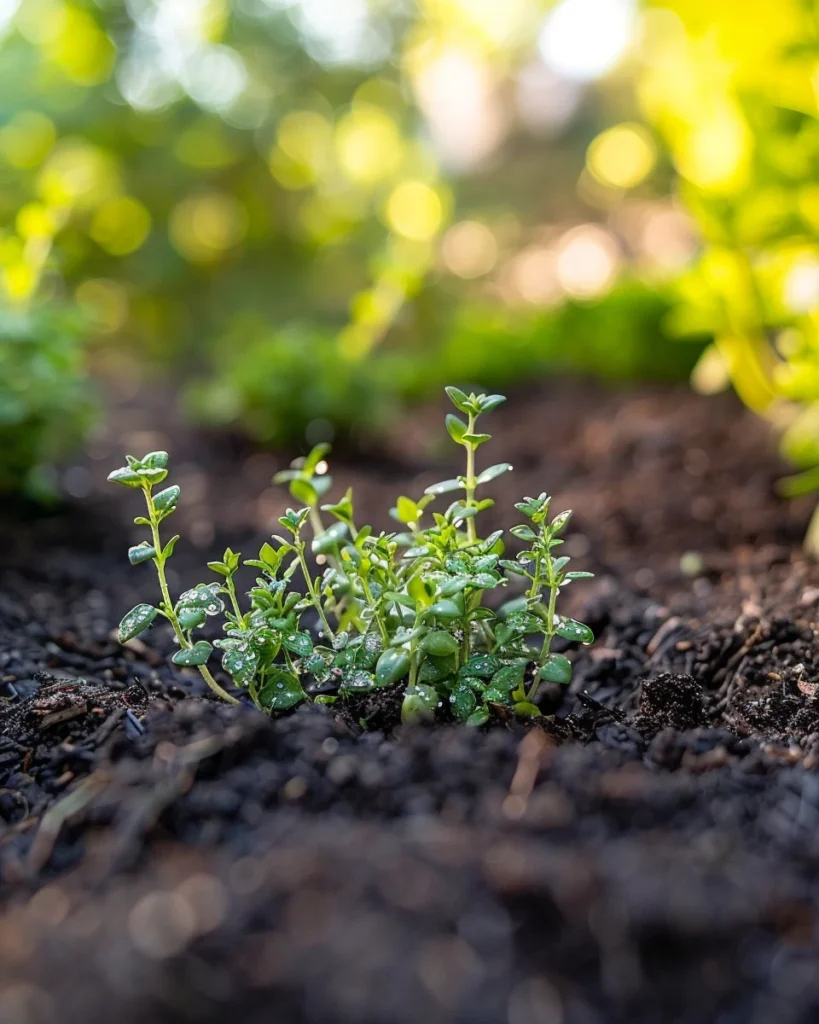
How to Grow Thyme in Poor Soil: A Complete Guide for Tough Garden Conditions
Intro for growing thyme in poor soil
Thyme (Thymus vulgaris) is a resilient Mediterranean herb that actually thrives in challenging growing conditions. This aromatic perennial is perfect for gardeners dealing with poor, rocky, or sandy replica watches soil where other plants struggle. With its woody stems, tiny fragrant leaves, and delicate flowers, thyme not only adds flavor to your cooking but also attracts pollinators and serves as an attractive ground cover. Its ability to flourish in lean soil with minimal care makes it an excellent choice for low-maintenance gardens, drought-prone areas, and even neglected spots where little else will grow.
When to plant thyme in poor soil
Thyme is best planted when soil temperatures have warmed to at least 21°C (70°F), typically 2-3 weeks after the last spring frost. In temperate regions, this usually falls between mid-spring and early summer. Thyme is extremely frost-hardy once established (surviving down to -20°C/-4°F in many varieties), but replica watches UK young plants need protection from harsh conditions. In Mediterranean or warm southern climates, fall planting is also successful, giving roots time to establish before summer heat arrives. For poor soil situations, timing is less critical than for fussier plants, as thyme’s drought tolerance makes it forgiving even during less-than-ideal planting windows.
Best time to plant thyme in poor soil
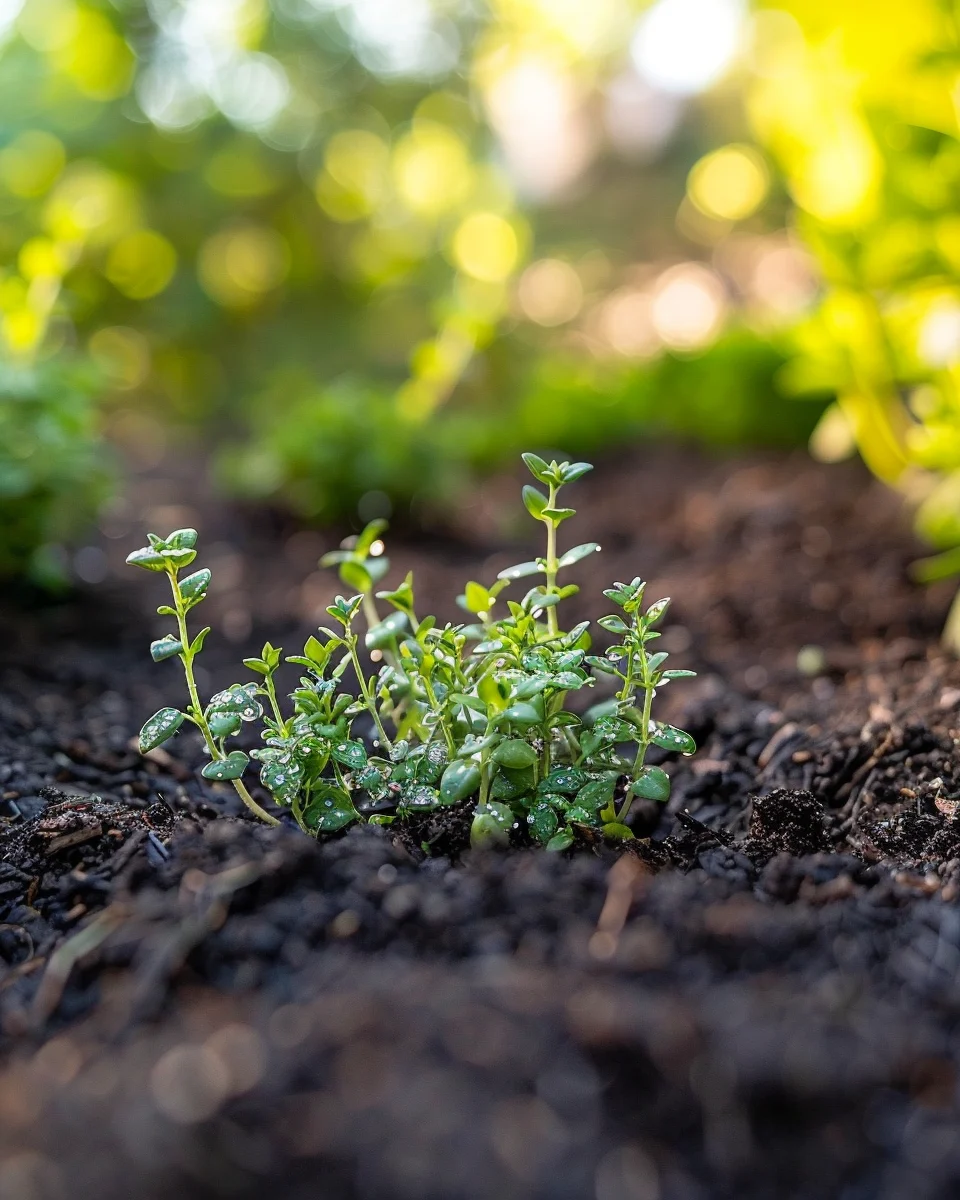
In cool temperate regions (UK, Northern US, Canada), plant thyme between April and June when soil has warmed and frost danger has passed. In warm regions (US zones 8-10, Mediterranean areas), September to November offers ideal planting conditions, allowing roots to develop during mild winter months. For very poor soil conditions, spring planting is generally preferable across all regions, as the plant will have a full growing season to establish before facing winter stresses. Direct sowing seeds works best in April-May, while transplants can be set out slightly earlier, from March through June in most climates.
Best thyme varieties to grow in poor soil
- Common Thyme (Thymus vulgaris) – The standard culinary variety with excellent drought tolerance and the most adaptable to poor soils.
- Creeping Thyme (Thymus serpyllum) – Forms a low mat ideal for ground cover in poor soil areas, with pretty pink flowers that attract pollinators.
- Lemon Thyme (Thymus citriodorus) – Offers bright citrus notes while maintaining excellent drought resistance and poor soil tolerance.
- Woolly Thyme (Thymus pseudolanuginosus) – Extremely drought-tolerant with fuzzy gray foliage, perfect for the poorest, driest soils.
- ‘Elfin’ Thyme – Ultra-compact variety (2cm/1in tall) that forms tight mats in poor soil and withstands foot traffic.
- ‘Silver Queen’ – Variegated foliage adds visual fausses montres Rolex interest while thriving in lean, alkaline soils.
- ‘Archer’s Gold’ – Golden foliage brightens poor soil areas with excellent heat and drought tolerance.
How to plant thyme in poor soil
Materials needed:
- Thyme plants or seeds
- Coarse sand or fine gravel
- Small amount of compost
- Trowel
- Watering can with fine rose attachment
- Limestone chips (for very acidic soils)
Step-by-step planting:
- Select a site with full sun exposure and excellent drainage – slopes or raised areas are ideal for poor soil situations.
- Clear the area of weeds and large stones, but don’t worry about amending the soil extensively – thyme prefers poor conditions.
- If your soil is heavy clay, mix in coarse sand or fine gravel to improve drainage (about 30% by volume).
- For extremely poor soil, add just a small amount of compost (no more than 10% of the planting mix) – too much fertility will reduce flavor intensity and winter hardiness.
- If soil pH is below 6.0, add crushed limestone to raise pH, as thyme prefers neutral to slightly alkaline conditions.
- For transplants, dig holes spaced 20-30cm (8-12in) apart and just deep enough to accommodate the root ball.
- For seeds, barely cover with soil (they need light to germinate) and space 5cm (2in) apart, thinning later.
- Water thoroughly after planting, then allow soil to dry completely before watering again.
- Add a light mulch of fine gravel or limestone chips around plants to suppress weeds and reflect heat onto the plants.
How to grow thyme in poor soil
Thyme requires full sunlight (at least 6-8 hours daily) to develop proper flavor and compact growth. In poor soil conditions, water only when the soil is completely dry to a depth of 5cm (2in) – typically every 2-3 weeks once established, and even less frequently during cool seasons. Avoid fertilizing thyme in poor soil; additional nutrients actually reduce essential oil content and winter hardiness. If growth appears extremely stunted, apply only a very dilute (quarter-strength) organic fertilizer once in early spring. Prune plants back by one-third after flowering to prevent woodiness and encourage bushy growth. For container growing in poor soil, use a mix of 70% coarse sand or fine gravel with 30% potting soil in containers with ample drainage holes. Containers should be at least 15cm (6in) deep but can be relatively narrow, as thyme has a modest root system.
Caring for thyme in poor soil
Ongoing care for thyme in poor soil is minimal. Trim plants lightly throughout the growing season to encourage bushiness and prevent flowering if you want continued leaf production. Watch for signs of root rot (wilting despite moist soil) which indicates drainage problems – remedy by raising the planting area or adding more drainage material. Thyme rarely suffers from pests in poor soil conditions, but occasionally spider mites may appear during hot, dry periods – treat with a strong spray of water or insecticidal soap if necessary. Harvest thyme year-round by snipping stems just before flowering for maximum flavor intensity. In very cold regions, provide winter protection with a light mulch of gravel rather than organic materials, which can hold excessive moisture. For storage, dry sprigs by hanging in bunches in a warm, dark location, then strip leaves and store in airtight containers for up to a year.
Understanding bolting in thyme
Unlike many herbs, thyme doesn’t truly “bolt” in the traditional sense of rapid flowering followed by decline. Thyme naturally flowers in summer, which doesn’t significantly affect leaf quality. However, older plants (3+ years) may become woody and less productive, resembling bolting symptoms. This is triggered by age rather than environmental stress. To prevent excessive woodiness, prune plants back by one-third after flowering each year. If plants become too woody despite regular pruning, rejuvenate by cutting back to 5cm (2in) above ground level in early spring. In very poor soil conditions, extreme heat and drought can cause premature flowering – provide minimal supplemental water during extended dry periods to maintain vegetative growth.
Why does thyme turn bitter?
- Excessive fertility: Too much nitrogen causes rapid, bitter growth – avoid fertilizing thyme in poor soil.
- Insufficient sunlight: Shade causes leggy, bitter growth – ensure plants receive 6+ hours of direct sun daily.
- Improper harvest timing: Harvest before full flowering for best flavor; leaves can become slightly bitter after bloom.
- Age: Very old stems develop tough, bitter leaves – regularly prune to encourage new growth.
- Variety selection: Some varieties naturally have stronger, more pungent flavors – try milder types like lemon thyme if bitterness is an issue.
Companion planting for thyme in poor soil
Good companions:
- Rosemary – Shares similar poor soil and drought requirements while repelling different pest insects.
- Lavender – Complements thyme’s soil and water needs while attracting beneficial pollinators.
- Sage – Another Mediterranean herb that thrives in the same poor soil conditions.
- Strawberries – Thyme helps deter worms and beetles while strawberries provide ground shade that keeps thyme roots cool.
- Brassicas (cabbage family) – Thyme repels cabbage worms and other pests that attack these vegetables.
Avoid planting near:
- Moisture-loving herbs (basil, cilantro, parsley) – Their watering needs conflict with thyme’s drought preference.
- Heavy feeders (tomatoes, cucumbers) – These plants require rich soil that would reduce thyme’s essential oil content.
Seasonal calendar
- January-February: Plan varieties; order seeds; minimal care for established plants.
- March: Start seeds indoors in cool regions; prune established plants back by one-third.
- April: Direct sow in warm regions; prepare planting sites; last chance for major pruning.
- May: Plant out seedlings or purchased plants; direct sow in cooler regions.
- June: Begin regular harvesting; ensure adequate spacing as plants grow.
- July-August: Flowering period; harvest before bloom for culinary use; minimal watering even during heat.
- September: Take cuttings for propagation; light pruning to shape plants.
- October: Last major harvest in cold regions; plant in warm regions.
- November: Add gravel mulch for winter protection in cold areas.
- December: Minimal maintenance; harvest sparingly from indoor or protected plants.
Problems & solutions
| Problem | Quick Fix |
|---|---|
| Leggy, sparse growth | Increase sunlight; prune back by one-third to encourage bushiness |
| Yellowing leaves | Likely overwatering – allow soil to dry completely between waterings |
| Root rot/wilting | Improve drainage immediately with coarse sand or gravel; move to a raised position |
| Woody, unproductive center | Hard prune to 5cm above ground in early spring to rejuvenate |
| Winter dieback | Add gravel mulch for protection; avoid organic mulches that hold moisture |
| Spider mites (tiny webs, stippled leaves) | Spray with strong water jet or insecticidal soap; increase air circulation |
Common questions about growing thyme in poor soil
How often should I water thyme in poor soil?
Water only when the top 5cm (2in) of soil is completely dry, typically every 2-3 weeks during growing season and much less in winter. In poor soil, thyme actually prefers underwatering to overwatering.
Can thyme grow in full shade?
No, thyme requires at least 6 hours of direct sunlight daily to develop proper flavor and compact growth. In poor soil conditions, full sun becomes even more critical for plant health.
What size container works for growing thyme?
A 15-20cm (6-8in) pot is sufficient for a single thyme plant. Ensure excellent drainage with multiple holes and use a primarily mineral-based growing medium rather than rich potting soil.
How far apart should I space thyme plants?
Space plants 20-30cm (8-12in) apart in poor soil conditions. While thyme is compact, allowing good air circulation prevents fungal issues in challenging conditions.
Can thyme survive winter in poor soil?
Yes, established thyme is extremely cold-hardy (to -20°C/-4°F in many varieties). In poor soil, winter hardiness actually improves as plants develop tougher, more concentrated growth than in rich soil.
How often can I harvest thyme without harming the plant?
Harvest up to one-third of the plant’s growth every 2-3 weeks during the growing season. In poor soil conditions, limit major harvests to once monthly to allow adequate recovery time.
Should I add compost to improve poor soil for thyme?
Contrary to most plants, thyme actually prefers poor, lean soil. Add minimal or no compost – at most 10% by volume mixed with mineral soil. Too much fertility reduces essential oil content and winter hardiness.