

Creative Ways to Use Excess Rosemary: When to Harvest, Best Preservation Methods & Practical Uses
Intro for Too Much Rosemary don’t Toss It Do this Instead
Rosemary (Rosmarinus officinalis) is a prolific Mediterranean herb that often produces more than gardeners can use in everyday cooking. This aromatic evergreen perennial, with its needle-like leaves and distinctive pine-like fragrance, can quickly grow from a small plant into a substantial shrub yielding abundant harvests. Rather than discarding excess rosemary, there are numerous practical and creative ways to utilize this versatile herb. From preservation techniques and household applications to beauty products and garden benefits, surplus rosemary offers opportunities to enhance your home, health, and garden. This guide explores the many ways to make the most of your rosemary bounty across all seasons.
When to harvest Too Much Rosemary don’t Toss It Do this Instead
Rosemary can be harvested year-round in mild temperate regions (USDA zones 8-10), though growth slows during winter months. In cooler climates (zones 6-7), harvest heavily before the first frost if growing rosemary as an annual. The best time for major harvesting is mid-morning after dew has dried but before the heat of the day causes volatile oils to dissipate. For optimal flavor, harvest before flowering when oil concentration is highest, typically when soil temperatures are between 18-24°C (65-75°F). In frost-prone areas, consider a final substantial harvest in late autumn before bringing plants indoors or providing winter protection.
Best time to plant Too Much Rosemary don’t Toss It Do this Instead
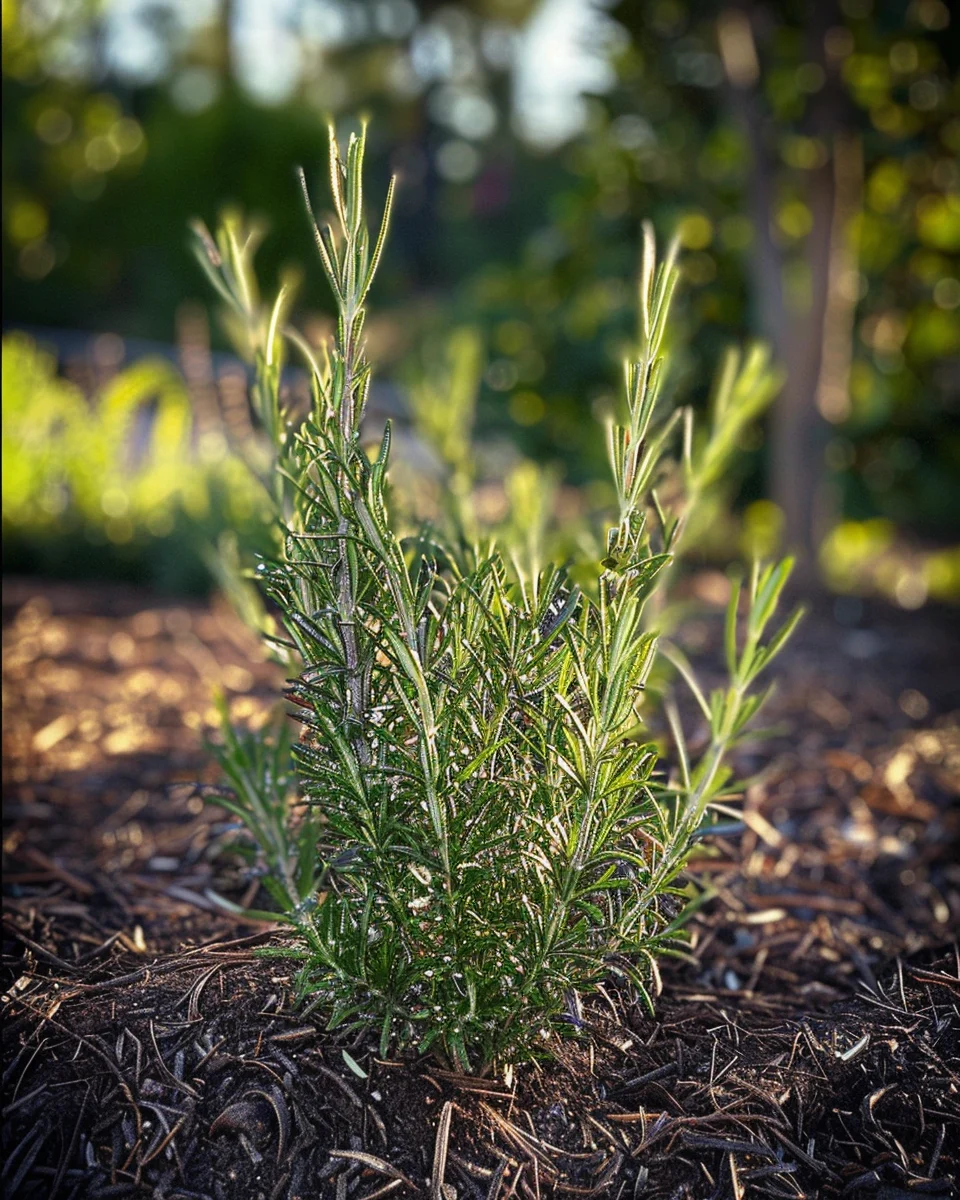
For warm climates (zones 8-10), plant rosemary in fall or early spring when temperatures range between 10-21°C (50-70°F) to establish roots before summer heat. In cooler regions (zones 6-7), plant in spring after the last frost date, typically April to May. Transplants are generally more successful than direct sowing, as rosemary seeds have low germination rates and develop slowly. For container growing in cold regions, plant in early spring outdoors, then move containers inside before winter. Mediterranean and coastal areas can successfully plant rosemary almost year-round, avoiding only the hottest summer months when establishment is difficult.
Best Too Much Rosemary don’t Toss It Do this Instead varieties to grow
• ‘Tuscan Blue’ – Upright growth with strong flavor, perfect for cooking and drying in large quantities.
• ‘Arp’ – Exceptional cold hardiness (to zone 6), allowing for year-round harvests in cooler climates.
• ‘Prostrate’ (Creeping Rosemary) – Low-growing variety that produces abundant harvests for ground cover areas.
• ‘Barbecue’ – Produces straight, sturdy stems ideal for use as grilling skewers when you have excess.
• ‘Gorizia’ – Large-leaved variety that yields more usable material per cutting, excellent for oil extraction.
• ‘Salem’ – Compact variety with high oil content, making it perfect for crafts and aromatherapy projects.
• ‘Blue Boy’ – Dwarf variety ideal for container growing, providing manageable harvests for small spaces.
How to plant Too Much Rosemary don’t Toss It Do this Instead
Materials list:
– Rosemary seedlings or cuttings
– Well-draining soil or potting mix
– Compost or aged manure
– Coarse sand or perlite
– Watering can
– Mulch (gravel or pebbles preferred)
– Pruning shears
– Containers with drainage holes (if container planting)
Step-by-step:
1. Select a location with full sun (6+ hours daily) and excellent drainage, as rosemary is prone to root rot in wet conditions.
2. Prepare soil by mixing garden soil with 30% coarse sand or perlite and 10% compost to create a fast-draining, moderately fertile medium.
3. Dig holes twice as wide as the root ball and at the same depth as the original container.
4. Space plants 60-90 cm (24-36 inches) apart to allow for mature growth and good air circulation.
5. Remove plants from containers, gently loosen root balls, and place in prepared holes at the same depth as they were growing previously.
6. Backfill with prepared soil mixture, firming gently around the roots without compacting.
7. Water thoroughly but avoid saturating the soil.
8. Apply a 5 cm (2-inch) layer of inorganic mulch like gravel or pebbles around plants, keeping it away from stems.
9. For container planting, use a pot at least 30 cm (12 inches) in diameter with excellent drainage holes.
10. Trim back about one-third of the foliage to encourage bushier growth and reduce transplant shock.
How to grow Too Much Rosemary don’t Toss It Do this Instead
Rosemary thrives in full sunlight, requiring at least 6-8 hours of direct sun daily for optimal growth and oil production. Water established plants deeply but infrequently, allowing the top 5 cm (2 inches) of soil to dry out between waterings. During hot periods, water approximately once weekly, while in cooler seasons, reduce to every 2-3 weeks. Fertilize sparingly—a light application of balanced organic fertilizer in spring is sufficient, as excessive nutrients reduce essential oil concentration and aromatic qualities. Use inorganic mulch like gravel rather than organic materials to prevent moisture retention near the crown. Prune regularly to maintain shape and encourage bushy growth, removing up to one-third of the plant several times yearly. For container growing, use terracotta pots that breathe and dry quickly, and move indoors before temperatures drop below -7°C (20°F) in winter, placing near a south-facing window with at least 4 hours of direct sunlight.
Caring for Too Much Rosemary don’t Toss It Do this Instead
Regular maintenance includes light pruning every 6-8 weeks during the growing season to prevent woodiness and encourage fresh growth. Watch for powdery mildew, particularly in humid conditions or with poor air circulation; treat by improving ventilation and applying a baking soda solution (1 tablespoon in 1 gallon water with a few drops of liquid soap). Spider mites may appear during hot, dry periods—identify by fine webbing and stippled leaves; control with strong water sprays or insecticidal soap applications. Root rot is common in overly wet conditions; prevent by ensuring excellent drainage and avoiding overwatering. Harvest regularly by cutting stems 10-15 cm (4-6 inches) long, never removing more than one-third of the plant at once. For storage, dry bundles upside down in a dark, well-ventilated area for 1-2 weeks, then strip leaves from stems and store in airtight containers for up to a year.
Understanding bolting in Too Much Rosemary don’t Toss It Do this Instead
Unlike many herbs, rosemary doesn’t truly bolt in the traditional sense. Flowering in rosemary is a natural part of its growth cycle, typically occurring in late winter to early spring, and doesn’t negatively impact flavor. These flowers are edible and attractive to pollinators. However, excessive flowering can divert energy from leaf production. If you prefer to maximize leaf growth, pinch off flower buds as they appear. Stress factors like drought, extreme heat, or nutrient deficiencies can trigger more prolific flowering. To maintain vegetative growth, provide consistent moisture (without overwatering), moderate fertilization, and regular pruning. If your plant flowers extensively, harvest the blossoms for culinary use or to make rosemary-infused honey, and continue regular pruning to encourage new leaf growth.
Why does Too Much Rosemary don’t Toss It Do this Instead turn bitter?
• Age of leaves: Older, woody stems produce more resinous, bitter-tasting leaves; harvest younger, tender growth for milder flavor.
• Excessive heat exposure: Plants grown in extremely hot conditions can develop more intense, sometimes bitter compounds; provide afternoon shade in very hot climates.
• Improper drying: Drying at high temperatures or in direct sunlight can cause volatile oils to break down, creating bitter notes; dry in shade or low temperatures.
• Overfertilization: Excess nitrogen causes rapid, weak growth with diminished oil quality; reduce fertilizer application to once yearly.
• Improper storage: Dried rosemary stored in warm, bright conditions degrades quickly; store in cool, dark places in airtight containers.
Companion planting for Too Much Rosemary don’t Toss It Do this Instead
Rosemary grows well alongside sage, thyme, and lavender as they share similar Mediterranean growing requirements and don’t compete aggressively. Plant near cabbage family crops (broccoli, cauliflower, cabbage) where rosemary’s strong scent helps repel cabbage moths and other pests. Carrots benefit from rosemary’s ability to deter carrot flies, while beans gain protection from certain beetles. Rosemary also supports beneficial insects that prey on garden pests. Avoid planting near pumpkins or squash, as these sprawling plants can create too much shade and humidity for rosemary. Keep away from potatoes, as both compete for similar nutrients and can increase disease susceptibility in each other.
Seasonal calendar
• January-February: Minimal harvesting in cold regions; indoor plant maintenance; plan spring propagation.
• March-April: Begin light harvesting of new growth; fertilize lightly; take cuttings for propagation; plant new specimens after last frost.
• May-June: Increase harvesting as growth accelerates; prune to shape; monitor for pests in warm weather.
• July-August: Regular harvesting for fresh use; provide extra water during heat waves; take semi-hardwood cuttings.
• September-October: Heavy harvesting for preservation; final shaping prune before winter; plant new specimens in warm regions.
• November-December: Reduce watering; protect plants in cold regions; harvest for holiday cooking and crafts.
Problems & solutions
| Problem | Quick Fix |
|---|---|
| Yellowing leaves | Check drainage; reduce watering frequency; ensure soil isn’t waterlogged |
| Sparse, leggy growth | Increase sunlight exposure; prune back by one-third to encourage bushiness |
| Brown, dry leaf tips | Increase humidity slightly; protect from drying winds; ensure consistent watering |
| White powdery coating on leaves | Improve air circulation; spray with diluted milk solution (1:10 ratio with water) |
| Woody, unproductive center | Prune heavily to rejuvenate; propagate new plants from healthy cuttings |
| Winter dieback | Protect with breathable cover during freezes; plant in sheltered location; select cold-hardy varieties |
| Few usable leaves | Increase sunlight; reduce nitrogen fertilizer; harvest more frequently to encourage new growth |
Common questions about growing Too Much Rosemary don’t Toss It Do this Instead
How can I preserve large amounts of rosemary?
Beyond traditional drying, freeze rosemary in ice cube trays with olive oil, make rosemary salt by processing with coarse sea salt, or infuse in vinegar or honey. For long-term storage, dried rosemary keeps for 6-12 months in airtight containers stored in cool, dark locations.
Can I use rosemary stems for anything?
Woody stems make excellent aromatic skewers for grilling, natural fire starters for fireplaces, or can be bundled as fragrant kindling. Strip leaves first for cooking, then save stems for these alternative uses.
How can I use rosemary around the house?
Create potpourri, simmer pots, or homemade cleaning products. Bundle dried stems for natural moth repellents in closets or drawers. Infuse in witch hazel for a natural room spray or surface cleaner with antibacterial properties.
Is rosemary useful in the garden beyond cooking?
Use pruned branches as natural mulch around plants susceptible to pests, create insect-repellent sprays by steeping in water, or plant strategically as a companion plant. Rosemary also makes an excellent barrier plant or low hedge in suitable climates.
Can I propagate new plants from my excess rosemary?
Absolutely! Take 10-15 cm (4-6 inch) cuttings from semi-hardwood stems, remove lower leaves, dip in rooting hormone, and plant in a well-draining medium. Keep lightly moist until rooted (3-6 weeks), then share with friends or expand your garden.
How can I use rosemary flowers?
Harvest the edible blue flowers to garnish salads, desserts, or cocktails. They can also be crystallized with sugar for cake decorations or dried with the leaves for tea blends. Rosemary flowers make beautiful additions to homemade soaps or bath products.
Can rosemary be used for beauty and personal care?
Infuse in carrier oils for hair rinses, scalp treatments, or massage oils. Add to homemade soaps, scrubs, or bath salts. Create tinctures for skin toners or hair growth stimulants. Always test for skin sensitivity before widespread application.