

How to Grow Rosemary Under Grow Lights: Complete Indoor Herb Garden Guide
Intro for growing rosemary under grow lights
Rosemary (Rosmarinus officinalis) is a fragrant Mediterranean herb that adds distinctive flavor to countless dishes. While traditionally grown outdoors in sunny locations, modern grow light technology makes it possible to cultivate this aromatic perennial indoors year-round. Growing rosemary under grow lights allows you to enjoy fresh sprigs regardless of climate or season, providing a consistent supply of this culinary staple. Indoor cultivation also protects plants from extreme temperatures and pest issues common in outdoor gardens. With proper lighting, containers, and care, you can successfully grow robust rosemary plants that rival their outdoor counterparts in flavor and aroma.
When to plant rosemary under grow lights
One of the greatest advantages of growing rosemary under grow lights is freedom from seasonal constraints. Unlike outdoor cultivation, which requires waiting until soil temperatures reach 18-21°C (65-70°F) in spring, indoor rosemary can be started any time of year. However, many gardeners find autumn or winter ideal for starting indoor rosemary, as this provides fresh herbs during months when outdoor herbs are dormant or unavailable. If propagating from cuttings, allow 2-3 weeks for rooting before placing under grow lights. For seeds, germination typically requires 14-21 days at temperatures between 18-24°C (65-75°F).
Best time to plant rosemary under grow lights
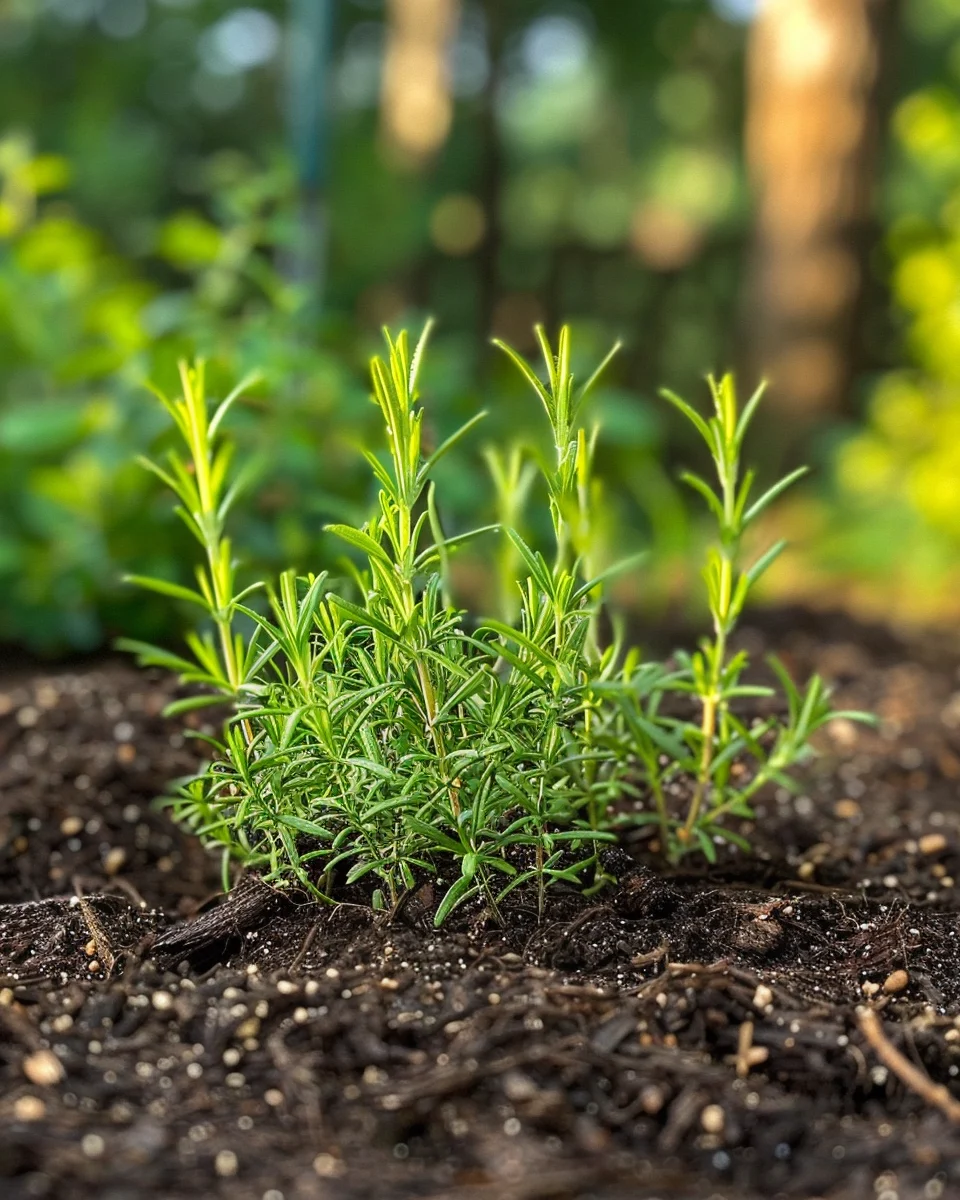
While you can technically start rosemary under grow lights any time, certain timing considerations can improve success. For those in cooler climates (US Zones 3-6, UK northern regions), starting rosemary indoors in January or February provides established plants by spring. In warmer regions (US Zones 7-10, Mediterranean areas), September through November works well for indoor starts. If propagating from cuttings, which is generally more successful than seeds, take 4-6 inch cuttings in spring or early summer when the plant is actively growing. For seed starting, allow 2-3 months from sowing to having usable plants, regardless of when you begin.
Best rosemary varieties to grow under lights
- Arp – Exceptionally cold-hardy variety that adapts well to indoor conditions with compact growth habit ideal for containers.
- Tuscan Blue – Produces upright stems with broad leaves containing high essential oil content, making it excellent for culinary use.
- Blue Boy – Dwarf variety reaching only 24 inches, perfect for limited indoor spaces while maintaining full flavor profile.
- Spice Islands – Features dark green foliage with intense flavor, growing more compactly than other varieties under artificial lighting.
- Prostrate Rosemary – Trailing habit makes it visually interesting in hanging containers while requiring less vertical space under lights.
- Gorizia – Large-leaved variety with mild flavor that grows vigorously even under artificial lighting conditions.
- Barbecue – Produces straight, sturdy stems ideal for use as skewers, with excellent response to pruning under grow lights.
How to plant rosemary under grow lights
Materials needed:
- Rosemary seeds or cuttings
- Well-draining potting mix (or 2:1:1 mix of potting soil, perlite, and coarse sand)
- 6-8 inch (15-20 cm) containers with drainage holes
- LED or full-spectrum fluorescent grow lights
- Timer for lights
- Small fan for air circulation
- Rooting hormone (if using cuttings)
- Spray bottle for misting
- pH meter (optional)
Step-by-step planting:
- Prepare your container with well-draining potting mix, leaving 1 inch (2.5 cm) of space at the top.
- For seeds: Scatter seeds lightly on the surface and cover with a thin layer (⅛ inch/3 mm) of soil; mist gently.
- For cuttings: Dip the cut end in rooting hormone, then insert into moist soil about 2 inches (5 cm) deep.
- Position grow lights 6-12 inches (15-30 cm) above the plant surface, adjusting height as plants grow.
- Set timer to provide 14-16 hours of light daily, simulating long summer days.
- Maintain ambient temperature between 65-70°F (18-21°C) for optimal growth.
- Place a small fan nearby on low setting to provide gentle air circulation, strengthening stems.
- Water sparingly until established, keeping soil just barely moist but never soggy.
- Once seedlings reach 2 inches (5 cm) tall, thin to one plant per container or transplant to individual pots.
How to grow rosemary under grow lights
Successful rosemary cultivation under grow lights requires careful attention to light intensity and duration. Position LED or full-spectrum fluorescent lights 6-12 inches (15-30 cm) above plants, providing 14-16 hours of light daily. As plants grow, adjust height to maintain this distance. Rosemary prefers drying out between waterings—water only when the top inch (2.5 cm) of soil feels dry, typically every 7-10 days. Fertilize sparingly with half-strength balanced liquid fertilizer once monthly during active growth periods. Humidity management is crucial; use a small fan for air circulation to prevent fungal issues. For container growing, choose pots at least 8 inches (20 cm) deep with excellent drainage. Add a layer of pebbles or broken pottery at the container bottom to prevent waterlogging. Prune regularly to encourage bushier growth and prevent legginess that commonly occurs under artificial lighting.
Caring for rosemary under grow lights
Maintain rosemary by checking soil moisture weekly, allowing the top 1-2 inches (2.5-5 cm) to dry completely between waterings. Rotate plants weekly for even light exposure. Prune regularly, removing up to one-third of growth to maintain shape and stimulate new growth. Watch for powdery mildew, which appears as white powder on leaves—treat immediately by improving air circulation and applying neem oil. Spider mites, appearing as tiny specks with fine webbing, can be controlled with insecticidal soap sprays. Yellowing lower leaves typically indicate overwatering; reduce frequency immediately. Harvest rosemary any time by snipping 2-3 inch (5-7.5 cm) sprigs, but never remove more than one-third of the plant at once. For storage, refrigerate fresh sprigs wrapped in damp paper towels for up to two weeks, or dry bundles by hanging upside down in a dark, well-ventilated area for two weeks before storing in airtight containers.
Understanding bolting in rosemary under grow lights
Bolting refers to a plant’s premature flowering and seed production, typically triggered by stress. While rosemary doesn’t bolt in the traditional sense like leafy greens, it can experience similar stress responses under artificial lighting. Inconsistent light schedules, particularly interruptions during the dark period, can trigger unwanted flowering. Extreme temperature fluctuations, especially if plants are positioned near heating vents or cold windows, may also induce premature flowering. If your rosemary begins flowering too early, maintain a consistent light schedule and temperature. Unlike true bolting plants, flowering rosemary remains usable—the flowers are edible with a milder flavor than the leaves. However, excessive flowering diverts energy from foliage production, so pinch off flower buds if your primary goal is leaf production.
Why does rosemary under grow lights turn bitter?
- Insufficient light intensity – Increase brightness or move lights closer (6-8 inches/15-20 cm from plant tops).
- Irregular watering patterns – Establish consistent watering schedule allowing soil to dry between waterings.
- Nutrient imbalance – Reduce fertilizer to half-strength and apply monthly rather than weekly.
- Heat stress – Ensure grow lights don’t generate excessive heat; use LED lights which run cooler.
- Age of leaves – Harvest younger growth for milder flavor; older leaves naturally contain more concentrated oils.
Companion planting for rosemary under grow lights
Even in indoor settings under grow lights, companion planting principles apply. Grow rosemary alongside sage, thyme, and oregano as they share similar light, water, and humidity requirements. Chives complement rosemary well, as their different growth habits maximize light utilization without competition. Lavender pairs aesthetically and functionally with rosemary, requiring similar care while repelling different pest species. Avoid placing rosemary near basil, which requires more frequent watering and higher humidity that can stress rosemary plants. Similarly, keep mint separate as it grows aggressively and requires different care. When grouping plants under grow lights, arrange taller plants (like rosemary) toward the back or center, with shorter companions around the edges to ensure all receive adequate light exposure.
Seasonal calendar
- January-February: Ideal time to start new plants from cuttings under lights; prune established plants to encourage bushier growth.
- March-April: Increase fertilization slightly as daylight hours naturally increase; take cuttings for propagation.
- May-June: Monitor for increased water needs as ambient temperatures rise; harvest actively for fresh use.
- July-August: Provide additional air circulation during hot months; reduce fertilizer during peak heat.
- September-October: Ideal time for major pruning and reshaping; take cuttings for new plants.
- November-December: Reduce watering frequency; harvest for drying and storage; check light bulbs and replace if necessary.
Problems & solutions
| Problem | Quick Fix |
|---|---|
| Leggy, sparse growth | Increase light intensity; move lights closer; prune regularly to encourage branching |
| Yellow leaves | Reduce watering frequency; check for proper drainage; ensure pot isn’t sitting in water |
| Brown leaf tips | Increase humidity slightly; move away from heating vents; check for salt buildup in soil |
| Powdery white spots | Improve air circulation; apply neem oil solution; isolate affected plants |
| Dropping leaves | Check light duration (should be 14-16 hours); ensure consistent watering schedule |
| Weak aroma/flavor | Increase light intensity; reduce fertilizer; allow soil to dry thoroughly between waterings |
| Stunted growth | Repot into larger container; apply half-strength fertilizer; check for root binding |
Common questions about growing rosemary under grow lights
How many hours of light does rosemary need under grow lights?
Rosemary thrives with 14-16 hours of light daily. Set your timer to provide this duration consistently, allowing 8-10 hours of darkness for proper growth cycles.
What type of grow light is best for rosemary?
Full-spectrum LED grow lights are ideal, providing the blue and red wavelengths rosemary needs while remaining energy-efficient. Fluorescent T5 or T8 bulbs also work well when positioned 6-8 inches (15-20 cm) from plants.
How often should I water rosemary grown under lights?
Water only when the top 1-2 inches (2.5-5 cm) of soil feels completely dry, typically every 7-10 days. Rosemary prefers drying out between waterings rather than consistent moisture.
What size container works best for indoor rosemary?
Use containers at least 8-10 inches (20-25 cm) deep with a similar diameter to accommodate rosemary’s extensive root system. Always ensure excellent drainage with multiple holes.
Can I grow rosemary from seeds under grow lights?
Yes, though germination is slow (14-21 days) and success rates lower than with cuttings. Maintain soil temperature at 70-75°F (21-24°C) and provide consistent moisture until germination occurs.
How do I prevent my indoor rosemary from becoming woody?
Regular pruning is essential—trim stems back by one-third every 2-3 months, focusing on the tips to encourage branching. Never remove more than one-third of the plant at once.
How long will rosemary live under grow lights?
With proper care, indoor rosemary can thrive for 3-5 years. Repot annually into fresh soil, gradually increasing pot size to accommodate growth for maximum longevity.