
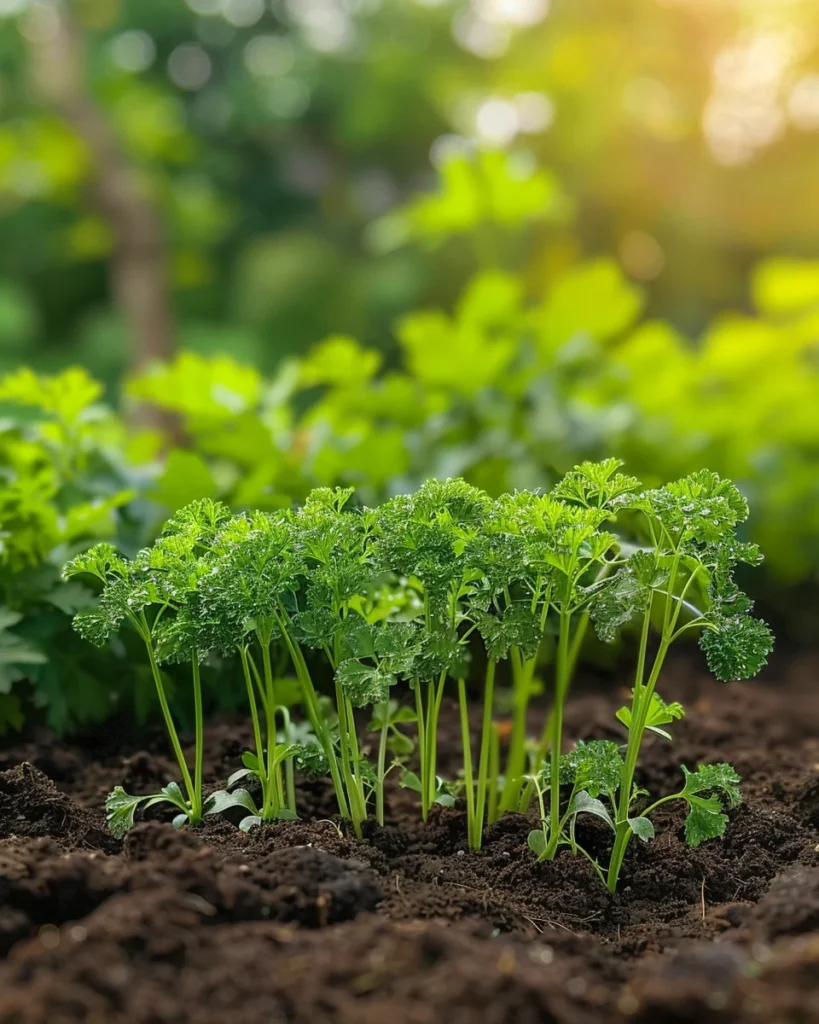
How to Grow Parsley on a Windowsill: Fresh Herbs Year-Round with Minimal Space
Intro for growing parsley on a windowsill
Parsley is one of the most versatile and easy-to-grow herbs that thrives on a sunny windowsill, providing fresh flavor for your cooking year-round. This biennial herb (grown as an annual) offers more Fake watches than just garnish potential—it’s packed with vitamins A, C, and K, and adds bright, herbaceous notes to countless dishes. Growing parsley indoors on a windowsill means you’ll always have fresh herbs at your fingertips, regardless of outdoor weather conditions or garden space limitations. With minimal equipment and care, you can maintain a steady supply of this nutritious herb right in your kitchen, making it perfect for apartment dwellers, winter gardening, or anyone wanting immediate access to fresh herbs.
When to plant parsley on a windowsill
One of the greatest advantages of windowsill parsley is that you can start it any time of year, though seeds germinate best when ambient temperatures are between 18-24°C (65-75°F). For the strongest plants, many gardeners prefer starting seeds in early spring (March-April) or early fall (September-October) when natural replica watches UK light levels are good but not scorching. If using artificial grow lights, timing becomes less critical. Parsley seeds can be slow to germinate, typically taking 2-3 weeks, so patience is essential. Unlike outdoor growing, you don’t need to worry about frost dates when growing on a windowsill, making this herb accessible to gardeners in all climate zones year-round.
Best time to plant parsley on a windowsill
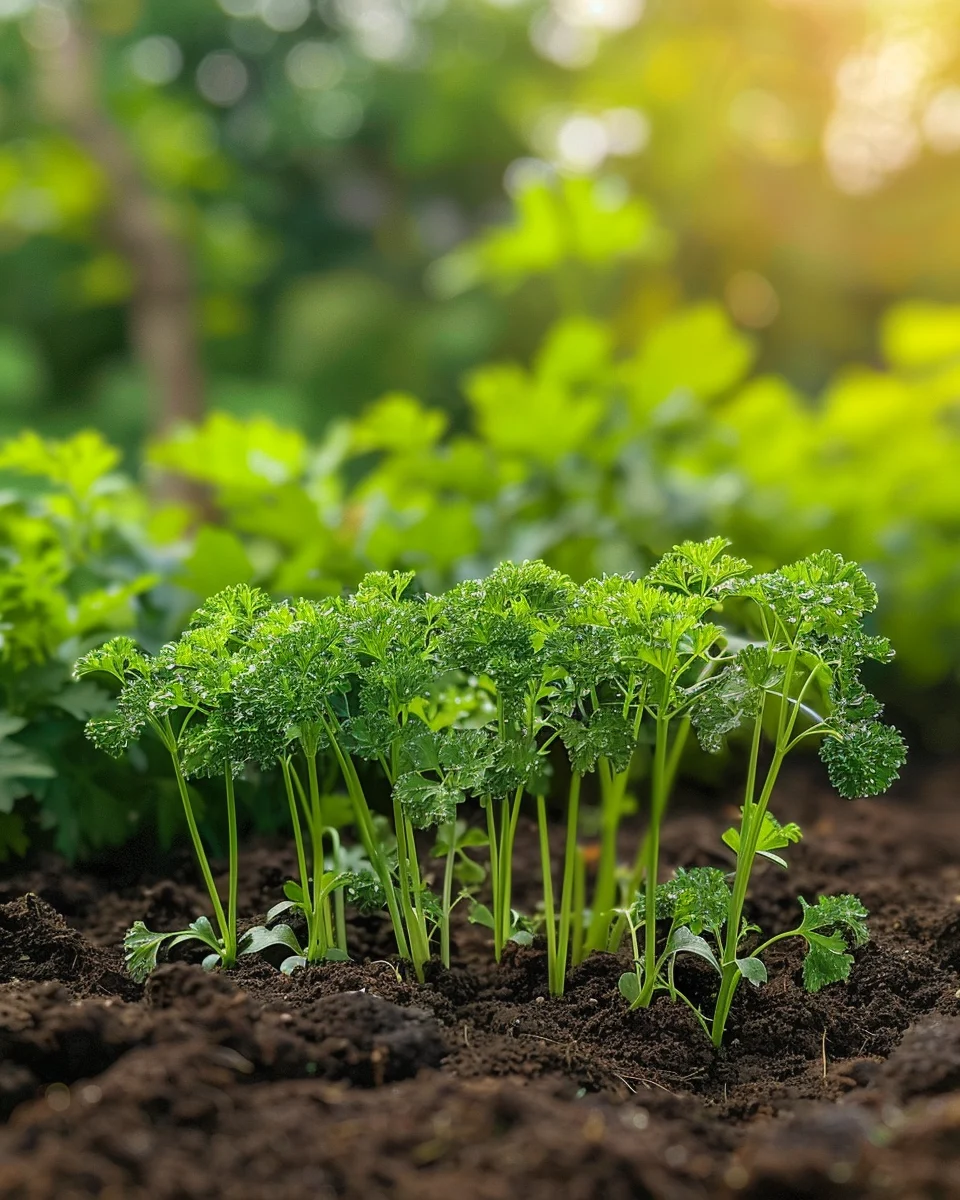
While you can start windowsill parsley any time, optimal timing can improve your results. In cooler climates, starting seeds in February or March allows young plants to benefit from replica watches increasing spring sunlight. In warmer regions, September or October plantings often thrive as the intense summer heat subsides. For year-round production, stagger your plantings every 2-3 months to ensure continuous harvest as older plants decline. If transplanting established seedlings from a garden center rather than starting from seed, these can be potted up any time of year, though they may need a week or two to adjust to indoor conditions. Remember that indoor-grown parsley typically develops more slowly than garden-grown plants, so plan accordingly.
Best parsley varieties to grow on a windowsill
- Flat-leaf Italian (Petroselinum crispum var. neapolitanum) – Offers stronger flavor than curly varieties and grows more compactly, making it ideal for windowsills.
- Curly Parsley (Petroselinum crispum var. crispum) – Creates an attractive display with its ruffled leaves and tends to be more cold-tolerant for cooler windowsills.
- Forest Green – A curly variety with exceptional dark green color that maintains its rich hue even in lower light conditions.
- Giant of Italy – Produces large, flat leaves with excellent flavor while remaining relatively compact for container growing.
- Hamburg (Petroselinum crispum var. tuberosum) – Root parsley that can be grown for both its leaves and its parsnip-like root, though requires deeper containers.
- Wega – A compact flat-leaf variety bred specifically for container growing with excellent disease resistance.
- Japanese Parsley (Mitsuba) – Not true parsley but similar in use with a milder flavor and excellent performance in lower light conditions.
How to plant parsley on a windowsill
Materials needed:
- Container (15-20 cm/6-8 inches deep with drainage holes)
- High-quality potting mix
- Parsley seeds or seedlings
- Small watering can with gentle spray
- Clear plastic wrap or humidity dome (for seed starting)
- Liquid organic fertilizer
- Sunny windowsill or grow light
Step-by-step planting:
- Fill your container with moistened potting mix to about 1 cm (½ inch) below the rim.
- If using seeds, sprinkle them thinly across the surface, aiming for seeds about 1 cm (½ inch) apart.
- Cover seeds with just 0.5 cm (¼ inch) of soil—parsley needs light to germinate.
- Mist the soil surface gently to avoid displacing seeds.
- Cover container with plastic wrap or humidity dome to maintain moisture during germination.
- Place in a warm location (18-24°C/65-75°F) with bright, indirect light.
- Remove cover once seedlings emerge (typically 2-3 weeks) and move to your brightest windowsill.
- If using seedlings instead of seeds, simply plant them at the same depth they were growing previously, spacing multiple plants about 5-8 cm (2-3 inches) apart.
- Water thoroughly after planting, allowing excess water to drain completely.
- Apply a half-strength dose of liquid organic fertilizer about two weeks after seedlings emerge or after transplanting.
How to grow parsley on a windowsill
Parsley thrives on a windowsill that receives at least 6 hours of bright light daily, preferably from a south or west-facing window. If natural light is limited, supplement with a grow light positioned 15-20 cm (6-8 inches) above plants for 10-12 hours daily. Water when the top 2 cm (1 inch) of soil feels dry, typically every 3-5 days depending on your home’s humidity and temperature. Always water thoroughly until it drains from the bottom, but never leave the pot sitting in water. Feed monthly with half-strength liquid organic fertilizer during active growth periods. Maintain temperatures between 15-24°C (60-75°F) for optimal growth, and boost humidity by placing the pot on a tray filled with pebbles and water (ensuring the pot doesn’t sit directly in water). Rotate your container a quarter turn weekly to promote even growth, as parsley will lean toward light sources. For bushier growth, harvest regularly by snipping outer stems near the base rather than just taking leaf tips.
Caring for parsley on a windowsill
Ongoing care for windowsill parsley is straightforward but consistent attention yields the best results. Inspect plants weekly for pests like aphids or spider mites, which can be removed with a gentle spray of water or insecticidal soap if infestations develop. Yellowing lower leaves are normal as plants age—simply remove them to improve air circulation. Prevent fungal issues by avoiding overhead watering and ensuring good air movement around plants. Harvest parsley when plants reach 15 cm (6 inches) tall by cutting outer stems at the base, which encourages new growth from the center. Never take more than one-third of the plant at once to maintain vigor. For storage, wrap freshly harvested stems in damp paper towels and refrigerate in a plastic bag for up to a week, or freeze chopped parsley in ice cube trays with water or oil for longer preservation. If flowering begins (usually in the second year), either harvest all remaining leaves or allow it to bloom to attract beneficial insects if placed outdoors.
Understanding bolting in parsley on a windowsill
Bolting is the process where parsley shifts from leaf production to flowering and seed production, typically in its second year of growth. On a windowsill, bolting can be triggered prematurely by several factors: temperature fluctuations (especially sustained heat above 26°C/80°F), insufficient water causing stress, or the natural day-length changes that signal the plant to complete its lifecycle. You’ll recognize bolting when the central stem suddenly elongates and becomes thicker, with smaller leaves and a more bitter taste developing. To prevent premature bolting, maintain consistent temperatures, avoid letting the soil dry completely, and provide adequate but not excessive fertilizer. If your parsley does bolt, you have several options: harvest all remaining usable leaves immediately, allow it to flower to collect seeds for your next planting, or simply start fresh with new plants, as parsley is typically grown as an annual indoors despite being biennial by nature.
Why does parsley on a windowsill turn bitter?
- Heat stress – Temperatures consistently above 26°C (80°F) can cause bitterness; move to a cooler location or provide afternoon shade.
- Beginning to bolt – Once the flowering process begins, leaves develop bitter compounds; harvest immediately and start new plants.
- Nutrient imbalance – Excessive nitrogen fertilizer can affect flavor; switch to a balanced, diluted fertilizer applied less frequently.
- Age – Older plants naturally develop stronger, sometimes bitter flavors; harvest younger leaves and consider succession planting.
- Water stress – Irregular watering or allowing plants to wilt repeatedly can trigger bitter compounds; maintain consistent moisture.
Companion planting for parsley on a windowsill
Even in the confined space of a windowsill garden, companion planting principles can enhance your success. Parsley grows well alongside:
- Chives – Their mild onion scent can deter some pests, and they share similar water and light requirements.
- Basil – Makes an excellent companion with similar care needs, though it requires slightly warmer temperatures.
- Mint – Can help repel pests that might bother parsley, but plant in its own container as it spreads aggressively.
- Thyme – This low-growing herb works well at the edges of a parsley container without competing for space.
- Spinach – Can be grown alongside parsley in deeper containers, sharing similar light and water needs.
Avoid planting parsley near:
- Lettuce – Competes for nutrients and may attract similar pests, potentially increasing disease pressure.
- Cilantro – Although similar in appearance, cilantro prefers cooler conditions and may bolt when parsley is still thriving.
Seasonal calendar
- January-February: Start seeds indoors under grow lights if natural light is limited; maintain existing plants with reduced watering and fertilizer.
- March-April: Ideal time to start new seeds as natural light increases; transplant any seedlings started earlier; begin regular feeding schedule.
- May-June: Monitor for increased water needs as temperatures rise; harvest regularly to encourage bushy growth; provide afternoon shade if windowsill becomes too hot.
- July-August: Watch for heat stress and increase watering frequency; consider starting new seeds for fall/winter harvest; move from south-facing windows if too hot.
- September-October: Excellent time to start new parsley plants as temperatures moderate; bring outdoor parsley inside before first frost if applicable.
- November-December: Reduce feeding frequency; provide supplemental lighting as daylight hours decrease; harvest regularly to maintain plant vigor.
Problems & solutions
| Problem | Quick Fix |
|---|---|
| Leggy, sparse growth | Increase light exposure; move closer to window or add grow light; harvest regularly to encourage bushiness |
| Yellowing leaves | Check watering (both over and under can cause yellowing); ensure proper drainage; apply diluted balanced fertilizer |
| Slow growth | Increase temperature slightly (18-24°C/65-75°F is ideal); check light levels; apply half-strength fertilizer |
| Aphids or spider mites | Spray with insecticidal soap or neem oil solution; increase humidity; isolate affected plants |
| White powdery spots (powdery mildew) | Improve air circulation; reduce humidity; remove affected leaves; spray with diluted baking soda solution (1 tsp per quart of water) |
| Seeds not germinating | Ensure soil temperature is 18-24°C (65-75°F); pre-soak seeds for 24 hours; check seed freshness; maintain consistent moisture |
| Leaf tips browning | Increase humidity; move away from heating vents; check for salt buildup in soil and flush if necessary |
Common questions about growing parsley on a windowsill
How often should I water my windowsill parsley?
Water when the top 2 cm (1 inch) of soil feels dry to the touch, typically every 3-5 days depending on your home’s temperature and humidity. Always water thoroughly until it drains from the bottom, but never leave the pot sitting in water.
How much sunlight does windowsill parsley need?
Parsley needs at least 6 hours of bright light daily. A south or west-facing window is ideal. If natural light is limited, supplement with grow lights positioned 15-20 cm (6-8 inches) above the plants for 10-12 hours daily.
What size container works best for windowsill parsley?
Use a container at least 15-20 cm (6-8 inches) deep with drainage holes. Width depends on how many plants you want—allow about 10-15 cm (4-6 inches) diameter space per plant. A 20 cm (8 inch) pot can comfortably hold 2-3 parsley plants.
How long until I can harvest parsley grown on a windowsill?
From seed, expect to wait 70-90 days before substantial harvesting. From transplants, you can begin light harvesting (a few stems) after 3-4 weeks. Always harvest outer stems first, cutting at the base to encourage new growth from the center.
Can parsley survive winter on a windowsill?
Yes, parsley grows well indoors during winter, though growth may slow with reduced natural light. Keep plants away from cold drafts and heating vents, maintain temperatures above 10°C (50°F), and consider supplemental lighting during short winter days.
How long will my windowsill parsley plant live?
Parsley is biennial, meaning it typically lives for two years. In the first year, it produces leaves; in the second, it flowers, sets seed, and dies. However, most indoor gardeners treat it as an annual, replacing plants after 8-10 months when leaf production declines or if the plant begins to flower.
Should I fertilize my windowsill parsley?
Yes, feed monthly with half-strength liquid organic fertilizer during active growth. Reduce to every 6-8 weeks in winter when growth naturally slows. Avoid over-fertilizing, which can lead to weak, floppy growth and diminished flavor.