
Chinese Fan Palm Care: A Complete Guide for Indoor Growers
Understanding the Chinese Fan Palm
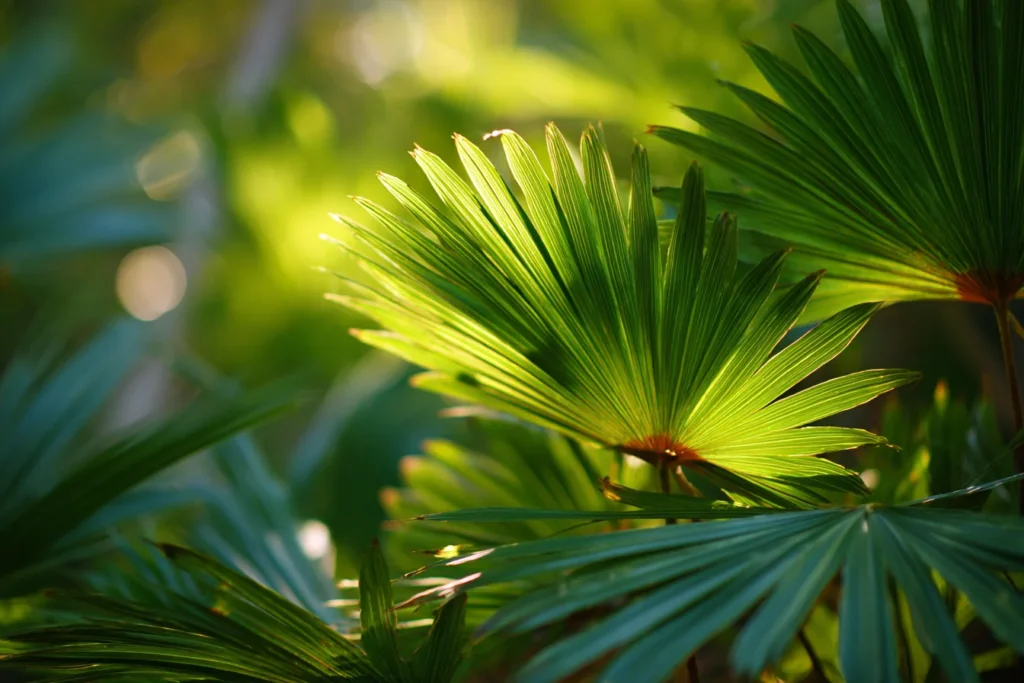
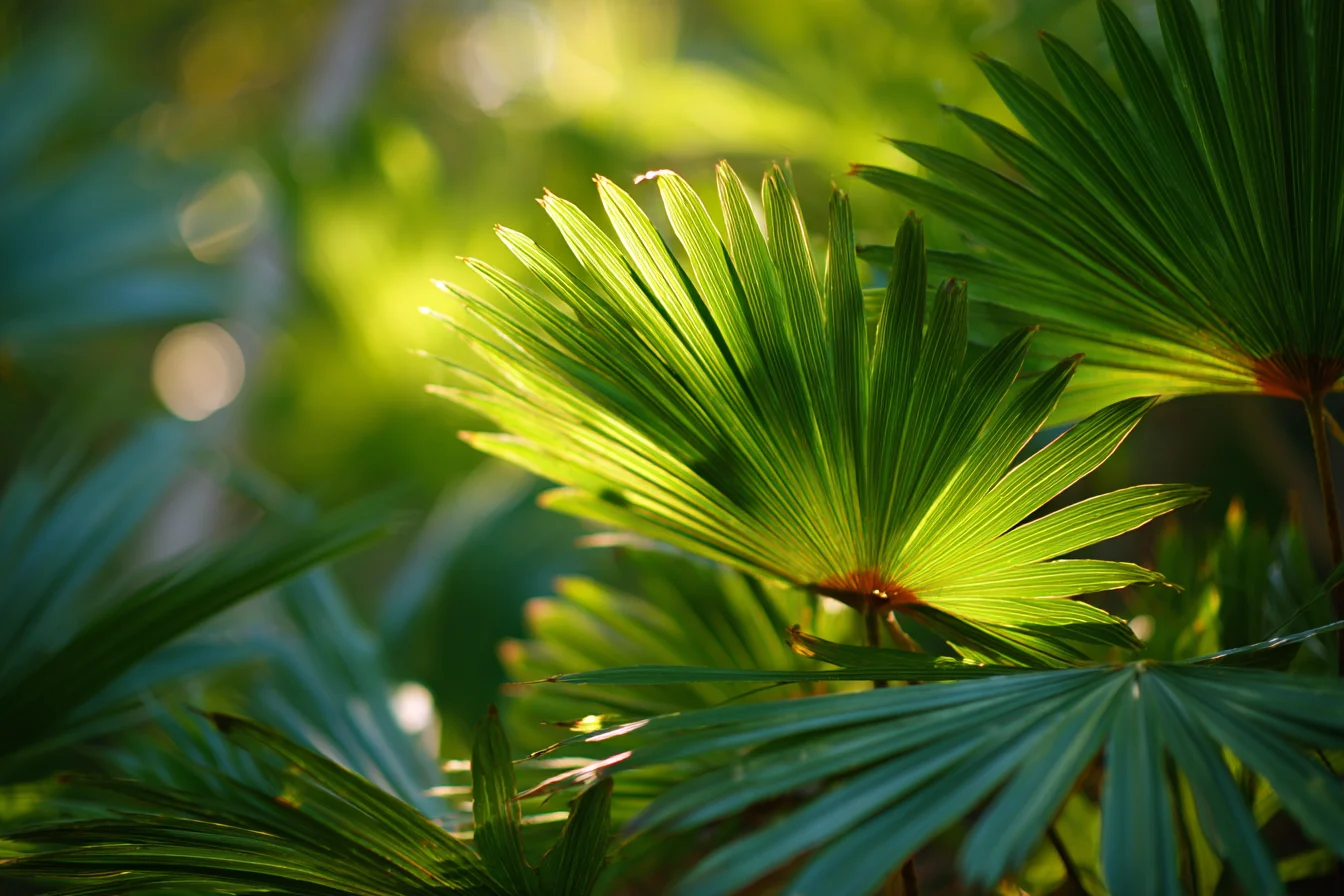
The Chinese fan palm (Livistona chinensis) is an elegant houseplant known for its dramatic, fan-shaped fronds that create a fountain-like appearance. Native to East Asia, this palm can reach impressive heights outdoors, but typically grows to about 6-8 feet tall when kept indoors.
While slow-growing (less than a foot per year), these palms make striking additions to any home. Their graceful, drooping fronds emerge from a central point, creating a cascading effect that adds tropical charm to indoor spaces.
Light Requirements
Chinese fan palms thrive in bright, indirect light. I’ve found positioning them a few feet away from south-facing windows works wonderfully, especially when protected by sheer curtains to filter harsh direct sunlight.
East or west-facing windows also provide suitable light conditions. The key is ensuring your palm receives at least six hours of bright, indirect light daily. These palms will struggle in low-light conditions, so avoid placing them in dark corners of your home.
Soil and Potting
A well-draining soil mix is essential for Chinese fan palms. I recommend using a mix that allows excess water to escape while still retaining some moisture. You can purchase pre-mixed palm soil or create your own by combining:
- 2 parts peat moss or coco coir
- 1 part perlite
- 1 part sand
When potting your palm, choose a container only slightly larger than the current pot (1-2 inches wider in diameter) with drainage holes. Cover only the rootball when planting, and don’t bury the trunk.
Watering Practices
Finding the right watering balance is crucial for Chinese fan palms. I follow the rule of allowing the top two inches of soil to dry out between waterings. To check moisture levels, simply insert your finger into the soil near the middle of the planter.
When watering, add water slowly until it runs out of the drainage holes, then remove any excess water from the saucer. Watering frequency varies with environmental conditions but generally follows this pattern:
- Spring/Summer: Every 1-2 weeks
- Fall/Winter: Every 2-4 weeks
Bright light, warm temperatures, and dry air will increase watering needs, while cooler temperatures and higher humidity will reduce them.
Temperature and Humidity Considerations
Chinese fan palms prefer temperatures between 65-85°F (18-29°C) but can tolerate brief dips to around 50°F (10°C). Avoid placing them near cold drafts, exterior doors, or heating vents, as sudden temperature changes can stress the plant.
While these palms are adaptable to average indoor humidity levels, they prefer moderate to high humidity. If your home is particularly dry, consider using a humidifier or misting the palm weekly to increase air moisture around the plant.
Fertilizing Your Chinese Fan Palm
I’ve found that Chinese fan palms benefit from regular but moderate fertilization during the growing season. Apply a palm-specific fertilizer once a month from spring through mid-summer, following package instructions for dilution rates.
Avoid fertilizing during fall and winter when growth naturally slows. Over-fertilizing can lead to salt buildup and damage the roots, so it’s better to under-fertilize than overdo it.
Pruning and Maintenance
While pruning isn’t strictly necessary for Chinese fan palms, some basic maintenance keeps them looking their best. As older fronds naturally die and fold down, you can remove them using sharp, clean pruning shears.
Only remove fronds that are completely brown or yellow. Cutting green fronds can stress the plant and limit its ability to photosynthesize. Also, remove any fronds showing signs of disease to prevent spread to healthy parts of the plant.
Repotting Guidelines
Due to their slow growth rate, Chinese fan palms don’t require frequent repotting. I repot mine only when I notice roots emerging from drainage holes or the top of the soil, which typically occurs every 2-3 years.
When repotting, choose a container just 1-2 inches larger in diameter than the current pot. This is also an ideal time to inspect the roots for signs of rot and refresh the potting mix. Spring is the best time for repotting, as the plant is entering its active growth phase.
Propagation Methods
The most reliable way to propagate Chinese fan palms indoors is through suckers (also called offshoots or pups) that sometimes form at the base of the plant. Not all palms produce suckers, so this method isn’t always possible.
If you spot a sucker, carefully separate it from the parent plant using a sharp, clean knife, preserving as much of the sucker’s base as possible. Plant it in well-draining potting mix and keep it consistently moist until new growth appears. Unlike many houseplants, Chinese fan palms cannot be propagated from leaf cuttings.
Common Problems and Solutions
Yellow Leaves
Yellowing leaves on Chinese fan palms can result from several issues. Overwatering and underwatering both cause yellowing, so check soil moisture regularly. Cold temperatures below 60°F (15°C) and insufficient light can also lead to yellow leaves. Ensure your palm receives adequate bright, indirect light and stays in a warm location.
Root Rot
Consistently wet soil creates perfect conditions for root rot, a fungal disease that causes roots to soften and die. Signs include yellowing or wilting leaves despite moist soil. If you suspect root rot, remove the plant from its pot, trim away affected roots, and repot in fresh, well-draining soil. Adjust your watering routine to prevent recurrence.
Spider Mites
These tiny pests create fine webbing on plants and cause small yellow or brown spots on leaves. If you notice these symptoms, inspect the undersides of leaves carefully. For minor infestations, wipe leaves with a damp cloth. For more severe cases, treat with neem oil or insecticidal soap, focusing on leaf undersides where mites typically hide.
Toxicity Information
Good news for pet owners and parents: Chinese fan palms are non-toxic to both humans and pets. However, be cautious of the sharp spines present on the leaf petioles, which could cause minor injuries, especially to curious children or pets.
Essential Tools for Chinese Fan Palm Care
Having the right tools makes caring for your Chinese fan palm much easier. I recommend keeping these items on hand:
- Well-draining potting mix formulated for palms
- Container with drainage holes
- Moisture meter or probe
- Palm-specific liquid fertilizer
- Watering can with narrow spout
- Sharp, clean pruning shears
- Spray bottle for misting (optional)
Conclusion
Chinese fan palms are relatively forgiving houseplants that add a touch of tropical elegance to any indoor space. With proper light, consistent but measured watering, and occasional fertilizing, these palms can thrive for many years as stunning focal points in your home.
While they do require some specific care considerations, the dramatic beauty of their fan-shaped fronds makes the effort well worthwhile. Whether you’re a beginner or experienced plant enthusiast, the Chinese fan palm offers a rewarding growing experience with its graceful form and impressive presence.