

Stromanthe Triostar Care Guide: Growing This Stunning Prayer Plant
Introduction to Stromanthe Triostar
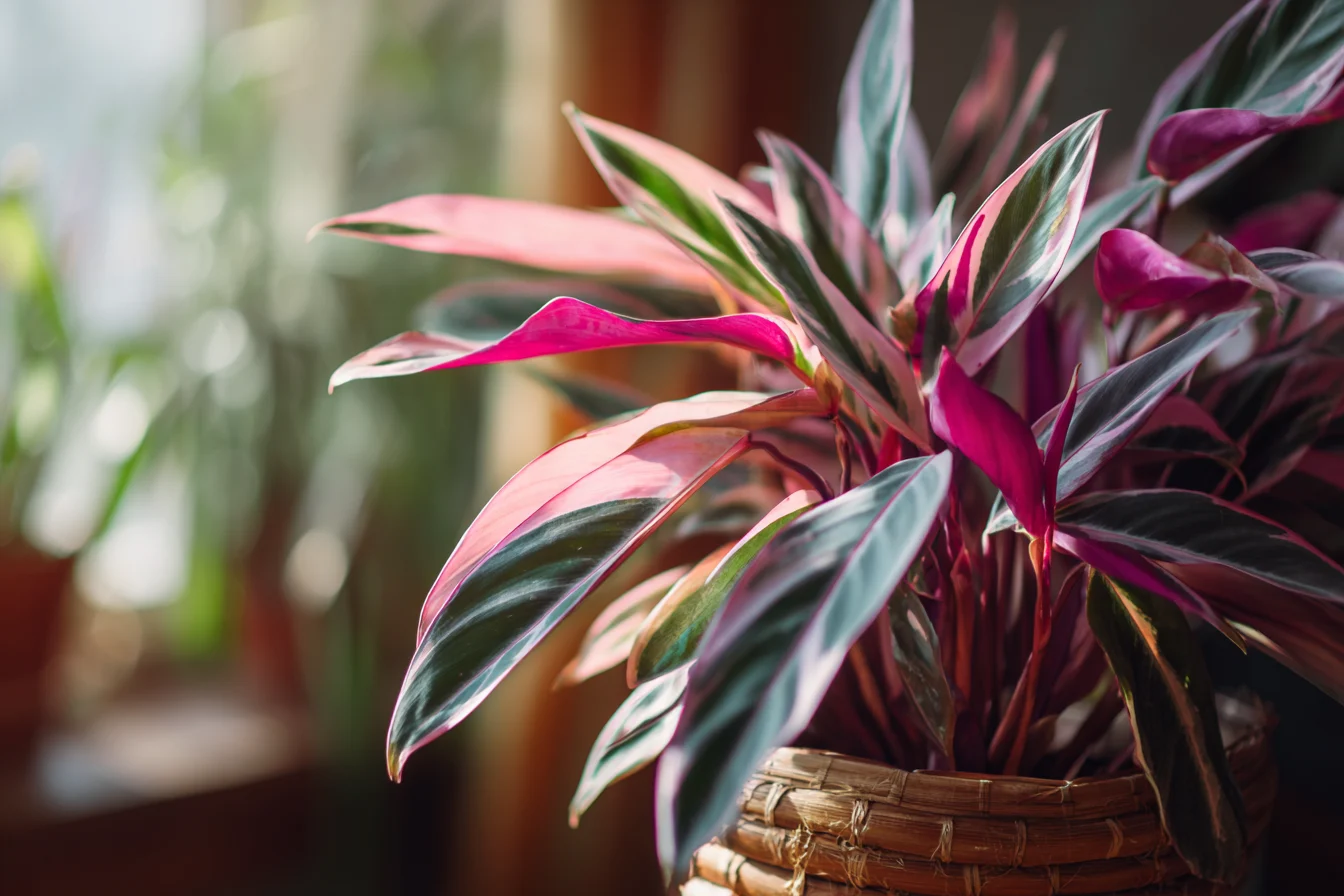
The Stromanthe Triostar (Stromanthe sanguinea) is a visually striking houseplant known for its vibrant, tri-colored foliage displaying shades of pink, green, and white. As a member of the prayer plant family (Marantaceae), this Brazilian native exhibits the fascinating nyctinastic movement where leaves fold up at night and reorient toward light during the day.
While undeniably beautiful, the Triostar has earned a reputation for being somewhat finicky. With proper care, however, these plants can thrive indoors for 15+ years, reaching heights of up to three feet. Their non-toxic nature makes them safe for homes with children and pets.
Light Requirements
Stromanthe Triostar thrives in bright, indirect light for at least six hours daily. Direct sunlight will scorch its delicate leaves, while insufficient light causes poor growth and color development.
A few feet away from a south-facing window typically provides ideal lighting conditions. West-facing windows can also work well. If natural light is limited, consider supplementing with grow lights positioned at least 12 inches from the foliage.
You’ll know your plant is receiving proper light when its colors remain vibrant and the leaves maintain their daily movement patterns.
Temperature and Humidity Needs
As tropical plants, Triostars require warm temperatures between 65-85°F (18-29°C). They’re sensitive to temperature fluctuations, so avoid placing them near drafty windows, air conditioning vents, or heating units.
High humidity is absolutely crucial for Stromanthe Triostar. While they prefer humidity levels of 60-100%, most homes maintain only 30-50% humidity. This discrepancy is often the primary challenge in growing these plants successfully indoors.
To increase humidity, consider these effective methods:
- Use a humidifier near your plant (most effective method)
- Group humidity-loving plants together
- Place the pot on a pebble tray with water (ensuring the pot doesn’t sit in water)
- Mist the foliage several times daily (less effective but helpful)
Watering Practices
Proper watering is critical for Stromanthe Triostar. Aim to keep the soil consistently moist but never soggy. Water when the top inch (2.5 cm) of soil feels dry to the touch, typically every 7-14 days depending on your home environment.
These plants are sensitive to chemicals in tap water. Whenever possible, use rainwater, distilled water, or filtered water that has sat out overnight to allow chlorine to evaporate. Water at room temperature to avoid shocking the roots.
Reduce watering frequency during winter months when growth naturally slows. Always check soil moisture before watering rather than following a strict schedule, as environmental conditions greatly affect water needs.
Soil Requirements
Stromanthe Triostar requires well-draining soil that retains some moisture without becoming waterlogged. A quality mix should provide adequate aeration while holding enough moisture for the plant’s needs.
An ideal homemade soil mixture includes:
- 4 parts coco coir or peat moss (for moisture retention)
- 2 parts pine bark fines (for drainage and aeration)
- 1 part pumice (for drainage)
- 1 part perlite (for aeration)
Alternatively, a quality potting mix designed for calatheas or other prayer plants works well. The soil pH should be slightly acidic to neutral (6.0-7.5).
Fertilizing Schedule
Stromanthe Triostar benefits from regular but moderate fertilization during its active growing season. Apply a balanced, water-soluble houseplant fertilizer (with equal NPK values like 10-10-10) once per month from spring through summer.
Always dilute fertilizer to half the recommended strength to prevent root burn. Suspend fertilization completely during fall and winter when growth naturally slows. If your plant shows signs of stress, skip fertilizing until it recovers.
Overfertilizing can cause more harm than underfertilizing, so err on the side of caution with these sensitive plants.
Pruning and Maintenance
Stromanthe Triostar doesn’t require extensive pruning, but regular maintenance helps keep the plant healthy and attractive. Remove any yellowed, damaged, or diseased leaves by cutting them at the base of the stem with clean, sharp scissors or pruning shears.
Wipe the leaves gently with a damp cloth occasionally to remove dust and maintain the plant’s ability to photosynthesize efficiently. This also helps you spot pest issues early.
Rotate your plant a quarter turn weekly to encourage even growth, as Triostar leaves will naturally orient toward light sources.
Repotting Guidelines
Stromanthe Triostar typically needs repotting every 2-3 years or when you notice roots growing through drainage holes. The best time to repot is during spring or early summer when the plant is actively growing.
Select a container only 1-2 inches (2.5-5 cm) larger than the current pot with adequate drainage holes. Gently remove the plant, inspect the roots for any rot or damage, and trim as needed with sterilized scissors.
Place fresh potting mix in the bottom of the new container, position the plant, and fill in around the roots with additional soil. Water thoroughly after repotting, but avoid fertilizing for about a month to prevent stress.
Propagation Methods
The most reliable method for propagating Stromanthe Triostar is through division during repotting. When your plant has developed multiple growth points, carefully separate the root ball into sections, ensuring each division has healthy stems and roots.
Plant each division in its own appropriately sized pot with fresh soil mix, water thoroughly, and provide extra humidity during the establishment period. Keep the newly divided plants out of direct sunlight for a few weeks while they recover.
Unlike some houseplants, Stromanthe Triostar cannot be reliably propagated from leaf cuttings or stem cuttings.
Common Problems and Solutions
Crispy Brown Leaf Edges
This extremely common issue typically indicates low humidity or mineral buildup from tap water. Increase humidity around the plant and switch to filtered, distilled, or rainwater. Damaged leaves won’t recover, but new growth should develop normally once conditions improve.
Yellowing Leaves
Overwatering is the most frequent cause of yellowing leaves in Stromanthe Triostar. Check the soil moisture and adjust your watering schedule accordingly. Ensure your pot has adequate drainage and the soil isn’t compacted. Occasionally, yellowing can also indicate nutrient deficiencies or exposure to cold drafts.
Curling Leaves
While some leaf movement is natural for prayer plants, excessive curling often signals environmental stress. Low humidity, underwatering, or temperature extremes are common culprits. Address the underlying environmental factors to prevent further curling.
Pest Infestations
Spider mites, mealybugs, scale, and aphids can all affect Stromanthe Triostar. Regularly inspect the undersides of leaves and leaf joints for signs of pests. Treat minor infestations by wiping leaves with insecticidal soap or neem oil solution. For severe cases, isolate the plant and treat with appropriate insecticides following package directions.
Seasonal Care Considerations
During winter, Stromanthe Triostar enters a period of slower growth. Reduce watering frequency but maintain high humidity levels. Move plants away from cold windows and drafty areas. Suspend fertilization until spring.
In summer, monitor soil moisture more frequently as warmer temperatures increase water needs. Provide additional humidity during dry periods or when air conditioning is running. Shield plants from hot, direct sunlight which intensifies during summer months.
Decorative Uses and Display
Stromanthe Triostar makes a stunning focal point in any indoor plant display. Its height (up to three feet) and dramatic coloration create visual impact in living rooms, offices, and bedrooms with adequate indirect light.
Consider placing your Triostar on a plant stand or elevated surface where its colorful foliage can be appreciated. The plant pairs beautifully with other tropical specimens that share similar care requirements, creating an attractive humidity-sharing plant grouping.
Conclusion
While Stromanthe Triostar requires more attention than some houseplants, the reward is a truly spectacular specimen that brings tropical beauty into your home. By providing bright indirect light, high humidity, consistent moisture, and protection from temperature extremes, you’ll create the conditions for this stunning plant to thrive.
Remember that patience is key with Triostars—they may take time to adjust to your home environment. Don’t be discouraged by occasional leaf issues, as new growth will reflect your improved care practices. With proper attention, your Stromanthe Triostar can become a long-lived, show-stopping addition to your indoor garden.