
Arrowhead Plant Care Guide: Growing Syngonium Podophyllum at Home
Introduction to Arrowhead Plants
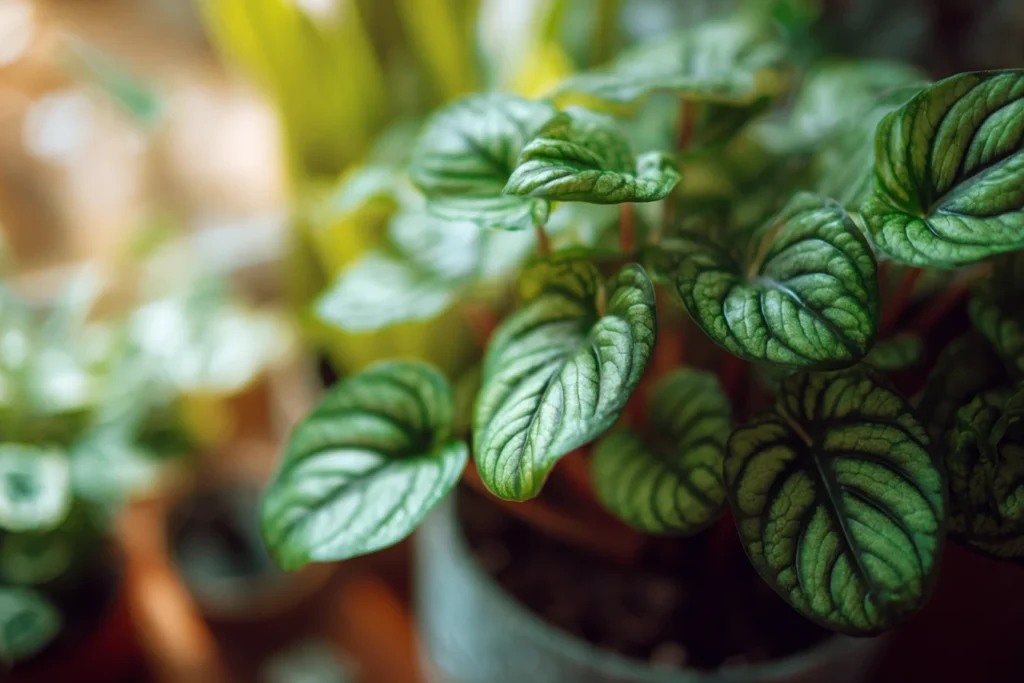
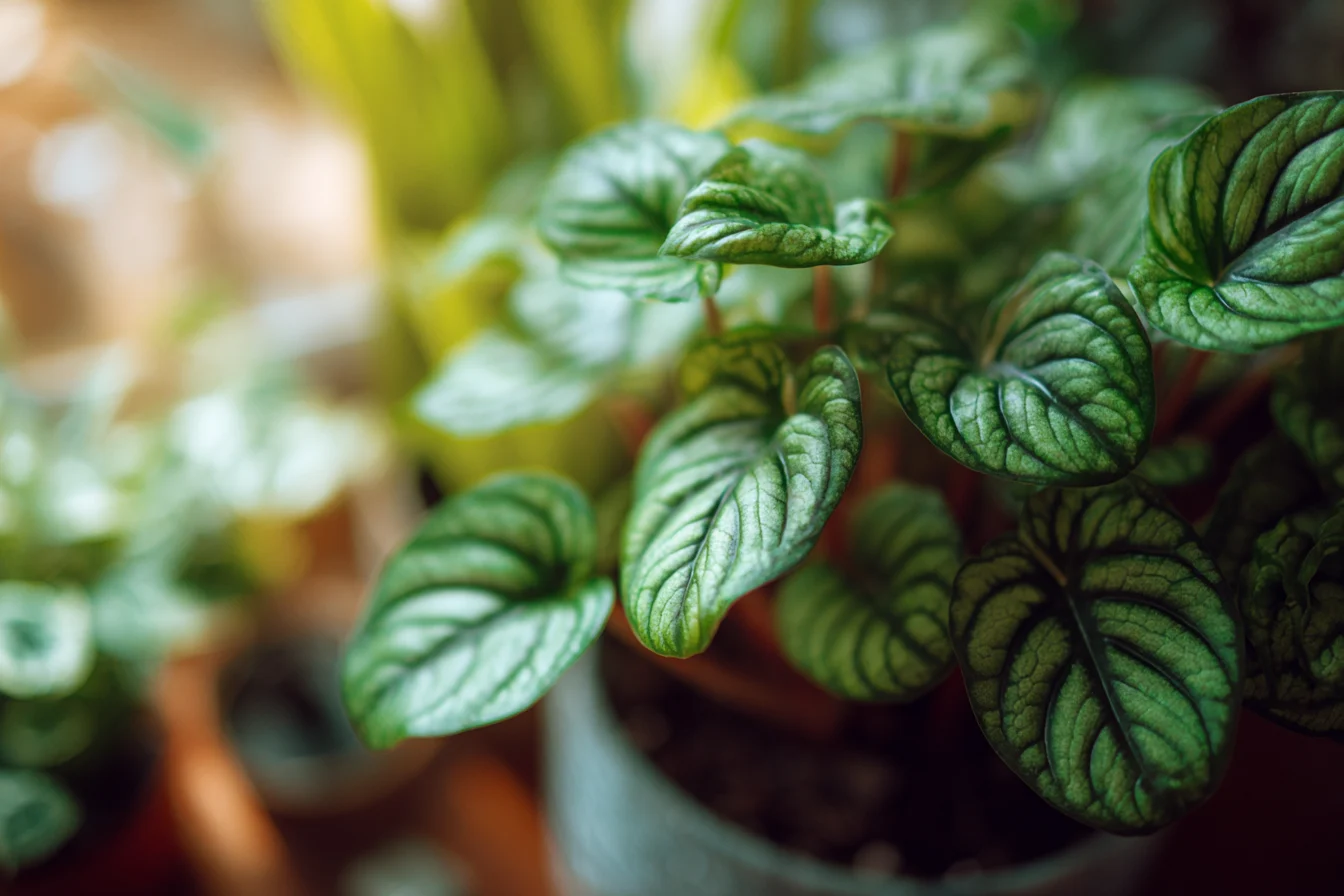
Arrowhead plants (Syngonium podophyllum) are popular houseplants known for their distinctive arrow-shaped leaves and trailing growth habit. Native to tropical regions of Latin America, these versatile plants can adapt to various indoor conditions, making them perfect for both beginners and experienced plant enthusiasts.
With proper care, arrowhead plants can grow rapidly, producing vines that reach over six feet in length while maintaining a relatively compact width of about two feet. Their leaves come in various colors and patterns, from deep greens to variegated whites, pinks, and silvers, adding visual interest to any indoor space.
Light Requirements
Arrowhead plants thrive in bright, indirect light but are remarkably adaptable to different light conditions. They can tolerate lower light environments, though growth may slow in such conditions.
Avoid placing your arrowhead plant in direct sunlight, as this can scorch the leaves. An east-facing window provides ideal morning light, while south or west-facing windows require protection with sheer curtains or blinds to filter the stronger afternoon sun.
If you notice your plant’s stems stretching or leaves becoming smaller, it may be reaching for more light. Conversely, if leaves develop brown patches, they might be receiving too much direct sun.
Soil and Potting
Arrowhead plants prefer well-draining soil that still retains some moisture. A good potting mix can be created by combining two parts standard potting soil with one part perlite to improve drainage.
Alternatively, you can make a custom mix using two parts peat moss or coco coir, one part pine bark fines, and one part perlite. African violet potting mix also works well for these plants.
Always choose a container with drainage holes to prevent water from pooling at the bottom, which can lead to root rot. When potting, ensure the plant sits at the same depth it was in its previous container.
Watering Practices
Finding the right watering balance is crucial for arrowhead plant health. Water when the top inch of soil feels dry to the touch, which typically means once a week during summer and every two to three weeks in winter.
When watering, thoroughly drench the soil until water flows from the drainage holes, then allow the excess to drain completely. This ensures proper hydration throughout the root system.
Adjust your watering schedule based on environmental factors like temperature, humidity, and light levels. Plants in brighter locations or lower humidity environments may need more frequent watering than those in cooler, more humid conditions.
Temperature and Humidity Needs
Arrowhead plants prefer temperatures between 65-85°F (18-29°C). They can suffer damage if temperatures drop below 60°F (15°C), so keep them away from cold drafts, air conditioning vents, and exterior doors during winter.
As tropical natives, these plants appreciate moderate to high humidity levels. In dry environments, consider using a humidifier nearby or placing the pot on a pebble tray with water to increase ambient moisture.
Regular misting can also help maintain humidity levels, especially during winter months when indoor heating systems can dry out the air.
Fertilizing Schedule
Feed your arrowhead plant with a balanced liquid houseplant fertilizer diluted to half the recommended strength. Apply monthly during the active growing season (spring through summer).
Withhold fertilizer during fall and winter when growth naturally slows. Over-fertilization can lead to salt buildup in the soil and cause leaf tip burn, so it’s better to under-fertilize than over-fertilize.
If you notice slow growth or pale leaves during the growing season, your plant might benefit from a light feeding, even if it’s not on your regular schedule.
Pruning and Training
Arrowhead plants naturally grow as vines, but you can shape them through regular pruning. For a bushier appearance, pinch or cut the growing tips to encourage branching.
Remove any yellowing, damaged, or diseased leaves promptly to maintain plant health and appearance. Use clean, sharp scissors or pruning shears to make clean cuts and prevent disease transmission.
If you prefer a climbing form, provide a moss pole, trellis, or other support structure. Arrowhead plants will naturally attach to these supports with their aerial roots, creating a vertical display.
Propagation Methods
Arrowhead plants are incredibly easy to propagate, making them perfect for expanding your collection or sharing with friends. The most successful method is stem cutting propagation.
To propagate, take a cutting with at least one node (the point where leaves emerge), place it in water or moist soil, and wait for roots to develop. Water propagation allows you to monitor root growth, which typically begins within 2-3 weeks.
Spring and summer are the ideal seasons for propagation when the plant is actively growing. Once water-propagated cuttings develop roots about half an inch long, they’re ready to be transferred to soil.
Repotting Guidelines
Due to their fast growth rate, arrowhead plants typically need repotting every 1-2 years. Signs that repotting is necessary include roots growing through drainage holes, slowed growth, or water running straight through the pot without being absorbed.
Choose a new container that’s 1-2 inches (2.5-5 cm) larger in diameter than the current pot. Gently remove the plant, loosen the root ball slightly, and place it in fresh potting mix at the same depth as before.
After repotting, water thoroughly and place the plant in a location with bright, indirect light but away from intense sun while it adjusts to its new home.
Common Problems and Solutions
Yellow Leaves
Yellowing leaves often indicate watering issues. Overwatering causes roots to suffocate and rot, while underwatering leads to dehydration. Check soil moisture and adjust your watering schedule accordingly.
Occasionally, yellow leaves may result from nutrient deficiencies or natural aging. If only older, lower leaves are yellowing while new growth appears healthy, this might be part of the plant’s normal life cycle.
Brown Leaf Tips
Brown leaf tips typically signal low humidity, over-fertilization, or mineral buildup from tap water. Increase humidity around the plant and consider using filtered or distilled water if your tap water is highly mineralized.
If you’ve recently fertilized, flush the soil thoroughly with water to remove excess salts and reduce the concentration or frequency of fertilizer applications.
Pest Management
Spider mites, mealybugs, and scale insects can occasionally affect arrowhead plants. Regular inspection of leaf undersides and stems helps catch infestations early.
For minor pest problems, wipe leaves with a damp cloth or spray with insecticidal soap or neem oil solution. Severe infestations may require isolating the plant and implementing a more comprehensive treatment plan.
Decorative Uses and Benefits
Arrowhead plants make versatile decorative additions to homes and offices. Their trailing habit makes them perfect for hanging baskets, while their climbing nature works well with support structures for vertical interest.
Like many houseplants, arrowhead plants help purify indoor air by removing small amounts of toxins. Their lush foliage also adds humidity to dry indoor environments.
With numerous varieties featuring different leaf patterns and colors, you can collect several arrowhead plants to create a diverse display while maintaining similar care requirements.
Conclusion
Arrowhead plants offer the perfect combination of visual appeal and easy care, making them ideal for plant enthusiasts of all experience levels. With their adaptability to various light conditions and forgiving nature, they’re an excellent choice for anyone looking to add tropical flair to their indoor spaces.
By providing the right balance of light, water, and humidity, your arrowhead plant can thrive for years, growing from a small tabletop specimen into a magnificent trailing or climbing plant. Whether you’re drawn to their classic green arrow-shaped leaves or one of the many colorful varieties, these versatile houseplants will reward your care with lush, vibrant growth.