
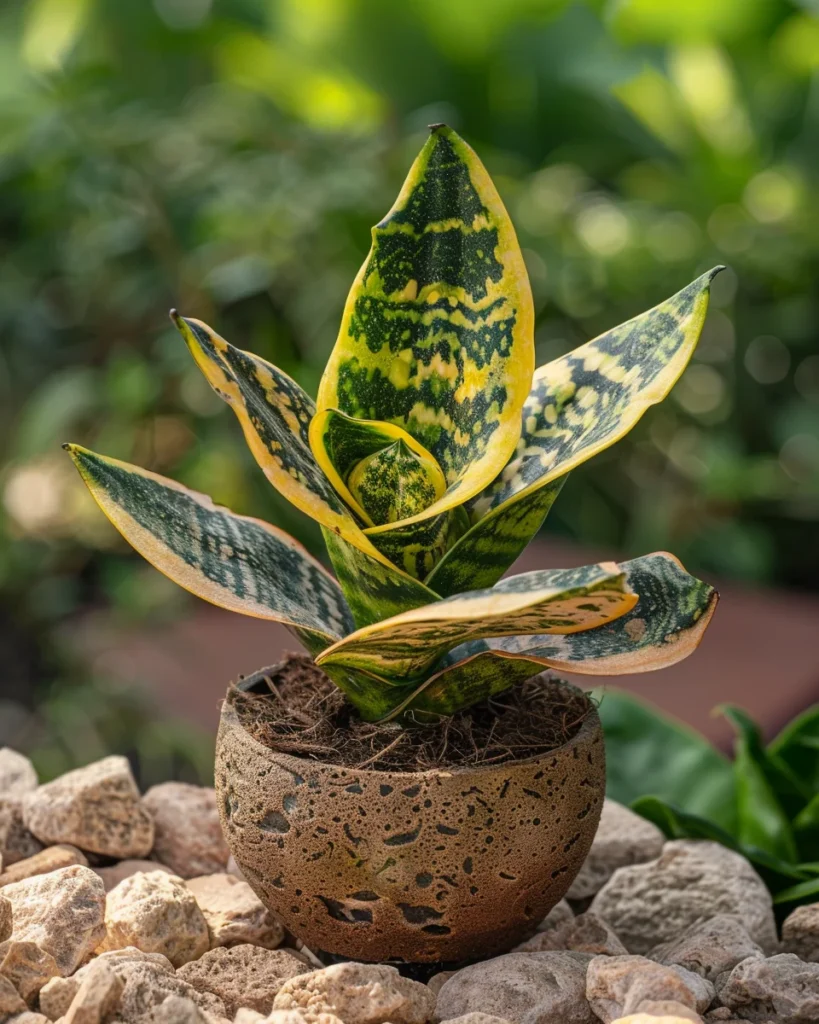
How to Force a Snake Plant to Produce Pups: Multiply Your Collection Without Buying More
Intro for How to Force a Snake Plant to Produce Pups
Snake plants (Sansevieria or Dracaena trifasciata) are beloved for their striking upright leaves and incredible resilience. These architectural houseplants not only purify air but also thrive with minimal care, making them perfect for busy or novice plant parents. One of their most valuable features is their ability to produce “pups” – baby plants that grow from the mother plant’s rhizome system. By encouraging your snake plant to produce these offshoots, you can expand your collection without spending another penny. This natural propagation method works in all indoor environments regardless of climate zone, allowing you to share plants with friends or fill your home with these stunning specimens.
When to plant Snake Plant Pups
Snake plants produce pups year-round indoors, but they’re most active during the growing season from spring through early fall. The ideal time to separate and plant pups is when indoor temperatures remain between 18-24°C (65-75°F). While snake plants are tropical in origin (native to West Africa), they’ve adapted well to indoor conditions in all climate zones. Avoid separating pups during winter months when the plant is semi-dormant, as this can stress both mother plant and offspring, reducing success rates.
Best time to plant Snake Plant Pups
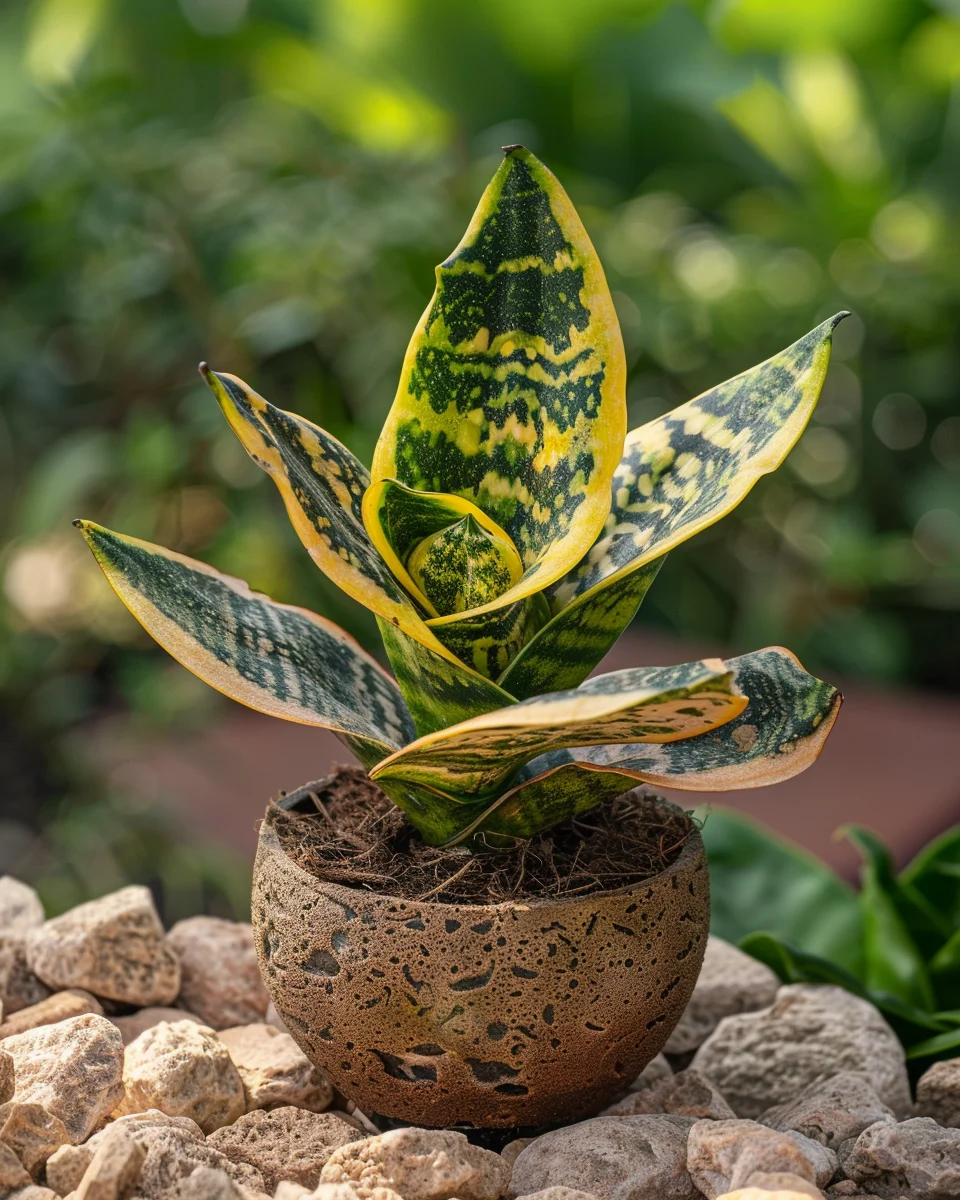
The optimal window for separating and planting snake plant pups is from March through September in most regions. Spring is particularly favorable as it gives new plants the entire growing season to establish. In warmer climates (USDA zones 9-11), you can successfully separate pups year-round, though growth will be slower in winter. For cooler regions where homes might experience temperature fluctuations, stick to the warmer months when ambient temperatures remain above 16°C (60°F) for best results.
Best Snake Plant varieties to grow
• Sansevieria trifasciata ‘Laurentii’ – Features striking yellow leaf margins and produces pups abundantly.
• Sansevieria ‘Moonshine’ – Silvery-green leaves with a modern look; produces fewer but larger pups.
• Sansevieria cylindrica ‘Boncel’ (Starfish Snake Plant) – Unique cylindrical leaves that form in a fan pattern; produces pups readily.
• Sansevieria trifasciata ‘Black Gold’ – Dark green leaves with gold edges; vigorous pupper with compact growth.
• Sansevieria ‘Bantel’s Sensation’ – Narrow leaves with white vertical stripes; produces elegant, slender pups.
• Sansevieria trifasciata ‘Hahnii’ (Bird’s Nest Snake Plant) – Compact rosette form that produces pups in a tight cluster.
• Sansevieria trifasciata ‘Twist’ – Uniquely twisted leaves; slower to pup but creates interesting offspring.
How to plant Snake Plant Pups
Materials list:
– Mature snake plant
– Sharp, clean knife or pruners
– Cactus/succulent potting mix
– Small pots with drainage holes
– Rooting hormone (optional)
– Gloves (optional, for handling larger plants)
– Watering can with narrow spout
Step-by-step:
1. Identify a healthy mother plant with visible pups emerging from the soil around its base.
2. Carefully remove the entire plant from its pot and gently brush away soil to expose the rhizome system.
3. Locate where the pup connects to the mother plant’s rhizome and use a sharp, clean knife to separate it, ensuring each pup has some roots attached.
4. Allow the cut surfaces to callus for 24-48 hours in a dry, warm location.
5. Fill small pots with well-draining cactus/succulent mix, leaving 1 inch (2.5 cm) of space at the top.
6. Create a small hole in the soil and place the pup with its base about 1-2 inches (2.5-5 cm) deep.
7. Gently firm soil around the base, ensuring the pup stands upright.
8. Wait 5-7 days before watering lightly around the base of the newly planted pup.
9. Place in bright, indirect light and maintain minimal watering until new growth appears.
10. Return the mother plant to its original pot or repot in fresh soil to encourage more pup production.
How to grow Snake Plant Pups
Snake plant pups thrive in bright, indirect light but can tolerate lower light conditions. Water sparingly, allowing the soil to dry completely between waterings—typically once every 2-3 weeks depending on your home’s humidity and temperature. During active growth (spring through summer), fertilize lightly with a balanced houseplant fertilizer diluted to half-strength once every 2-3 months. Skip fertilizing in winter.
To encourage more pups, slightly rootbound conditions are beneficial, so don’t rush to repot your snake plant. If growing in containers, choose pots just 1-2 inches (2.5-5 cm) larger than the root ball with excellent drainage. Terra cotta pots work particularly well as they allow soil to dry more quickly. No pruning is necessary except to remove damaged leaves. For taller varieties that become top-heavy, stake discreetly with bamboo supports if needed.
Caring for Snake Plant Pups
The most common mistake with snake plants is overwatering. Check soil moisture by inserting your finger 2 inches (5 cm) deep—if it feels dry, it’s time to water. Watch for pests like mealybugs (white cotton-like clusters) and spider mites (fine webbing, stippled leaves); treat with insecticidal soap or neem oil. Root rot presents as soft, discolored stems at the base—immediately reduce watering and repot in fresh, dry soil if detected.
To maximize pup production, create slight stress by keeping the plant slightly rootbound and allowing it to dry thoroughly between waterings. Harvest pups when they’re at least 3-4 inches (7.5-10 cm) tall with visible roots. Snake plants don’t require storage, but divided pups can be temporarily kept in a dry, warm place for up to a week before planting if necessary.
Understanding bolting in Snake Plants
Unlike vegetables, snake plants don’t bolt in the traditional sense. However, they do produce flower stalks, which is often a response to stress conditions like temperature fluctuations, rootbound conditions, or age. While flowering won’t harm the plant, it does divert energy from growth and pup production. If your goal is to maximize pups, you can cut flower stalks as they appear.
To prevent unwanted flowering and encourage pup production instead, maintain consistent care without dramatic temperature changes, keep the plant slightly rootbound, and ensure it receives adequate but not excessive light. If flowering occurs, enjoy the unusual, fragrant blooms, then resume normal care to redirect the plant’s energy back to vegetative growth and pup production.
Why does my Snake Plant not produce pups?
• Too much space – Plants in oversized pots focus on root development rather than producing pups; keep slightly rootbound.
• Insufficient light – While tolerant of low light, snake plants need moderate light to generate enough energy for reproduction.
• Overwatering – Soggy conditions stress the plant and prevent normal growth functions; allow thorough drying between waterings.
• Young plant – Immature plants (under 1-2 years) may not have established enough to produce pups; patience is required.
• Poor soil conditions – Heavy, water-retaining soils inhibit rhizome development; use well-draining cactus/succulent mix.
Companion planting for Snake Plants
Snake plants pair well with other drought-tolerant houseplants that share similar care requirements. ZZ plants (Zamioculcas zamiifolia) complement snake plants with their glossy foliage and similar watering needs. Succulents like Echeveria or Haworthia create attractive arrangements while sharing watering schedules. Pothos or Philodendron varieties work well as trailing companions in mixed plantings, adding textural contrast.
Avoid planting snake plants with moisture-loving species like ferns or calatheas, as their different watering needs will make care difficult. Also avoid pairing with fast-growing plants that might overshadow your snake plant or compete aggressively for pot space.
Seasonal calendar
• January-February: Minimal care; water sparingly; no fertilizer; inspect for pests during dry indoor heating season.
• March-April: Increase watering slightly as growth resumes; apply first fertilizer of the season; look for new pup development.
• May-June: Active growth period; ideal time to separate and pot up pups; maintain regular watering schedule.
• July-August: Peak growing season; monitor for new pups; fertilize lightly; protect from direct summer sun.
• September-October: Last chance to separate pups before dormancy; reduce fertilizing; begin decreasing watering frequency.
• November-December: Dormancy period; minimal watering; no fertilizer; maintain consistent temperature away from drafts.
Problems & solutions
| Problem | Quick Fix |
|---|---|
| Yellowing leaves | Likely overwatering; allow soil to dry completely and reduce watering frequency. |
| Brown, crispy leaf tips | Low humidity or fluoride in water; use filtered water and increase humidity slightly. |
| Soft, mushy stems | Root rot from overwatering; remove affected areas, repot in fresh dry soil, and water sparingly. |
| No new pups forming | Create slight root restriction by keeping in a snug pot and ensure bright indirect light. |
| Leaning or toppling | Rotate plant regularly for even growth; stake if necessary; ensure adequate light from all sides. |
| White cottony spots | Mealybugs; isolate plant and treat with insecticidal soap or alcohol-dipped cotton swabs. |
Common questions about growing Snake Plants
How often should I water my snake plant to encourage pups?
Water only when the soil is completely dry, typically every 2-3 weeks. Slight underwatering is better than overwatering for pup production.
Can I grow snake plants in low light and still get pups?
While snake plants tolerate low light, they produce pups more readily in bright, indirect light. Consider rotating the plant to a brighter location periodically if pup production is your goal.
What size pot is best for encouraging pups?
Choose a pot only 1-2 inches (2.5-5 cm) larger than the root ball. Slightly rootbound conditions stimulate pup production.
How long does it take for a snake plant to produce pups?
A healthy, mature snake plant typically begins producing pups after 1-2 years, with spring and summer being the most active seasons for new growth.
Can I leave pups attached to the mother plant?
Yes, pups can remain attached indefinitely, creating a fuller plant. Only separate them if you want to create new individual plants or if the pot becomes overcrowded.
What’s the minimum size a pup should be before separation?
Wait until pups are at least 3-4 inches (7.5-10 cm) tall with their own roots before separating them from the mother plant for the best chance of success.
Do snake plants need special fertilizer to produce pups?
No special fertilizer is needed. A standard houseplant fertilizer diluted to half-strength applied 2-3 times during the growing season is sufficient.