
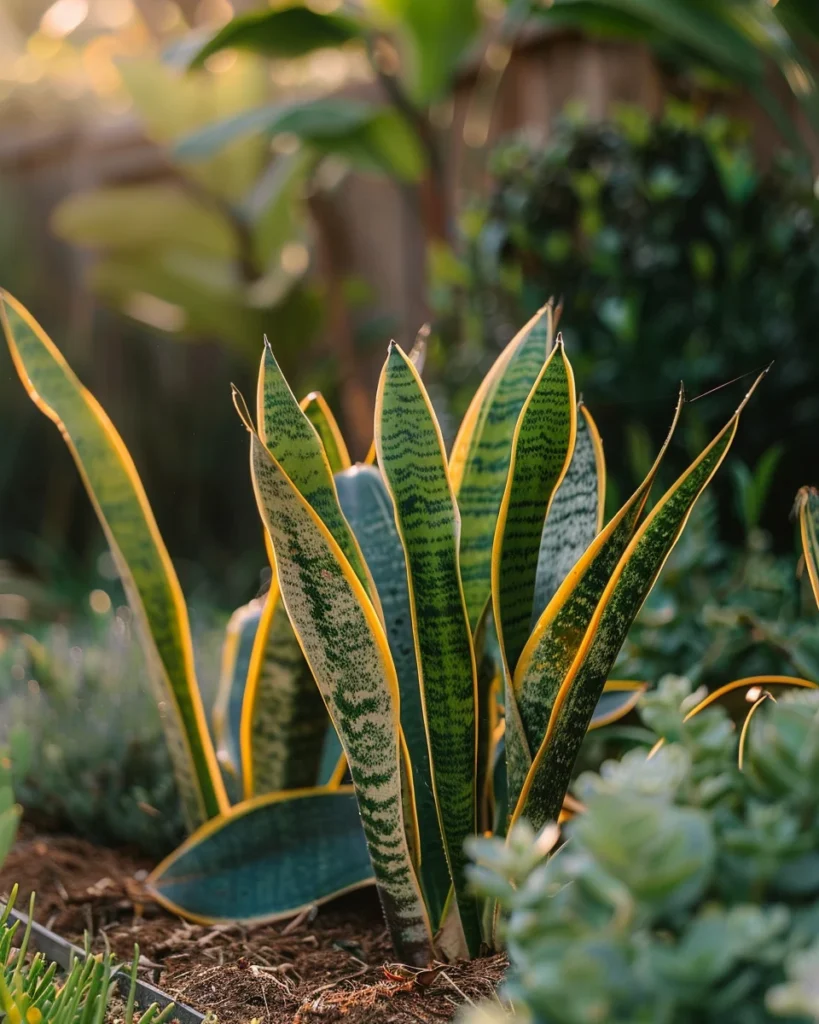
How to Make Your Snake Plant Flower: Simple Secrets for Rare and Beautiful Blooms
Intro for Want Your Snake Plant to Flower Try These Simple Secrets
Snake plants (Dracaena trifasciata, formerly Sansevieria) are beloved for their striking upright foliage and incredible resilience. While most owners enjoy them solely for their architectural leaves, snake plants can actually produce elegant, fragrant flower stalks—though this is relatively rare in indoor settings. These sweet-scented, nectar-rich blooms typically appear as slender stalks bearing small, tubular white or cream-colored flowers. Encouraging your snake plant to flower requires creating specific conditions that mimic its natural habitat. With the right care techniques, mature plants can reward you with their delicate, night-fragrant blooms that add an unexpected dimension to this already remarkable houseplant.
When to plant Want Your Snake Plant to Flower Try These Simple Secrets
Snake plants can be planted or repotted year-round when kept indoors, but spring and early summer (March through June) provide optimal conditions for establishment and growth. If you’re planting outdoors in suitable climates (USDA zones 9-11), wait until all danger of frost has passed and soil temperatures reach at least 50°F (10°C). In temperate regions, snake plants should be treated as houseplants or seasonal patio plants that must be brought indoors before temperatures drop below 50°F (10°C), as cold conditions can damage the plant and eliminate any chance of flowering.
Best time to plant Want Your Snake Plant to Flower Try These Simple Secrets
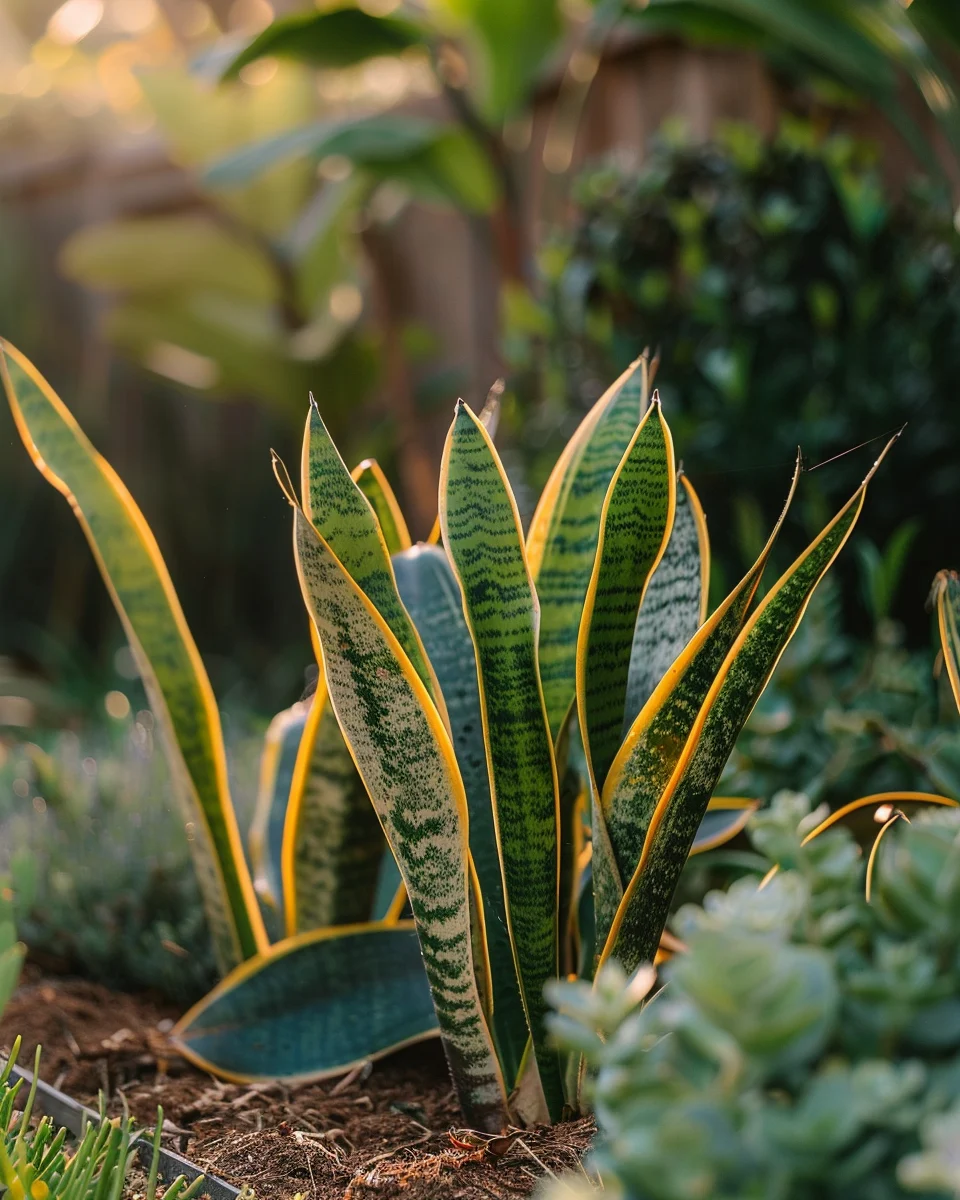
For indoor snake plants, the ideal planting window is early spring (March to April) when the plant is entering its active growth phase. This timing gives the plant the full growing season to establish before winter dormancy. In warm climates where outdoor planting is possible, mid-spring to early summer (April to June) works best after soil has warmed. For propagation through division or leaf cuttings, late spring to early summer provides the warmest conditions for successful rooting. Regardless of your climate, avoid repotting or disturbing snake plants in late fall or winter when they’re semi-dormant, as this stress can delay potential flowering.
Best Want Your Snake Plant to Flower Try These Simple Secrets varieties to grow
• Dracaena trifasciata ‘Laurentii’ – The classic yellow-edged variety that flowers more readily than many others when mature.
• Dracaena trifasciata ‘Black Gold’ – Features dramatic dark green leaves with gold edges and is known to flower when given proper care.
• Dracaena trifasciata ‘Hahnii’ (Bird’s Nest) – A compact variety that can flower despite its smaller size, with blooms appearing closer to the base.
• Dracaena trifasciata ‘Bantel’s Sensation’ – Distinguished by narrow white-striped leaves and relatively frequent flowering when mature.
• Dracaena trifasciata ‘Moonshine’ – Features silvery-green leaves and can produce impressive flower stalks when conditions are right.
• Dracaena angolensis (Cylindrical Snake Plant) – This distinctive cylindrical-leaved species can produce spectacular flowering stalks when mature.
• Dracaena trifasciata ‘Futura Robusta’ – A thick-leaved, compact variety that flowers more readily than many modern cultivars.
How to plant Want Your Snake Plant to Flower Try These Simple Secrets
Materials list:
– Mature snake plant (at least 3-4 years old)
– Terracotta or clay pot with drainage holes
– Cactus/succulent potting mix or regular potting soil mixed with perlite and coarse sand
– Small pebbles for drainage layer
– Watering can with narrow spout
– Gardening gloves (optional)
Step-by-step:
1. Select a pot only 1-2 inches (2.5-5 cm) larger than the current container, as snake plants prefer to be slightly root-bound to encourage flowering.
2. Place a layer of small pebbles at the bottom of the pot to improve drainage.
3. Fill the pot about one-third full with cactus/succulent potting mix or your prepared well-draining soil mixture.
4. Remove the snake plant from its current pot, gently loosening the root ball without causing excessive damage.
5. Inspect the roots and remove any that appear black, mushy, or damaged.
6. Position the plant in the new pot, ensuring it sits at the same depth as before.
7. Fill in around the roots with additional potting mix, leaving about 1 inch (2.5 cm) of space below the pot rim.
8. Gently firm the soil around the plant without compacting it too much.
9. Wait 5-7 days before watering to allow any damaged roots to heal, reducing the risk of rot.
10. Place the newly potted plant in its ideal location with appropriate light exposure.
How to grow Want Your Snake Plant to Flower Try These Simple Secrets
To encourage flowering, provide your snake plant with bright, indirect light for at least 6-8 hours daily, with some direct morning sun if possible. Southern or western exposures often work best. Water sparingly, allowing the soil to dry completely between waterings—typically every 2-4 weeks depending on conditions. During the growing season (spring and summer), fertilize lightly with a balanced, water-soluble fertilizer diluted to half-strength once every 2-3 months. Avoid over-fertilizing, as this promotes foliage growth at the expense of flowering.
Maintain temperatures between 65-85°F (18-29°C) during the day and slightly cooler at night, ideally with a 10°F temperature drop. This temperature fluctuation mimics natural conditions and can trigger blooming. Snake plants benefit from moderate humidity (40-50%) but can tolerate drier conditions. For container-grown plants, choose a pot that’s slightly snug, as being root-bound often encourages flowering. Most importantly, practice patience—snake plants typically need to reach maturity (3+ years) and experience some stress before they’ll produce flower stalks.
Caring for Want Your Snake Plant to Flower Try These Simple Secrets
To maintain a healthy snake plant with flowering potential, dust leaves regularly with a soft cloth to keep stomata clear for proper respiration. Rotate the pot quarterly to ensure even growth and light exposure. The most common pests include mealybugs and spider mites—treat infestations early with insecticidal soap or neem oil, focusing on leaf crevices and undersides. Root rot from overwatering is the primary disease concern; if detected (soft, yellowing leaves and foul smell), remove the plant, trim affected roots, and repot in fresh, dry soil.
To encourage flowering, implement a “stress period” in winter by reducing watering to once monthly and keeping temperatures slightly cooler (60-65°F/15-18°C). When flower stalks appear, avoid moving the plant or changing its conditions. Snake plant flowers typically last 2-3 weeks; once blooms fade, cut the flower stalk at the base. While flowering depletes some energy, it rarely harms the plant significantly. After flowering, resume normal care, but hold off on fertilizing for 2-3 months to allow the plant to recover.
Understanding bolting in Want Your Snake Plant to Flower Try These Simple Secrets
Unlike vegetable plants where bolting is undesirable, the flowering process in snake plants (sometimes called “bolting” by gardeners) is actually the goal for those seeking blooms. Flowering in snake plants is triggered by specific environmental conditions rather than stress. Age is the primary factor—plants typically need to be at least 3-4 years old before they can flower. Seasonal light changes, particularly shorter days followed by longer ones, can initiate the flowering response. Slight root restriction (being somewhat pot-bound) often encourages blooming, as does a period of drier conditions followed by resumption of normal watering.
If your snake plant produces a flower stalk, celebrate this rare occurrence! The flowers typically emit a sweet fragrance, especially at night. After flowering completes, the stalk will eventually dry up and can be cut off at the base. Flowering doesn’t harm the plant, though it may temporarily slow leaf growth as energy is directed to bloom production. To encourage future flowering, continue the care practices that led to the current success.
Why does Want Your Snake Plant to Flower Try These Simple Secrets turn bitter?
Snake plants don’t produce edible parts that would turn bitter, but they can develop various issues that affect their appearance and health:
• Yellowing leaves – Usually indicates overwatering; reduce frequency and ensure excellent drainage.
• Brown leaf tips – Often caused by low humidity or fluoride in tap water; use filtered water or let tap water sit overnight before using.
• Wrinkled, floppy leaves – Signals underwatering; adjust watering schedule while still allowing soil to dry between waterings.
• Pale, washed-out foliage – Typically from excessive direct sunlight; move to a location with bright indirect light.
• Stunted growth with no flowering – May indicate nutrient deficiency; apply diluted balanced fertilizer once every 2-3 months during growing season.
Companion planting for Want Your Snake Plant to Flower Try These Simple Secrets
• Aloe vera – Shares similar care requirements and complements the upright form of snake plants with its rosette shape.
• ZZ Plant (Zamioculcas zamiifolia) – Another low-maintenance plant that thrives in similar light and watering conditions.
• Pothos (Epipremnum aureum) – Can cascade from higher shelves near upright snake plants for visual contrast while tolerating similar conditions.
• Jade Plant (Crassula ovata) – Complements snake plants with similar drought tolerance and preference for bright light.
• Air Plants (Tillandsia) – Can be displayed near snake plants, adding textural interest without competing for pot space or resources.
Avoid planting near:
• Ferns or prayer plants – Their high humidity and moisture requirements conflict with the drier conditions snake plants prefer.
• Calatheas – Require much more frequent watering and higher humidity than snake plants.
• English Ivy – Can become invasive in containers and has different care needs.
Seasonal calendar
• January-February: Reduce watering to once monthly; maintain cooler temperatures to encourage dormancy.
• March: Resume normal watering as growth begins; check for new growth points.
• April: Apply first light fertilization of the year; consider repotting if necessary.
• May-June: Increase light exposure gradually; watch for potential flower stalks.
• July-August: Maintain regular care; protect from intense afternoon sun; monitor for pests in warm conditions.
• September: Last fertilization of the year; begin preparing for reduced winter care.
• October-November: Gradually reduce watering frequency as growth slows.
• December: Minimal watering; cooler temperatures to initiate dormancy period that can trigger spring flowering.
Note: In tropical regions (zones 10-11), snake plants may maintain more consistent growth year-round, though a slight seasonal care adjustment still benefits flowering potential.
Problems & solutions
Problem | Quick Fix
——–|———-
Leaves falling over | Ensure adequate light; rotate pot regularly; check for overwatering
No flowering despite maturity | Implement winter rest period with cooler temperatures and reduced watering
Brown spots on leaves | Check for sunburn; move from direct hot sun; treat for potential fungal issues with neem oil
Mushy base of plant | Immediately remove from pot; cut away rotted sections; repot in fresh, dry soil after allowing cuts to callus
Flower stalk turning brown prematurely | Normal after flowering completes; cut stalk at base once fully brown
Pests (mealybugs, spider mites) | Wipe leaves with alcohol-soaked cotton; treat with insecticidal soap; isolate from other plants
Leaves turning yellow | Reduce watering frequency; check for proper drainage; ensure pot isn’t sitting in water
Common questions about growing Want Your Snake Plant to Flower Try These Simple Secrets
How often should I water my snake plant to encourage flowering?
Water only when the soil is completely dry throughout the pot (every 2-4 weeks for indoor plants), and reduce frequency even further in winter. Slight drought stress can actually trigger flowering in mature plants.
How much sunlight does my snake plant need to flower?
Bright indirect light for 6-8 hours daily with some gentle morning direct sun provides ideal conditions for flowering. Avoid harsh afternoon direct sunlight which can damage leaves.
What size container is best for encouraging snake plant flowers?
Choose a pot only 1-2 inches (2.5-5 cm) larger than the root ball. Snake plants flower more readily when slightly root-bound, so avoid overly large containers.
How old must a snake plant be before it can flower?
Most snake plants need to reach maturity, typically 3-4 years or older, before they’re capable of producing flowers. Patience is essential!
What temperature range encourages snake plant flowering?
Maintain temperatures between 65-85°F (18-29°C) during the day with a drop to 55-65°F (13-18°C) at night, especially in winter. This temperature fluctuation can help trigger the flowering response.
Are snake plant flowers fragrant?
Yes, snake plant flowers emit a sweet, pleasant fragrance that’s most noticeable in the evening and at night, as they’re adapted for nocturnal pollination in their natural habitat.
Will my snake plant die after flowering?
No, unlike some plants, snake plants don’t die after flowering. They may temporarily slow their growth as energy is directed to bloom production, but will resume normal growth afterward.