

How to Make Your Garden Pest-Free Without Spending a Dime: Natural Methods That Actually Work
Intro for How I Made My Garden Pest Free Without Spending A Dime
Creating a pest-free garden doesn’t have to drain your wallet. Using readily available household items and natural garden resources, you can effectively deter and manage common garden pests without purchasing expensive chemical solutions. This approach not only saves money but also promotes a healthier ecosystem in your garden. By implementing strategic planting, utilizing kitchen scraps, and harnessing the power of beneficial insects, you can maintain a thriving garden that naturally resists pest infestations. These methods work well in most temperate regions and can be adapted for various garden sizes, from small container gardens to larger landscape plots.
When to plant How I Made My Garden Pest Free Without Spending A Dime
The best time to implement zero-cost pest control strategies is before pest problems become severe. Early spring (when soil temperatures reach 10-15°C/50-60°F) is ideal for setting up preventative measures like companion planting and natural barriers. Continue implementing these strategies through summer when pest pressure is highest. In frost-prone areas, begin your pest management plan after the last frost date. For warmer regions, you can establish these practices year-round, with special attention during the growing season when pests are most active.
Best time to plant How I Made My Garden Pest Free Without Spending A Dime
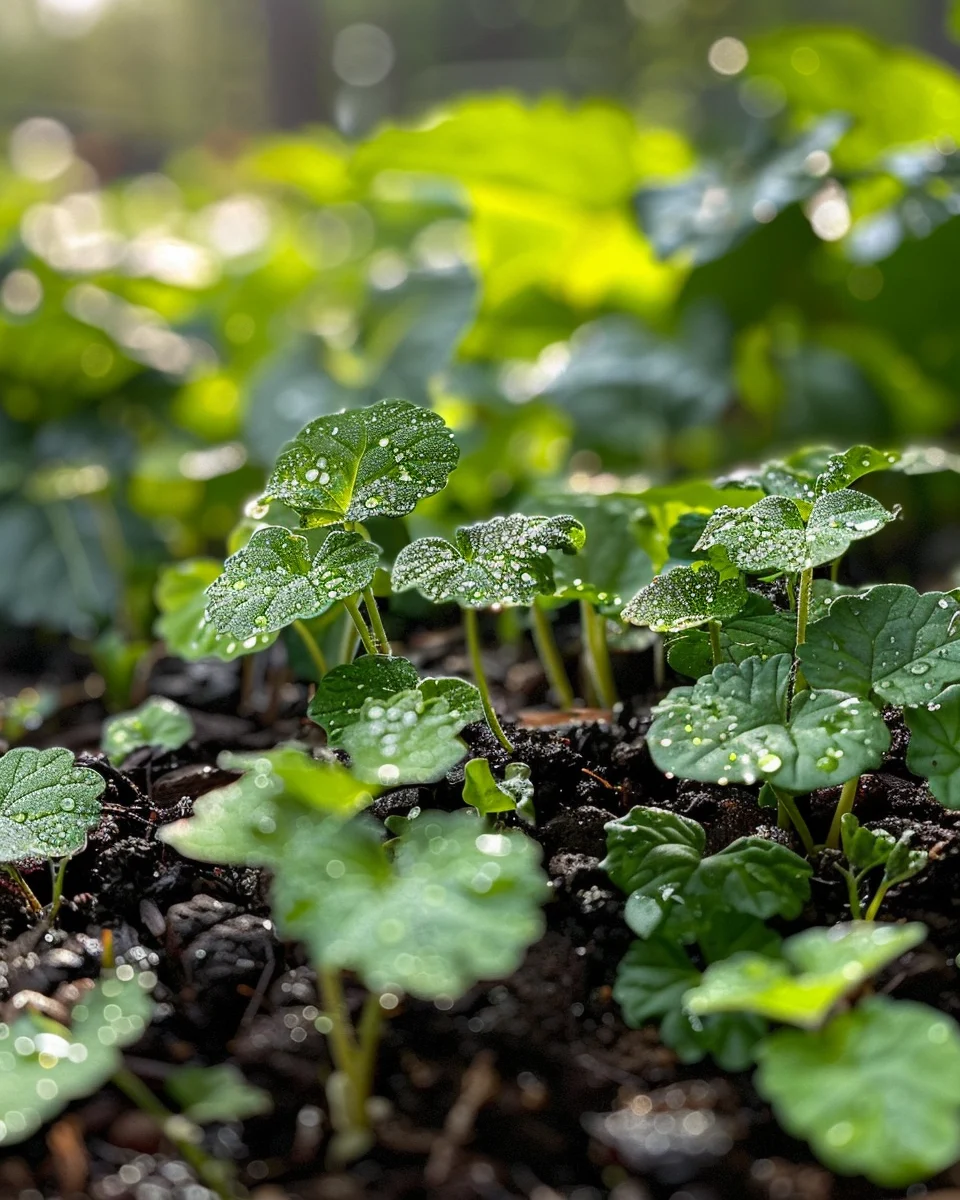
For cool climate regions (US Zones 3-6, UK northern areas), implement pest-prevention plantings in April through June. In moderate climates (US Zones 7-8, UK central regions), March through July works best for establishing pest-deterrent companions. For warm climates (US Zones 9-10, Mediterranean regions), February through April and September through October offer ideal windows for setting up natural pest control systems. Direct-sow pest-repellent plants like marigolds and nasturtiums when establishing your main crops, and transplant larger companion plants like sunflowers and herbs after danger of frost has passed.
Best How I Made My Garden Pest Free Without Spending A Dime varieties to grow
• Marigolds – Strong-scented varieties like ‘French Dwarf’ naturally repel nematodes and many insect pests.
• Nasturtiums – Act as trap crops for aphids, keeping them away from your valuable vegetables.
• Calendula – Attracts beneficial insects while deterring asparagus beetles and tomato hornworms.
• Chives – Deters aphids and Japanese beetles with their strong onion scent.
• Mint (in containers) – Repels cabbage moths, ants, and rodents, but must be contained to prevent spreading.
• Basil – Pairs wonderfully with tomatoes while deterring flies and mosquitoes.
• Dill – Attracts beneficial wasps that prey on caterpillars and other pest larvae.
• Sunflowers – Attract birds that will help control insect populations throughout your garden.
How to plant How I Made My Garden Pest Free Without Spending A Dime
Materials list:
– Saved seeds from kitchen produce (peppers, tomatoes, herbs)
– Kitchen scraps for DIY repellents (garlic, onion, citrus peels)
– Eggshells
– Coffee grounds
– Cardboard or newspaper
– Wood ash from untreated wood
– Plastic bottles or containers for traps
– Sticks or pruned branches
Step-by-step:
1. Map your garden to identify vulnerable areas where pests frequently attack.
2. Establish diverse plantings with aromatic herbs interspersed among vegetables.
3. Create borders of strong-scented plants like marigolds around vulnerable crops.
4. Plant trap crops (like nasturtiums for aphids) at garden edges to draw pests away.
5. Crush eggshells and spread around plants susceptible to slugs and snails.
6. Place small containers of beer (leftover or flat) slightly buried in soil to trap slugs.
7. Create physical barriers using cardboard collars around young seedlings.
8. Establish “insect hotels” using hollow stems and twigs to attract beneficial insects.
9. Water plants at soil level in the morning to reduce fungal issues that attract pests.
10. Mulch with newspaper or cardboard to prevent weeds that harbor pests.
How to grow How I Made My Garden Pest Free Without Spending A Dime
Sunlight plays a crucial role in pest management—most garden pests prefer shady, damp conditions, so ensure proper spacing for good airflow and sun exposure. Water plants in the morning at soil level, avoiding overhead watering which creates humid conditions favorable to pests. Instead of commercial fertilizers, use homemade compost or compost tea to strengthen plants’ natural defenses. Apply mulch made from shredded leaves, grass clippings, or newspaper to prevent weeds that harbor pests. Regularly prune dense growth to eliminate hiding places for pests. For container gardens, rotate positions occasionally to disrupt pest cycles. Create vertical growing spaces using salvaged materials like branches or old fencing to improve air circulation and reduce pest-friendly environments.
Caring for How I Made My Garden Pest Free Without Spending A Dime
Inspect plants weekly, removing pests manually by hand-picking or spraying with water. For aphids, create a spray using diluted dish soap (1 teaspoon per liter/quart of water). Combat fungal issues by improving air circulation and applying a baking soda spray (1 tablespoon per gallon of water). For caterpillars, encourage birds with water features or simple bird baths. Control slugs and snails with eggshell barriers or beer traps. Harvest regularly to prevent overripe produce from attracting fruit flies and other pests. Store harvested produce properly, removing any damaged items that might introduce pests to storage areas. Practice crop rotation annually to prevent soil-borne pests from establishing. Collect rainwater in repurposed containers to ensure adequate moisture without creating waterlogged conditions that attract pests.
Understanding bolting in How I Made My Garden Pest Free Without Spending A Dime
Bolting refers to when plants rapidly produce flowers and seeds prematurely, often making leaves bitter and less effective as pest deterrents. This is triggered by heat stress, longer daylight hours, or environmental stress like inconsistent watering. To prevent bolting in pest-repellent herbs like cilantro and dill, provide afternoon shade during hot periods and maintain consistent soil moisture. If bolting occurs, don’t remove the plants immediately—the flowers attract beneficial insects that prey on garden pests. Instead, allow some plants to flower while starting new seedlings to maintain continuous pest protection. In hot climates, choose bolt-resistant varieties of herbs and succession plant every few weeks to maintain effective pest control throughout the growing season.
Why does How I Made My Garden Pest Free Without Spending A Dime turn bitter?
• Ineffective pest management can stress plants, causing them to produce bitter compounds as a defense mechanism.
• Drought conditions force plants to conserve resources, reducing their natural pest-repellent properties.
• Overcrowding creates competition for nutrients, weakening plants’ natural defenses against pests.
• Soil nutrient imbalances, particularly nitrogen deficiency, can reduce the effectiveness of natural pest deterrents.
• Extreme temperature fluctuations stress plants, diminishing their ability to produce the compounds that naturally repel pests.
Companion planting for How I Made My Garden Pest Free Without Spending A Dime
Good companions include:
• Tomatoes with basil – Basil repels tomato hornworms and improves tomato flavor.
• Carrots with onions – Onion scent masks the smell that attracts carrot flies.
• Cabbage family with aromatic herbs – Rosemary, sage, and thyme deter cabbage moths.
• Corn with beans and squash (Three Sisters method) – Creates physical barriers to pests while maximizing space.
• Roses with garlic – Garlic deters aphids and strengthens disease resistance in roses.
• Potatoes with horseradish – Horseradish improves potato disease resistance.
Avoid planting near:
• Fennel – Secretes compounds that inhibit growth of many plants and can attract unwanted pests.
• Black walnut trees – Produce juglone, toxic to many plants and creating stressed conditions that attract pests.
• Dense plantings of the same family – Creates monoculture conditions that allow pests to spread rapidly.
Seasonal calendar
Early Spring (March-April):
• Clean garden of debris that might harbor overwintering pests
• Start companion plants indoors
• Apply coffee grounds and eggshells to soil
Late Spring (May-June):
• Plant pest-repellent flowers and herbs
• Set up physical barriers around young seedlings
• Begin regular inspection routines
Summer (June-August):
• Maintain regular harvesting to prevent pest attraction
• Apply homemade garlic or hot pepper sprays during pest outbreaks
• Refresh mulch to deter crawling insects
Fall (September-October):
• Collect seeds from pest-repellent plants for next season
• Remove pest-damaged plant material
• Apply compost to strengthen soil for next season
Winter (November-February):
• Plan next season’s companion planting strategy
• Create insect houses for beneficial predators
• Start indoor herbs for early pest protection
Problems & solutions
Problem | Quick Fix
— | —
Aphid infestation | Spray with strong water stream, then apply soap solution made from dish soap
Slugs and snails | Place eggshell barriers or shallow dishes of beer near vulnerable plants
Cabbage worms | Sprinkle used coffee grounds around brassicas; hand-pick visible caterpillars
Fungus gnats | Allow soil to dry between waterings; place yellow sticky traps made from yellow paper and petroleum jelly
Tomato hornworms | Plant dill nearby to attract parasitic wasps; hand-pick and relocate
Cucumber beetles | Create protective covers from old window screens or repurposed netting
Squash vine borers | Wrap stems with strips of old t-shirts or aluminum foil at soil level
Common questions about growing How I Made My Garden Pest Free Without Spending A Dime
Q: How often should I apply homemade pest deterrents?
A: Apply after rain or heavy dew has dried, typically every 7-10 days during active pest seasons or immediately after spotting pest activity.
Q: Can I use kitchen scraps directly as pest control?
A: Some scraps like citrus peels can be placed directly around plants, but most are more effective when processed into sprays or soaked in water for 24-48 hours first.
Q: What’s the minimum container size for pest-repellent plants?
A: Most herb companions need at least 6-8 inches (15-20 cm) of soil depth, while marigolds and nasturtiums can thrive in containers as small as 6 inches (15 cm) in diameter.
Q: How much spacing should I allow between pest-repellent and protected plants?
A: Plant companions within 12-18 inches (30-45 cm) of protected plants for maximum effectiveness, but ensure adequate airflow to prevent fungal issues.
Q: Can these zero-cost methods handle severe infestations?
A: For severe existing infestations, combine multiple approaches simultaneously (physical removal, homemade sprays, barriers, and beneficial insect attraction) for best results.
Q: How do I attract beneficial insects without spending money?
A: Allow some herbs to flower, provide shallow water sources with stones for landing, and create shelter with hollow stems, pine cones, or stacked stones.
Q: Will these methods work in raised beds and container gardens?
A: Yes, zero-cost pest control often works even better in contained spaces where you can more precisely manage the growing environment and pest entry points.