

5 Common Garden Pests That Are Ruining Your Plants And How To Stop Them: Identification, Prevention & Natural Controls
Intro for 5 Pests That Are Ruining Your Plants And How To Stop Them
Every gardener’s dream of lush, thriving plants can quickly turn into a nightmare when pests arrive. Garden pests can devastate your carefully tended plants in a matter of days, causing damage to leaves, stems, roots, and fruits. Understanding the common culprits and how to combat them effectively is essential for maintaining a healthy garden. This guide covers five of the most destructive garden pests and provides practical, often organic solutions to identify, prevent, and control these invaders before they ruin your garden. With the right knowledge and tools, you can protect your plants while maintaining an environmentally friendly approach to pest management.
When to plant 5 Pests That Are Ruining Your Plants And How To Stop Them
Rather than focusing on when to plant pests (which we certainly don’t want to do!), it’s important to understand when these pests are most active so you can implement preventive measures at the right time:
1. Aphids become active in early spring when temperatures reach 7-10°C (45-50°F) and remain problematic through summer.
2. Slugs and snails are most active during wet periods in spring and fall, especially when temperatures are between 5-20°C (41-68°F).
3. Spider mites thrive in hot, dry conditions, typically becoming problematic when temperatures exceed 27°C (80°F) in summer.
4. Caterpillars appear primarily in late spring through summer, with peak activity often coinciding with warm weather.
5. Japanese beetles emerge from the soil in late spring to early summer when soil temperatures reach about 21°C (70°F).
Best time to plant 5 Pests That Are Ruining Your Plants And How To Stop Them
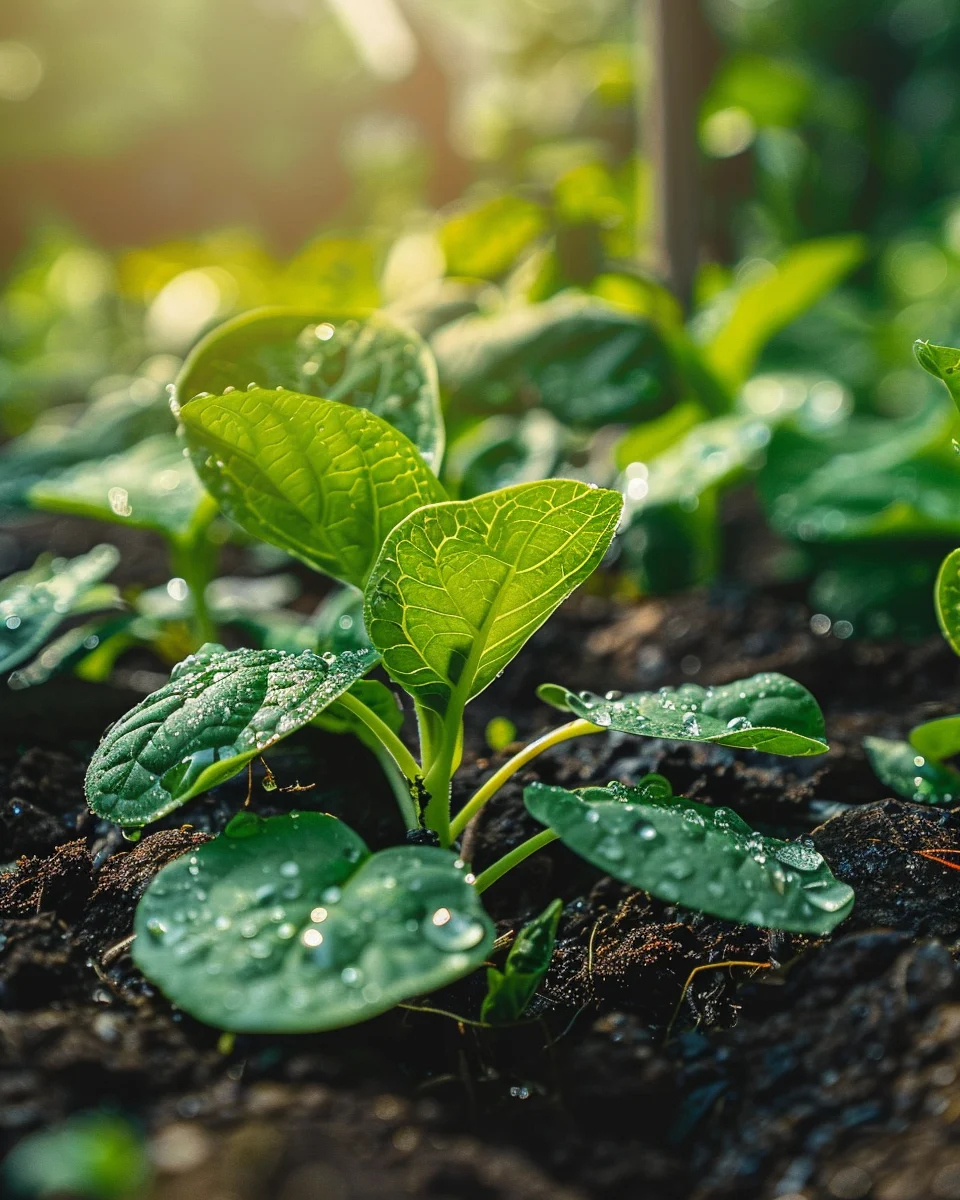
Instead of planting pests, let’s focus on timing your plantings to minimize pest damage:
For cool climate regions (Zones 3-6):
• Early spring plantings often escape early aphid populations
• Plant brassicas under row covers in early spring to avoid cabbage moths
• Delay cucumber family plantings until soil is warm to give plants vigor against cucumber beetles
For warm climate regions (Zones 7-10):
• Plant heat-loving crops early to establish before spider mite season peaks
• Use succession planting for leafy greens to minimize aphid damage
• Consider fall plantings when many pest populations naturally decline
Best 5 Pests That Are Ruining Your Plants And How To Stop Them varieties to grow
Rather than varieties of pests, here are the 5 most common garden pests and how to identify them:
• Aphids – Tiny (1-3mm) soft-bodied insects that cluster on new growth and undersides of leaves, causing distortion and sticky “honeydew” residue.
• Slugs and Snails – Soft-bodied mollusks that leave slime trails and create irregular holes in leaves, particularly active at night and in damp conditions.
• Spider Mites – Nearly microscopic arachnids that cause stippling on leaves and fine webbing between plant parts, thriving in hot, dry conditions.
• Caterpillars – Larvae of moths and butterflies that chew large, irregular holes in leaves and can quickly defoliate plants if left unchecked.
• Japanese Beetles – Metallic green and copper beetles about 13mm (1/2 inch) long that skeletonize leaves by eating tissue between the veins.
How to plant 5 Pests That Are Ruining Your Plants And How To Stop Them
Materials for pest prevention during planting:
– Row covers or insect netting
– Diatomaceous earth
– Copper tape (for slug/snail control)
– Beneficial nematodes
– Organic compost or well-rotted manure
– Companion plants (marigolds, nasturtiums, etc.)
– Sticky traps (yellow for aphids, blue for thrips)
Steps for pest-resistant planting:
1. Choose resistant varieties when available – many modern vegetable varieties have been bred for pest resistance.
2. Prepare soil with compost to improve plant health, as vigorous plants can better withstand pest attacks.
3. Apply beneficial nematodes to soil before planting to control soil-dwelling larvae of many pests.
4. Space plants properly to improve air circulation, reducing conditions favorable to many pests.
5. Install physical barriers like copper tape around raised beds to deter slugs and snails.
6. Apply diatomaceous earth around the base of susceptible plants to deter crawling insects.
7. Plant companion plants known to repel specific pests interspersed with your main crops.
8. Install row covers immediately after planting to protect young seedlings from flying pests.
How to grow 5 Pests That Are Ruining Your Plants And How To Stop Them
Rather than growing pests, here are key strategies to grow healthy plants that resist pest damage:
Sunlight: Ensure plants receive their optimal light requirements, as stressed plants are more susceptible to pest attacks.
Watering schedule: Water in the morning at soil level to keep foliage dry, as wet leaves attract many pests and promote disease.
Fertilizing: Avoid excessive nitrogen fertilization, which creates soft, succulent growth that attracts aphids and other sap-feeding insects.
Mulch: Apply organic mulch to moderate soil temperature and moisture, but keep it several inches away from plant stems to avoid creating hiding places for slugs and snails.
Crop rotation: Practice annual rotation of plant families to disrupt pest life cycles in the soil.
Container specifics: Use fresh potting soil in containers each season and elevate pots on stands with pest barriers to prevent crawling insects from accessing plants.
Caring for 5 Pests That Are Ruining Your Plants And How To Stop Them
Ongoing pest monitoring:
Inspect plants weekly, checking undersides of leaves and new growth for early signs of pest activity. Early detection is crucial for effective control.
Organic controls for specific pests:
Aphids:
– Symptoms: Curled leaves, sticky residue, clusters of tiny insects on new growth
– Controls: Strong water spray to dislodge, insecticidal soap, neem oil, or introduce ladybugs as predators
Slugs and Snails:
– Symptoms: Large irregular holes in leaves, slime trails, nighttime feeding damage
– Controls: Handpicking at night, beer traps, diatomaceous earth barriers, copper tape
Spider Mites:
– Symptoms: Fine stippling on leaves, webbing, bronzing of foliage
– Controls: Increase humidity with regular misting, insecticidal soap, neem oil applications
Caterpillars:
– Symptoms: Large holes in leaves, visible droppings, rapid defoliation
– Controls: Handpicking, Bacillus thuringiensis (Bt) spray, row covers to prevent egg-laying
Japanese Beetles:
– Symptoms: Skeletonized leaves, metallic beetles visible on plants
– Controls: Handpicking in early morning into soapy water, milky spore in soil for grub control, row covers during peak season
Understanding bolting in 5 Pests That Are Ruining Your Plants And How To Stop Them
While pests don’t bolt, understanding how plant stress (including pest damage) affects plant development is important:
Pest-induced stress can trigger premature bolting in many leafy vegetables. When plants are damaged by pests, they often respond by accelerating their reproductive cycle, sending up flower stalks earlier than normal.
Prevention tactics:
– Control pests early before significant damage occurs
– Maintain consistent watering to reduce overall plant stress
– Use floating row covers to protect susceptible plants from pest damage
– Choose bolt-resistant varieties of vegetables like lettuce and spinach
– Provide afternoon shade in hot climates to reduce heat stress that compounds pest stress
If pest damage has already triggered bolting, harvest what you can immediately and remove severely damaged plants to prevent them from becoming pest breeding grounds.
Why does 5 Pests That Are Ruining Your Plants And How To Stop Them turn bitter?
Pest damage can lead to bitter-tasting produce for several reasons:
• Defensive compounds: Plants produce bitter-tasting compounds as a natural defense when under pest attack
– Fix: Control pests early before the plant initiates strong defensive responses
• Stress hormones: Pest feeding triggers stress hormones that can alter flavor
– Fix: Maintain overall plant health with proper watering and fertilization to help plants cope with pest pressure
• Sap disruption: Sap-feeding insects like aphids alter the sugar-to-bitter compound ratio in plants
– Fix: Use preventive measures like reflective mulch or row covers to prevent aphid colonization
• Secondary infections: Pest damage creates entry points for pathogens that can affect flavor
– Fix: Remove pest-damaged portions promptly and apply organic fungicides if necessary
• Premature harvesting: Harvesting pest-damaged plants before maturity can result in bitter flavors
– Fix: Protect plants adequately so they can reach proper maturity before harvest
Companion planting for 5 Pests That Are Ruining Your Plants And How To Stop Them
Good companions to deter pests:
• Marigolds – Release compounds that repel many soil nematodes and their bright flowers attract beneficial insects that prey on aphids and other pests
• Nasturtiums – Act as trap plants for aphids, drawing them away from your valuable crops
• Garlic and onions – The strong sulfur compounds repel many insect pests, particularly aphids and some caterpillars
• Basil – Repels thrips, flies, and mosquitoes while improving the flavor and growth of tomatoes and peppers
• Chrysanthemums – Contain pyrethrum, a natural insecticide that deters many garden pests
• Mint – Deters cabbage moths, ants, and rodents (but plant in containers as it spreads aggressively)
Plants to avoid placing near pest-susceptible crops:
• Fennel – Attracts beneficial insects but can also draw in swallowtail butterfly caterpillars that may spread to other plants
• Brassica family members – When planted too close together, they concentrate cabbage family pests
• Sunflowers – Can harbor spider mites that may spread to nearby plants in dry conditions
Seasonal calendar
Monthly pest management calendar for temperate regions:
January-February:
• Remove plant debris that may harbor overwintering pests
• Apply dormant oil to fruit trees to smother overwintering eggs
• Plan resistant varieties for spring planting
March-April:
• Install yellow sticky traps to monitor early aphid activity
• Apply beneficial nematodes to soil as it warms
• Set up row covers over new plantings
May-June:
• Begin weekly inspections for aphids and caterpillars
• Apply diatomaceous earth around susceptible plants
• Release beneficial insects like ladybugs and lacewings
July-August:
• Increase monitoring for spider mites during hot, dry periods
• Handpick Japanese beetles in early morning
• Apply neem oil treatments every 7-10 days for persistent pests
September-October:
• Watch for increased slug and snail activity as fall rains begin
• Remove heavily infested plants to prevent overwintering
• Apply beneficial nematodes for second-generation soil pest control
November-December:
• Clean up garden debris thoroughly
• Apply winter mulch after ground freezes to prevent overwintering sites
• Plan crop rotation for next season to disrupt pest cycles
For warmer regions (Zones 8-10): Begin monitoring for pests 4-6 weeks earlier and extend control measures later into fall.
For cooler regions (Zones 3-5): Compress the schedule, focusing pest control efforts from late May through early October.
Problems & solutions
Problem | Quick Fix
— | —
Sudden mass appearance of aphids | Spray plants with strong stream of water, then apply insecticidal soap to survivors
Leaves have holes but no visible pests | Check at night with flashlight for slugs and snails; apply diatomaceous earth barrier
Plants covered in fine webbing | Increase humidity by misting plants regularly and apply neem oil to control spider mites
Seedlings cut off at soil level | Place cardboard collars around stems to prevent cutworm damage
White or yellow stippling on leaves | Look for tiny thrips; use blue sticky traps and insecticidal soap treatments
Skeletonized leaves with only veins remaining | Handpick Japanese beetles in early morning; drop into soapy water
Plants wilting despite adequate water | Check for root-knot nematodes; rotate crops and add beneficial nematodes to soil
Common questions about growing 5 Pests That Are Ruining Your Plants And How To Stop Them
Q: Can I use household dish soap to control aphids?
A: Regular dish soap can damage plant tissues. Use commercial insecticidal soap or make your own with pure castile soap (1 tablespoon per quart/liter of water).
Q: How often should I inspect my plants for pests?
A: Weekly inspections are ideal during the growing season, focusing on new growth and the undersides of leaves where many pests first appear.
Q: Are organic pest controls as effective as chemical pesticides?
A: Organic controls can be very effective when applied early and consistently. They typically work best as part of an integrated pest management approach rather than as one-time treatments.
Q: Will companion planting completely prevent pest problems?
A: Companion planting reduces but doesn’t eliminate pest issues. It works best when combined with other methods like physical barriers and proper cultural practices.
Q: How can I attract beneficial insects to control pests naturally?
A: Plant diverse flowering plants that provide nectar and pollen throughout the season, avoid broad-spectrum pesticides, and provide water sources and shelter like insect hotels.
Q: Can I reuse soil where pest-infested plants grew?
A: It’s best to solarize soil where severe pest problems occurred by covering with clear plastic for 4-6 weeks during hot weather before replanting, or practice crop rotation with unrelated plant families.
Q: Are there any plants that repel all garden pests?
A: No single plant repels all pests, but strong-smelling herbs like rosemary, thyme, and mint deter many common insects and can be strategically planted throughout the garden.