

How to Keep Pests Out Naturally: Essential Garden Staples for Organic Pest Control
Intro for How To Keep Pests Out Naturally With These Garden Staples
Battling garden pests doesn’t require harsh chemicals that harm beneficial insects and soil health. Natural pest control uses common household and garden items to deter unwanted visitors while maintaining ecological balance. These organic solutions work with nature rather than against it, creating a healthier garden ecosystem. From kitchen staples like garlic and vinegar to garden companions such as marigolds and nasturtiums, these natural deterrents provide effective protection across most temperate growing regions. By incorporating these sustainable practices, you’ll not only keep pests at bay but also promote biodiversity and reduce your environmental footprint.
When to plant How To Keep Pests Out Naturally With These Garden Staples
The best time to establish pest-repelling plants varies by climate. In temperate regions, plant aromatic herbs like basil, mint, and rosemary after the last frost when soil temperatures reach 15-18°C (60-65°F). Marigolds and nasturtiums should be planted in spring once frost danger passes. Garlic is typically planted in fall (zones 3-8) for early summer harvest, providing pest protection throughout the growing season. In Mediterranean climates, most pest-repelling plants can be established year-round, while in cooler regions, start these plants indoors 6-8 weeks before your last expected frost date.
Best time to plant How To Keep Pests Out Naturally With These Garden Staples
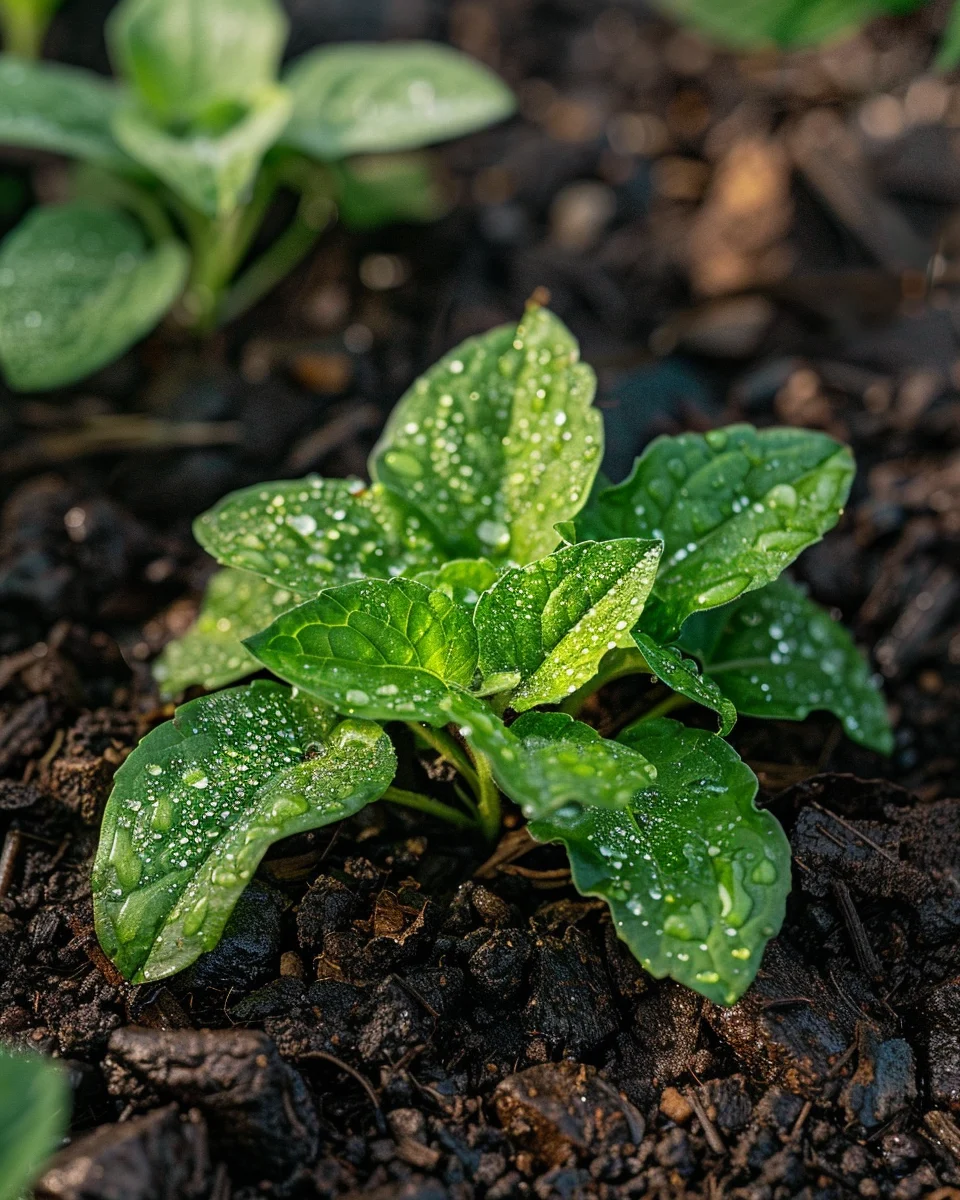
In cool temperate regions (Zones 3-6), plant most pest-repelling companions between April and June when soil has warmed. For warm regions (Zones 7-10), February to April and September to October provide ideal planting windows. Garlic should be planted in October-November in most regions. Basil, mint, and other tender herbs grow best when transplanted after all frost danger has passed. For year-round protection in mild climates, stagger plantings of quick-growing repellent plants like cilantro every 3-4 weeks. Direct sow nasturtiums and marigolds when soil temperatures reach 18°C (65°F) for best germination.
Best How To Keep Pests Out Naturally With These Garden Staples varieties to grow
• French Marigolds (Tagetes patula) – Produce thiophene which repels nematodes and their compact size works well as border plants.
• Nasturtium ‘Jewel Mix’ – Attracts aphids away from vegetables while adding edible flowers to your garden.
• Lavender ‘Munstead’ – Highly aromatic variety that deters moths, fleas, flies, and mosquitoes while being drought-tolerant.
• Rosemary ‘Tuscan Blue’ – Upright growth habit makes it excellent for borders, repelling cabbage moths and carrot flies.
• Garlic ‘Hardneck’ – Contains high sulfur compounds that deter a wide range of insects when planted throughout the garden.
• Mint ‘Spearmint’ – Repels ants, aphids, and cabbage moths, but plant in containers to control its spreading habit.
• Basil ‘Genovese’ – Classic variety that repels flies and mosquitoes while complementing tomatoes as a companion plant.
• Chives ‘Common’ – Deters aphids and Japanese beetles with minimal maintenance requirements.
How to plant How To Keep Pests Out Naturally With These Garden Staples
Materials list:
– Organic compost or well-rotted manure
– Garden fork or tiller
– Seeds or seedlings of pest-repelling plants
– Watering can or hose with spray attachment
– Mulch (straw, leaf mold, or wood chips)
– Garden gloves
– Hand trowel
– Plant markers
Step-by-step:
1. Prepare your garden bed by removing weeds and loosening soil to a depth of 20-30 cm (8-12 inches).
2. Incorporate 5-7 cm (2-3 inches) of compost into the soil to improve fertility and drainage.
3. Plan strategic placement of pest-repelling plants—borders, interspersed among vegetables, or in containers near vulnerable crops.
4. For seeds, follow packet instructions for depth (generally 2-3 times the seed diameter) and spacing.
5. For seedlings, dig holes slightly larger than the root ball and plant at the same depth as they were in their containers.
6. Space aromatic herbs like basil and rosemary 30-45 cm (12-18 inches) apart to allow for proper air circulation.
7. Plant marigolds 20-30 cm (8-12 inches) apart around garden perimeters or between vegetable rows.
8. Water thoroughly after planting, ensuring soil is moist but not waterlogged.
9. Apply 5 cm (2 inches) of mulch around plants, keeping it away from stems to prevent rot.
10. Label all plantings with markers to track their effectiveness against specific pests.
How to grow How To Keep Pests Out Naturally With These Garden Staples
Most pest-repelling plants thrive in full sun (6+ hours daily), though mint and some herbs can tolerate partial shade. Water deeply once or twice weekly rather than frequent shallow watering, adjusting for rainfall and temperature. Most aromatic herbs prefer slightly dry conditions—overwatering reduces essential oil production that deters pests. Apply a balanced organic fertilizer (like 5-5-5) at half strength monthly during growing season, as excessive nitrogen can reduce aromatic compounds. Mulch with straw or leaf mold to suppress weeds and retain moisture. Regularly prune herbs to encourage bushy growth and prevent flowering, which diminishes pest-repelling properties. For container growing, use pots at least 30 cm (12 inches) in diameter with drainage holes, and water when the top 2.5 cm (1 inch) of soil feels dry. Mint and other aggressive spreaders should always be contained to prevent garden takeover.
Caring for How To Keep Pests Out Naturally With These Garden Staples
Harvest aromatic herbs regularly to stimulate new growth and maintain pest-repelling properties. Watch for powdery mildew on mint and basil during humid periods—improve air circulation and avoid overhead watering to prevent it. Aphids may ironically attack some pest-repelling plants; spray affected areas with a solution of 1 tablespoon liquid soap to 1 liter (quart) of water. Deadhead marigolds to prolong flowering and pest protection. Garlic is ready to harvest when lower leaves yellow, typically in early summer. Store dried herbs in airtight containers away from light to preserve their pest-repelling compounds for off-season use. Rotate plantings of pest-repelling annuals yearly to prevent soil-borne diseases. During extreme heat, provide afternoon shade to prevent stress that reduces essential oil production.
Understanding bolting in How To Keep Pests Out Naturally With These Garden Staples
Bolting occurs when plants rapidly produce flowering stems before harvesting, often reducing pest-repelling properties. This is triggered by long daylight hours, temperatures above 27°C (80°F), or drought stress. Basil, cilantro, and dill are particularly prone to bolting in summer heat. Prevent bolting by planting heat-sensitive herbs in partial afternoon shade, maintaining consistent soil moisture, and succession planting every 2-3 weeks. If bolting begins, immediately pinch off flower stalks to redirect energy to leaf production. For inevitable bolters like cilantro, allow some plants to flower to attract beneficial insects while starting new seedlings for continued pest protection.
Why does How To Keep Pests Out Naturally With These Garden Staples turn bitter?
• Heat stress – Temperatures above 30°C (86°F) can cause herbs to produce bitter compounds; provide afternoon shade during hot periods.
• Insufficient watering – Drought stress triggers survival mechanisms that create bitter flavors; maintain consistent soil moisture.
• Mature age – Older leaves contain more concentrated compounds; harvest regularly to encourage tender new growth.
• Flowering/bolting – Once herbs begin flowering, leaves often turn bitter; pinch flower buds early and often.
• Excessive nitrogen – Too much fertilizer causes rapid growth with bitter flavor; use balanced organic fertilizers at half-strength.
Companion planting for How To Keep Pests Out Naturally With These Garden Staples
Marigolds pair excellently with tomatoes, repelling nematodes and tomato hornworms while adding bright color. Basil complements tomatoes and peppers by deterring thrips, flies, and mosquitoes while improving flavor. Nasturtiums act as trap crops for aphids, protecting nearby cucumbers and squash. Garlic enhances growth and pest resistance in roses and fruit trees while deterring Japanese beetles. Mint repels cabbage moths when planted near brassicas (though keep contained). Avoid planting most aromatic herbs near fennel, which inhibits growth of neighboring plants. Rue should not be planted near basil or sage as they compete negatively. Chives and other alliums may inhibit growth of beans and peas, so keep them separated.
Seasonal calendar
January-February: Plan pest control strategy; start slow-growing pest-repellent seeds indoors (lavender, rosemary).
March: Prepare garden beds; direct sow cold-tolerant pest-repelling plants like calendula in mild climates.
April: Plant marigold and nasturtium seeds indoors; divide mint and other perennial herbs.
May: Transplant warm-season pest-repelling plants after frost danger; harvest overwintered garlic scapes.
June: Harvest and dry herbs before flowering for pest-repellent sprays; monitor for early pest issues.
July-August: Maintain regular harvesting of herbs; make and apply garlic/hot pepper sprays during peak pest season.
September: Collect seeds from pest-repelling annuals; plant fall garlic for next year’s pest control.
October: Harvest and dry remaining herbs; prepare herbal pest-deterrent sachets for storage areas.
November-December: Apply winter mulch to perennial pest-repelling plants; plan next year’s pest control strategy.
Problems & solutions
| Problem | Quick Fix |
|---|---|
| Aphids on pest-repelling plants | Spray with strong stream of water, then apply neem oil solution weekly |
| Mint spreading aggressively | Plant in buried containers with bottom removed or harvest regularly and deeply |
| Powdery mildew on basil | Improve air circulation, apply 1:9 milk to water spray, remove affected leaves |
| Marigolds not flowering | Ensure full sun exposure and reduce nitrogen fertilizer |
| Herbs wilting despite watering | Check for root-bound containers; transplant to larger pots or in-ground |
| Natural sprays washing off in rain | Add 1 teaspoon of mild dish soap per liter as sticker; reapply after rainfall |
| Beneficial insects also repelled | Plant nectar-rich flowers nearby to attract pollinators despite pest deterrents |
Common questions about growing How To Keep Pests Out Naturally With These Garden Staples
How often should I apply homemade garlic spray?
Apply every 7-10 days and after rainfall for maintenance, or every 3-4 days when actively combating an infestation.
Can I plant multiple pest-repelling herbs in the same container?
Yes, but choose companions with similar water and light requirements—rosemary, thyme, and sage work well together in a 40-50 cm (16-20 inch) container.
Will pest-repelling plants harm beneficial insects?
Most repel specific pests while allowing beneficial insects to thrive, but strong essential oil sprays should be used carefully to avoid harming pollinators.
How close should marigolds be to vegetables for pest protection?
Plant marigolds 30-45 cm (12-18 inches) from vegetables or interplant directly between rows for maximum protection.
Can I use kitchen herbs for pest control, or do I need special varieties?
Standard culinary varieties work well for pest control, though some specialized varieties have higher concentrations of repellent compounds.
How long do natural pest deterrents remain effective?
Plant-based deterrents typically last 7-14 days before needing reapplication, while companion plantings provide continuous protection throughout their growing season.
Can I make pest-repellent sprays from my garden plants?
Yes—steep 1 cup chopped herbs (garlic, hot peppers, or strong herbs) in 2 cups hot water overnight, strain, add 1 teaspoon mild soap, and dilute with 4 cups water before spraying.