

My Easy Routine For Pest-Free Indoor Plants: Prevention, Inspection & Natural Solutions
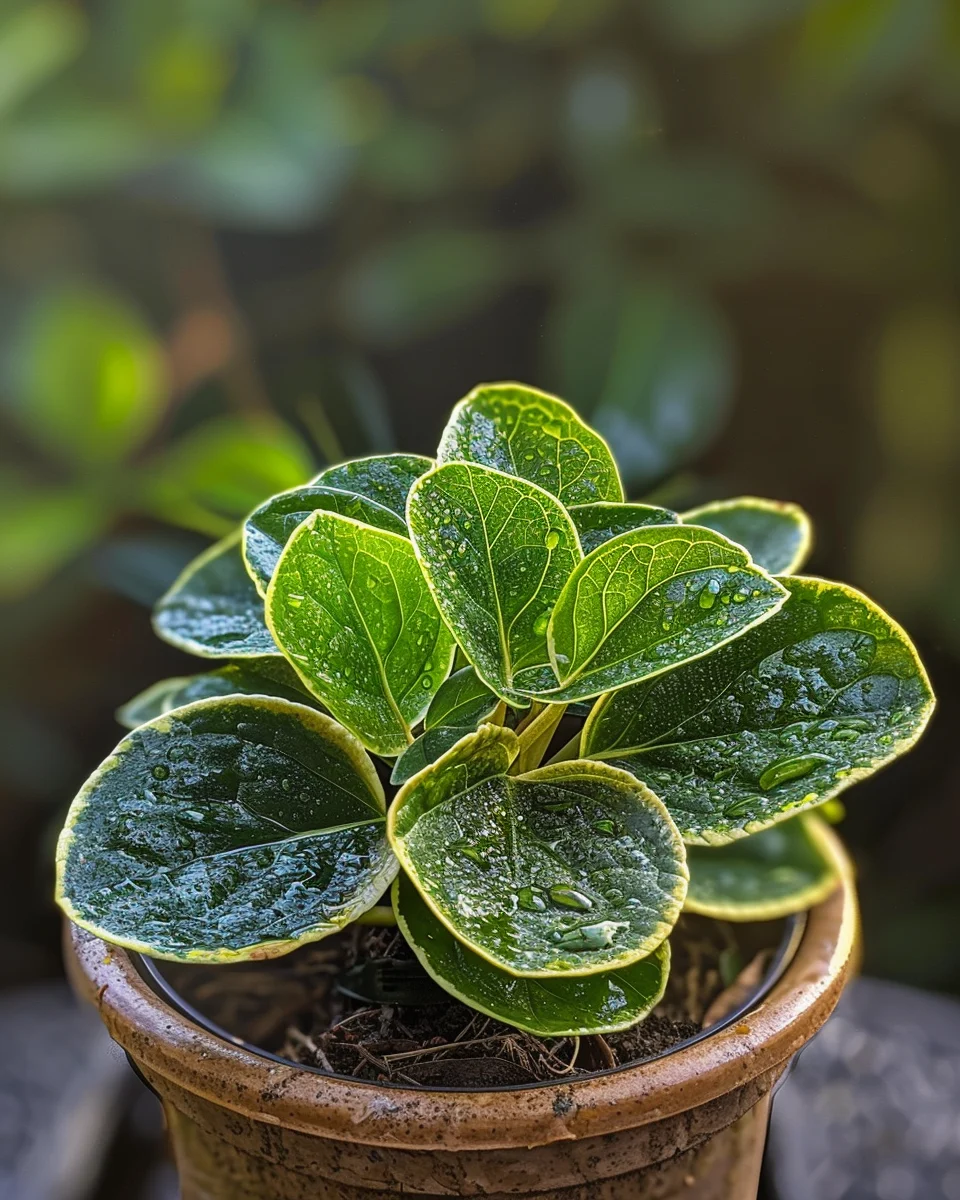
Intro for My Easy Routine For Pest Free Indoor Plants
Keeping indoor plants pest-free doesn’t have to be complicated or time-consuming. With a consistent routine of prevention, inspection, and targeted treatment, you can maintain healthy houseplants without resorting to harsh chemicals. Indoor plants face common threats from spider mites, mealybugs, fungus gnats, and aphids, but a proactive approach can stop infestations before they take hold. This easy-to-follow routine works for all indoor plants, from tropical foliage to succulents, and can be adapted to fit any home environment. By implementing these simple practices, you’ll spend less time battling pests and more time enjoying your thriving indoor garden.
When to implement pest prevention for indoor plants
Pest prevention for indoor plants should be practiced year-round, as indoor conditions can support pest populations regardless of season. However, certain times require extra vigilance. Spring and summer months (March-September) typically see increased pest activity due to higher temperatures and humidity. During winter, when homes are heated and air becomes dry, spider mites become particularly problematic. Always inspect new plants before bringing them indoors, regardless of season, as they’re the most common source of pest introduction. Temperature ranges of 18-24°C (65-75°F) with moderate humidity are ideal for plant health while being less conducive to pest proliferation.
Best time to start pest prevention routines
The optimal time to establish a pest prevention routine is immediately when bringing new plants home. For existing collections, begin implementing prevention measures right away rather than waiting for signs of infestation. In temperate regions, increase inspection frequency during seasonal transitions—particularly in early spring (March-April) when pests begin to emerge from dormancy, and early fall (September-October) when plants are brought indoors from summer vacations outside. For warm climate regions, maintain consistent vigilance year-round with special attention during humid periods when fungal issues and soft-bodied pests proliferate.
Best pest prevention products for indoor plants
• Neem Oil – Organic, multi-purpose solution that disrupts pest life cycles while being gentle on beneficial insects.
• Insecticidal Soap – Fast-acting contact treatment that’s effective against soft-bodied pests without leaving harmful residues.
• Diatomaceous Earth – Natural powder that physically damages crawling insects while being safe around pets and children.
• Sticky Traps – Yellow cards that capture flying pests like fungus gnats and whiteflies, perfect for monitoring and reducing populations.
• Beneficial Nematodes – Microscopic organisms that target soil-dwelling pests while being completely harmless to plants and humans.
• Hydrogen Peroxide Solution – Excellent for treating fungus gnat larvae in soil and improving root health simultaneously.
• Cinnamon Powder – Natural fungicide and pest deterrent that adds a pleasant aroma while protecting plants.
How to establish a pest prevention routine
Materials needed:
– Magnifying glass or smartphone with macro lens
– Spray bottle
– Neem oil
– Insecticidal soap
– Cotton swabs
– Isopropyl alcohol (70%)
– Yellow sticky traps
– Pruning shears
– Clean microfiber cloth
Step-by-step process:
1. Quarantine all new plants for 2-3 weeks away from your existing collection to observe for pests.
2. Establish a weekly inspection schedule, marking it on your calendar or setting phone reminders.
3. Create a designated inspection station with good lighting and all necessary supplies.
4. Examine plants systematically—check leaf undersides, stem joints, and soil surface where pests often hide.
5. Clean plant leaves monthly with a damp microfiber cloth to remove dust that attracts pests.
6. Apply preventative neem oil spray (1 tablespoon per gallon of water with a drop of mild soap) every 2-4 weeks.
7. Place yellow sticky traps near plants to monitor for flying pests and catch them before populations explode.
8. Maintain proper spacing between plants to improve air circulation and reduce pest spread.
9. Keep a pest journal to track seasonal patterns and effective treatments for your specific plant collection.
How to grow pest-resistant indoor plants
Growing pest-resistant indoor plants starts with proper cultural practices. Provide appropriate light conditions—most houseplants need bright, indirect light for 6-8 hours daily. Establish a consistent watering schedule based on each plant’s needs, allowing soil to dry appropriately between waterings to prevent fungus gnats. Fertilize moderately during growing season (spring and summer) with balanced, diluted fertilizer at half the recommended strength. Maintain humidity levels between 40-60% using humidifiers or pebble trays for tropical plants, but avoid excess moisture that attracts pests. Regularly rotate plants to encourage even growth and prevent pests from establishing on neglected sides. For container-specific concerns, ensure pots have adequate drainage holes and use fresh, sterile potting mix when repotting to eliminate potential pest eggs or larvae.
Caring for pest-free indoor plants
Maintaining pest-free indoor plants requires consistent care. Inspect plants weekly, paying special attention to leaf undersides and stem joints where pests hide. For early infestations, spot-treat with isopropyl alcohol on a cotton swab for mealybugs or scale insects. Common symptoms of pest problems include yellowing leaves, sticky residue (honeydew), fine webbing, or visible insects. For fungus gnats, allow soil to dry between waterings and consider top-dressing with sand or diatomaceous earth. Spider mites thrive in dry conditions, so increase humidity around susceptible plants. Harvest cuttings for propagation only from healthy, pest-free plants. When pruning affected plants, clean tools with alcohol between cuts to prevent spreading problems. For long-term storage of seasonal plants (like amaryllis bulbs), inspect thoroughly and store in pest-free, dry conditions.
Understanding prevention versus treatment for indoor plant pests
Prevention focuses on creating conditions unfavorable to pests before they appear, while treatment addresses existing infestations. Prevention is triggered by regular maintenance practices, whereas treatment responds to visible pest damage. Preventative measures include proper watering, adequate spacing, and routine inspections, which are less disruptive to plant health than reactive treatments. When prevention fails, early detection through regular monitoring allows for targeted intervention before pests spread. Stress factors like improper light, temperature fluctuations, and nutrient imbalances make plants more susceptible to pests, so addressing these fundamental needs serves as primary prevention. If treatment becomes necessary, start with the least toxic options (like manual removal or insecticidal soap) before considering stronger measures.
Why do indoor plants attract pests?
• Overwatering – Creates damp conditions perfect for fungus gnats and root rot; allow soil to dry appropriately between waterings.
• Dusty leaves – Dust accumulation attracts spider mites and blocks plant respiration; wipe leaves monthly with a damp cloth.
• Poor air circulation – Stagnant air creates humid microclimates favored by pests; space plants properly and use fans if needed.
• Nutrient stress – Both over and under-fertilizing weakens plants’ natural defenses; follow appropriate feeding schedules.
• Bringing outdoor plants inside – Introduces outdoor pests to controlled environments; thoroughly inspect and treat plants before bringing indoors.
Companion planting for pest management indoors
Good companions:
• Lavender – Natural repellent for many insects while adding fragrance and visual interest.
• Rosemary – Contains oils that deter whiteflies and spider mites, particularly effective near susceptible plants.
• Marigolds – Produce compounds that repel multiple pest species and can be grown indoors in bright locations.
• Basil – Deters flies and mosquitoes while providing culinary benefits.
• Chrysanthemums – Contain pyrethrum, a natural insecticide effective against many common houseplant pests.
Plants to keep separated:
• Plants with recurring pest issues – Isolate affected specimens to prevent cross-contamination.
• Plants with vastly different humidity needs – Grouping these creates stress conditions that invite pests.
Seasonal calendar
• January-February: Reduce watering frequency; inspect plants under grow lights more frequently as indoor heating increases spider mite risk.
• March-April: Resume regular feeding schedule; watch for emerging pests as daylight increases and growth resumes.
• May-June: Increase inspection frequency as temperatures rise; consider preventative neem oil applications.
• July-August: Monitor humidity levels; check for spider mites during hot, dry periods.
• September-October: Thoroughly inspect any outdoor plants before bringing indoors; quarantine as needed.
• November-December: Reduce fertilizing; maintain vigilance as indoor heating creates favorable conditions for certain pests.
For warmer regions: Maintain consistent inspection routines year-round with special attention during periods of high humidity.
For cooler regions: Be especially vigilant when transitioning plants between indoor and outdoor environments.
Problems & solutions
| Problem | Quick Fix |
|---|---|
| White cottony spots (mealybugs) | Dab with alcohol-soaked cotton swab; isolate plant and treat with insecticidal soap weekly |
| Fine webbing on leaves (spider mites) | Increase humidity; spray leaves with water; apply neem oil solution every 5-7 days |
| Small flies around soil (fungus gnats) | Let soil dry completely between waterings; add layer of sand on soil surface; use sticky traps |
| Sticky residue on leaves or furniture | Check for scale insects or aphids; wipe leaves with insecticidal soap solution; treat systemically |
| Yellow leaves with tiny moving dots | Isolate plant immediately; shower foliage with room-temperature water; apply insecticidal soap |
| Black sooty mold on leaves | Address underlying pest infestation (usually aphids or scale); clean leaves with diluted soap solution |
| Sudden plant decline without visible pests | Check roots for root mealybugs; consider repotting in fresh sterile medium if necessary |
Common questions about maintaining pest-free indoor plants
How often should I inspect my plants for pests?
Establish a weekly routine for thorough inspection, focusing on leaf undersides and stem joints. During high-risk periods (seasonal changes, after adding new plants), increase to twice weekly.
Can I use outdoor garden soil for my houseplants?
Never use garden soil for indoor plants as it often contains pest eggs, larvae, and pathogens. Always use sterile, commercial potting mix specifically formulated for indoor plants.
Is neem oil safe to use on all indoor plants?
While neem oil is safe for most plants, always test on a small leaf area first and wait 24 hours. Avoid application on stressed plants or in direct sunlight, and keep dilution rates appropriate (typically 1-2 teaspoons per liter/quart of water).
How do I prevent pests when bringing new plants home?
Quarantine new plants for 2-3 weeks away from your collection. During this period, inspect thoroughly and consider a preventative treatment with insecticidal soap or neem oil before introducing to your main collection.
Will indoor plants recover after a pest infestation?
Most plants can recover fully if the infestation is caught early and treated promptly. After treatment, provide optimal growing conditions and avoid fertilizing until new growth appears, indicating recovery.
How can I prevent soil gnats in my indoor plants?
Allow soil to dry between waterings, top-dress with a layer of sand or diatomaceous earth, use bottom-watering techniques when possible, and place yellow sticky traps near affected plants to catch adults.
Are homemade pest sprays effective for indoor plants?
Simple homemade solutions like diluted soap spray (1 teaspoon mild liquid soap per quart/liter of water) can be effective for minor infestations. However, proper identification of pests and consistent application are crucial for success.